There is more to Pakistan’s landscapes than just their natural beauty. There are locations linked to millennia of religious customs, pilgrimage, folklore, and spiritual practice throughout its mountains, valleys, lakes, and ancient settlements. Pakistan’s varied cultural and religious history is reflected in its sacred sites, which range from the historic temples of the Salt Range to the hallowed locations of Hingol National Park and the northern regions’ Buddhist heritage.
These settings provide an opportunity to investigate the relationship between faith, nature, and legacy for travelers interested in spiritual locations in Pakistan. While some locations continue to be popular pilgrimage sites, others maintain archeological artifacts or regional customs that have been passed down through the ages. With Tourism for Interfaith Peace (TIP), this guide explores significant sacred places and explains how visitors might appropriately experience them.
Katas Raj: Sacred Temples and a Historic Pond
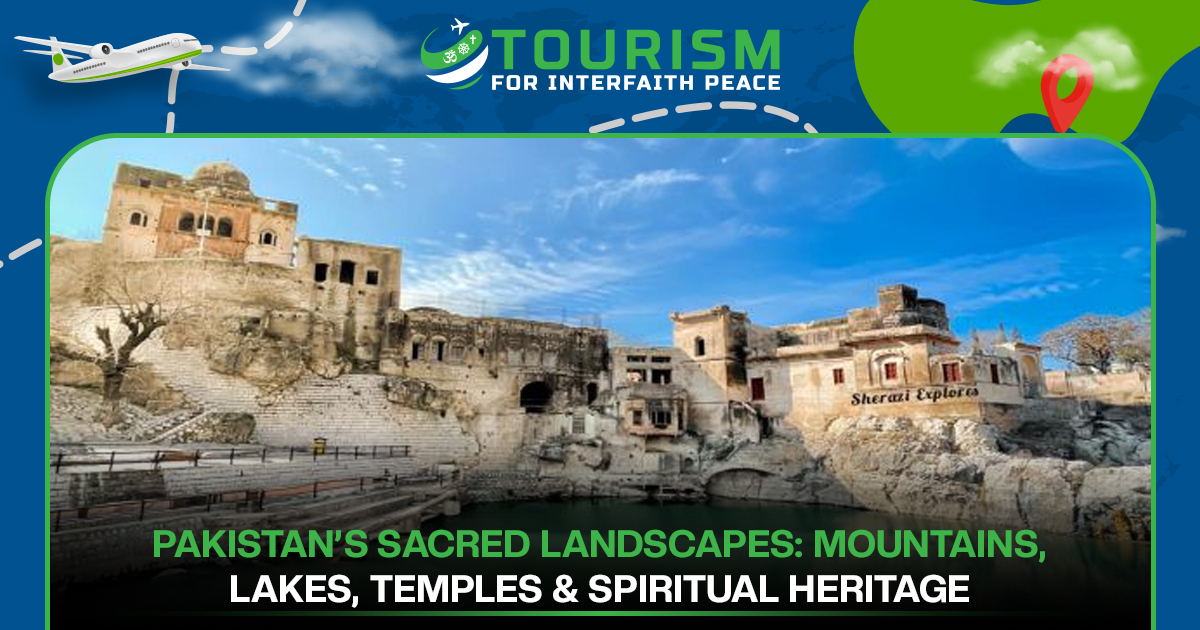
One of Pakistan’s most well-known Hindu religious sites is the Katas Raj Temples, which are situated in the Salt Range close to Chakwal. The complex is made up of a number of ancient temples grouped around Katas, a holy pond.
In Hindu beliefs, the pond has religious importance and is strongly linked to Lord Shiva’s mythology. The complex is a popular site for pilgrims, historians, and cultural tourists since the neighboring temples showcase many eras of Hindu religious and architectural history.
Explore the temple buildings, take in the architectural intricacies, and discover the customs associated with the hallowed pond. The location serves as an example of how water, architecture, and religious belief can coexist in a historic setting.
For travellers interested in exploring more Hindu pilgrimage destinations, TIP provides a guide to Hindu temples in Pakistan.
Hingol National Park: Mountains, Caves and Hindu Pilgrimage
Hingol National Park, which is situated in Balochistan along the Makran coast, is renowned for its mountains, distinctive rock formations, coastline scenery, and religious legacy. Hinglaj Mata Temple, a major Hindu pilgrimage site located in a mountain cave, is its most important spiritual monument.
The temple is acknowledged as a Shakti Peetha and is connected to the Hindu goddess Hinglaj Mata. Particularly during the yearly Hinglaj Yatra, pilgrims visit the location to take part in religious rites and ask for blessings.
The destination’s significance is increased by the surrounding scenery. The Hingol River, rocky mountains, and other natural features provide a unique backdrop for this historic site of devotion. Due to the temple’s isolated location and the potential need for local coordination for travel arrangements, visitors should carefully plan their trip.
TIP highlights the relationship between religious landmarks and their natural surroundings through its guide to visiting religious sites in Pakistan.
Sharda Valley: Buddhist Heritage in the Mountains of Kashmir
Sharda Valley in Azad Jammu and Kashmir’s Neelum Valley is known for its longstanding ties to education and religious customs. The area is significant to the region’s cultural legacy because of the remnants of Sharda Peeth, an old temple and hub of Sanskrit knowledge.
The location, which is close to the Neelum River in a mountainous area, illustrates the historical connection between geography, religious education, and pilgrimage. In Hindu customs, Sharda Peeth is especially important because of its connection to the goddess Saraswati.
The neighboring river basins and mountains offer a breathtaking backdrop for learning about the region’s past. However, before making travel plans, tourists should examine local travel guidelines and current access circumstances.
The site is also an example of how sacred architecture can preserve the memory of historic communities. TIP encourages visitors to discover these connections through its article on Pakistan’s religious heritage, history, and culture.
Sacred Lakes and Ponds: Water in Pakistan’s Spiritual Traditions
Numerous religious and cultural traditions place a high value on water. Certain ponds, springs, and lakes are connected to pilgrimages, sacred tales, and regional beliefs throughout Pakistan.
Some notable examples include:
- Katas Raj Pond, Chakwal: A sacred pond within the Katas Raj Hindu temple complex, associated with Hindu religious traditions.
- Bhrund Sacred Pond, Azad Jammu and Kashmir: A water-related heritage site included in the national heritage register.
- Hingol River, Balochistan: Part of the wider landscape surrounding Hinglaj Mata Temple, an important Hindu pilgrimage destination.
Differentiating between a lake that is naturally lovely and one that has a well-established religious connection is crucial. For instance, the love tale of Prince Saif-ul-Malook and a fairy princess is well-known in Kaghan Valley’s Saif-ul-Malook Lake. Although it has cultural significance, it shouldn’t be considered an official religious pilgrimage destination.
These places show how water can become part of a community’s spiritual identity and cultural memory. TIP explores the wider connection between sacred traditions and travel in its article on religious heritage and interfaith tourism in Pakistan.
Northern Mountains: Buddhist Heritage and Spiritual History
The spectacular peaks, valleys, and alpine lakes of Pakistan’s northern Himalayas are well known. Important evidence of prehistoric Buddhist societies and religious customs is also preserved by them.
While Buddhist rock carvings, inscriptions, and archeological artifacts can be found in Gilgit-Baltistan, the larger Gandhara region stretched into parts of modern-day Khyber Pakhtunkhwa.
Important destinations include:
Swat Valley: Butkara Stupa and other ancient Buddhist structures may be found in Swat, which was formerly a significant Buddhist center. Its hilly location offers background for comprehending how Buddhism expanded over the area.
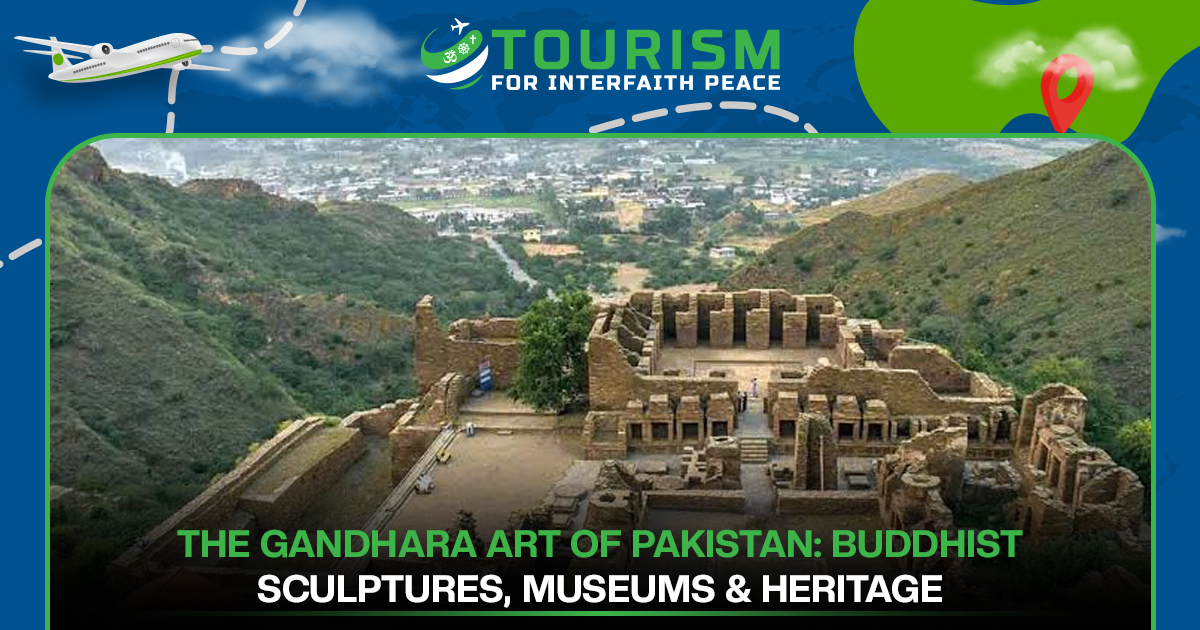
Taxila and its surrounding landscape: Taxila is crucial to comprehending Gandhara’s Buddhist legacy, despite being in Punjab rather than the northern Himalayan region. The interaction between religious communities and ancient settlements is revealed by its monasteries, stupas, and archeological remnants.
Manthal Buddha Rock, Skardu: This ancient rock carving of Buddha illustrates the existence of Buddhist artistic traditions in the area.
These locations are crucial for comprehending the spiritual and historical significance of Pakistan’s mountain areas without presuming that each peak or mountain is a place of religious pilgrimage. Visitors interested in this history can explore TIP’s guide to the Gandhara civilization in Pakistan.
Sufi Landscapes: Shrines, Hills and Spiritual Destinations
Sufi shrines that draw followers and tourists all year round are part of Pakistan’s spiritual topography. While some are tied to rural communities and unique natural settings, many are located in historic cities.
Some notable destinations include:
- Data Darbar, Lahore: Associated with Ali Hujwiri, a prominent Sufi scholar and saint.
- Shrine of Shah Rukn-e-Alam, Multan: Recognised for its distinctive architecture and importance in the city’s Sufi heritage.
- Shrine of Lal Shahbaz Qalandar, Sehwan Sharif: A major spiritual destination associated with the celebrated Sufi saint.
- Shrine of Baba Farid, Pakpattan: An important centre of devotion connected with the Chishti Sufi tradition.
These locations show how Pakistan’s towns, cities, and cultural landscapes have been influenced by spiritual traditions. In addition to observing regional devotional customs and learning about the teachings of Sufi saints, visitors can take in the architectural beauty of ancient shrines.
TIP’s article on Sufi shrines and spiritual heritage in Pakistan provides further information for travellers interested in these destinations.
Planning a Journey Through Pakistan’s Sacred Landscapes
In Pakistan, visiting sites of worship necessitates preparation, especially if they are in isolated mountainous areas or have special religious access regulations.
Before travelling, consider the following:
- Research religious significance: Understand the history and traditions associated with each destination.
- Check accessibility: Confirm road conditions, seasonal closures, opening hours, and site-specific visitor arrangements.
- Arrange local guidance: Experienced guides can explain cultural traditions and help coordinate visits.
- Respect religious customs: Dress appropriately, follow site instructions, and avoid disturbing worshippers.
- Plan transportation: Remote destinations such as Hinglaj Mata Temple require careful transport and accommodation planning.
- Protect natural surroundings: Avoid littering, damaging archaeological remains, or disturbing wildlife.
- Confirm travel requirements: International visitors should check visa conditions and any additional permissions that may apply.
A more comprehensive grasp of Pakistan’s cultural identity can be obtained by taking a trip that includes temples, ancient sanctuaries, mountain history, and holy waterways. TIP supports this approach through its guide to planning a religious pilgrimage trip to Pakistan.
Conclusion
Pakistan’s hallowed landscapes combine millennia of cultural history, religious customs, and scenic beauty. These locations demonstrate the nation’s varied spiritual legacy, from the holy pond and temples of Katas Raj to Hinglaj Mata Temple, Sharda Peeth, Buddhist ruins in the north, and the Sufi shrines in Punjab and Sindh.
Responsible exploration of these locations can promote cultural interchange, aid in the preservation of cultural assets, and improve intercommunity understanding. Travel that connects tourists with Pakistan’s sacred landscapes while honoring the customs, beliefs, and natural surroundings that make them important is encouraged by Tourism for Interfaith Peace (TIP).
FAQ
1. What are Pakistan’s most sacred places?
Sharda Peeth in Azad Jammu and Kashmir, Gurdwara Panja Sahib in Hasan Abdal, Katas Raj Temples in Chakwal, Hinglaj Mata Temple in Balochistan, and significant Sufi shrines in Lahore, Multan, and Sehwan are all notable places of worship.
2. Which mountains and lakes have religious significance?
Bhrund Sacred Pond is recognized as a heritage site in Azad Jammu and Kashmir, whereas Katas Raj Pond is a significant sacred body of water inside a Hindu temple complex. Hinglaj Mata Temple is connected to the mountainous terrain of Hingol. The historic Sharda Peeth site is situated within the mountains of Sharda Valley.
3. Where can tourists explore Hindu sacred landscapes in Pakistan?
Subject to entry arrangements, tourists can explore the Hinglaj Mata Temple in Balochistan, the Katas Raj Temples in Chakwal, and other old Hindu temples in Sindh and Punjab.
4. Is Sharda Peeth a religious pilgrimage site?
Indeed. A significant historical Hindu holy site, Sharda Peeth was formerly a hub for Sanskrit study and is connected to the goddess Saraswati.
5. Are Pakistan’s sacred lakes open to tourists?
The site and its management arrangements determine access. In addition to adhering to any environmental or religious limitations, visitors should verify local access requirements.
6. Can international tourists visit sacred places in Pakistan?
Yes. International visitors can explore many religious and heritage destinations, subject to valid visa requirements, site-specific access rules, and any additional permissions.
7. What is the best way to explore Pakistan’s spiritual destinations?
Travelers should arrange experienced local guides, organize their travels based on geographic location, verify accessibility, and become familiar with the local religious traditions.