Some of the most important religious and historical sites in the world may be found in Pakistan. The nation offers significant chances for spiritual and cultural study, from ancient Buddhist monasteries and Sikh gurdwaras to Hindu temples, Christian heritage sites, and ancient Islamic shrines.
Traveling to these locations takes careful planning for pilgrims from other countries, especially when it comes to booking lodging, transportation, travel documents, and local advice. A well-planned religious pilgrimage in Pakistan can enhance the experience’s comfort, significance, and fulfillment.
Tourism for Interfaith Peace (TIP) stresses the significance of making Pakistan’s rich religious heritage accessible to tourists through its dedication to religious tourism, cultural understanding, and interfaith harmony.
Understanding Religious Pilgrimage Opportunities in Pakistan
Centuries of spiritual customs and cross-cultural exchange are reflected in Pakistan’s religious legacy. Sacred sites connected to significant religious communities can be found in many places.
Some notable pilgrimage destinations include:
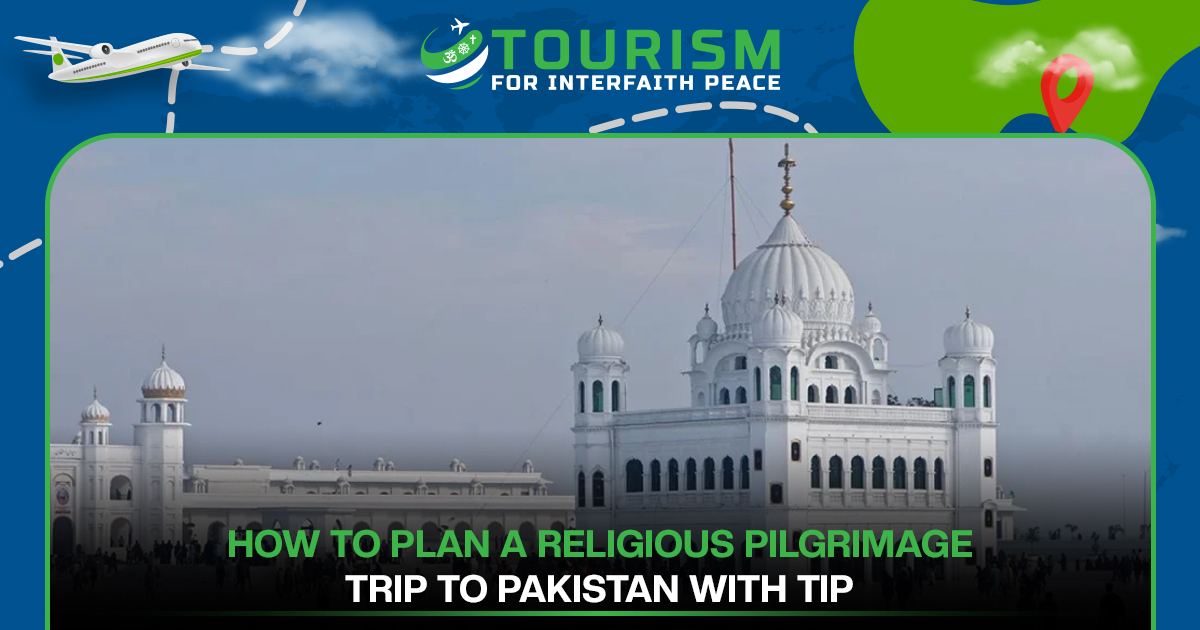
- Sikh Heritage: Gurdwara Janam Asthan in Nankana Sahib, Gurdwara Panja Sahib in Hasan Abdal, and Gurdwara Darbar Sahib in Kartarpur.
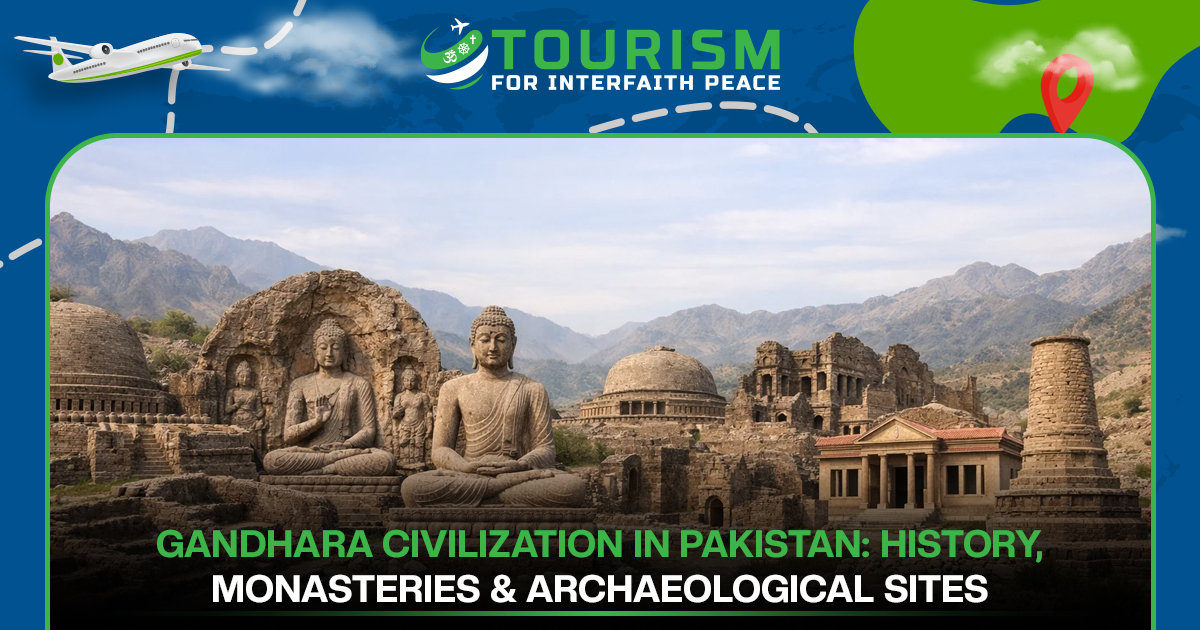
- Buddhist Heritage: Archeological sites around Swat, including Taxila and Takht-i-Bahi.
- Hindu Heritage: Hinglaj Mata Temple in Balochistan and Katas Raj Temples in Punjab.
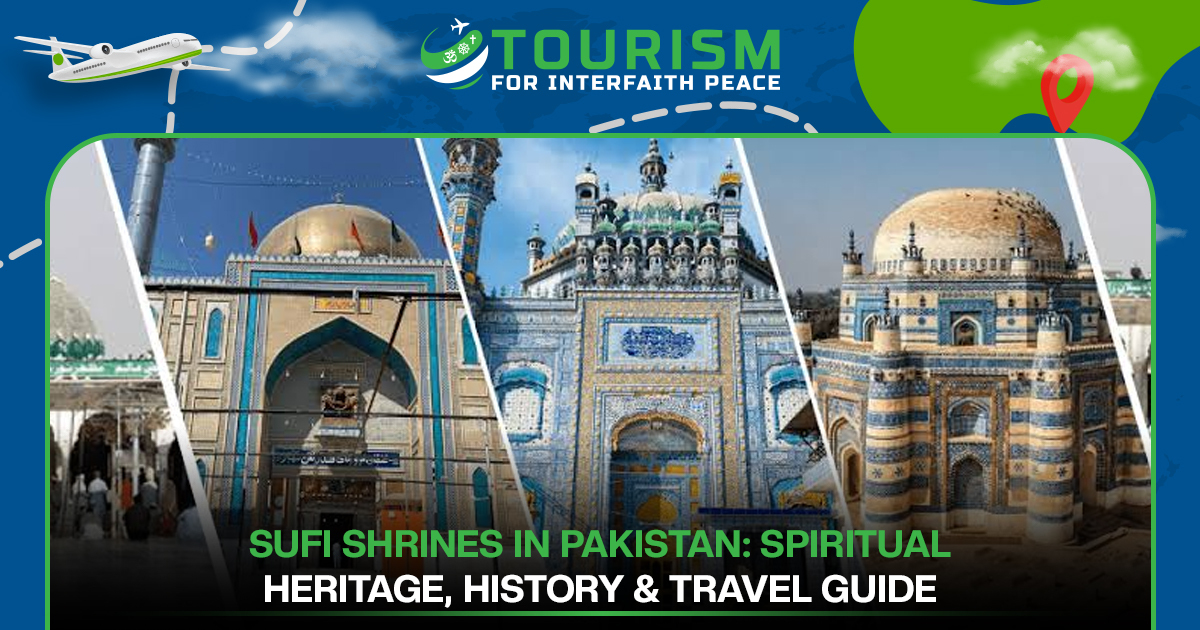
- Islamic Heritage: Lal Shahbaz Qalandar in Sehwan, the temples of Multan, and Data Darbar in Lahore.
- Christian Heritage: Landmarks of Christian heritage and historic churches can be found in Lahore and other locations.
The first step in organizing a successful pilgrimage journey is determining the historical and religious sites you wish to visit.
Steps to Plan a Religious Pilgrimage Trip to Pakistan
A number of crucial choices must be made while planning an international pilgrimage. By using a methodical approach, visitors can steer clear of needless hassles.
Select Your Pilgrimage Destinations
Choose the holy locations that align with your trip goals and religious preferences. Take into account their locations, accessibility, historical significance, and visitation need.
Also Read: Gandhara Civilization in Pakistan: History, Monasteries & Archaeological Sites
For example, Sikh pilgrims could prioritize Kartarpur and Nankana Sahib, while Buddhist historical visitors might focus on Taxila, Swat, and Takht-i-Bahi.
Selecting nearby locations can reduce travel times and simplify transit arrangements.
Prepare Your Travel Documents
When planning an international pilgrimage, documentation is crucial. Before confirming their plans, travelers should verify Pakistan’s current entrance restrictions.
A basic pilgrimage checklist may include:
- Valid passport with sufficient remaining validity.
- Documentation is essential while organizing a pilgrimage abroad. Travelers should confirm Pakistan’s current entry restrictions before finalizing their plans.
- Recent passport-sized photographs, if requested.
- Confirmed accommodation and travel details.
- Return or onward travel information, where applicable.
- If necessary for the applicable visa category, invitation letters or supporting documentation.
- Additional permits or approvals for restricted or specially regulated destinations.
Depending on the pilgrimage destination, visa category, and nationality, different requirements may apply. Before departing, tourists should speak with the official Pakistani immigration and visa authorities.
Develop a Practical Religious Travel Itinerary
A carefully thought-out religious travel schedule guaranties that guests have ample time to thoroughly explore each location without needless haste.
Consider the following sample itinerary for a heritage-focused journey:
| Day | Destination | Main Attraction |
| 1 | Islamabad | Arrival and orientation |
| 2 | Hasan Abdal | Gurdwara Panja Sahib |
| 3 | Nankana Sahib | Gurdwara Janam Asthan |
| 4 | Lahore | Gurdwara Dera Sahib and historic religious landmarks |
| 5 | Kartarpur | Gurdwara Darbar Sahib |
| 6 | Lahore | Religious heritage exploration |
| 7 | Departure | Return journey |
This itinerary serves as an example of Sikh heritage. It is possible to construct additional pilgrimage routes around locations with Buddhist, Hindu, Christian, or Islamic origins.
Arrange Accommodation and Transportation
Prior to your departure, lodging and transportation should be arranged, especially during significant religious holidays and pilgrimage seasons.
Travelers should consider:
- Hotels located near their planned destinations.
- Reliable private or group transportation.
- Accessibility for elderly pilgrims and visitors with mobility needs.
- Rest stops during long journeys.
- Accommodation availability during religious events.
- Emergency contacts and local assistance.
Take travel distances into consideration and give yourself enough time between visits if the destinations are spread across various provinces.
Arrange Knowledgeable Local Guides
The pilgrimage experience can be greatly enhanced by local guides. They aid tourists in comprehending the significance of religious sites in terms of history, architecture, and culture.
When arranging local guides, consider:
- Experience with religious heritage tourism.
- Knowledge of the destination’s history and traditions.
- Communication skills and language proficiency.
- Familiarity with local customs and visiting regulations.
- Ability to coordinate transportation and site visits.
Travelers can learn about the value of culturally sensitive advice when organizing trips to Pakistan’s various religious locations thanks to TIP’s emphasis on religious heritage and interfaith understanding. Prior your departure, confirm the availability of a particular guide and make any necessary arrangements.
Essential Pilgrimage Checklist Before Travelling
Making a checklist makes it easier to make sure that crucial travel preparations are finished before departure.
| Category | Important Requirements |
| Documents | Passport, visa, photographs, permits |
| Accommodation | Confirmed hotel reservations |
| Transportation | Airport transfers and intercity travel |
| Health | Personal medication and travel insurance |
| Clothing | Modest and weather-appropriate clothing |
| Communication | Local contacts and emergency numbers |
| Site information | Visiting hours and access requirements |
Maintaining both hard and digital versions of crucial documents might also facilitate foreign travel.
Respecting Religious Customs and Local Traditions
Religious landmarks in Pakistan are both historical sites and active houses of worship. They should be treated with respect and cultural awareness by visitors.
A few important guidelines include:
- Dress modestly and follow the dress requirements of individual sites.
- Remove footwear where requested.
- Respect prayer times and religious ceremonies.
- Ask permission before photographing worshippers.
- Follow instructions from site administrators and security personnel.
- Avoid disturbing religious activities or restricted areas.
Positive relationships between tourists and local residents are facilitated by respectful behavior.
How Tourism for Interfaith Peace Supports Religious Heritage Tourism
Religious tourism is acknowledged by Tourism for Interfaith Peace (TIP) as a chance to advance intercultural understanding, protect historical sites, and foster linkages between communities.
TIP encourages a tourist strategy that prioritizes historical understanding, respect for one another, and amicable cross-cultural interaction by showcasing Pakistan’s rich religious legacy.
Its broader vision aligns with important priorities such as:
- Promoting Pakistan’s religious and cultural destinations internationally.
- Encouraging respectful interaction between different religious communities.
- Raising awareness about heritage preservation.
- Supporting sustainable and responsible tourism.
- Highlighting the importance of religious tourism in community development.
To find out more about TIP’s programs and accessible advice for their pilgrimage preparations, visitors who are interested in learning more about Pakistan’s religious legacy can get in touch with the organization.
Conclusion
There is more to organizing a religious pilgrimage than just choosing locations. A successful trip depends on having the right paperwork, comfortable lodging, dependable transportation, informed guides, and cultural sensitivity.
Visitors can learn more about various groups and their history while exploring centuries of spiritual traditions thanks to Pakistan’s rich religious legacy.
Tourism for Interfaith Peace (TIP) emphasizes the importance of responsible religious travel through its dedication to interfaith cooperation and cultural preservation. A well-planned pilgrimage can become more than just a trip to hallowed locations; it can be a chance to discover common ancestry, foster respect for one another, and create deep cross-cultural ties.
Frequently Asked Questions
- How do I plan a pilgrimage to Pakistan?
Choose your religious sites, make sure you have the necessary visas, prepare your trip paperwork, and make arrangements for lodging, transportation, and local guides. Create a workable schedule that allots enough time for each location.
- What documents should pilgrims prepare?
In general, pilgrims should have a current passport, the proper visa or entry authorization, any necessary photos, information on their accommodations, and any necessary supporting documentation or permits. The requirements vary depending on the location and nationality.
- How can I arrange local guides?
Travelers can get in touch with reputable travel agencies, authorized tour companies, or regional historical guides. Verify their background, linguistic proficiency, historical understanding, and familiarity with the requirements of sacred sites.
- What is the best time to visit religious sites in Pakistan?
In general, October through March is a good time to visit a lot of places. Pilgrims who attend certain religious festivals, however, should make plans based on the pertinent dates and local circumstances.
- Can international pilgrims visit different religious sites in Pakistan?
Indeed. International tourists are welcome at many religious and historical sites, subject to site rules, security measures, and any necessary admission restrictions.