Pakistan has a great religious and cultural heritage, including old Buddhist monasteries, historic Hindu temples, Sikh gurdwaras, Christian churches, and Sufi shrines. Travelers interested in history, architecture, spirituality, and intercultural exchange are drawn to these places. The opportunity to visit religious sites in Pakistan offers foreign tourists a crucial way to become familiar with the country’s rich past and build relationships with its citizens.
However, picking locations is just one part of visiting places of worship. Foreign tourists should be informed about local customs, transportation options, site-specific access restrictions, and visa requirements before departure. With careful preparation and guidance, religious tourism may be a courteous and educational experience for international tourists. Tourism for Religious Peace (TIP) supports travel that fosters religious concord and cross-cultural understanding.
Explore Pakistan’s Diverse Religious Heritage
Pakistan’s religious legacy permeates all of its provinces, providing visitors from other countries with the chance to visit locations connected to various religions and eras.
Some notable destinations include:
| Religious heritage | Notable destinations | Location |
| Sikh heritage | Gurdwara Janam Asthan, Gurdwara Panja Sahib | Nankana Sahib, Hasan Abdal |
| Buddhist heritage | Taxila, Takht-i-Bahi, Buddhist sites in Swat | Punjab and Khyber Pakhtunkhwa |
| Hindu heritage | Katas Raj Temples, Hinglaj Mata Temple, Sadh Belo | Punjab, Balochistan and Sindh |
| Christian heritage | Cathedral Church of the Resurrection, Sacred Heart Cathedral | Lahore |
| Sufi heritage | Data Darbar, Shrine of Lal Shahbaz Qalandar | Lahore, Sehwan |
Each destination offers a different perspective on Pakistan’s spiritual and cultural history. Visitors interested in Sikh pilgrimage can explore Sikh pilgrimage destinations in Pakistan, while those interested in Buddhist history can discover the region’s ancient monasteries and archaeological remains.
Understand Pakistan’s Visa and Entry Requirements
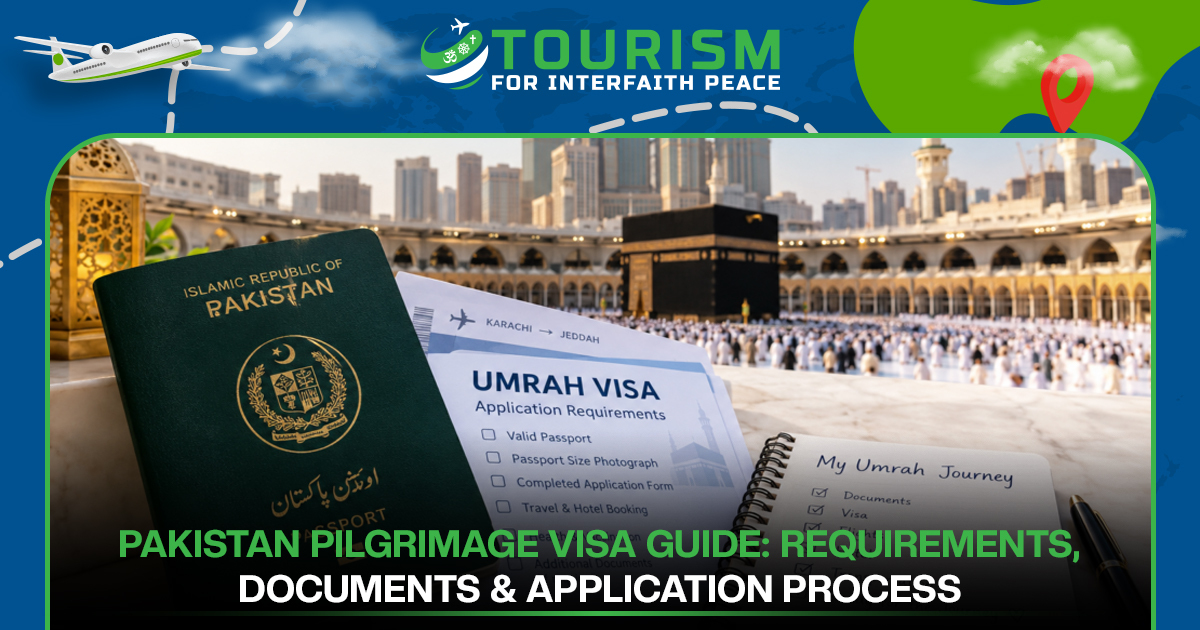
Before leaving, foreign travelers should confirm the visa requirements specific to their country and intended destination. Pakistan offers a range of visa categories, including options for travel for tourism and religious purposes. The Directorate General of Immigration and Passports classifies pilgrims as religious tourists, including Sikhs and Hindus.
Most international visitors should prepare the following documents, depending on their visa category:
- A valid passport.
- A recent passport-sized photograph.
- A completed visa application.
- Travel itinerary and accommodation details, where required.
- Sponsorship or invitation letters, if applicable.
- Proof of legal residence for certain third-country applicants.
Applications and supporting documents should be submitted through the official Pakistan Online Visa System or the relevant Pakistani diplomatic mission, according to the applicant’s circumstances.
Acceptance of a visa does not necessarily assure access to all places of worship. Travelers should check any restrictions specific to their trip and confirm the requirements of their visa before finalizing their itinerary. For a detailed explanation of documents and application procedures, read TIP’s Pakistan pilgrimage visa guide.
Are Special Permits Required to Visit Religious Sites?
Not every religious or historical site in Pakistan requires a separate visitation permission. Many well-known heritage sites can be visited with regular admissions procedures, while other locations may have additional security, administrative, or religious entry requirements.
For example, archeological sites may charge admission tickets, while active places of worship may regulate visitation hours or access to particular areas. Some locations may require prior communication with the relevant authorities or site administrators, especially those that are sensitive or far away.
Before travelling, international visitors should:
- Confirm whether the destination is open to foreign visitors.
- Check admission fees and visiting hours.
- Ask whether advance permission or registration is necessary.
- Confirm any security or photography restrictions.
- Follow instructions issued by site management and local authorities.
It is important to keep in mind that admission into Pakistan does not provide unrestricted access to all places of worship. For example, visiting a historic temple may require different preparations than attending a major pilgrimage event. Tourists interested in visiting Hindu temples in Pakistan should confirm access with the relevant custodians before travelling.
Arrange Guided Visits With Local Tourism Experts
Visitors from different nations may find it easier to explore holy sites with knowledgeable local guides. A guide can assist guests in understanding regional traditions, defining the religious importance of a place, outlining its historical background, and making useful preparations.
When selecting a guide or tour organiser, consider:
- Experience in religious and cultural heritage tourism.
- Knowledge of the destination’s history and traditions.
- Communication skills and language proficiency.
- Familiarity with local access procedures.
- Ability to coordinate transportation and site visits.
Travelers should also confirm the schedule, accommodations, transportation, availability of guides, and any additional costs before departing.
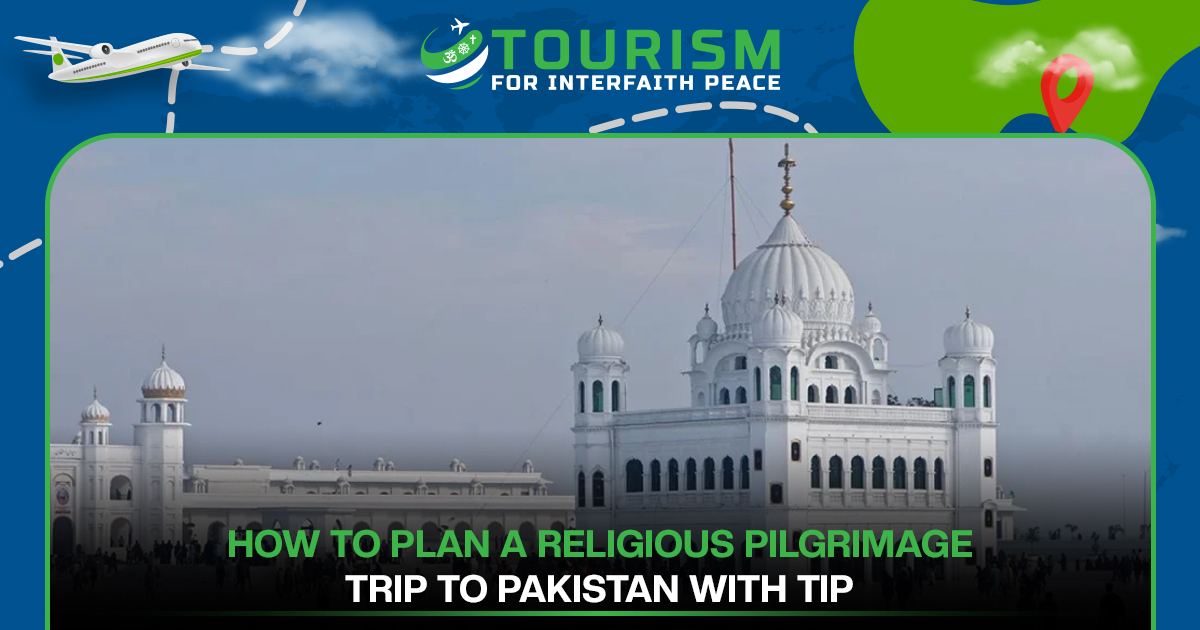
Tourism for Interfaith Peace (TIP) promotes religious heritage tourism through cultural sensitivity, responsible travel, and cooperation with relevant parties. Foreign guests may contact TIP to discuss their interests and make suitable travel arrangements. For further planning advice, read how to plan a religious pilgrimage trip to Pakistan with TIP.
Follow Religious Etiquette and Respect Local Customs
Many religious sites are still used as places of worship in Pakistan. Therefore, tourists should treat them with respect and cultural knowledge whether they are visiting a Buddhist archeological site, a medieval church, or a shrine.
Useful guidelines include:
- Wear modest and appropriate clothing.
- Remove footwear where requested.
- Cover your head when required by the site’s customs.
- Maintain silence or speak quietly during prayers.
- Ask permission before photographing worshippers.
- Avoid entering restricted areas without authorisation.
- Follow instructions from religious custodians and security staff.
Respectful conduct helps maintain the dignity of worshipers and makes visits more welcoming for all. It is crucial for tourists to remember that religious structures are more than just tourist attractions; the communities that support them place a high value on them. TIP encourages travellers to learn about these customs before visiting through its guide to respectful visits to Pakistan’s religious heritage sites.
Plan Your Itinerary Around Location and Accessibility
A proper timetable can shorten travel times and increase comfort because Pakistan’s sacred sites are scattered throughout the nation. Foreign visitors should consider site operating hours, traffic patterns, seasonal weather, geographic distances, and local security regulations.
For example, visitors to Islamabad may consider visiting Gurdwara Panja Sahib near Hasan Abdal. A more comprehensive itinerary for Punjab can include Nankana Sahib and the historic sacred places in Lahore. Travelers interested in Buddhist heritage may arrange trips to Taxila and other ancient sites in Gandhara.
Before departure, make arrangements for:
- Airport transfers and intercity transportation.
- Accommodation close to planned destinations.
- Sufficient time for each visit.
- Local communication and emergency contacts.
- Travel insurance and personal medication.
- Updated travel advisories and site-access information.
Travelers can discover Pakistan’s religious legacy without hurrying through significant locations with a well-planned itinerary.
How TIP Supports International Religious Tourism
Tourism for Interfaith Peace (TIP) recognizes religious tourism as an opportunity to promote mutual understanding, preserve cultural heritage, and build positive relationships across communities.
By focusing on interfaith collaboration and responsible tourism, TIP aims to help foreign visitors learn about Pakistan’s religious diversity and respect the traditions and histories associated with each place.
Its broader approach highlights:
- Promoting Pakistan’s religious and cultural destinations.
- Encouraging meaningful interaction between communities.
- Supporting awareness of heritage preservation.
- Promoting responsible and sustainable tourism.
- Highlighting tourism’s contribution to local communities.
International tourists interested in exploring Pakistan’s spiritual heritage can connect with TIP to discuss their travel interests and learn more about its initiatives.
Conclusion
Foreign travelers can visit Pakistan’s sacred sites by preparing the necessary travel documents, confirming site-specific access requirements, establishing reliable local assistance, and respecting religious customs. From ancient Buddhist ruins and Hindu temples to Sikh gurdwaras, Christian churches, and Sufi shrines, the country offers a multitude of opportunities for spiritual and cultural discovery.
In order to experience this heritage, Tourism for Interfaith Peace (TIP) encourages moral, polite, and informed travel. By uniting individuals with local communities, religious tourism can foster enduring interfaith collaboration, cultural understanding, and heritage preservation.
FAQ
1. Can foreigners visit religious sites in Pakistan?
Indeed. Many religious and historical sites in Pakistan are open to foreign visitors, subject to specific site-access regulations, appropriate travel papers, and visa requirements.
2. Are permits required to visit religious sites in Pakistan?
Not every time. Many sites require ordinary entry tickets, however some religious sites, pilgrimage events, or restricted regions may require prior authorization or cooperation with the relevant authorities.
3. How can international tourists arrange guided visits?
To negotiate itineraries, local guides, transportation, and site arrangements, travelers can get in touch with seasoned local tour operators or groups like Tourism for Interfaith Peace (TIP).
4. Which religious sites in Pakistan are popular among international tourists?
Taxila, Takht-i-Bahi, Gurdwara Panja Sahib, Nankana Sahib, Katas Raj Temples, Hinglaj Mata Temple, and old churches in Lahore are popular places to visit.
5. What visa should international tourists apply for?
The nationality and purpose of the passenger define the appropriate category. Visitors may need a tourist or religious tourism visa. To confirm the proper category, visit Pakistan’s official visa website or the relevant diplomatic post.
6. Can tourists visit active places of worship?
Yes, in areas where access for visitors is allowed. Visitors should observe the site caretakers’ instructions, check the visiting hours, and refrain from interfering with religious ceremonies.
7. Is it necessary to hire a local guide?
Local guides can help foreign visitors comprehend local customs, historical context, religious practices, and access arrangements, however they are not always necessary.
8. Can tourists take photographs inside religious sites?
Different rules apply to photography. Visitors should obtain permission before taking pictures, particularly in places of worship or while there are worshipers present. Additionally, they must follow any guidelines established by the site management.
9. What is the best way to plan a religious tourism itinerary in Pakistan?
Prior to departure, make arrangements for lodging and transportation, verify guide availability, check visa and access requirements, and select destinations based on location and travel time.
10. How does religious tourism benefit local communities?
Responsible religious tourism can assist local guides, travel agencies, hotels, artisans, and cultural preservation programs. It can also promote opportunities for intercultural dialog and deeper understanding.