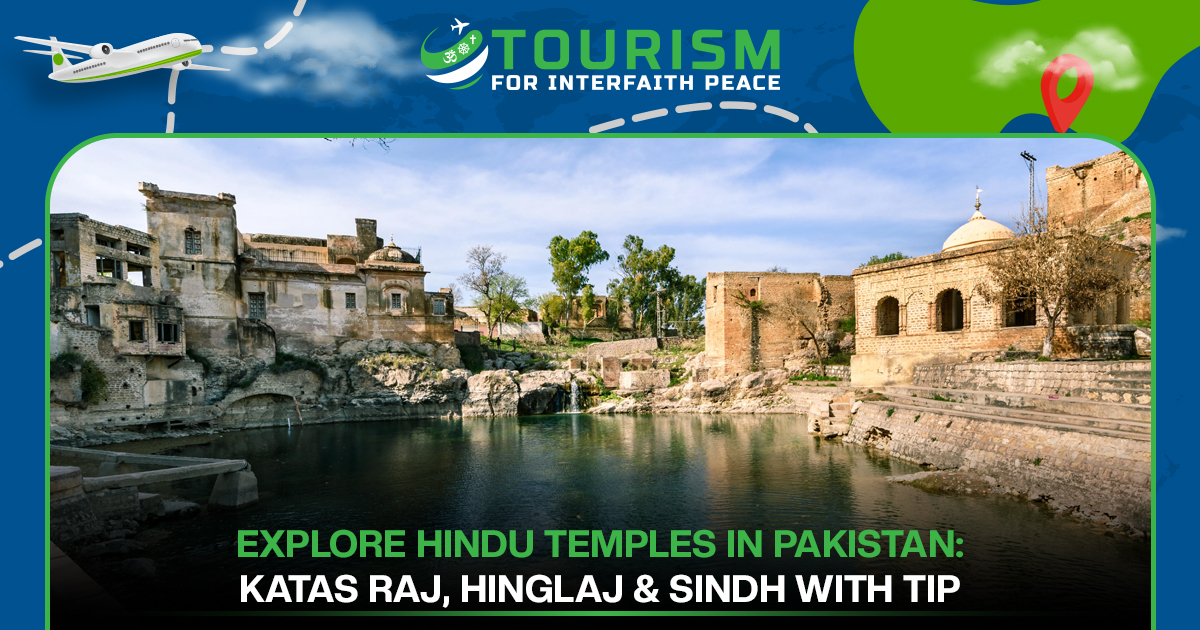
| Hindu temples in Pakistan that visitors can explore include the Katas Raj complex in Punjab, the Hinglaj Mata cave shrine in Balochistan and temples across Sindh, such as Sadh Belo near Sukkur and the Panchmukhi Hanuman Mandir in Karachi. Many are active places of worship, so confirm access and etiquette before you travel. |
Hindu temples in Pakistan are easy to overlook, yet some sit within reach of the M-2 Motorway and others on the Indus. Some are said to be over a thousand years old, others date to the nineteenth century, and many are still used for worship. As part of Pakistan’s diverse religious heritage, they deserve a place on the travel map beside Taxila and Nankana Sahib.
Katas Raj Temples: A Historic Hindu Heritage Complex
Where is Katas Raj Temple located? In Chakwal district, Punjab, near Choa Saidan Shah and the M-2 Motorway. The complex spreads around a sacred pond and includes the Satgraha group of seven temples and the remains of a Buddhist stupa. Dawn describes at least 1,500 years of layered history here, from the Buddhist era to British rule.
Hindu tradition holds that the pond formed from Shiva’s tears after the death of his wife Sati. That is a belief, not an archaeological finding, and it is why the site is revered. Alexander Cunningham, the first director general of the Archaeological Survey of India, ranked Katas Raj among the most sacred Hindu sites in Punjab. Each year the Evacuee Trust Property Board hosts the Maha Shivratri observance here.
Hinglaj Mata Temple: A Sacred Hindu Pilgrimage Destination
Hinglaj Mata Temple is a cave shrine in Lasbela district, Balochistan, inside Hingol National Park on the Hingol River. Devotees regard Hinglaj Mata as a form of the goddess Durga. Each April the four-day Hinglaj Yatra draws pilgrims in numbers usually reported at 250,000 or more, though counts vary by source. It is described as the largest Hindu pilgrimage in Pakistan.
Arab News reported that attendance has grown since the 653-kilometre Makran Coastal Highway, which links Karachi to Gwadar, made the journey easier. Pilgrims bathe in the river before approaching the shrine. The setting is remote, so plan carefully.
Exploring Hindu Temples and Heritage Sites Across Sindh
Which Hindu temples in Sindh can tourists visit? Two examples show the range. Sadh Belo sits on an island in the Indus between Sukkur and Rohri, and visitors reach it by boat. The ascetic Baba Bankhandi Maharaj, of the Udasi tradition, settled there in 1823, and temple construction followed in the late nineteenth century; sources give 1889 and 1899.
In Karachi, the Shri Panchmukhi Hanuman Mandir in Soldier Bazaar is protected under the Sindh Cultural Heritage (Preservation) Act 1994. Its age is disputed. Local tradition says about 1,500 years, while a Sindh heritage official quoted in Dawn put it near 150. That gap shows the importance of accurate historical information in religious heritage tourism.
| Site | Location | What to know |
|---|---|---|
| Katas Raj | Chakwal, Punjab | Temples around a sacred pond; Maha Shivratri observance |
| Hinglaj Mata | Lasbela, Balochistan | Cave shrine in Hingol National Park; April yatra; remote |
| Sadh Belo | Sukkur, Sindh | Indus island complex founded 1823; boat access |
| Panchmukhi Hanuman Mandir | Karachi, Sindh | Heritage-listed; age estimates differ |
Why Does Hindu Heritage Tourism Matter for Pakistan?
Visitors give custodians a reason to maintain buildings that would otherwise decay, and spending on guides and transport reaches local families. Pilgrims arriving from abroad for Maha Shivratri show another side of Pakistan’s tourism image. Tourism alone cannot protect heritage, since conservation also needs funding and legal protection. Still, standing in a place that matters deeply to someone else teaches respect better than a brochure can.
How Does Tourism for Interfaith Peace Promote Religious Heritage?
Tourism for Interfaith Peace (TIP) promotes peace and understanding through religious tourism. We publish guides like this one, point readers to official sources and ask travellers to treat every site as a living place of worship before a photo stop. We do not speak for any community. Temple custodians and worshippers do that, and their accounts come first.
Travel Tips for Exploring Hindu Heritage Sites in Pakistan
Practical preparation makes these visits easier for you and for the people who look after the sites.
- Check access first. Opening hours and permits change, so ask the Evacuee Trust Property Board, the provincial authority or temple custodians before you set out.
- Plan around festivals. Maha Shivratri at Katas Raj and the April Hinglaj Yatra are crowded, and arrangements differ from quiet days.
- Prepare for remote travel. Hinglaj lies inside a national park, so check current provincial advisories, carry water and travel with organised groups.
- Dress modestly and remove shoes where asked. Ask before photographing worshippers or inner shrines, and follow custodians’ instructions.
- Label tradition as tradition when you share what you learn.
Conclusion: A Shared Heritage Worth Protecting
Pakistan’s Hindu temples belong to a shared record, from a Salt Range pond to a desert cave shrine and an island in the Indus. Visiting with care, and telling their stories accurately, helps keep that record alive. To plan a respectful visit, explore TIP or write to info@tourismforinterfaithpeace.com.
Frequently Asked Questions
Which Hindu temples can tourists visit in Pakistan?
Well-known sites include Katas Raj in Chakwal, Hinglaj Mata in Lasbela, Sadh Belo near Sukkur and the Panchmukhi Hanuman Mandir in Karachi. Access varies, so confirm before travelling.
Where is Katas Raj Temple located?
In Chakwal district, Punjab, near Choa Saidan Shah and the M-2 Motorway.
What is the history of Hinglaj Mata Temple?
It is a cave shrine on the Hingol River in Hingol National Park, Lasbela. Accounts of its origins come mainly from Hindu tradition, and it is best known for its April pilgrimage.
What are the most important Hindu pilgrimage sites in Pakistan?
Katas Raj and Hinglaj Mata are the best known. The Hinglaj Yatra is described as the largest Hindu pilgrimage in the country.
How does religious heritage tourism promote interfaith peace?
It brings visitors into respectful contact with other communities’ sacred places and gives local people a reason to protect them. It works best when information is accurate and visitors follow local customs.