When people think of Pakistan, they often imagine majestic mountain ranges, ancient civilizations, vibrant bazaars, and rich Islamic heritage. Yet Pakistan’s cultural landscape is far more diverse than many international travelers realize. Across its cities and towns stand historic churches that tell stories of faith, resilience, community, and coexistence—stories that are deeply woven into the nation’s heritage.
From Gothic cathedrals and colonial-era churches to active places of worship that continue serving local communities today, churches in Pakistan offer visitors a unique opportunity to explore an often-overlooked dimension of the country’s identity.
For travelers interested in religious tourism, cultural heritage, architecture, or peacebuilding, these sacred spaces provide much more than historical information. They offer lessons about diversity, mutual respect, community engagement, and the enduring importance of dialogue across cultures and faith traditions.
Faith-based tourism has increasingly emerged as a powerful force for understanding and connection. By visiting religious sites, travelers gain firsthand insight into how different communities live, worship, preserve their heritage, and contribute to society. In Pakistan, churches serve as meaningful places where history, culture, spirituality, and interfaith understanding intersect.
Also Read: Exploring Hindu Temples in Pakistan: A Cultural and Spiritual Guide
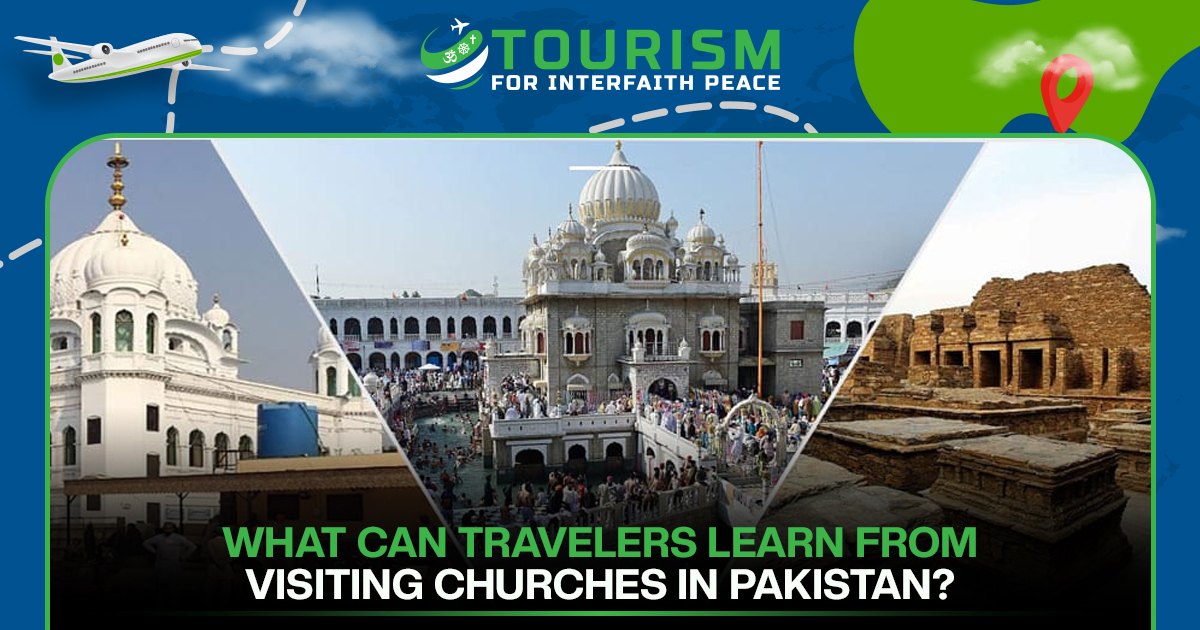
This raises an important question: What can travelers learn from visiting churches in Pakistan?
The answer extends beyond religion. It encompasses heritage, identity, coexistence, architecture, community resilience, and the role tourism can play in fostering peace.
What Can Travelers Learn from Visiting Churches in Pakistan?
Travelers visiting churches in Pakistan can learn about the country’s Christian heritage, religious diversity, architectural history, interfaith coexistence, and multicultural identity. These historic churches offer valuable insights into community resilience, shared cultural heritage, peaceful coexistence, and the role of faith tourism in promoting understanding and peace.
Understanding Christian Heritage in Pakistan
Historical Roots of Christianity in the Region
Christianity has a long history in South Asia, with communities present in various parts of the region for centuries. Modern church institutions in present-day Pakistan developed significantly during the nineteenth and early twentieth centuries, when educational institutions, hospitals, social welfare initiatives, and places of worship were established across major cities.
Today, Christian communities continue to contribute to Pakistan’s social, educational, healthcare, and cultural sectors, making Christianity an important part of the country’s diverse religious landscape.
Contributions of Christian Communities to Pakistan
Many travelers are surprised to learn about the significant role Christian communities have played in Pakistan’s development.
Christian institutions have contributed to:
- Education
- Healthcare
- Social welfare
- Community service
- Arts and culture
- Humanitarian work
Numerous schools, colleges, hospitals, and charitable organizations established by Christian communities have served people of all backgrounds and faiths.
Understanding this contribution allows visitors to appreciate Pakistan’s history through a broader and more inclusive lens.
Churches as Community Landmarks
Churches are more than religious buildings. They are community centers, historical landmarks, and cultural repositories.
For generations, these institutions have served as places where people gather not only for worship but also for education, social support, and community engagement.
Preserving Religious Heritage
The preservation of churches is essential for protecting Pakistan’s diverse cultural heritage.
Historic churches help future generations understand the country’s pluralistic history and remind visitors that cultural heritage belongs to everyone, regardless of faith.
More Than Places of Worship: Churches as Cultural Heritage Sites
Architectural Significance
One of the first things visitors notice about churches in Pakistan is their remarkable architecture.
Many churches reflect:
- Gothic Revival influences
- Victorian-era design
- Romanesque elements
- Neo-Gothic craftsmanship
- Local architectural adaptations
These structures demonstrate how global architectural traditions interacted with local materials, climates, and artistic influences.
Colonial-Era Heritage
Many historic churches were constructed during the colonial period and remain important examples of architectural heritage.
While their origins may reflect a particular historical era, today’s churches have become part of Pakistan’s national heritage landscape.
Visitors interested in history often find these buildings valuable for understanding social, political, and cultural developments over time.
Local Influences on Church Design
Churches in Pakistan are not simply replicas of European buildings.
Many feature adaptations that reflect local conditions, including:
- Indigenous construction materials
- Regional craftsmanship
- Local decorative elements
- Climate-sensitive design features
These influences create distinctive architectural identities that are uniquely Pakistani.
Historical Storytelling Through Sacred Architecture
Every church tells a story.
Through stained-glass windows, memorial plaques, stone carvings, altars, and architectural details, visitors can learn about the people, communities, and historical events that shaped the surrounding region.
Heritage Conservation Efforts
Preserving historic churches requires collaboration among communities, heritage organizations, conservation experts, and government institutions.
Visitors who explore these sites gain a deeper appreciation for the ongoing work involved in safeguarding cultural heritage for future generations.
Lessons in Religious Diversity and Coexistence
Respect for Different Faith Traditions
One of the most valuable lessons travelers gain from visiting churches in Pakistan is the importance of respecting diverse religious traditions.
Encountering different forms of worship encourages curiosity, understanding, and appreciation rather than assumptions or stereotypes.
Also Read: How Sikh Heritage Sites in Pakistan Promote Interfaith Understanding and Cultural Harmony
Shared Values Across Religions
While religious traditions differ, visitors often discover common values such as:
- Compassion
- Service
- Justice
- Charity
- Community support
- Human dignity
Recognizing these shared principles helps build bridges between people from different backgrounds.
The Importance of Peaceful Coexistence
Churches in Pakistan stand as visible reminders that diverse communities have long lived alongside one another.
For travelers, these sites offer practical examples of coexistence within multicultural societies.
Community Harmony in Diverse Societies
Religious diversity can strengthen societies when communities engage with mutual respect and understanding.
Visitors who explore churches alongside mosques, temples, gurdwaras, and other heritage sites gain a richer understanding of Pakistan’s social fabric.
Mutual Understanding and Nation-Building
Strong societies are built not only through economic development but also through social cohesion.
Churches demonstrate how minority communities contribute to national identity, culture, and progress.
What Travelers Can Learn About Pakistan’s Identity
Pakistan’s Multicultural Character
Many international visitors arrive with limited knowledge of Pakistan’s cultural diversity.
Churches reveal a broader picture of the nation—one that includes multiple faith traditions, languages, histories, and cultural experiences.
Hospitality and Inclusivity
Travelers frequently describe Pakistani hospitality as one of their most memorable experiences.
Church communities often reflect this spirit by welcoming visitors respectfully and sharing information about their heritage and traditions.
Community Resilience
Many churches represent stories of perseverance and resilience.
Communities have maintained these institutions across generations, preserving their traditions while continuing to contribute positively to society.
Contributions of Minority Communities
Understanding minority communities helps visitors appreciate the complexity and richness of national identity.
Churches serve as entry points for learning about these contributions in meaningful and respectful ways.
Looking Beyond Stereotypes
Perhaps one of the most important lessons is that firsthand experiences often challenge preconceived ideas.
Visiting churches enables travelers to encounter Pakistan’s diversity directly rather than relying on simplified narratives.
Interfaith Dialogue Through Tourism
Travel Creates Meaningful Conversations
Tourism often creates opportunities for dialogue that might not otherwise occur.
Conversations with local guides, community members, historians, and religious leaders can deepen understanding and foster genuine human connections.
Breaking Misconceptions Through Experience
Many misconceptions disappear when travelers engage directly with communities and heritage sites.
Experiencing religious diversity firsthand encourages more nuanced perspectives.
Building Empathy Through Cultural Exchange
Empathy grows when people learn about one another’s histories, traditions, and lived experiences.
Church visits often inspire reflection about shared humanity and common aspirations.
Tourism as a Bridge Between Communities
Responsible tourism can act as a bridge between cultures, creating opportunities for mutual learning and respect.
Faith tourism is particularly effective because it often encourages deeper engagement with local communities and values.
Architectural and Artistic Discoveries
Unique Church Architecture in Pakistan
Church architecture in Pakistan reflects multiple influences and historical periods.
Visitors may encounter:
- Gothic arches
- Bell towers
- Ornate facades
- Stained-glass artistry
- Historic wooden craftsmanship
These features offer valuable insights into architectural evolution and cultural exchange.
Historical Artifacts and Craftsmanship
Many churches preserve important artifacts, including:
- Historic memorials
- Religious manuscripts
- Liturgical objects
- Architectural details
- Community records
These items help document local and national history.
Religious Art and Symbolism
Church interiors often contain symbolic artistic elements that communicate stories, beliefs, and values.
Learning about these symbols enriches visitors’ understanding of religious traditions and cultural expression.
Preserving Sacred Spaces
Churches demonstrate how sacred spaces can serve both spiritual and cultural functions.
Their preservation benefits worshippers, historians, researchers, and travelers alike.
Personal Growth Through Faith Tourism
Reflection and Learning
Faith tourism encourages travelers to slow down and engage thoughtfully with their surroundings.
Church visits often inspire reflection about history, identity, values, and community.
Respect for Cultural Differences
Exposure to different traditions promotes openness and cultural sensitivity.
These experiences help travelers become more informed and respectful global citizens.
Appreciation for Diversity
Learning about religious diversity enriches travel experiences and broadens perspectives.
It reminds visitors that diversity is a source of strength rather than division.
Global Citizenship
In an increasingly interconnected world, understanding different cultures and faiths has become an essential aspect of global citizenship.
Spiritual and Educational Enrichment
Whether travelers are religious or not, visiting churches can provide meaningful educational and spiritual insights.
Notable Churches That Reflect Pakistan’s Heritage
Sacred Heart Cathedral
One of Pakistan’s most significant Catholic landmarks, Sacred Heart Cathedral is renowned for its impressive architecture, historical importance, and role within Lahore’s religious and cultural landscape.
Visitors can appreciate its architectural beauty while learning about the development of Christian communities in the region.
St. Patrick’s Cathedral
Among the most prominent churches in Pakistan, St. Patrick’s Cathedral is known for its grand structure, historical significance, and enduring contribution to Karachi’s heritage.
Its architecture and community history offer valuable insights into the city’s multicultural development.
Holy Trinity Cathedral
This historic cathedral reflects important aspects of colonial-era architecture and religious heritage.
Visitors interested in architectural history often find it particularly fascinating.
Cathedral Church of the Resurrection
Known for its distinctive design and historical relevance, this cathedral remains an important landmark within Lahore’s religious heritage landscape.
Other Historic Churches Across Pakistan
Additional churches in cities such as Rawalpindi, Peshawar, Quetta, and other regions contribute to the country’s rich heritage mosaic.
Together, they demonstrate the diversity and historical depth of Christian heritage in Pakistan.
How Responsible Travelers Can Engage Respectfully
Respect Local Customs
Every religious site has its own customs and traditions.
Visitors should observe and respect local practices.
Follow Site Guidelines
Always follow photography, access, and visitor guidelines provided by site administrators.
Dress Appropriately
Modest and respectful attire is generally appreciated when visiting religious sites.
Seek Cultural Understanding
Approach visits with curiosity and a willingness to learn rather than judge.
Support Heritage Preservation
Responsible tourism can contribute to conservation efforts through respectful visitation and support for heritage initiatives.
Engage Respectfully With Communities
Meaningful interactions are built on respect, listening, and cultural sensitivity.
Why Faith Tourism Supports Peacebuilding
Cultural Diplomacy
Faith tourism creates opportunities for people from different countries and cultures to connect through shared heritage.
Interfaith Understanding
Visiting diverse religious sites encourages dialogue and promotes mutual respect.
Community Engagement
Local communities often become active participants in sharing their stories and heritage with visitors.
Preserving Shared Heritage
Protecting religious heritage contributes to cultural continuity and collective memory.
Tourism as a Tool for Peace
When travelers engage thoughtfully with different cultures and faiths, tourism becomes more than recreation—it becomes a force for understanding and peacebuilding.
Key Takeaways
- Churches in Pakistan are important cultural, historical, and community landmarks.
- Visitors can learn about Christian heritage in Pakistan and the contributions of minority communities.
- Church architecture reflects unique blends of local and international influences.
- Faith tourism promotes interfaith understanding, empathy, and peaceful coexistence.
- Visiting churches helps travelers appreciate Pakistan’s multicultural identity.
- Responsible tourism supports heritage preservation and cultural dialogue.
- Churches offer valuable opportunities for education, reflection, and personal growth.
- Faith tourism can contribute meaningfully to peacebuilding and global understanding.
Conclusion
The question of what travelers can learn from visiting churches in Pakistan ultimately leads to a deeper understanding of people, culture, history, and coexistence.
These churches are far more than places of worship. They are living expressions of heritage, resilience, architectural achievement, and community contribution. They tell stories of diversity, shared history, and the ongoing importance of dialogue in a rapidly changing world.
For travelers seeking meaningful experiences, churches in Pakistan offer opportunities to learn about religious diversity, appreciate cultural heritage, engage respectfully with local communities, and challenge assumptions through firsthand encounters.
At Tourism Interfaith for Peace (TIP), we believe that travel has the power to build bridges where misunderstandings once existed. By exploring sacred spaces with curiosity, humility, and respect, travelers become participants in a larger journey—one that promotes understanding, preserves heritage, and advances peace through human connection.
As you explore Pakistan’s remarkable religious and cultural landscape, consider including its historic churches in your journey. You may discover not only beautiful architecture and fascinating history but also valuable lessons about coexistence, empathy, and our shared humanity.
Frequently Asked Questions
1. Why should travelers visit churches in Pakistan?
Churches offer insights into Pakistan’s Christian heritage, architecture, cultural diversity, and traditions of coexistence.
2. Are churches in Pakistan open to international visitors?
Many churches welcome respectful visitors, although access policies may vary depending on location and religious activities.
3. What can visitors learn from church architecture in Pakistan?
Visitors can learn about historical influences, local craftsmanship, heritage conservation, and architectural adaptation.
4. How does visiting churches support interfaith understanding?
It encourages cultural exchange, respectful dialogue, and appreciation for religious diversity.
5. What are some famous churches in Pakistan?
Notable examples include Sacred Heart Cathedral in Lahore, St. Patrick’s Cathedral in Karachi, Holy Trinity Cathedral, and the Cathedral Church of the Resurrection.
6. Is faith tourism growing in Pakistan?
Interest in religious and heritage tourism is increasing as travelers seek authentic cultural and educational experiences.
7. What should travelers wear when visiting churches?
Modest and respectful clothing is generally recommended.
8. How can tourists support heritage preservation?
By following site guidelines, respecting sacred spaces, supporting conservation initiatives, and promoting responsible tourism.
9. Are church visits only relevant for Christian travelers?
No. Churches can be valuable educational, cultural, historical, and architectural destinations for people of all backgrounds.
10. How does faith tourism contribute to peacebuilding?
It fosters dialogue, empathy, mutual respect, cultural understanding, and stronger connections between communities.