- Pakistan holds religious heritage across several traditions — Sikh, Hindu, Sufi, Buddhist, Christian, and Kalash — often treated as a historical footnote rather than a present-day tourism asset.
- Responsible religious heritage tourism depends on community involvement, protecting active worship spaces, and accurate storytelling, not just site access.
- Trust between visitors and host communities is the foundation that turns a site visit into genuine understanding.
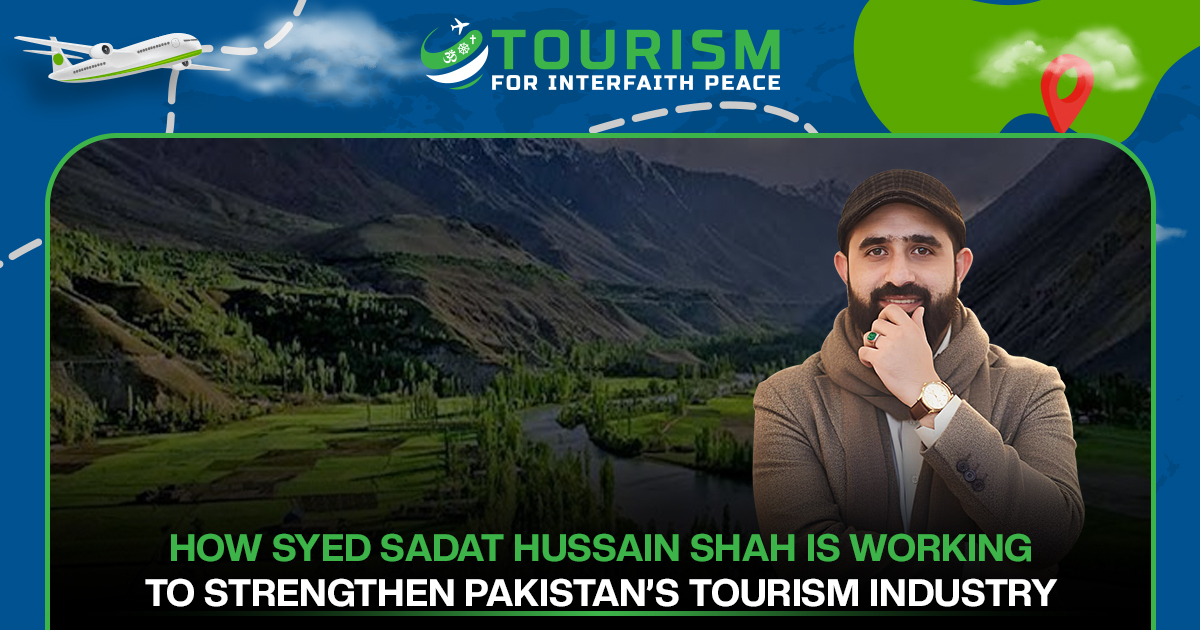
- Syed Sadat Hussain Shah serves as Chairman of Tourism for Interfaith Peace (TIP), an organization focused on using travel to build connection across faith communities.
A Layered Heritage Still Treated as a Footnote
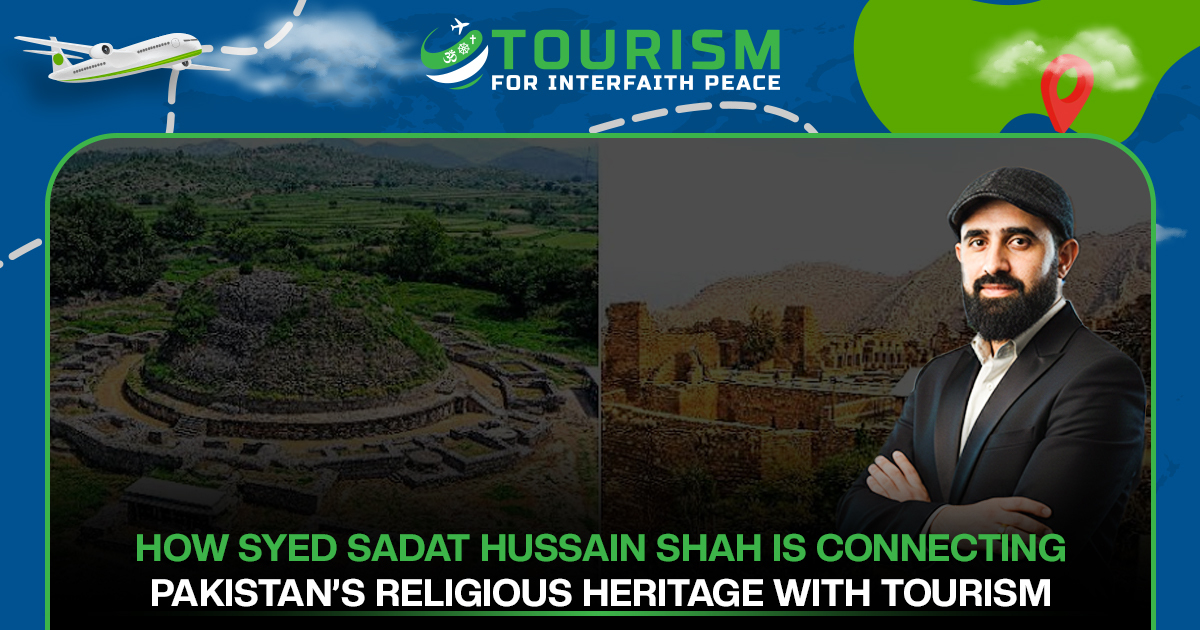
Pakistan’s religious landscape spans more traditions in close proximity than its tourism narrative usually reflects. The Kartarpur Corridor gives Sikh pilgrims direct access to one of their faith’s most significant sites. Hindu temples remain active across Sindh. Sufi shrines anchor daily life across Punjab. Buddhist archaeological remains at Taxila and in Swat point to a period when the region was a center of Buddhist learning. Living Christian and Kalash communities maintain their own festivals and customs today, as present-day practice rather than historical remnants.
Pakistan is also home to six UNESCO World Heritage Sites, including the Indus Valley ruins at Moenjodaro and the Lahore Fort and Shalamar Gardens complex — evidence of a depth of history that tourism planning has often treated as background detail rather than a primary reason to visit.
What Responsible Religious Heritage Tourism Actually Requires
Turning that heritage into meaningful tourism, rather than a checklist of photo stops, depends on how it is presented and who is involved in presenting it.
Community involvement over outside narration
A shrine, temple, or gurdwara is represented most accurately when the community that maintains it helps shape how visitors experience it — what gets explained, what stays private, and who does the explaining. Guides drawn from the local community add context an outside operator cannot.
Protecting active worship spaces
Responsible tourism at a religious site means scheduling visits around its actual religious use, not around visitor convenience, and being clear with travelers about which spaces are open to outsiders and which are not.
Storytelling that respects the site
Interpretation works best when it explains a tradition’s significance to the people who practice it, rather than reducing it to an aesthetic backdrop. This is less about comparing beliefs and more about context: why a place matters, to whom, and how it continues to be used today.
Trust Is the Foundation Interfaith Tourism Depends On
None of this works without trust, on both sides of the encounter. A visitor needs confidence that a site will treat them respectfully regardless of their own background. A host community needs confidence that hospitality will be met with respect rather than intrusion.
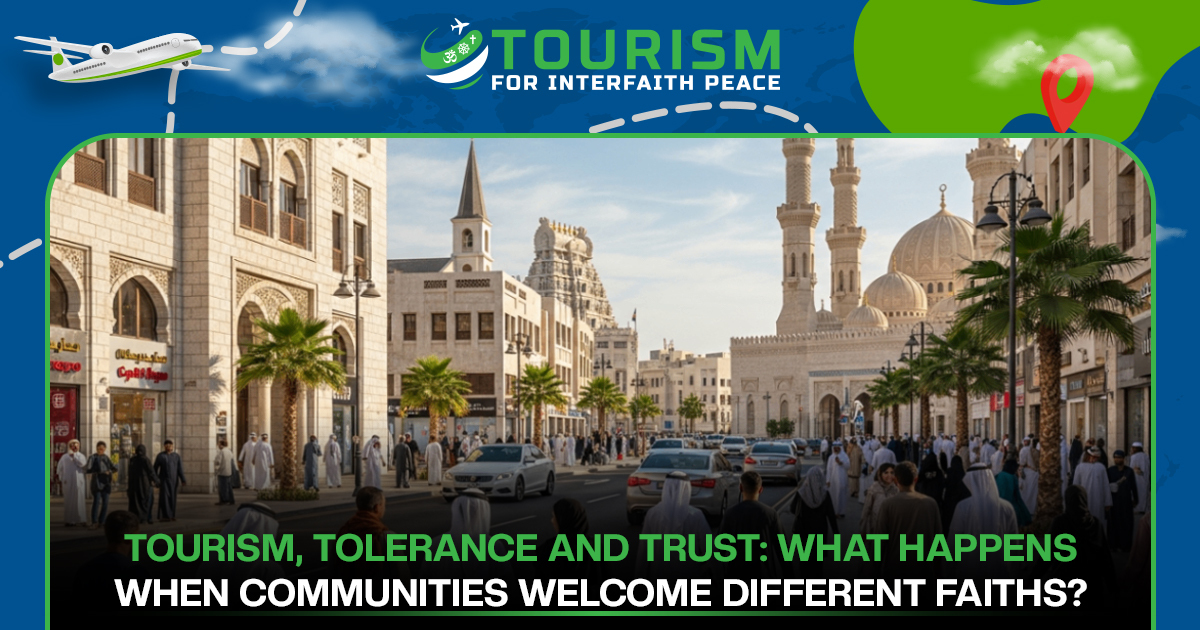
That exchange is examined directly in tourism, tolerance and trust: what happens when communities welcome different faiths, which looks at how repeated, respectful contact between visitors and communities builds tolerance more reliably than information alone. That dynamic sits close to what Tourism for Interfaith Peace, the organization Syed Sadat Hussain Shah Chairman Tourism For Interfaith and Peace, describes as its own mission: cultivating tourism experiences that build genuine connection across religious and cultural lines, rather than simply moving visitors through a list of sites.
Where Pakistan’s Tourism Sector Is Headed
Realizing this potential connects to a broader question about where Pakistani tourism is heading overall, whether growth gets measured only in visitor numbers, or in the depth of connection those visits create.
the future of tourism in pakistan: culture, community and connection examines this shift directly, arguing that the destinations most likely to last are the ones where communities are genuinely included in tourism’s benefits, not treated as scenery. For religious heritage tourism specifically, that means local caretakers, guides, and families near a shrine or temple sharing in the income tourism generates, and having a say in how their tradition is presented to outsiders.
Positioning Interfaith Heritage as a National Strength
Pakistan’s religious diversity is frequently framed as a matter of historical interest rather than a live tourism asset. Reframing it deliberately, with the people who belong to each tradition involved in how it’s shared, is what separates heritage tourism that builds understanding from heritage tourism that simply collects photographs.
As Chairman of an organization built around that premise, Syed Sadat Hussain Shah‘s stated focus on interfaith travel reflects an argument increasingly discussed in tourism circles more broadly: that respectful contact with religious diversity is not only ethically sound, it is also one of the more durable ways to build a destination visitors want to return to and recommend.
Frequently Asked Questions
What is religious heritage tourism?
Religious heritage tourism refers to travel focused on historic and active places of worship — shrines, temples, churches, and pilgrimage sites — approached with an interest in a tradition’s living significance, not only its architecture.
How can Pakistan grow religious heritage tourism responsibly?
By involving local communities and caretakers in how sites are presented, protecting active places of worship from disruption, and prioritizing accurate storytelling over generic sightseeing.
What role does trust play in interfaith tourism?
Trust determines whether a visit becomes a genuine exchange or stays a transaction. Visitors need confidence they will be received respectfully; host communities need confidence that hospitality will be reciprocated with respect.
Who leads Tourism for Interfaith Peace?
Syed Sadat Hussain Shah serves as Chairman of Tourism for Interfaith Peace (TIP), an organization focused on using travel to sacred and culturally significant sites to build understanding across faith communities.
Is religious tourism the same as pilgrimage?
Not exactly. Pilgrimage is travel undertaken specifically for religious observance, while religious heritage tourism can include pilgrims alongside visitors motivated by cultural or historical interest, and both groups benefit when a site is presented accurately and respectfully.
Conclusion: A Bridge, Not a Backdrop
Religious heritage doesn’t automatically become a source of connection just because it exists. It becomes one when communities are included in how it’s shared, when visits are structured around respect rather than convenience, and when trust is treated as something to be built deliberately rather than assumed. Pakistan’s Sikh, Hindu, Sufi, Buddhist, Christian, and Kalash heritage already provides the raw material for this kind of tourism. What determines whether that heritage becomes a bridge between communities, or stays a historical footnote in a travel brochure, is the work of building the trust, storytelling, and community involvement that turn a visit into something closer to an introduction.