Pakistan’s tourism future won’t be decided by how many people visit. It will be decided by what happens once they arrive — whether a trip becomes a transaction or a relationship between a visitor, a place, and the people who call it home. That shift, from counting arrivals to building connections, is the real story of where Pakistani tourism is heading.
Pakistan Has More Than Destinations to Offer
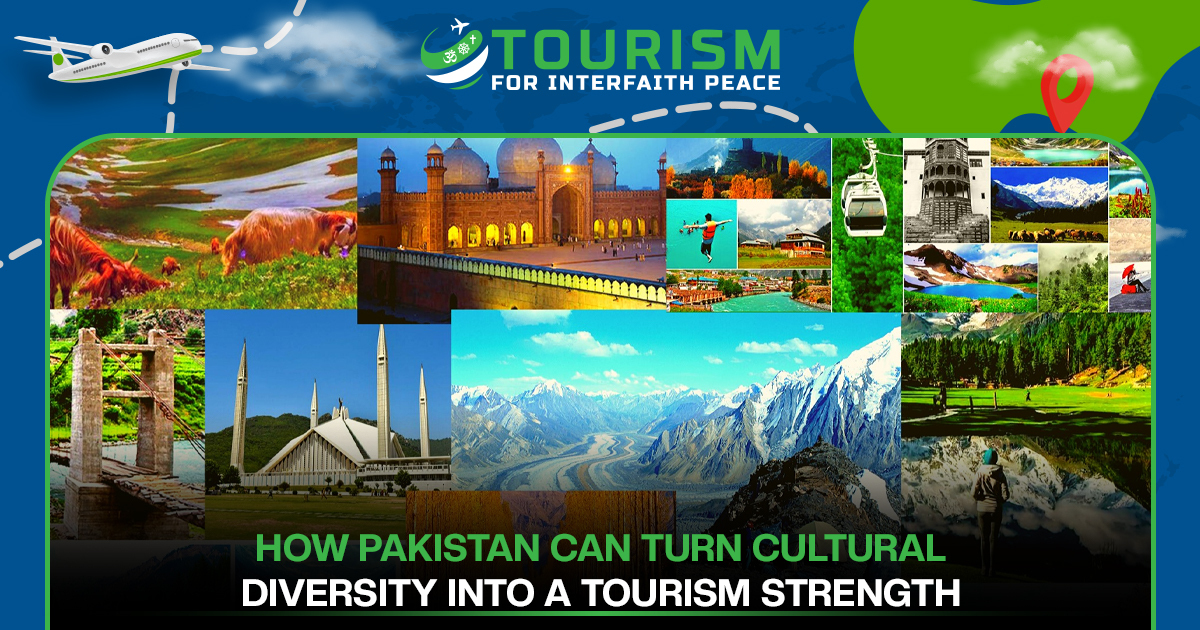
Most conversations about Pakistani tourism start with geography: northern valleys, coastal stretches, desert forts, ancient river plains. That’s a real strength, but it’s only half the picture. The country is also home to six UNESCO World Heritage Sites, from the Indus Valley ruins at Moenjodaro to the Mughal-era Fort and Shalamar Gardens in Lahore, alongside centuries of Buddhist, Sufi, Sikh, and Hindu heritage still visible in shrines, monasteries, and living traditions across the provinces. Landscapes, history, and communities aren’t separate attractions here — they’re interconnected, and treating them that way is what makes a destination memorable rather than just scenic.
From Visiting Places to Experiencing Culture
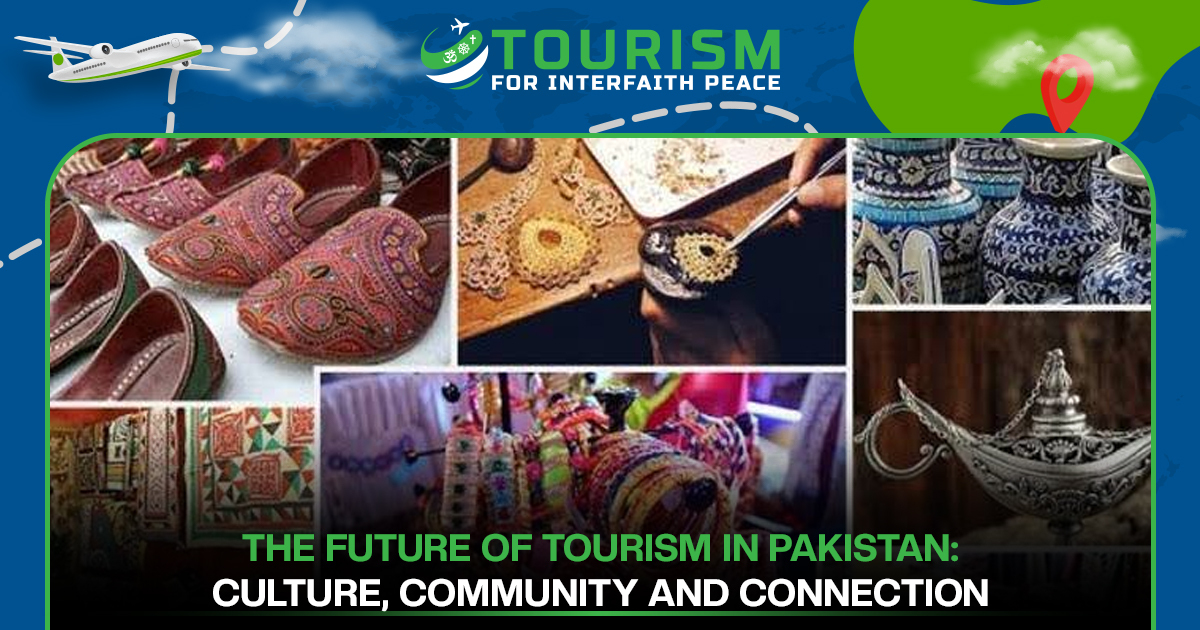
Travellers increasingly want to understand a place, not just photograph it. That means sitting down to a regional meal cooked the way a family actually cooks it, watching a craft passed down through generations, or hearing a local guide explain a shrine’s history the way it’s been told locally rather than the way a guidebook summarizes it. Cultural tourism matters in Pakistan because the country’s food, crafts, festivals, and oral storytelling traditions are still living practices, not museum pieces — which gives visitors something a checklist itinerary can’t replicate.
| Why Is Cultural Tourism Important in Pakistan?Cultural tourism matters because it connects visitors to living traditions — food, crafts, festivals, and storytelling — rather than static sights. It also channels tourism income directly toward the artisans, cooks, and guides who keep those traditions active. |
Communities Should Be at the Heart of Tourism
Responsible tourism works when the people living closest to a destination also benefit from it. That means local guides, homestay hosts, artisans, and small hospitality businesses getting a real share of tourism income, not just the largest operators. Communities benefit from tourism in Pakistan when they’re included as guides, hosts, and decision-makers, not treated only as scenery — a distinction that determines whether tourism strengthens a place or quietly extracts from it.
This is also where employment and local economies intersect most directly with tourism. A visitor who eats at a family-run restaurant, hires a local guide, and buys a handmade craft distributes value across several households in a way a large, self-contained resort often doesn’t. Community-based tourism isn’t a niche add-on — it’s one of the more durable models for making tourism growth feel like shared progress rather than something happening to a place instead of with it.
Building Tourism That Creates Long-Term Value
Infrastructure and accessibility matter, but they’re a means, not the goal. Roads, signage, and reliable transport reduce friction for visitors; they don’t by themselves make a destination worth visiting twice. The harder, more important work is environmental responsibility and preservation — protecting the rivers, forests, and heritage sites that draw people in the first place, so tourism growth doesn’t quietly erode the thing it depends on.
| What Is Sustainable Tourism?Sustainable tourism is development that gives at least as much back to a destination’s environment and communities as it takes — balancing visitor growth with preservation, local livelihoods, and long-term cultural and ecological health. |
Technology Is Changing How Pakistan Is Discovered
Search engines, social platforms, and AI-assisted travel research now shape a traveller’s first impression of Pakistan long before they book anything. That’s a real opportunity — authentic stories and firsthand accounts travel further than they used to. But digital discovery is only useful if it leads somewhere real. A striking photo or a well-written itinerary should be an invitation into a genuine experience, not a substitute for one.
The Future Is About Connection
Put culture, community, hospitality, and responsible development together, and a pattern emerges: the destinations that last are the ones where visitors leave having connected with a place, not just consumed it. That’s the lens Tourism for Interfaith Peace brings to this conversation — an interest in tourism that connects people across communities and traditions, and in destinations that grow stronger, not thinner, the more visitors they welcome.
What Comes Next
| What Is the Future of Tourism in Pakistan?It’s tourism built around authentic cultural experience, community participation, and responsible development — where infrastructure and digital discovery support genuine connection between visitors and places, rather than treating destinations as passive backdrops. |
Pakistan has the geography and the cultural depth to build a tourism sector that visitors want to return to and recommend. What it does with community involvement, preservation, and honest storytelling in the years ahead will decide whether that potential turns into something lasting.
Frequently Asked Questions
What is the future of tourism in Pakistan?
Tourism is built around authentic cultural experience, community participation, and responsible development, where digital discovery supports genuine on-ground connection rather than replacing it.
Why is cultural tourism important in Pakistan?
Because Pakistan’s food, crafts, festivals, and storytelling traditions are still living practices. Cultural tourism connects visitors to those traditions directly and channels income toward the people who sustain them.
How can communities benefit from tourism in Pakistan?
By being included as guides, hosts, artisans, and decision-makers rather than only as scenery — so tourism income is distributed locally rather than concentrated in large operators.