A visitor walks through a historic church, a gurdwara or a Buddhist ruin, then leaves. What stays behind depends on how that visit was planned and who was involved.
This article looks at the benefits of interfaith and heritage tourism for the people who live near these places, and at what has to be in place for those benefits to reach them.
How Heritage Tourism Benefits Local Communities
Local jobs
Sacred and historic sites need guides, interpreters, drivers, cooks, guesthouse staff and site support workers. This is how religious tourism creates local jobs: visitors need services, and residents are often best placed to provide them. How many jobs appear, and how stable they are, varies by site and season.
Small business growth
Visitors buy meals, rooms, rides, handicrafts and traditional products. Spending stays in the area when they buy from local sellers rather than outside suppliers. Religious tourism and local economic development connect through these everyday purchases.
Youth empowerment
Young people can train in hospitality, cultural interpretation, languages, first aid and small-business skills. Training works best when it leads to real work, so connect it with local guides, guesthouses and site custodians.
Women-led and community-owned enterprises
Where local custom and community wishes allow, women-led food stalls, craft groups and homestays can widen who earns from tourism. Community-owned models let residents set their own prices and rules. They begin with community consent, not with an outside plan.
Preserving Religious Heritage Through Responsible Tourism
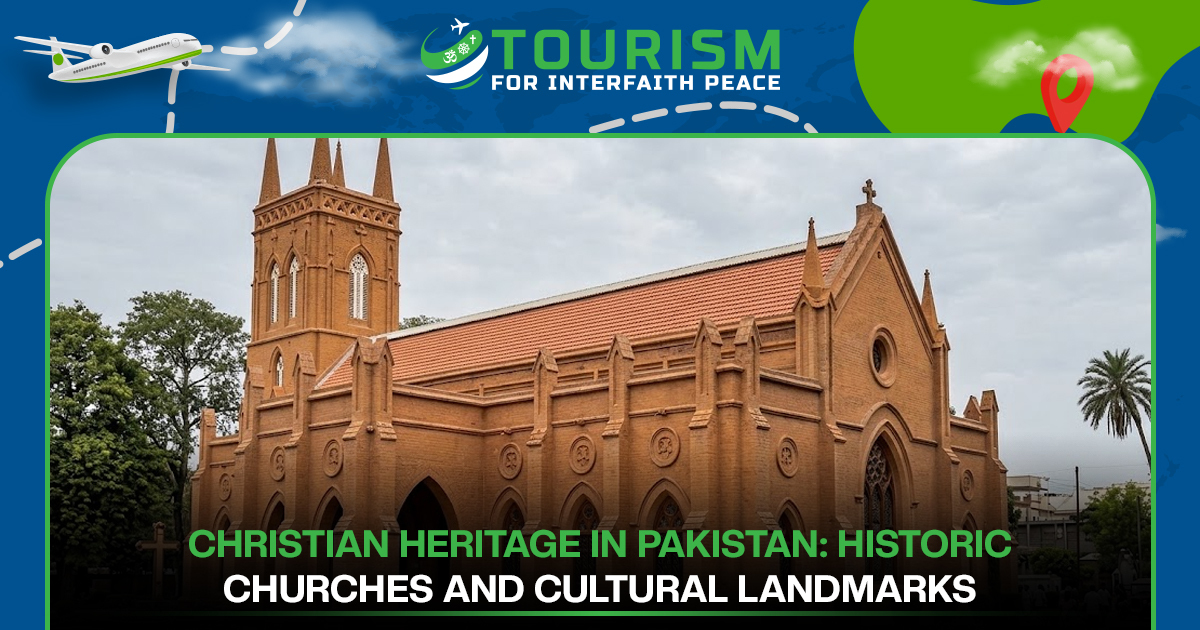
Visitor interest can support upkeep, but only if funds reach the people who care for a site. TIP’s article on Christian heritage in Pakistan and its historic churches makes the point plainly: conservation needs funding and care, and responsible tourism does not automatically guarantee income or preservation. It also notes that, in 2020, a Punjab minister drew attention to the condition of both Lahore cathedrals, as AsiaNews reported.
Protecting minority religious heritage deserves the same attention as protecting famous landmarks. Many of these buildings are active places of worship, and their custodians should be consulted before any visit.
Exploring Lesser-Known Places Across Pakistan
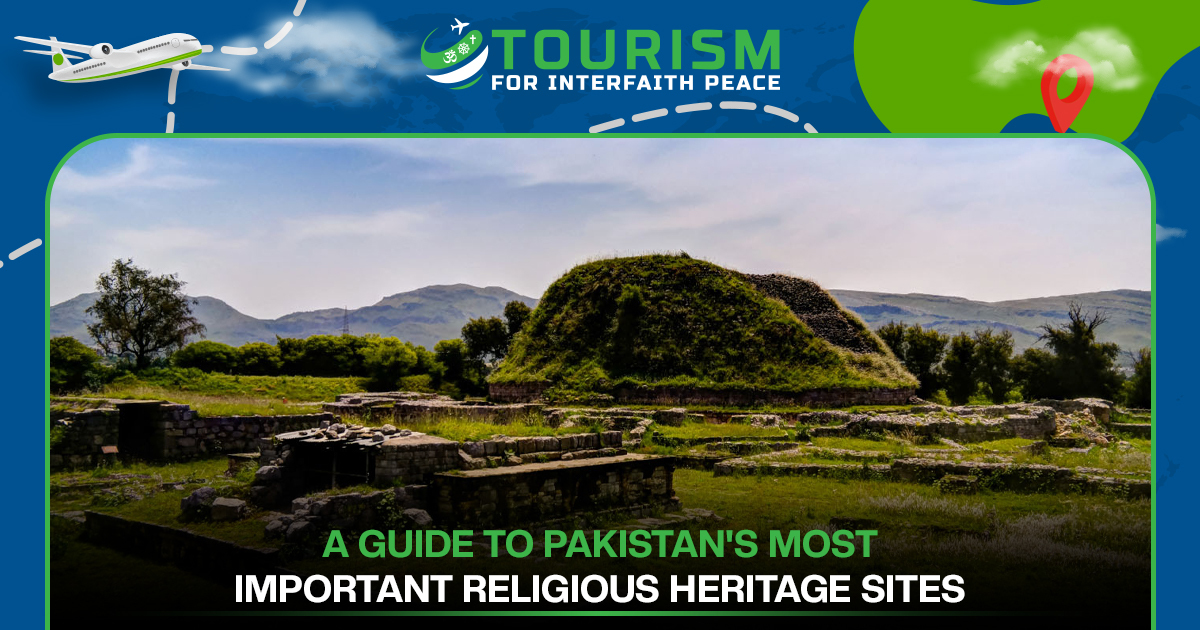
Pakistan’s religious heritage is varied. TIP’s guide to Pakistan’s most important religious heritage sites covers Taxila and Takht-i-Bahi, which UNESCO inscribed as World Heritage Sites in 1980, along with Nankana Sahib and Kartarpur, Katas Raj in Chakwal, Wazir Khan Mosque and Data Darbar in Lahore, and St Patrick’s Cathedral in Karachi.
Encouraging visitors to look beyond the best-known stop can spread spending to towns that see fewer travellers. Those towns first need practical basics: access roads, signage, clean facilities and safe places to stay.
Interfaith Tourism for Peace and Cultural Understanding
A conversation with a caretaker or guide can replace an assumption with a person. Shared food, craft and stories add to that. Tourism alone does not resolve deeper disagreements, but respectful encounters are a sound place to begin.
What Makes the Benefits Real
UN Tourism describes community-based tourism as tourism that engages and empowers residents and stays aligned with a community’s values, needs and aspirations, according to its summary of the 2024 community tourism roadmap. UNESCO’s World Heritage sustainable tourism material likewise calls for communities to be empowered and engaged in planning and managing tourism.
In practice, community-based tourism in Pakistan, as anywhere, depends on these conditions:
- Residents take part in planning and have a voice in decisions.
- Revenue is shared openly, and people can see where fees go.
- Roads, sanitation and safety suit the number of visitors.
- Visitor numbers are managed at sensitive or active worship sites.
- Religious custodians are consulted on access, dress and photography.
Without them, tourism can crowd out residents, raise local prices and disturb worship. Income can also be seasonal, and benefits can flow to outsiders. This article does not claim measured outcomes for any site or for TIP.
Practical Steps for Travellers, Operators and Policymakers
- Hire local guides and drivers.
- Buy locally made food and crafts at fair prices.
- Stay in locally owned guesthouses where available.
- Contact custodians or clergy before visiting, and follow their rules on dress, access and photography.
- Ask before photographing people or worship.
- Operators can publish how fees are shared. Policymakers can invest in access, sanitation and training.
Frequently Asked Questions
How does heritage tourism benefit local communities? It can create jobs, bring customers to local businesses, support site upkeep and give young people skills. The benefits depend on local participation and fair revenue sharing.
How does religious tourism create local jobs? Visitors need guides, drivers, meals, rooms and interpreters. Local residents can fill those roles, though numbers and stability vary by site and season.
What is community-based tourism? It is tourism planned and run with local residents, who have a say in decisions and share in the benefits.
How can visitors help preserve religious heritage? Follow site rules, respect worshippers, buy locally and treat custodians as partners.
Conclusion
The benefits of interfaith and heritage tourism reach communities when residents help plan it, share the income and set the limits. Visitors who travel as guests help keep sacred places respected and cared for.
To learn more about TIP’s mission, or to discuss responsible tourism, cultural exchange or collaboration, contact the TIP team at info@tourismforinterfaithpeace.com or +92 336 8377633.