Discovering a Lesser-Known Side of Pakistan
When people think of Pakistan, they often picture towering mountain ranges, ancient civilizations, bustling bazaars, and vibrant traditions. Yet another important part of the country’s identity often receives less attention: its diverse religious and cultural heritage.
Scattered across mountains, deserts, and historic cities are centuries-old Hindu temples that continue to tell stories of devotion, craftsmanship, and coexistence. These sacred sites are more than places of worship. They are windows into the shared history of South Asia and reminders of the cultural richness that has shaped the region for generations.
For travelers interested in history, spirituality, and meaningful experiences, exploring Hindu temples in Pakistan offers an opportunity to discover a different dimension of the country—one defined by heritage, resilience, and human connection.
A Legacy Rooted in History
The lands that now form Pakistan have been home to diverse communities for thousands of years. Hindu traditions flourished in many parts of the region long before modern borders existed, leaving behind temples that became centers of religious life, education, art, and community gathering.
Many of these structures survived changing dynasties, shifting trade routes, and historical transformations. Today, they stand as enduring symbols of the multicultural character of South Asia.
Some continue to serve active congregations, while others are preserved as heritage landmarks. Together, they reflect a history that is both deeply local and universally human.
Notable Hindu Temples in Pakistan
Katas Raj Temples, Chakwal
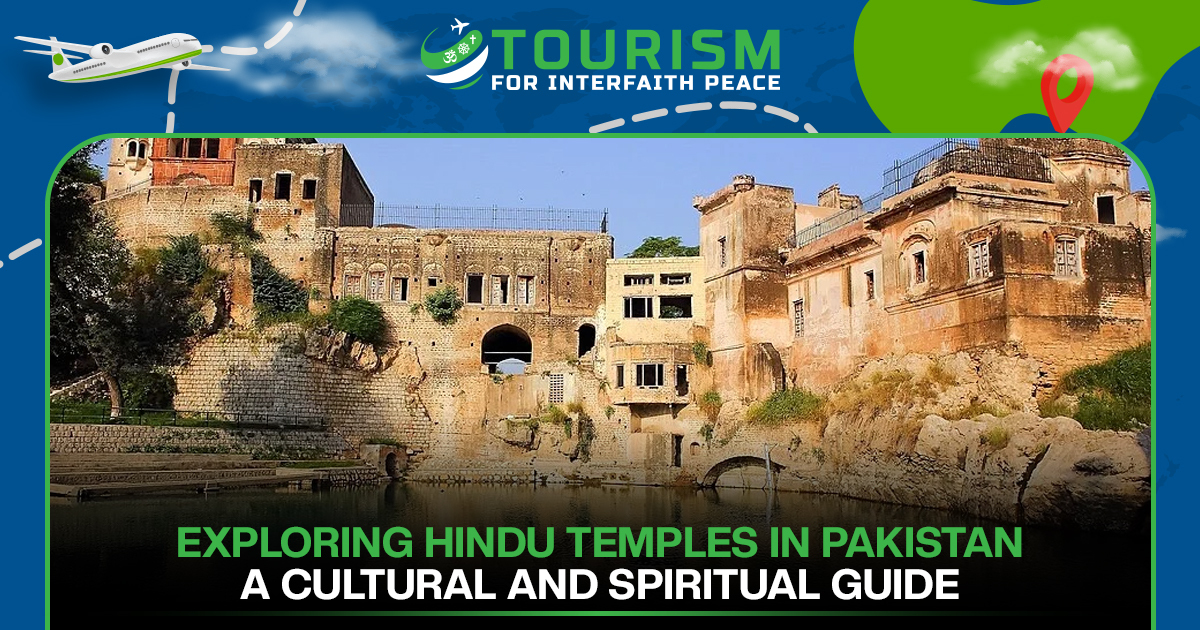
Nestled among the rocky landscape of Punjab’s Potohar Plateau, the Katas Raj Temples form one of Pakistan’s most significant Hindu heritage complexes.
The site consists of several temples built over different periods around a sacred pond. According to Hindu tradition, the pond was formed from the tears of Lord Shiva after the death of his wife, Sati.
Whether approached as a place of faith or a historical monument, Katas Raj leaves a lasting impression. The quiet surroundings, ancient stone structures, and spiritual atmosphere create an experience that feels timeless.
Why Visit:
- Ancient temple complex with remarkable historical significance
- Sacred pond linked to Hindu mythology
- Beautiful setting amid the Potohar landscape
- Important pilgrimage destination
Hinglaj Mata Temple, Balochistan
Hidden within the dramatic terrain of Hingol National Park lies one of the most revered pilgrimage destinations in South Asia.
Hinglaj Mata Temple attracts thousands of devotees each year who undertake a challenging journey through mountains and desert landscapes. For many pilgrims, the journey itself is an act of faith and spiritual reflection.
The remote setting gives the site an extraordinary character. It is not only a religious destination but also an example of how spirituality and nature often intertwine.
Highlights:
- One of the most sacred Hindu pilgrimage sites
- Located within Pakistan’s largest national park
- Annual Hinglaj Yatra attracts devotees from different regions
- Unique blend of natural beauty and spiritual significance
Shri Swaminarayan Temple, Karachi
In the heart of Pakistan’s largest city stands the Shri Swaminarayan Temple, a vibrant reminder of Karachi’s multicultural heritage.
Unlike many historical monuments, this temple remains an active place of worship and community life. Religious ceremonies, festivals, and daily prayers continue to bring people together within its walls.
Its presence reflects the continuity of traditions that have shaped the city’s social fabric for generations.
Why It Matters:
- Active center of worship
- Represents Karachi’s religious diversity
- Historical and cultural landmark
- Important gathering place for the local Hindu community
Valmiki Mandir, Lahore
Lahore’s layered history is visible in its architecture, cuisine, literature, and places of worship. Among them is Valmiki Mandir, dedicated to Sage Valmiki, traditionally regarded as the author of the Ramayana.
The temple stands as a quiet testament to Lahore’s diverse past and serves as an important site for members of the Valmiki community.
Visitors interested in understanding the city’s many cultural influences often find this lesser-known landmark especially meaningful.
Other Heritage Sites Worth Exploring
Beyond these well-known destinations, Pakistan is home to numerous smaller temples and archaeological remains that offer valuable insights into the region’s religious history.
Sites in interior Sindh, southern Punjab, and Khyber Pakhtunkhwa continue to attract historians, researchers, and culturally curious travelers seeking a deeper understanding of South Asia’s shared heritage.
The Art and Architecture of Faith
One of the most fascinating aspects of these temples is their architectural diversity.
Their designs reflect local materials, regional craftsmanship, and centuries of artistic evolution.
Common features include:
- Intricately carved stonework
- Decorative motifs inspired by mythology
- Sacred water tanks and ponds
- Domes and courtyards designed for communal worship
- Detailed pillars and ornamental facades
Each temple tells its own story—not only through inscriptions and legends, but also through the hands that built it.
The Growing Importance of Religious Tourism
Around the world, travelers increasingly seek experiences that go beyond sightseeing. They want to understand traditions, connect with local communities, and explore the stories behind historic places.
Religious tourism provides exactly that opportunity.
In Pakistan, visits to Hindu temples contribute to:
- Greater appreciation of cultural diversity
- Heritage preservation awareness
- Local economic activity
- Academic and historical research
- Cross-cultural understanding
These journeys encourage dialogue and help bridge gaps through shared experiences and mutual respect.
Preserving a Shared Heritage
Protecting heritage sites requires ongoing commitment.
Government institutions, conservation experts, and local communities have undertaken initiatives aimed at restoring historic structures and improving visitor access. While progress has been made, preservation remains a long-term responsibility.
Challenges include:
- Environmental deterioration
- Limited restoration funding
- Urban expansion
- The need for specialized conservation expertise
- Balancing tourism with site protection
Safeguarding these places ensures future generations can continue learning from them.
Planning Your Visit
Best Time to Visit
The cooler months between October and March offer the most comfortable conditions for exploring heritage sites across Pakistan.
Getting There
Major temples are accessible from nearby urban centers through established road networks. Visitors should check local travel advisories and opening schedules before departure.
Cultural Etiquette
Respect is essential when visiting any religious site.
Keep these guidelines in mind:
- Dress modestly.
- Remove footwear where required.
- Ask permission before taking photographs.
- Observe local customs and instructions.
- Maintain a quiet and respectful demeanor.
Thoughtful behavior enhances both personal experience and community goodwill.
Why These Temples Matter Today
The significance of Pakistan’s Hindu temples extends beyond religion.
They represent centuries of artistic achievement, cultural exchange, and human resilience. They remind us that history is rarely defined by a single narrative. Instead, it is shaped by countless communities whose contributions collectively form a nation’s identity.
Recognizing and preserving this heritage strengthens cultural understanding and highlights the richness of Pakistan’s historical landscape.
Conclusion: Heritage as a Bridge Between People
Travel has the power to broaden perspectives and challenge assumptions.
Exploring Hindu temples in Pakistan is not simply about visiting ancient structures. It is about encountering stories that connect the past with the present. It is about appreciating diversity, understanding shared histories, and recognizing the enduring value of cultural heritage.
As interest in meaningful travel continues to grow, these sacred sites invite visitors to experience Pakistan through a lens of curiosity, respect, and discovery.
Their stone walls may speak of centuries gone by, but their message remains deeply relevant today: heritage has the power to bring people closer together.
Frequently Asked Questions
Are Hindu temples in Pakistan open to tourists?
Many temples welcome visitors during designated hours, although access may vary depending on religious events and local arrangements.
Which is the most famous Hindu temple in Pakistan?
The Katas Raj Temples and Hinglaj Mata Temple are among the country’s most prominent Hindu heritage sites.
Can international travelers visit these temples?
Yes. Foreign visitors can explore these sites while following applicable travel regulations and local guidelines.
What is the best season for heritage travel in Pakistan?
October to March is generally considered the ideal period due to milder weather conditions.
Why are these temples important?
They preserve centuries of history, reflect South Asia’s cultural diversity, and contribute to a broader understanding of Pakistan’s rich heritage.
Explore More with TIP
At TIP, we believe meaningful travel begins with understanding the stories that shape a nation. By discovering the country’s diverse heritage, travelers become participants in preserving history and promoting cultural appreciation.
Explore thoughtfully. Travel respectfully. Discover the many layers of Pakistan’s remarkable identity.