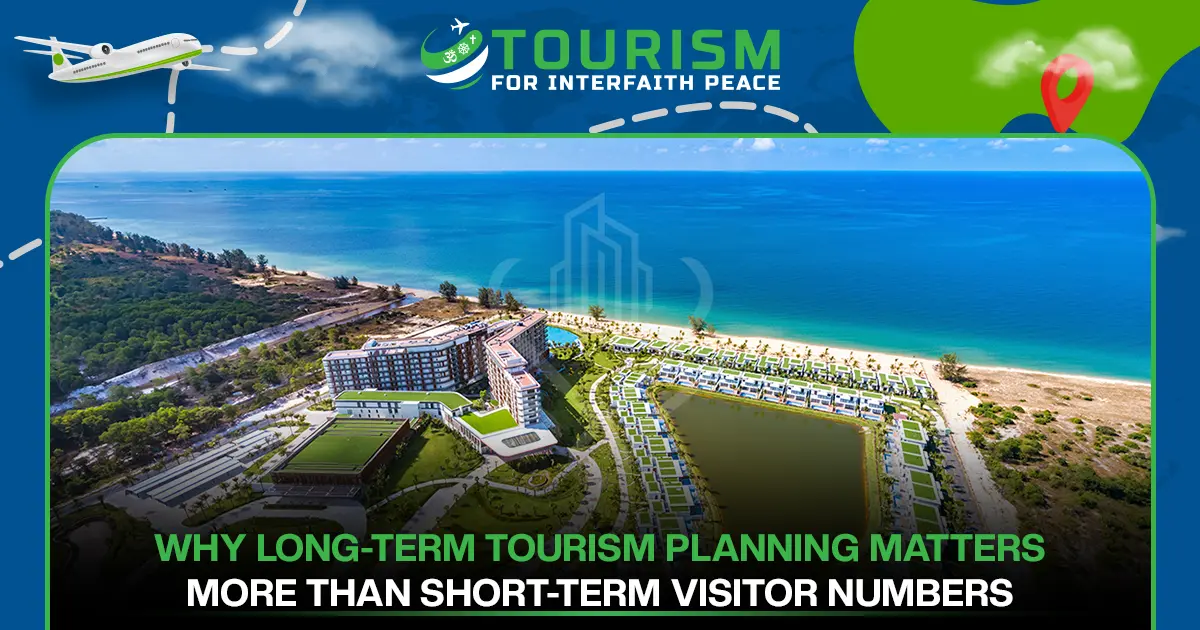
A destination that welcomes more tourists this year is not necessarily one that is succeeding. Tourism success should be measured by how well a place manages growth over time — protecting its environment, culture, and communities — not by how many visitors arrive at its gates. Long-term planning, not short-term visitor counts, determines whether a destination stays attractive and economically stable for decades rather than seasons.
Is More Tourism Always Better?
Visitor growth and sustainable tourism growth are not the same thing. Numbers can rise sharply while the systems that support tourism — roads, waste management, water supply, cultural sites, local livelihoods — remain unprepared for that pressure. Without planning, revenue often flows to a narrow group of investors while residents absorb the costs: higher prices, crowded public spaces, and strain on shared resources. Growth without a plan builds popularity, not resilience.
What Does Long-Term Tourism Planning Actually Mean?
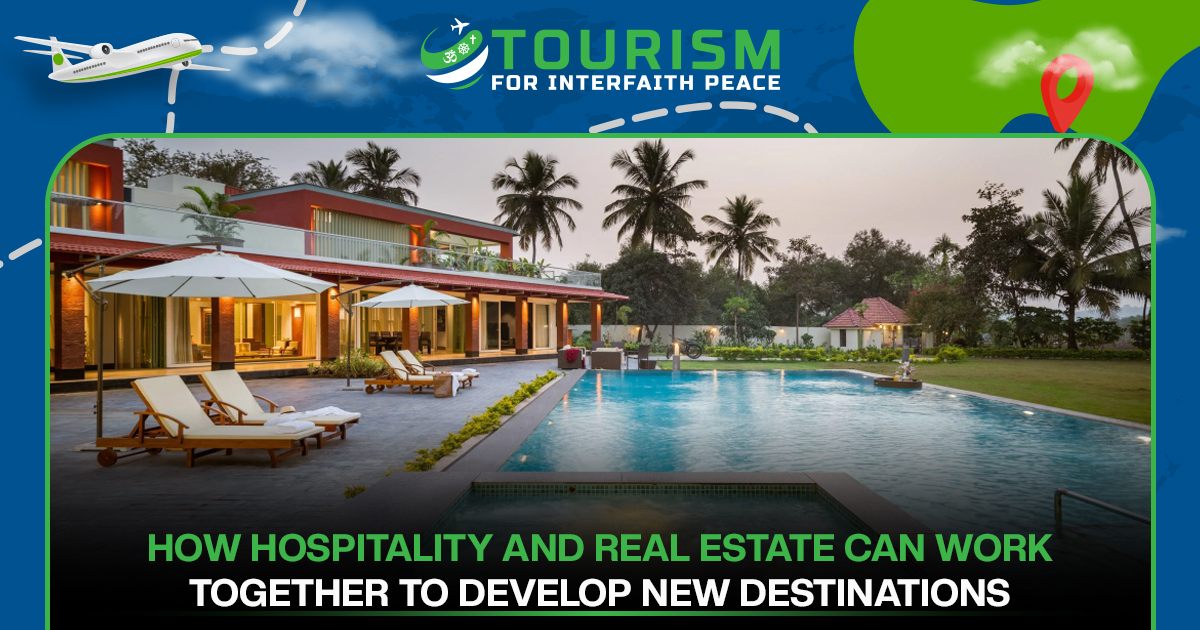
Long-term tourism planning is the deliberate, multi-year process of preparing a destination to host visitors sustainably. It typically covers infrastructure built to handle visitor loads without disrupting daily life; environmental protection of natural sites and water resources; cultural preservation that guards traditions from being altered purely for commercial appeal; local community participation in development decisions; coordinated destination management among government, investors, and residents; responsible investment aimed at long-term value rather than quick returns, closely tied to how hospitality and real estate can work together to develop new destinations; visitor management that paces arrivals across seasons; and skills and employment development so tourism income stays within the community.
Why Short-Term Visitor Growth Can Create Long-Term Problems
Rapid, unplanned growth becomes a problem when infrastructure and community systems cannot keep pace. Common challenges include overcrowding at popular sites, pressure on limited natural resources, rising waste and environmental degradation, higher living costs for residents, gradual cultural dilution when traditions are simplified for commercial presentation, unequal distribution of tourism revenue, and infrastructure becoming overwhelmed faster than it can be upgraded. This doesn’t mean growth should be avoided — it means growth needs a framework that anticipates these pressures before they take hold.
Local Communities Should Be Part of Tourism Planning
Tourism development works best when local residents are participants, not bystanders. Communities living closest to a destination’s natural and cultural assets often understand best what should be protected and where growth is welcome. Meaningful participation supports local employment, small business opportunities, culturally-grounded preservation, and genuine ownership — the same principle behind why tourism development should begin with local communities rather than being designed around them from the outside.
Sustainable Tourism Creates More Lasting Economic Value
Carefully planned tourism generates more durable economic activity across local businesses, hospitality, transport, food and retail, cultural experiences, and tourism-related employment. Rather than a short burst of spending around a single attraction, well-planned destinations spread economic activity more broadly and keep more of it circulating locally.
Tourism, Culture and Interfaith Understanding
Tourism is also a form of human contact. When visitors and host communities interact thoughtfully, tourism can support cultural exchange, encourage mutual understanding between people of different faiths and traditions, and create space for respectful, peaceful interaction. This is only possible when destinations are developed with genuine respect for local customs and religious practices, rather than presenting culture as a commercial backdrop. Long-term planning is what allows this kind of exchange to happen consistently, not occasionally.
What Should Pakistan’s Tourism Strategy Prioritize?
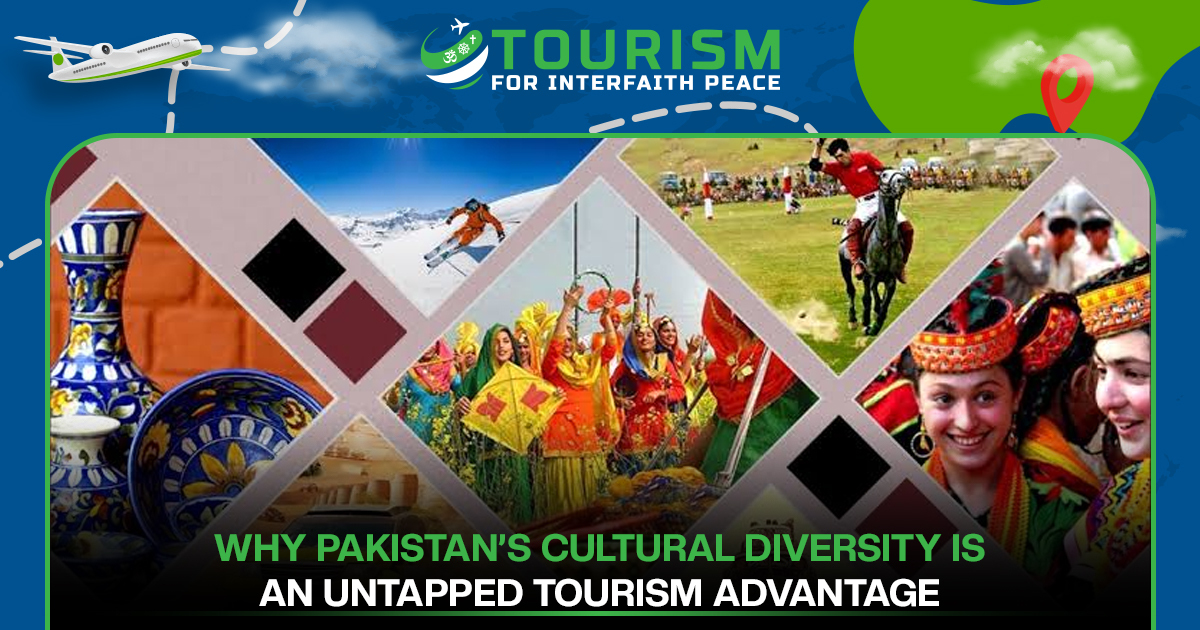
Pakistan’s diverse landscapes and cultural and religious heritage give it real potential for sustainable tourism growth. Realistic priorities include destination-level master planning rather than site-by-site decisions, infrastructure paced to visitor needs, meaningful community participation, environmental and heritage conservation, responsible private-sector investment, visitor education about local customs, better tourism data, and year-round tourism opportunities rather than reliance on narrow peak seasons.
From Visitor Numbers to Visitor Value
A more useful way to evaluate tourism success looks beyond arrival numbers toward visitor value — spending, length of stay, local employment, income reaching host communities, environmental impact, repeat visits, and meaningful cultural engagement. These indicators describe a healthier form of tourism than raw visitor counts ever can.
Frequently Asked Questions
Why is long-term tourism planning important?
It helps destinations manage growth responsibly, protecting infrastructure, environment, and culture so tourism stays sustainable rather than causing overcrowding or resource strain.
Is increasing tourist numbers enough to develop a successful destination?
No. Without planning, growth can strain infrastructure and limit long-term benefits for local communities.
How does sustainable tourism benefit local communities?
It can create local employment, support small businesses, preserve cultural heritage, and keep more tourism income circulating locally.
What is the role of local communities in tourism development?
Communities should participate in planning decisions, since they understand the assets being developed and are most affected by how tourism grows.
How can Pakistan develop tourism sustainably?
Through destination-level planning, paced infrastructure development, community involvement, environmental and cultural protection, and responsible investment.
Conclusion
A destination’s long-term success depends on more than how many people visit — it depends on how thoughtfully that growth is managed. For tourism professionals, policymakers, investors, and communities exploring responsible approaches to destination development, Tourism for Interfaith Peace continues to study and share ideas on how tourism can support communities, protect culture, and encourage peaceful understanding between people of different backgrounds and faiths.