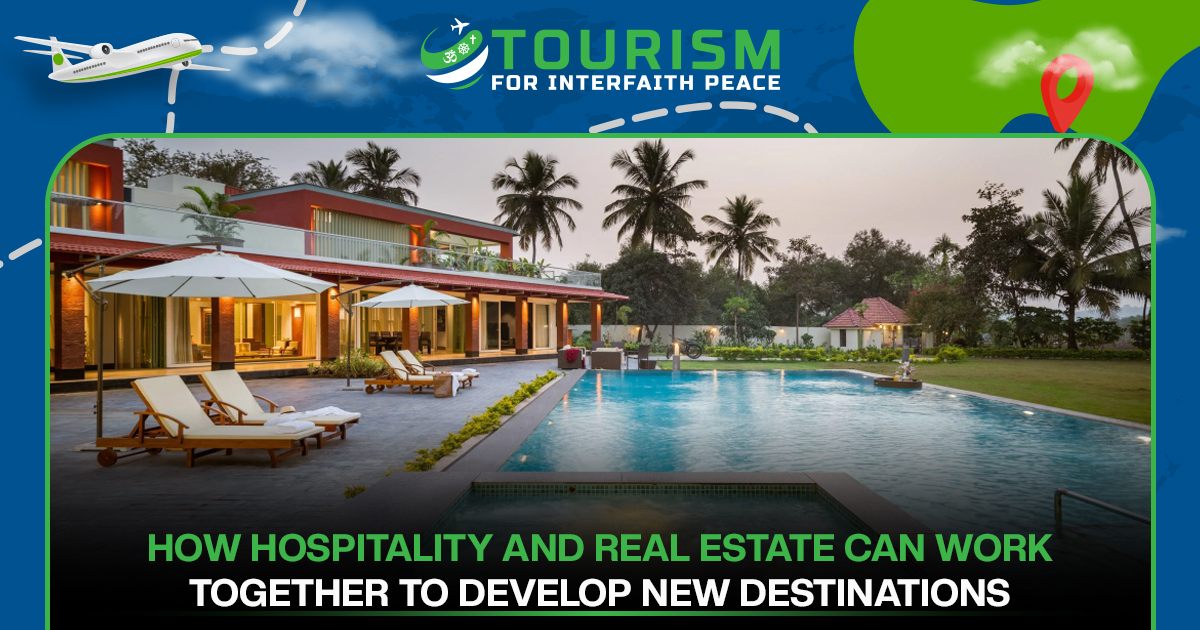
A destination is not created simply by constructing buildings. People travel to places because they offer experiences, convenience, attractions, accommodation, and reasons to stay longer than a single afternoon. That distinction is easy to overlook in real-estate marketing, but it explains why some developments become places people return to, while others remain rows of finished units with little activity around them. Hospitality and real estate are two of the sectors most responsible for that difference, and the way they are planned together says a great deal about whether a location becomes a destination or stays a property.
Why Hospitality and Real Estate Are Closely Connected
Hotels, resorts, and guesthouses do not operate in isolation. They depend on nearby residential communities for staff, on commercial spaces for supplies and services, and on visitor infrastructure such as roads and utilities to function at all. Real estate, in turn, depends on hospitality and tourism to bring people, and their spending, into an area on a recurring basis. Restaurants, retail, and entertainment venues sit between the two, drawing customers from both hotel guests and local residents. When these pieces are planned as separate, disconnected projects, an area can end up with plenty of construction and very little daily activity. When they are planned together, each piece reinforces the others.
From Property Projects to Complete Destinations
The difference between a property project and a destination comes down to what a visitor or resident can actually do once they arrive. A single hotel gives someone a place to stay. A single housing scheme gives someone a place to live. Neither, on its own, gives people a reason to stay longer, return regularly, or spend meaningfully in the local economy. A destination brings together the fuller set of activities people expect: somewhere to stay, live, visit, eat, shop, and experience the place itself. That combination is what creates a stronger proposition for both visitors and investors, because it is not dependent on a single property performing well in isolation.
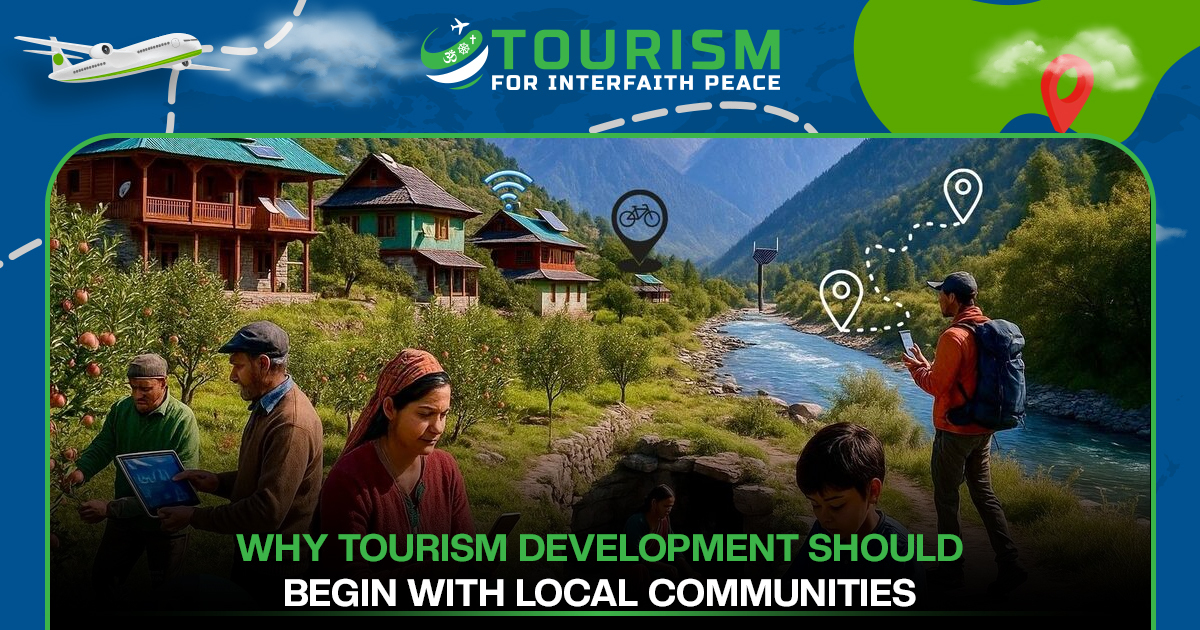
Also Read: Why Tourism Development Should Begin With Local Communities
How Hospitality Can Increase the Value of a Destination
Hospitality’s core contribution to a destination is extending how long people stay and how often they return. A hotel or resort gives visitors a reason to spend a weekend rather than a few hours, which can contribute to demand for restaurants, retail, and recreation nearby. Well-run hospitality businesses may also support local employment and create recurring economic activity that a single real-estate transaction cannot. None of this guarantees that surrounding property values will rise; that outcome depends on broader market conditions, planning quality, and how well the surrounding area is developed. What hospitality can do is create the kind of ongoing visitor activity that gives a destination its identity, separate from any individual building.
How Real Estate Can Support Hospitality Development
The relationship works in the other direction as well. Real estate provides the accommodation, commercial space, and retail that hospitality businesses need to operate and grow. It can also provide staff housing, a practical requirement that is often overlooked in destination planning, along with the supporting infrastructure, such as roads, utilities, and parking, that hotels and resorts depend on. For investors, real estate tied to a functioning hospitality and tourism ecosystem represents a different kind of opportunity than a standalone residential unit, because its usefulness is connected to ongoing visitor and community activity rather than resale alone. Planned well, the two sectors create a mutually reinforcing base: hospitality draws people in, and real estate gives that activity somewhere to live, work, and grow.
Pakistan’s Opportunity for Destination Development
Pakistan’s geography gives it a genuine, if still developing, foundation for destination-style tourism. Lakes, mountains, and river valleys sit within a few hours of major cities, and heritage sites across the country draw visitors interested in history and culture. Domestic tourism, in particular weekend travel from Islamabad, Lahore, and Karachi, has grown as more families look for accessible getaways rather than long-haul travel. Adventure tourism in the north continues to draw a dedicated visitor base. None of this translates automatically into successful destination development. Hospitality infrastructure in many of these areas remains limited relative to demand, and the gap between natural or cultural appeal and the practical experience of visiting is exactly what integrated hospitality-and-real-estate planning is meant to close.
The Future of Integrated Destination Development
Future destinations are likely to combine hospitality, residential communities, and commercial development more deliberately than past projects have, alongside a stronger emphasis on recreation, sustainability, and the practicalities of how people actually spend time in a place. Technology plays a growing role too, from how visitors research and book stays to how a destination manages its own infrastructure. The common thread across these trends is planning around behavior rather than around individual asset types. A destination designed with an understanding of how people live, travel, and spend their time tends to function differently than one designed purely around unit sales or room counts.
Building Destinations With Long-Term Purpose
Successful destination development depends on the combination of vision, planning, hospitality, real estate, visitor experience, and sustained commitment over years rather than a single launch. None of these elements substitutes for the others; a strong hotel without supporting infrastructure, or a housing scheme without any reason for visitors to come, both fall short of what a destination requires. Tourism for Interfaith Peace approaches destination development from that same integrated perspective, treating tourism, hospitality, and community as connected parts of a single system rather than separate initiatives.
Readers interested in this approach to tourism and destination development can learn more about TIP’s vision and current work through the official TIP website, or reach out directly to discuss opportunities in hospitality, real estate, and destination-focused tourism.
Frequently Asked Questions
How are hospitality and real estate connected?
Hospitality businesses rely on nearby real estate for staff housing, commercial space, and infrastructure, while real estate benefits from the recurring visitor activity that hospitality and tourism generate. The two sectors function best when planned together rather than as separate projects.
What is integrated destination development?
Integrated destination development is the practice of planning hospitality, real estate, tourism, recreation, and community infrastructure together, so a location offers a complete set of experiences rather than isolated buildings or attractions.
How can hospitality support tourism destinations?
Hospitality can extend visitor stays, encourage repeat visits, and support demand for surrounding restaurants, retail, and recreation, contributing to the ongoing economic activity that gives a destination its identity.
Why is destination development important for Pakistan?
Pakistan has natural landscapes, heritage sites, and growing domestic tourism demand, but hospitality infrastructure in many areas remains limited relative to that potential. Integrated development can help close that gap over time, though outcomes depend on planning and market conditions.
What role does real estate play in tourism development?
Real estate provides the accommodation, commercial space, and supporting infrastructure that hospitality and tourism businesses depend on, forming the physical foundation on which a destination’s visitor experience is built.