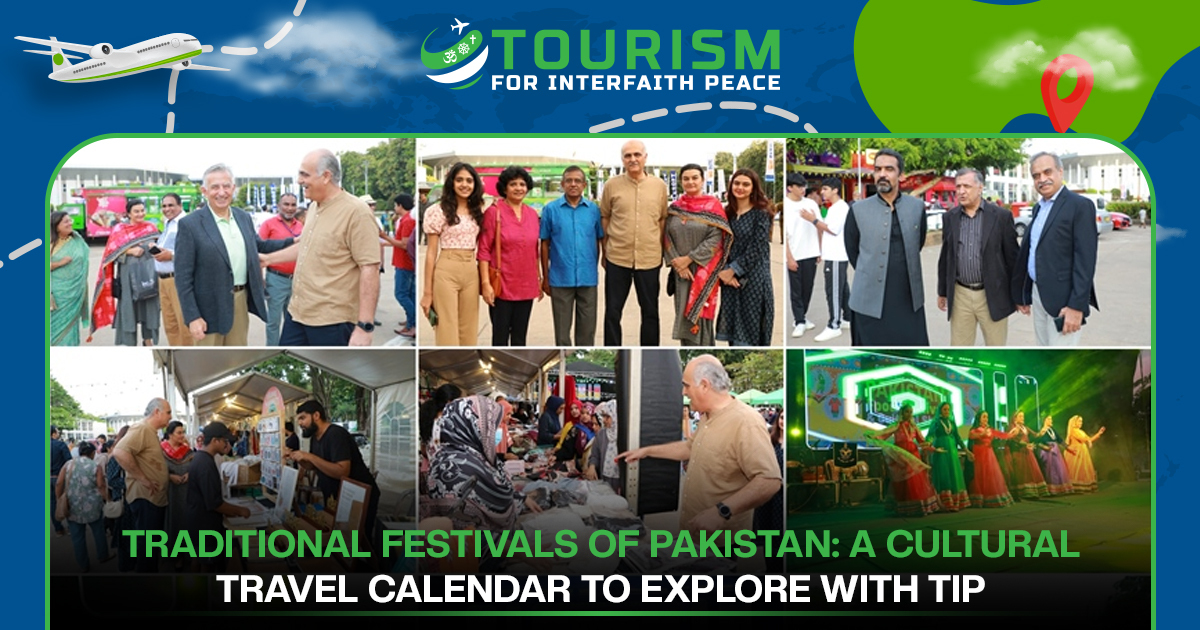
Pakistan’s festivals, traditional music, vibrant attire, regional cuisine, and communal gatherings all showcase the country’s cultural uniqueness. Events that honor religious traditions, preserve local customs, and unite communities are held throughout the year in various places. Pakistan’s cultural holidays, which range from the colorful Kalash festivities in Chitral to the Baisakhi celebrations in Punjab and Sindhi Culture Day, provide tourists a closer look at the nation’s rich cultural legacy.
Attending these festivities can be a significant opportunity for foreign visitors to experience Pakistan outside of its well-known scenery and historical sites. Every celebration has its own customs, seasonal significance, and backstory. Some of Pakistan’s most prominent traditional festivals are included in this cultural tourism calendar, along with their typical dates and attractions.
Spring Festivals in Pakistan: February to April
Celebrations related to rebirth, harvests, religious customs, and local identity are brought about by spring. For tourists who want to see Pakistan’s cultural variety, this is a great time of year.
Basant – Lahore
Basant is renowned for its vibrant atmosphere, yellow clothes, seasonal cuisine, and kite-flying customs, all of which are traditionally connected to the arrival of spring. Before making preparations, visitors should verify the most recent notices from the Punjab government regarding public kite-flying arrangements and limits.
Mela Chiraghan – Lahore
Mela Chiraghan, also called the Festival of Lights, is connected to Shah Hussain, a Sufi poet. The occasion, which usually takes place in March, gathers people to his shrine close to Shalimar Gardens for cultural events, poetry, and devotional music.
Baisakhi – Punjab
A significant Sikh holiday, Baisakhi honors the Khalsa’s founding in 1699 and signals the start of the harvest season. Celebrations are especially important in Pakistan at Sikh pilgrimage sites like Gurdwara Janam Asthan in Nankana Sahib and Gurdwara Panja Sahib in Hasan Abdal. Subject to official access requirements, foreign Sikh pilgrims may attend with the appropriate visa and pilgrimage preparations.
These spring celebrations offer different perspectives on Punjab’s cultural and religious traditions. TIP explores how festivals can encourage connections between communities in its article on traditional festivals that offer interfaith cultural experiences.
Kalash Festivals in Chitral: May to December
In Chitral, the Kalash villages of Bumburet, Rumbur, and Birir retain a unique religious and cultural calendar. Their celebrations honor spiritual beliefs, agriculture, community customs, and seasonal shifts.
The main Kalash festivals include:
Chilam Joshi (May): Through traditional songs, dances, community get-togethers, and customs related to the health of crops and cattle, this spring festival greets the new season.
Uchal (Late Summer): This harvest celebration, also known as Uchaw, expresses gratitude for agricultural products. The celebrations include traditional food, music, and dancing.
Phool (Autumn): This seasonal event is especially associated with the Birir Valley and is linked to the harvest of grapes and walnuts.
Choimus (December): This winter celebration, sometimes called Chawmos, commemorates a significant time in the Kalash liturgical calendar. It consists of community meetings, music, dancing, and customary rituals.
The community chooses the festival dates, which can change every year. Instead of assuming that every ceremony is available to tourists, visitors should follow local instructions as some ceremonies are private or restricted.
For a deeper understanding of local customs and community-led travel, explore TIP’s guide to cultural tourism in Pakistan: traditions, festivals, and local experiences.
Summer Festivals: June to August
In northern Pakistan, the summer is a thrilling time to visit different cultures. Festivals that incorporate regional celebrations, native cuisine, music, and sports are held in mountain towns.
Shandur Polo Festival – July
This well-known polo competition, which takes place at Shandur Pass between Chitral and Gilgit-Baltistan, draws guests to one of the highest polo grounds in the world. Traditional freestyle polo, folk music, dance, and regional cultural events are all part of the festival.
Uchal – Kalash Valleys
Another significant occasion during this time of year is the Kalash summer harvest celebration. It offers a chance to comprehend the Kalash people’s agricultural customs and way of life.
Broghil Festival – Upper Chitral
When held, the Broghil Festival uses local festivals, yak polo, traditional sports, and horse competitions to highlight the culture of the Wakhi villages. Visitors should make sure it is happening because its timetable isn’t always yearly.
These summer events allow travellers to experience the relationship between mountain life, traditional sports, and regional identity. TIP promotes responsible travel that supports local communities through its article on community-based tourism in Pakistan.
Autumn Festivals: September to November
Autumn offers chances to discover Pakistan’s regional crafts, music, and traditional ways of life as well as harvest-related festivities.
Phool – Kalash Valleys
Traditionally observed in Birir, this seasonal celebration is linked to the harvest of grapes and walnuts. The event is around community customs, music, and dancing.
Lok Mela – Islamabad
The National Institute of Folk and Traditional Heritage (Lok Virsa) organizes the Lok Mela, which unites performers, musicians, artists, and crafters from all over Pakistan. Explore local cuisine, folk music, dancing performances, traditional handicrafts, and regional apparel.
Guru Nanak Gurpurab – Punjab
Guru Nanak Gurpurab commemorates the anniversary of the founder of Sikhism, Guru Nanak. His birthplace, Nankana Sahib, is a popular pilgrimage site for Sikhs. Depending on the circumstances, guests may also visit Kartarpur and other significant gurdwaras.
The autumn season offers a valuable opportunity to experience Pakistan’s living traditions, from folk craftsmanship to religious celebrations. TIP’s work on promoting tourism and cultural heritage in Pakistan highlights the importance of preserving these experiences while creating opportunities for local communities.
Winter Festivals: December to February
Pakistan’s varied ethnicities and regional identities are reflected in the religious and cultural festivities that take place during the winter.
Sindhi Culture Day – Sindh
Sindhi Culture Day, which is observed on the first Sunday in December, showcases the province’s identity through traditional Ajrak, Sindhi topi, folk music, poetry, and cultural events. Sindh’s cities and towns host celebrations of the region’s history.
Christmas – December 25
Church services, music, decorations, family get-togethers, and community activities are all part of Pakistan’s Christian communities’ Christmas celebrations. There are possibilities to observe these festivities in a dignified manner in Lahore, Karachi, Faisalabad, and other places.
Sibi Mela – Balochistan
Sibi Mela, a significant traditional fair including animal displays, horse and camel activities, folk performances, handicrafts, and local customs, is typically held from winter to spring. Verify the dates with the local organizers.
Winter festivals provide visitors with opportunities to discover regional customs and the traditions of Pakistan’s religious communities. Food is also an important part of these celebrations; TIP explores this connection in how food tourism connects different faiths and cultures in Pakistan.
Experiencing Pakistani Festivals with Cultural Respect as an International Tourist
Festivals are more than just tourist attractions; they are significant communal events. By knowing about the customs and showing respect for those who observe them, foreign tourists can enhance their experience.
A few practical guidelines include:
- Research the festival’s history and cultural significance before attending.
- Check official dates and travel advisories.
- Ask permission before photographing people, ceremonies, or private gatherings.
- Follow local dress codes and religious customs.
- Hire local guides and use locally operated accommodation.
- Support artisans, food vendors, and community businesses.
- Avoid entering restricted or sacred areas without permission.
In addition to promoting cross-cultural understanding, responsible festival tourism can help local livelihoods. TIP encourages this strategy by using respectful travel to introduce tourists to Pakistan’s religious and cultural legacy.
Conclusion
Pakistan offers a wide range of cultural events all year long, from the Kalash festivals of Chitral and Baisakhi celebrations in Punjab to the Lok Mela in Islamabad and Sindhi Culture Day. The nation’s regional identities, religious diversity, creative traditions, and communal values are all reflected in these customary celebrations.
Attending these activities gives foreign visitors a chance to learn about Pakistan via the individuals who uphold its traditions and culture. By encouraging tourists to observe these festivities with respect and interest, Tourism for Interfaith Peace (TIP) promotes local communities, cultural preservation, and deep linkages between many cultures.
FAQ
1. What cultural festivals take place in Pakistan?
Chilam Joshi, Uchal, Choimus, Baisakhi, Shandur Polo Festival, Lok Mela, Sindhi Culture Day, Mela Chiraghan, and Sibi Mela are some of the major cultural celebrations. Religious holidays including Guru Nanak Gurpurab, Eid, Christmas, and Diwali are also observed.
2. When are the Kalash festivals?
Chilam Joshi in May, Uchal in late summer, Phool in autumn, and Choimus in December are the major Kalash festivities that occur throughout the year. Depending on local customs, specific dates may change.
3. Which festivals can international tourists attend?
Subject to access agreements, foreign visitors may attend public cultural events including the Lok Mela, Shandur Polo Festival, Sindhi Culture Day, and several Baisakhi celebrations. By adhering to local regulations and guidelines, visitors can also participate in some of the Kalash festivals in a respectful manner.
4. What is the best time to experience cultural festivals in Pakistan?
There isn’t just one ideal season. Baisakhi and Chilam Joshi are appropriate in the spring, Shandur Polo in the summer, Lok Mela and harvest festivities in the fall, and Sindhi Culture Day and Choimus in the winter.
5. Can foreigners attend Baisakhi celebrations in Pakistan?
Indeed. Subject to official access clearances, pilgrimage arrangements, and visa restrictions, foreign tourists may be permitted to join Baisakhi celebrations at Sikh heritage sites.
6. Are the Kalash festivals open to tourists?
Visitors can witness some aspects of the festivities, but some rites are limited or private. Visitors should follow community guidelines and ask local hosts for advice.
7. Do cultural festivals in Pakistan have fixed dates?
Not every festival has a set date according to the Gregorian calendar. While Kalash festival dates are set by local customs, Islamic and Sikh religious festivals adhere to their respective calendars. Schedules for annual events are also subject to change.
8. How can international tourists plan a cultural festival tour in Pakistan?
The Gregorian calendar does not specify a date for every celebration. Islamic and Sikh religious festivals follow their own calendars, although Kalash festival dates are determined by local traditions. Annual event schedules are also subject to change.