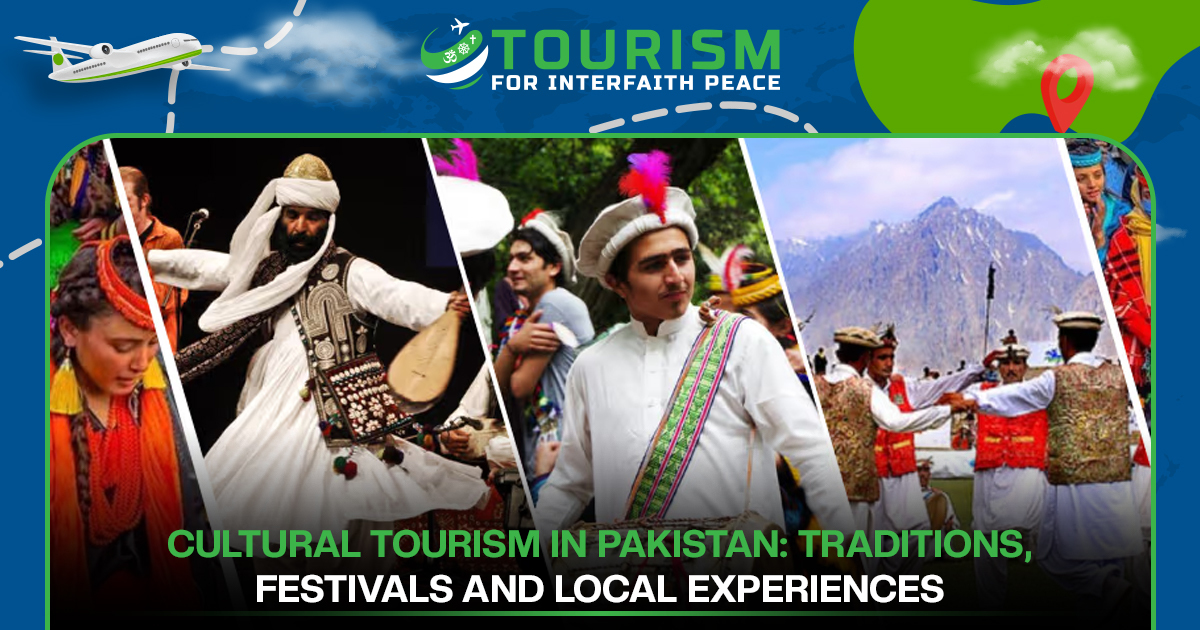
Cultural tourism in Pakistan means travelling to learn from living traditions as well as monuments: festivals, crafts, food, music and the communities who keep them going. UN Tourism defines it as travel motivated by learning about and experiencing a destination’s tangible and intangible culture. Pakistan suits that kind of trip because its culture is plural. Indus Valley ruins, Buddhist monasteries, Mughal forts and mountain communities with their own languages and calendars all sit within one country.
What Makes Pakistan Culturally Distinctive
UNESCO has inscribed six cultural properties in Pakistan: Mohenjo-daro, Taxila, the Buddhist ruins of Takht-i-Bahi with Sahr-i-Bahlol, the monuments at Makli, Lahore Fort with Shalimar Gardens, and Rohtas Fort. The Kalash Valley joined the Tentative List in March 2026, which is a preliminary step, not an inscription.
The range matters more than the count. You can stand in a Buddhist monastery one day and a Mughal garden the next, and the communities around each have their own dress, language and calendar. Treat them as separate cultures, because they are.
Festivals and Traditions Worth Planning Around
Dates shift from year to year, so confirm them with local tourism authorities before you book.
Kalash Festivals in Chitral
The Kalash are a small indigenous community living in the Bumburet, Rumbur and Birir valleys. Their year turns on three festivals: Chilam Joshi in mid-May for spring, Uchaw in late summer or autumn, and Chawmos in December. Published dates differ, so check with the Khyber Pakhtunkhwa tourism authority.
At Chilam Joshi, families decorate cattle sheds with flowers and walnut leaves, share milk and cheese, and dance to drums. This is a community’s religious calendar, not a performance. Watch from a respectful distance, ask before photographing anyone, and join a dance only if invited.
Basant in Lahore
Basant, the spring kite festival, returned to Lahore in February 2026 after roughly 25 years. It is allowed only within Lahore district, on notified dates, with registered sellers and banned string types, because kite flying has caused serious injuries before. Dates for 2027 have been announced and revised more than once, so rely on official Punjab government notices.
Shandur Polo Festival
Each June, teams from Chitral and Gilgit-Baltistan play freestyle polo at Shandur Pass, on what is called the world’s highest polo ground. The 2026 festival ran from 11 to 13 June, with folk performances alongside the matches.
Sindh Culture Day and Eid
Sindh Culture Day falls on the first Sunday of December, which is 6 December this year. People wear the ajrak, a block-printed shawl, and the Sindhi topi. Eid ul-Fitr and Eid al-Adha follow the lunar calendar and depend on moon sighting. Eid is mainly a family occasion, so book transport and rooms early.
Crafts, Food and Everyday Experiences
Festivals are only part of it. Embroidered Kalash garments, Sindhi ajrak and the walnut bread shared at Chilam Joshi are made and eaten all year. Buy from the makers where you can, ask how something is produced, and eat where locals eat.
How Cultural Tourism Supports Communities
UN Tourism says cultural tourism can support local economies, encourage intercultural respect and help communities pass heritage on. None of that is automatic. A visitor code published by Ecoclub says the Kalash receive little economic benefit from tourism and urges visitors to use Kalash guides and hotels. Local hoteliers in Bumburet have also put up signs asking visitors to seek permission before taking photographs. Money and manners both count.
Travelling Respectfully
These are recommendations, not rules:
- Dress as each site or community expects.
- Ask before photographing people, worship or ceremonies.
- Don’t enter homes or temples uninvited.
- Buy crafts, not antiques.
- Keep streams clean and stay off meadows that are grazing land.
- Hire local guides, and check official travel advisories before you go.
Plan Your Route
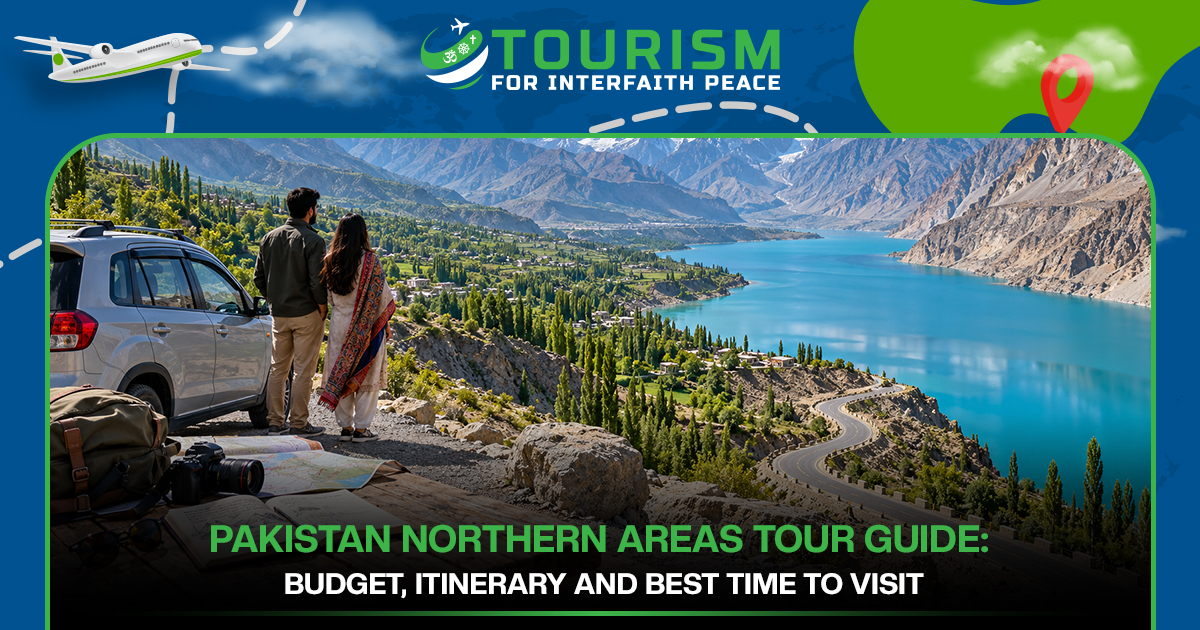
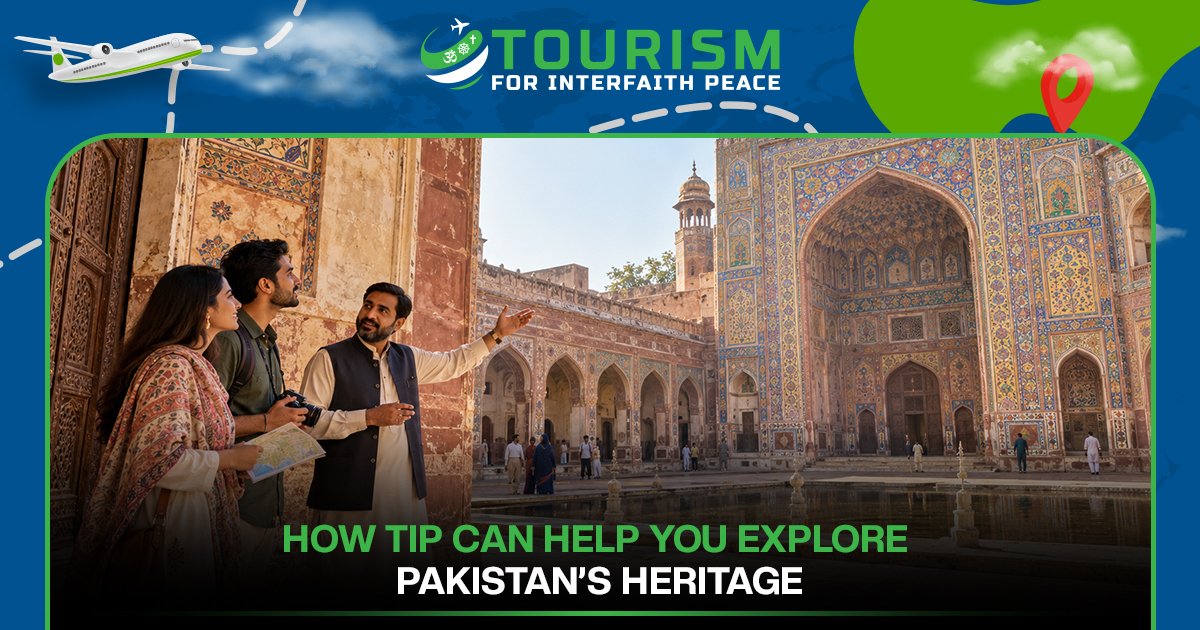
Choose your region first, then your season. Our Northern Areas travel guide on budget, itinerary and best time to visit covers roads, costs and closures for the mountain routes. Then pair each headline site with a nearby village or market. For help with sacred and historic places, see how TIP can help you explore Pakistan’s heritage.
Understanding Comes Before Peace
People rarely feel threatened by a culture they have been invited to understand. Sitting through a Kalash spring festival, a Lahore rooftop or a Sindhi Culture Day gathering as a respectful guest teaches that. This is the idea behind Tourism for Interfaith Peace. Explore our heritage resources, or contact the team to ask what is currently on offer.