| Pakistan holds Buddhist, Muslim, Sikh, Hindu and Christian heritage, and many sites are still in active use. TIP states that it designs journeys to sacred and historic sites and hosts interfaith events and workshops. Ask the team what is currently available, and visit every site with local guidance and respect. |
Stand in Taxila and you are among the remains of a Buddhist centre of learning. Elsewhere in the country you can reach a Mughal fort, a Sikh gurdwara, a Hindu temple pond and a Gothic cathedral. Pakistan holds an unusual range of heritage, and much of it is still lived in, not only looked at.
That changes how to travel. A landmark gives you a photograph. The people who maintain it, worship there or live beside it give you context. This guide explains how to approach Pakistan’s heritage with that in mind, and where Tourism for Interfaith Peace (TIP) fits.
Discover Pakistan’s Diverse Cultural and Religious Heritage
UNESCO has inscribed six cultural properties in Pakistan: Mohenjo-daro, Taxila, the Buddhist ruins of Takht-i-Bahi with Sahr-i-Bahlol, the Historical Monuments at Makli, Lahore Fort with Shalimar Gardens, and Rohtas Fort. Recent reports put 37 more sites on the tentative list, which is a preliminary step and confers no World Heritage status.
- Buddhist: Taxila, inscribed in 1980, and Takht-i-Bahi, a hillside monastery near Mardan dating to the 1st century CE.
- Muslim: Rohtas Fort, begun by Sher Shah Suri in 1541, and Lahore’s Badshahi Mosque, which is not UNESCO-inscribed and remains an active place of worship.
- Sikh: Gurdwara Darbar Sahib Kartarpur in Narowal district, linked to Guru Nanak’s final years.
- Hindu: Katas Raj in Chakwal district, a temple complex around a pond that Hindus regard as sacred.
- Christian: The Cathedral Church of the Resurrection on Lahore’s Mall, completed in 1887 and the seat of the Diocese of Lahore.
Context shapes what you see. Mohenjo-daro, near Larkana, was a large Indus Valley city around 2500 BCE, and its script is still undeciphered. Salt is damaging its brickwork, according to TIP’s site guide, so visitors help most by not touching or climbing walls. Takht-i-Bahi shows a different past: monks lived, studied and worshipped on a hillside that visitors now climb. Each place rewards the traveller who asks who built it and who uses it today.
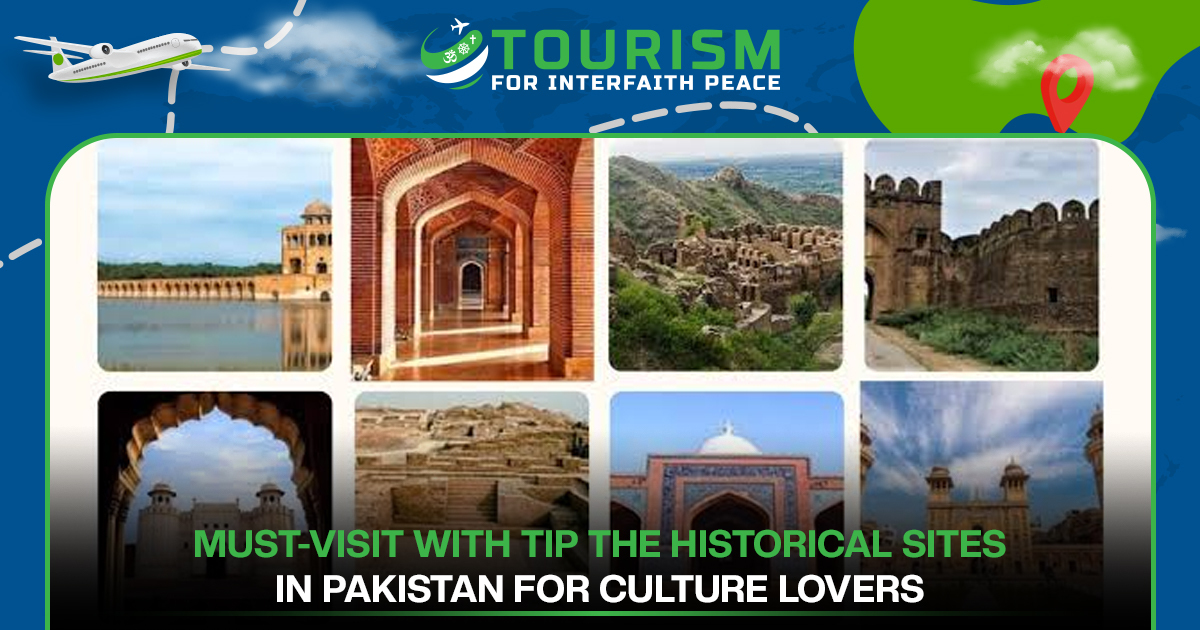
For site-by-site profiles, read TIP’s guide to the historical sites in Pakistan for culture lovers. This article focuses on how to travel, so it does not repeat those descriptions.
How TIP Makes Heritage Exploration More Meaningful
TIP is an Islamabad-based organisation. On its About page, it states that it designs journeys to sacred sites, cultural landmarks and historic cities, and hosts events, interfaith dialogues and workshops. Its stated mission is to build bridges across religious and cultural boundaries through sustainable tourism that supports local communities.
Those are TIP’s own descriptions. It has not published participation figures or outcome data, so ask the team what is currently on offer, including dates, access arrangements and costs. Its stated aim is understanding as well as sightseeing.
Experience Heritage Through Responsible Tourism
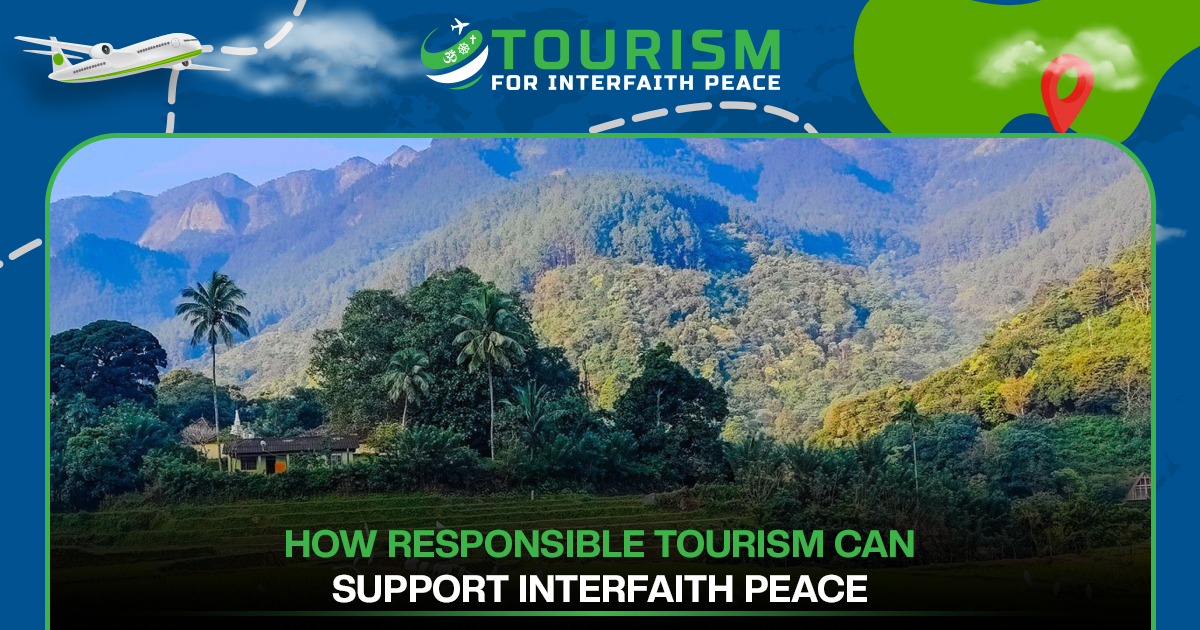
Many heritage places are living ones, with worshippers, caretakers or graves. TIP’s article on how responsible tourism can support interfaith peace explains why respect, preservation and benefit to local people belong together. In practice:
- Dress as the site asks, and ask before photographing people or worship.
- Stay on visitor routes. Never climb ruins or remove fragments, because fragile brickwork and carvings wear down quickly.
- Take direction from caretakers and guides, and keep your voice low in prayer spaces and burial grounds.
- Check current access and visiting rules before you travel, since they can change.
Preservation is part of respect. TIP’s article notes that crowding, litter and careless handling wear down places that communities hold dear. It also describes a diversity tour in Lahore, documented by Youth Development Foundation in Pakistan and supported by the Punjab government, in which young people from different faith backgrounds visited places of worship and heritage sites and spoke with religious leaders. It shows what respectful curiosity can look like, without suggesting that one visit settles anything.
Travel Beyond Landmarks to Understand Local Communities
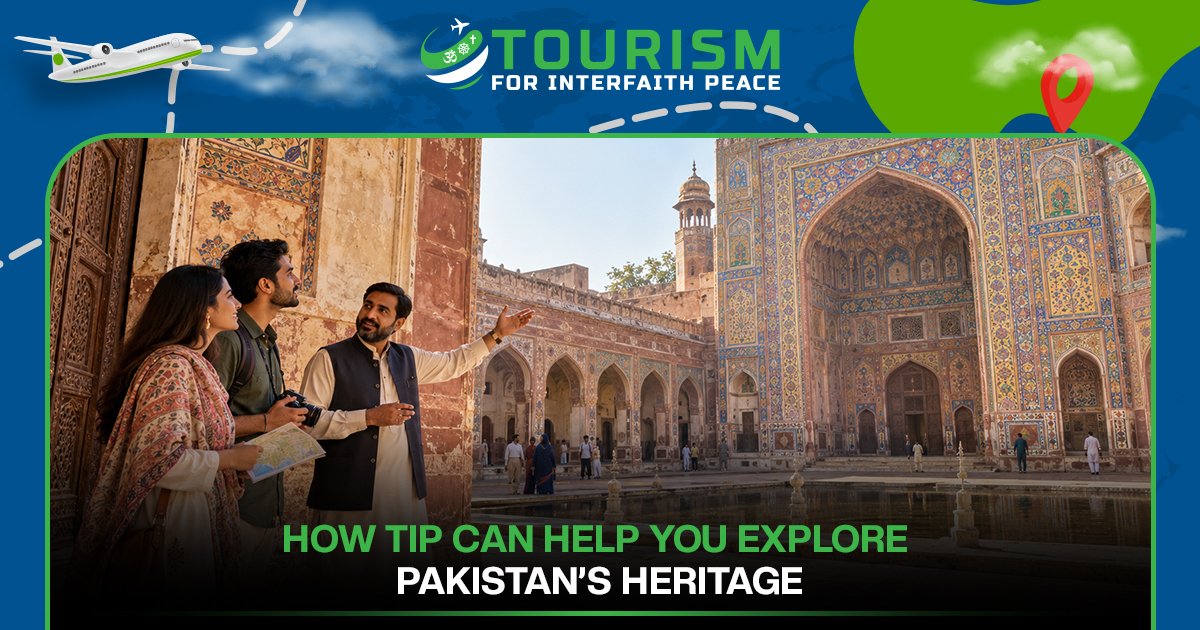
A site makes more sense when you meet the people connected to it. According to TIP’s site guide, a village still lives inside the walls of Rohtas Fort, so a local guide can explain the place as residents know it. Ask guides about local customs and which spaces welcome visitors.
Read architecture as a story too. The courtyards and cells of a monastery like Takht-i-Bahi show how a community organised its days. Spend locally on guides, lodging, meals and crafts, so the people who care for these places share in the benefit.
Stories matter as much as stones. Local guides, caretakers and residents often hold an account of a place that no sign carries. Listen first, and ask permission before recording or photographing a conversation. Describe communities as they describe themselves, and treat each tradition as distinct, not interchangeable with another.
Plan Your Heritage Journey with TIP
Choose a region first. Taxila sits near Islamabad and Rawalpindi, Lahore holds several traditions within one city, and Sindh offers Mohenjo-daro and Makli. Check official travel advisories, opening hours and entry rules for each site, and allow time to listen as well as look. Pair a headline site with a nearby village or market to see more of the surrounding life, and visit slowly.
When you are ready, visit the TIP website or contact the team at info@tourismforinterfaithpeace.com or +92 336 8377633 to ask about current opportunities. Travel slowly, ask questions and let each place’s people tell its story.
Frequently Asked Questions
What are the main heritage sites to visit in Pakistan?
Start with the six UNESCO-inscribed properties, then add sites such as Katas Raj, Kartarpur and Lahore’s cathedral for wider religious heritage.
Can visitors enter religious heritage sites in Pakistan?
Many are active places of worship with their own rules. Check current access, dress and photography guidance, and follow caretakers’ instructions.
What does TIP do?
TIP states that it designs journeys to sacred and historic sites and hosts events, interfaith dialogues and workshops. Contact the team for current details.