Tourism Can Be More Than Travel
Most travel is built around looking: a monument, a market, a shrine, photographed and left behind. Tourism does something different when it puts people in the same room as those whose lives they would otherwise only read about. A guide shares the history of their own neighbourhood. A shopkeeper explains the festival happening on the street. A caretaker welcomes visitors into a place of worship.
That difference is the argument here. Responsible tourism does not simply show people different cultures. It can create opportunities to understand the people behind those cultures. It is no cure for division, and badly handled it can deepen it. Handled with care, it supports the conditions in which respect grows.
Creating Meaningful Cross-Cultural Encounters
How can tourism promote interfaith harmony? By creating respectful contact between people of different faiths and giving them a reason to listen. Social scientists have long argued that contact between groups works best when it involves a shared purpose, equal standing and a setting that makes conversation easy. A well-designed heritage walk or community meal can offer all three.
A visitor who photographs a shrine from the car park has seen a culture. A visitor who spends an hour with a local guide, asks questions and listens has met a person. Seeing a culture as a tourist and engaging with it as a human being are different acts, and the second takes time, curiosity and humility.
Encouraging Respect for Religious and Cultural Heritage
How can tourists respect religious and cultural differences? Treat every place of worship as a living space, not a backdrop. Check visiting guidance beforehand and dress as the site asks. Ask before photographing people, and follow any photography rules. Keep your voice low, stay on the visitor route and take direction from caretakers and guides.
Heritage also needs protection from the visitors who admire it. Crowding, litter and careless handling wear down places that communities hold dear. The UN Tourism Global Code of Ethics, adopted in 1999, calls on tourists and tourism stakeholders to observe the social and cultural traditions of all peoples. It is voluntary, not legally binding, which makes individual choices matter more.
Empowering Local Communities
When a community sees tourists but not benefits, goodwill thins. Local guides, artisans, guesthouse owners, cooks and cultural practitioners should earn from visitors, and communities should have a say in what is shown and how. Community-led tourism turns residents from scenery into hosts. It also builds shared interest, because people who depend on the same visitors have practical reasons to cooperate.
The reverse holds as well. Commercialization that turns worship into a performance, or sends most revenue elsewhere, breeds resentment.
A Platform for Interfaith Dialogue
Can tourism contribute to peacebuilding? It can support peacebuilding, but it cannot create peace on its own. Peace rests on justice, security, institutions and trust, and no itinerary supplies those. What tourism can offer is shared experiences where dialogue becomes easier: heritage walks, festivals, educational exchanges and community meals.
Youth Development Foundation in Pakistan documented one example. On a diversity tour in Lahore, supported by the Punjab government’s human rights and minorities affairs department, young people from different faith backgrounds visited places of worship and heritage sites linked to Hindu, Sikh, Muslim and Christian communities, and spoke with religious leaders.
Responsible Tourism Requires Responsibility From Everyone
No single group can carry this alone.
| Who | What responsible practice looks like |
|---|---|
| Travellers | Learn before visiting, listen more than they photograph |
| Tourism operators | Hire and pay local guides, brief guests on conduct |
| Governments | Protect sites, set inclusive policies, consult communities |
| Religious institutions | Set clear visitor guidance and welcome questions |
| Local communities | Shape what is shared and how |
| Heritage organizations | Conserve sites and interpret them accurately |
| Media and creators | Credit local voices, avoid sensational framing |
Stereotyping, exoticizing, commodifying or misrepresenting a faith community undermines every other effort. Good storytelling names communities as they name themselves and avoids reducing a tradition to one image.
Pakistan and South Asia: Heritage That Invites Understanding
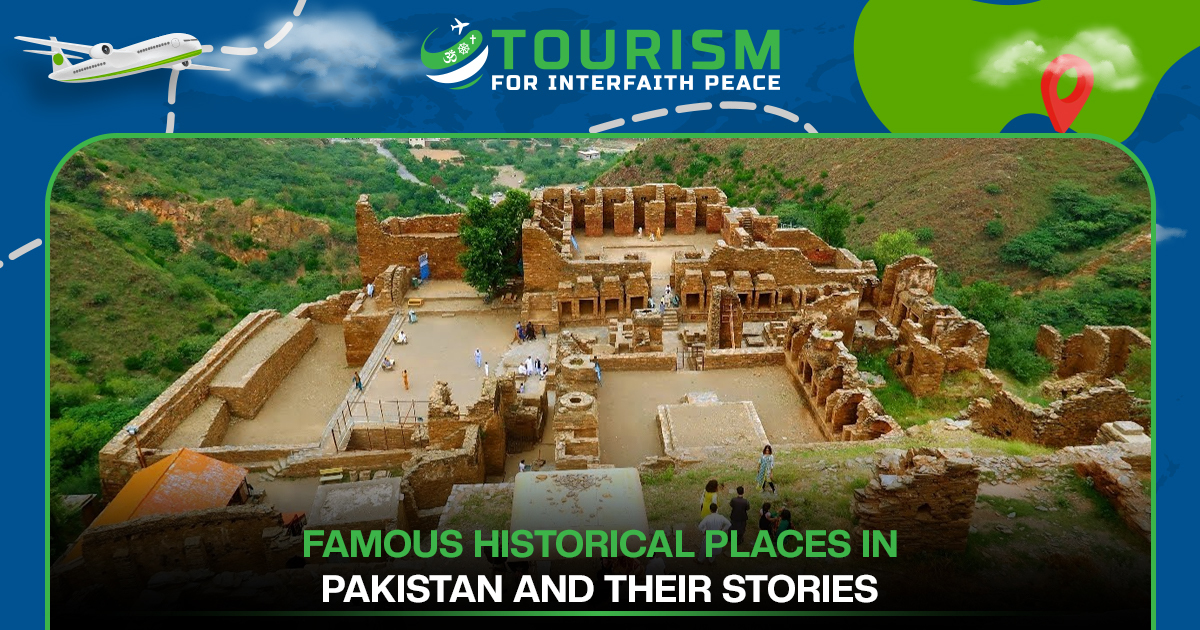
South Asia holds some of the world’s most layered religious and cultural heritage, and much of it lies in Pakistan. Taxila, inscribed as a UNESCO World Heritage Site in 1980, preserves Buddhist monasteries and stupas alongside traces of other civilisations. The Kartarpur Corridor opened for Sikh pilgrims to mark the 550th birth anniversary of Guru Nanak, and academic studies in Pakistan have examined it as an example of religious tourism supporting peacebuilding.
The same research flags risks, including over-tourism and cultural insensitivity. Responsible tourism in Pakistan therefore means protecting sites, training local guides, sharing benefits with nearby communities and presenting every tradition with accuracy and dignity, none at another’s expense.
From Looking to Understanding
Responsible tourism will not settle old disputes or replace policy. What it can do is give people reasons to meet one another as individuals, on terms of curiosity and dignity. That is the ground interfaith tourism stands on: every visitor treated as a guest, every host as a partner.
To explore how this could work in practice, share this article with a travel operator, educator or heritage group, and get in touch with TIP to start the conversation.
Frequently Asked Questions
How can tourism promote interfaith harmony?
By creating respectful contact between people of different faiths through heritage visits, cultural exchanges and community-led experiences. Outcomes depend on how well the experience is designed and managed.
Can tourism contribute to peacebuilding?
It can support peacebuilding by encouraging dialogue and mutual understanding, but it cannot create peace alone. Justice, security and trust remain essential.
What is responsible tourism?
Tourism that respects local people, cultures and heritage, shares benefits with host communities and limits harm. The UN Tourism Global Code of Ethics offers a widely cited framework.
How can tourists respect religious and cultural differences?
Learn about a place beforehand, follow dress and photography guidance, ask before photographing people, keep noise low and take direction from local guides and caretakers.
What is community-led tourism and why does it matter?
It is tourism planned and run with the participation of local residents, who share in decisions and income. It helps keep benefits local and reduces the risk of misrepresentation.
Is Pakistan suited to responsible interfaith tourism?
Pakistan has heritage linked to many traditions, such as UNESCO-listed Taxila. Suitability depends on conservation, local participation and visitor conduct. Check current travel advisories before planning.