Across Pakistan you can stand in a Bronze Age city, a Buddhist monastery, a Mughal mosque, a Hindu pilgrimage site, and a Sikh gurdwara. Few countries pack that much into one map.
That range is why historical places in Pakistan reward culture lovers more than a quick sightseeing trip. Each site carries the story of a community that built it, prayed in it, or still does. Understanding those stories is the first step toward understanding the people who live beside them, which is the idea behind Tourism for Interfaith Peace (TIP).
What Are the Best Historical Places to Visit in Pakistan?
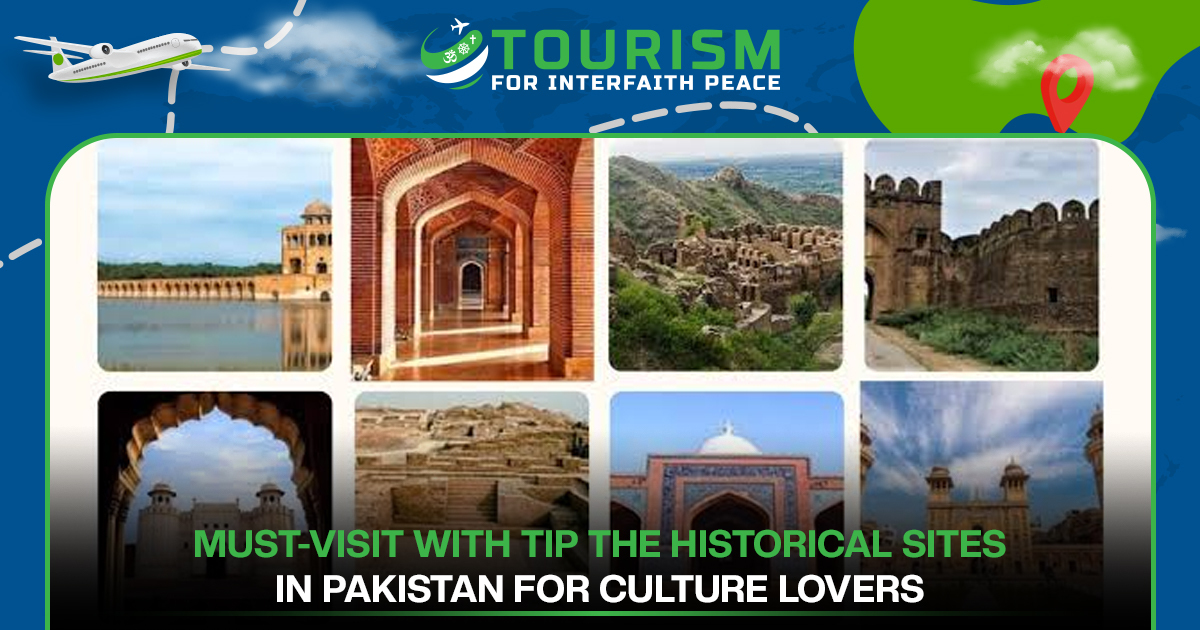
| Top choices for culture lovers include Mohenjo-daro, Taxila, Takht-i-Bahi, Lahore Fort and Badshahi Mosque, Rohtas Fort, Makli Necropolis, Multan’s shrines, Katas Raj, and Gurdwara Darbar Sahib Kartarpur.Together they span Indus Valley, Buddhist, Mughal, Sufi, Hindu, and Sikh heritage. UNESCO lists six cultural properties for Pakistan, and many of these sites are also active places of worship, so visit with care. |
Why Historical Tourism Is More Than Sightseeing
A fort tells you who ruled. A monastery tells you who studied and what they believed. A shrine tells you who still comes to pray. Read together, they show how faiths and civilisations shared the same landscape across centuries. Travellers who listen to custodians and local guides come away with more than a photograph.
Ancient Pakistan: Indus Cities and Buddhist Learning
Mohenjo-daro, Sindh
Near Larkana, Mohenjo-daro was one of the largest cities of the Indus Valley Civilisation, around 2500 BCE. You can walk a planned street grid lined with brick drains and see the Great Bath. Its script is still undeciphered, a useful reminder of how much remains unknown. Salt is damaging the brickwork, so avoid touching or climbing walls.
Taxila, Punjab
UNESCO describes Taxila as an important Buddhist centre of learning between the 5th century BCE and the 2nd century CE. Stupas, monastery ruins, and the Sirkap city plan survive near Islamabad and Rawalpindi, and they show how this region connected Central Asia, Persia, and South Asia. Leave the ruins exactly as you find them.
Takht-i-Bahi, Khyber Pakhtunkhwa
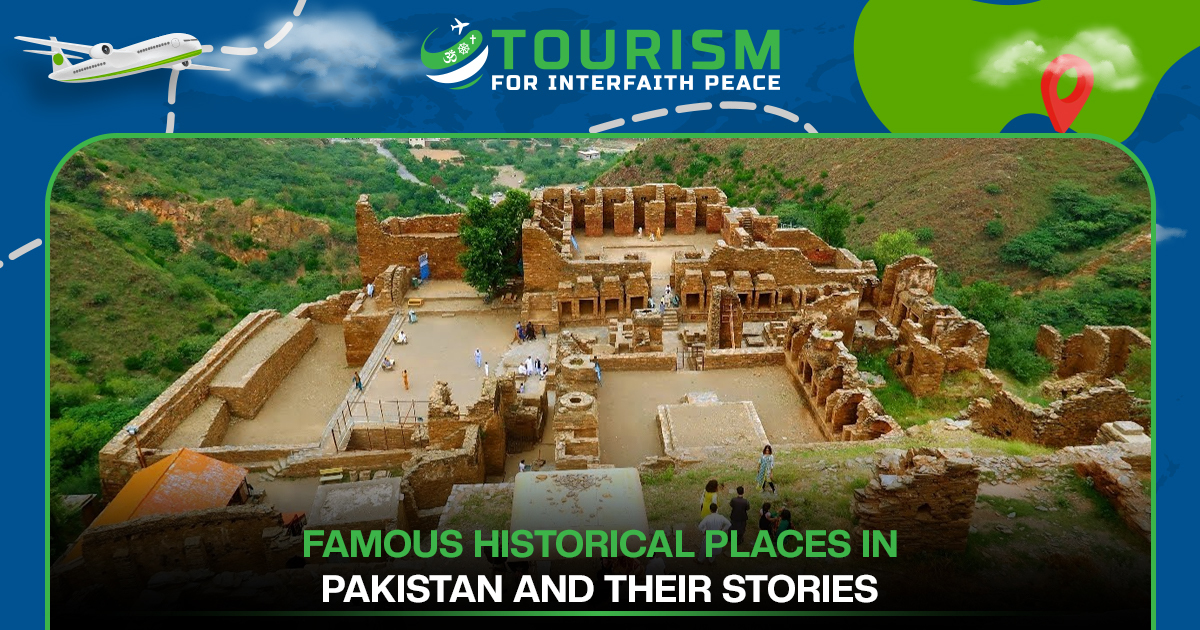
Near Mardan, this Buddhist monastery was founded in the 1st century CE and used until the 7th. Courtyards, stupas, and monastic cells climb a hillside, which shows how a community organised its days. Climb carefully and follow caretakers’ guidance.
Mughal Lahore and Rohtas Fort
Lahore Fort and Badshahi Mosque
The Mughals rebuilt Lahore Fort largely in the 17th century, and UNESCO inscribed it with Shalimar Gardens in 1981. Aurangzeb commissioned Badshahi Mosque in 1671, and it was completed in 1673. The mosque is not UNESCO-inscribed and remains an active place of worship, so dress modestly and keep clear of worshippers. For more background, read our guide to famous historical places in Pakistan and the stories behind them.
Rohtas Fort, near Jhelum
Sher Shah Suri began Rohtas Fort in 1541, and UNESCO inscribed it in 1997 as an exceptional example of early Muslim military architecture. A village still lives inside the walls. Hire a local guide and respect residents’ homes.
Sacred Landscapes Across Faiths
Makli Necropolis, Thatta
One of the world’s largest necropolises, Makli holds burials from the 14th century onward and was inscribed by UNESCO in 1981. It is a burial ground, so keep voices low and stay off the graves.
Multan’s historic shrines
Known as the City of Saints, Multan holds the shrines of Bahauddin Zakariya and Shah Rukn-e-Alam, both linked to the Suhrawardi Sufi order. Accounts differ on dates and patrons, so confirm details on site. These are places of living devotion, so ask before photographing.
Katas Raj and Kartarpur
Katas Raj, in Chakwal district, is a Hindu temple complex around a pond that Hindus regard as sacred, and pilgrims still visit. In Narowal district, Gurdwara Darbar Sahib Kartarpur commemorates the place where Guru Nanak spent his final years and died in 1539. A corridor to the site opened on 9 November 2019. At both, follow staff guidance and ask before photographing worship.
Where TIP Fits
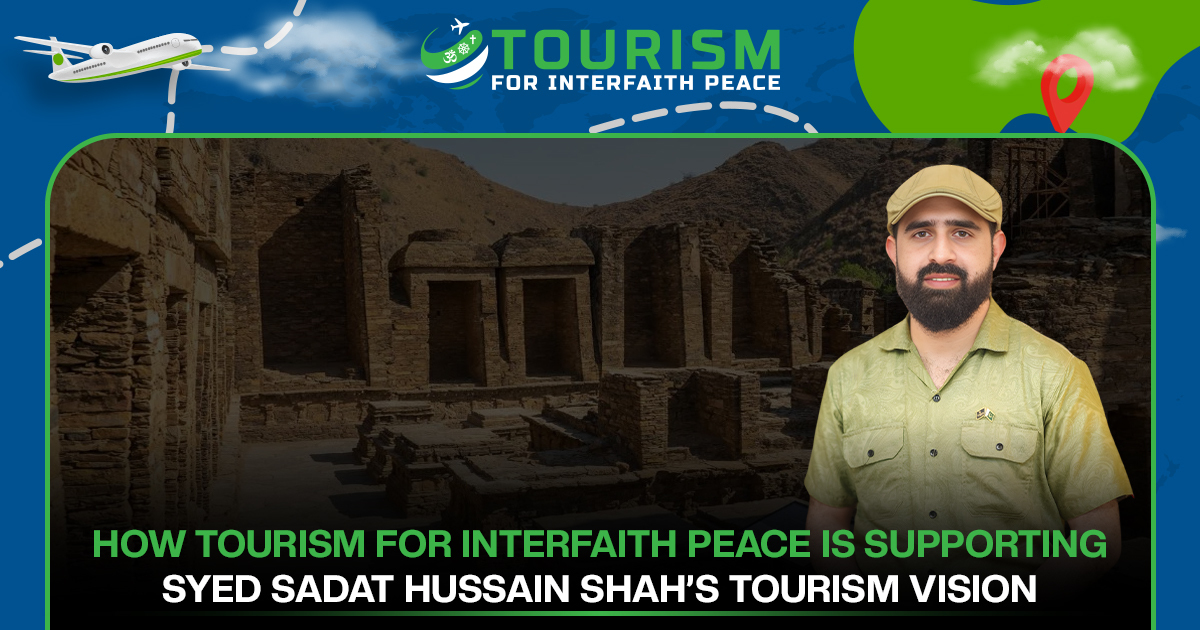
Tourism for Interfaith Peace is an Islamabad-based organisation that describes its mission as building bridges across religious and cultural boundaries through sustainable tourism. It says it designs journeys to sacred and historic sites and hosts events, interfaith dialogues, and workshops.
TIP has not published participation figures or outcome data, so read its approach as a stated view: understanding begins with proximity, and heritage tourism works best when it benefits the people who care for these places.
How to Visit Responsibly
- Dress modestly at mosques, shrines, temples, and gurdwaras.
- Ask before photographing worship or residents.
- Stay on marked paths, and never climb ruins or take fragments.
- Hire local guides and buy from local craftspeople.
- Check current conditions and site access before you travel.
Plan Your Journey
A good next step is our longer guide to 15 historical places to visit in Pakistan with TIP, which adds Hunza’s forts and Peshawar’s old city along with practical advice. Then explore Tourism for Interfaith Peace and its heritage resources. Travel slowly, spend locally, and let each place tell its own story.
Frequently Asked Questions
What are the most important historical places in Pakistan?
Mohenjo-daro, Taxila, Takht-i-Bahi, Lahore Fort, Badshahi Mosque, Rohtas Fort, and Makli Necropolis are among the best known. UNESCO lists six cultural properties for Pakistan.
Which historical sites in Pakistan are best for culture lovers?
Culture lovers often start with Lahore’s Walled City, Taxila near Islamabad, and Rohtas Fort, then add Mohenjo-daro, Makli, Multan, Katas Raj, or Kartarpur for broader faith and civilisation context.
Why is Pakistan important for cultural and religious heritage?
Buddhist, Hindu, Sikh, Sufi, and Mughal Islamic heritage all sit within one country, and many of these places are still used for worship today.
How can travellers explore Pakistan’s heritage responsibly?
Follow caretakers’ guidance, respect prayer areas, avoid damaging fragile structures, ask before photographing people, and spend locally on guides, lodging, and crafts.