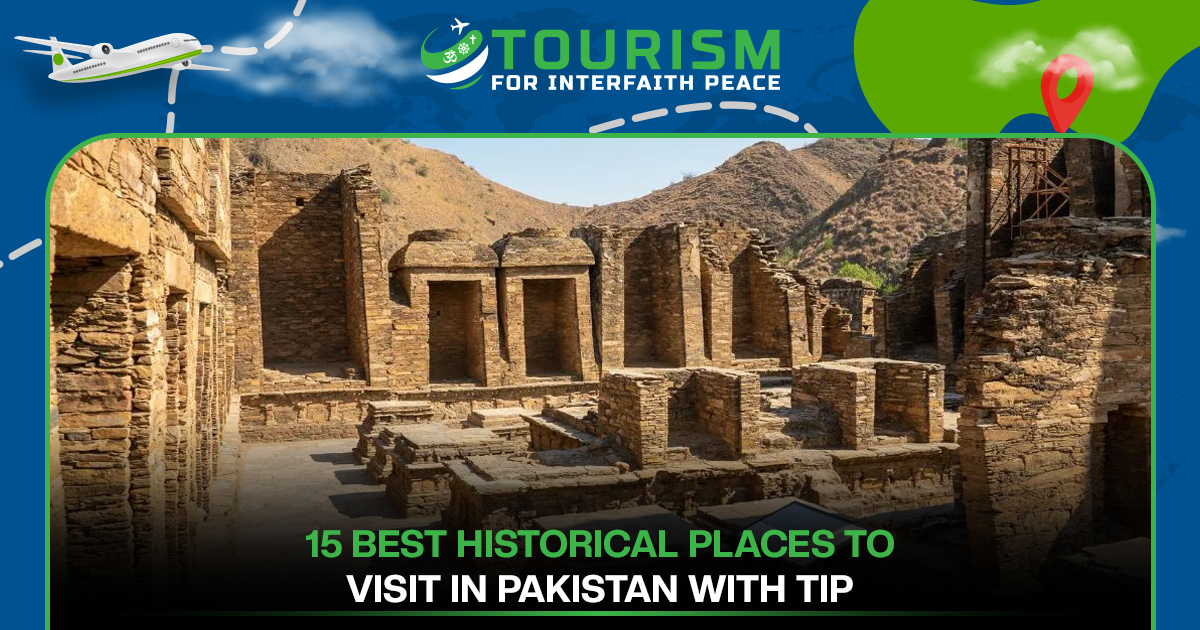
| Among the best historical places to visit in Pakistan are Lahore Fort, Badshahi Mosque, Wazir Khan Mosque, Shalimar Gardens, Taxila, Rohtas Fort, Mohenjo-daro, Makli Necropolis, Derawar Fort, Takht-i-Bahi, Baltit and Altit Forts, Katas Raj Temples, Peshawar’s old city and Kartarpur. Many are places of worship or living communities, so respectful travel matters. Tourism for Interfaith Peace (TIP) argues that heritage tourism works best when it benefits the people who care for these sites. |
A Mughal gateway in Lahore, Buddhist stupas outside Rawalpindi, a desert fort rising from the sand: Pakistan’s past sits in plain view. Choosing among these places takes some thought, because many are still places of worship or home to living communities.
The 15 historical places below stick to established facts. Travel advice is labelled as advice, and what TIP has documented stays separate from both.
Why Historical Tourism Matters in Pakistan
UNESCO lists six cultural properties for Pakistan, and the country’s religious heritage reaches well beyond that list: Buddhist monasteries, Sikh gurdwaras, Hindu temples and Mughal mosques. Many remain in daily use. That is why TIP’s approach to religious heritage tourism treats a visit as being a guest in someone’s place of worship, not only photographing architecture.
15 Historical Places to Visit in Pakistan
| Place | Region | Type | UNESCO status |
|---|---|---|---|
| Lahore Fort | Lahore, Punjab | Mughal fort | Inscribed 1981 |
| Badshahi Mosque | Lahore, Punjab | Mosque | Not inscribed |
| Wazir Khan Mosque | Lahore, Punjab | Mosque | Not inscribed |
| Shalimar Gardens | Lahore, Punjab | Mughal garden | Inscribed 1981 |
| Taxila | Punjab | Ancient city | Inscribed 1980 |
| Rohtas Fort | Jhelum, Punjab | Fort | Inscribed 1997 |
| Mohenjo-daro | Sindh | Indus city | Inscribed 1980 |
| Makli Necropolis | Thatta, Sindh | Necropolis | Inscribed 1981 |
| Derawar Fort | Bahawalpur, Punjab | Desert fort | Tentative List |
| Takht-i-Bahi | Mardan, KP | Monastery | Inscribed 1980 |
| Baltit Fort | Hunza | Fort | Not inscribed |
| Altit Fort | Hunza | Fort | Not inscribed |
| Katas Raj Temples | Chakwal, Punjab | Temple complex | Not inscribed |
| Peshawar old city | Peshawar, KP | Historic city | Not inscribed |
| Gurdwara Darbar Sahib | Narowal, Punjab | Gurdwara | Not inscribed |
1. Lahore Fort
Location: Walled City, Lahore. Significance and sights: Largely rebuilt in the 17th century, the fort belongs to a UNESCO site inscribed in 1981 for its Mughal monuments. Visitors see the Sheesh Mahal and the Alamgiri Gate. Travel tip: Stay on marked paths and avoid touching fragile inlaid surfaces.
2. Badshahi Mosque
Location: Opposite Lahore Fort, across Hazuri Bagh. Significance and sights: Aurangzeb commissioned it in 1671, and it was completed in 1673. Red sandstone with marble inlay frames a large courtyard and a gateway facing the fort. Travel tip: It is an active mosque, so dress modestly and keep clear of worshippers.
3. Wazir Khan Mosque
Location: Walled City, near Delhi Gate. Significance and sights: Work began around 1634–35 under Shah Jahan and took about seven years. It is known for tilework and frescoes, and it encloses the tomb of the Sufi saint Miran Badshah. Travel tip: Dress modestly and buy from the bazaar lanes around it.
4. Shalimar Gardens
Location: Lahore. Significance and sights: Shah Jahan laid them out in 1641–42, and UNESCO inscribed them with Lahore Fort in 1981. Three terraces hold pavilions, water channels and ornamental ponds. Travel tip: Keep to the paths and out of the water features.
5. Taxila
Location: Near Rawalpindi and Islamabad, Punjab. Significance and sights: UNESCO describes Taxila as an important Buddhist centre of learning between the 5th century BCE and the 2nd century CE. Stupas, monastery ruins and the city plan at Sirkap survive. Travel tip: Do not climb ruins or take fragments.
6. Rohtas Fort
Location: Near Dina, northwest of Jhelum. Significance and sights: Sher Shah Suri began it in 1541, and UNESCO inscribed it in 1997 as an exceptional example of early Muslim military architecture. Massive gates and walls surround a village that still lives inside. Travel tip: Hire a local guide and respect residents’ homes.
7. Mohenjo-daro
Location: Sindh, near Larkana. Significance and sights: One of the largest cities of the Indus Valley Civilisation, inscribed in 1980. Visitors walk a planned street grid with brick drains and the Great Bath. Travel tip: Salt already damages the brickwork, so avoid touching or climbing walls.
8. Makli Necropolis
Location: Thatta, Sindh. Significance and sights: One of the world’s largest necropolises, with burials from the 14th century onward, inscribed in 1981. Sandstone and brick tombs spread across the hill, and Thatta’s tiled Shah Jahan Mosque stands nearby. Travel tip: This is a burial ground, so keep voices low and avoid stepping on graves.
9. Derawar Fort
Location: Cholistan Desert, Bahawalpur district. Significance and sights: A Bhati fort of roughly the 9th century, rebuilt in its present form in the early 1730s by an Abbasi nawab. Forty bastions rise from the desert. Travel tip: The fort is privately owned, so arrange interior access with the Abbasi family.
10. Takht-i-Bahi
Location: Near Mardan, Khyber Pakhtunkhwa. Significance and sights: A Buddhist monastery founded in the 1st century CE and used until the 7th century, inscribed in 1980. Courtyards, stupas and monastic cells climb a hillside. Travel tip: Climb carefully and follow caretakers’ guidance.
11. Baltit Fort
Location: Karimabad, Hunza. Significance and sights: Home of the Mirs of Hunza for centuries, with foundations about 700 years old. The Aga Khan Trust for Culture restored it, and it reopened as a museum in 1996. Travel tip: Hire Hunza guides and stay in locally run guesthouses.
12. Altit Fort
Location: Altit village, Hunza. Significance and sights: Older than Baltit: the Hunza rulers lived here first. The fort looks down on the village below. Travel tip: Altit is a living village, so ask before photographing residents.
13. Katas Raj Temples
Location: Chakwal district, Salt Range, near Kallar Kahar. Significance and sights: A Hindu temple complex around a pond Hindus regard as sacred, including the group known as Satghara. Walkways link the temples. Travel tip: This is a pilgrimage site, so ask before photographing worship.
14. Peshawar’s old city
Location: Peshawar, Khyber Pakhtunkhwa. Significance and sights: Early Sanskrit and classical writers mention the Peshawar area. The Mughal-era Mahabat Khan Mosque, usually dated 1630, and Qissa Khwani Bazaar, the Street of Storytellers, anchor a visit. Travel tip: Go with a local guide and check current conditions before travel.
15. Gurdwara Darbar Sahib Kartarpur
Location: Kartarpur, Narowal district. Significance and sights: It commemorates the place where Guru Nanak spent his final years and died in 1539. A corridor to the site opened on 9 November 2019. Travel tip: Follow staff guidance on head coverings and footwear.
Responsible and Meaningful Heritage Travel
These are general recommendations, not rules set by any site. Read about a place before you go, follow caretakers’ guidance and respect prayer areas. Ask before photographing worship, keep quiet during prayer hours and spend locally on guides, lodging and crafts.
How TIP Supports Heritage Tourism and Communities
What TIP has documented. Tourism for Interfaith Peace is an Islamabad-based organization. Its About page describes a mission of building bridges across religious and cultural boundaries through sustainable tourism, and says it designs journeys to sacred and historic sites and hosts events, interfaith dialogues and workshops. It reports a launch on 12 October 2024, and Syed Sadat Hussain Shah is listed as CEO.
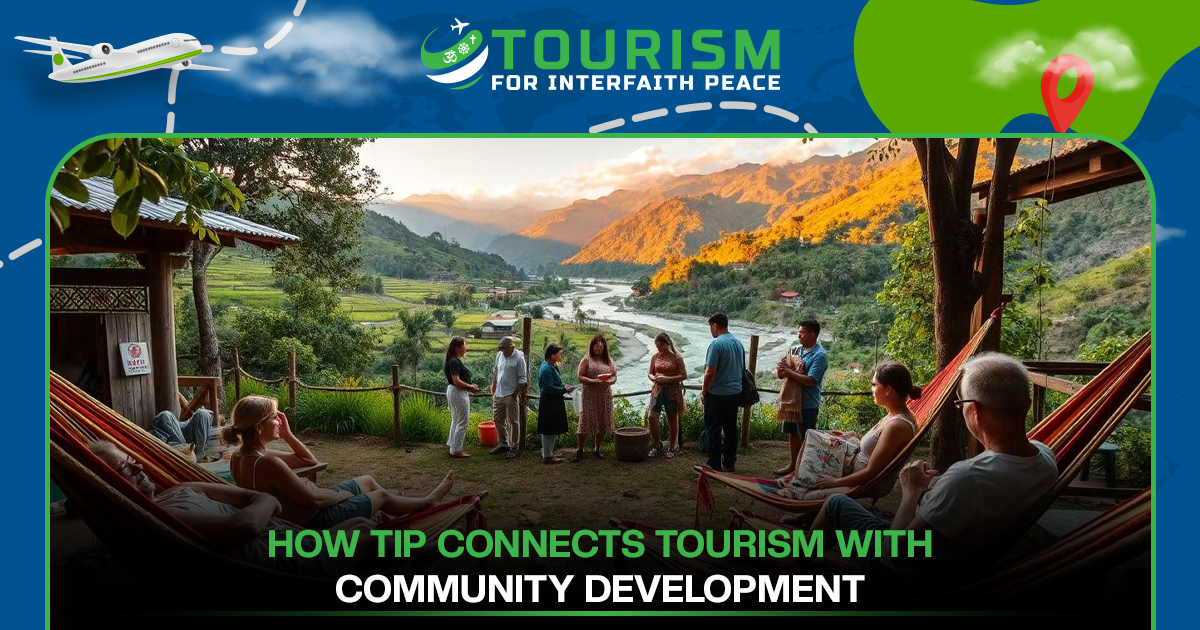
Its published thinking on TIP’s connection between tourism and community development recommends training guides from custodian communities, including minority communities, buying locally and publishing how entry fees are spent. These are recommendations, not reported results.
What it has not documented. TIP has not published participation figures, conservation projects or outcome data. Its contribution so far is advocacy and awareness, and its stated view that understanding begins with proximity is a reasoned view, not a proven effect.
Frequently Asked Questions
What are the best historical places to visit in Pakistan?
Notable historical places to visit in Pakistan include Lahore Fort, Badshahi Mosque, Wazir Khan Mosque, Shalimar Gardens, Taxila, Rohtas Fort, Mohenjo-daro, Makli Necropolis, Derawar Fort, Takht-i-Bahi, Baltit and Altit Forts, Katas Raj Temples, Peshawar’s old city and Gurdwara Darbar Sahib Kartarpur. All six of Pakistan’s UNESCO World Heritage Sites are among them.
Which historical sites in Pakistan are UNESCO World Heritage Sites?
Six: Mohenjo-daro, Taxila, Takht-i-Bahi, the Fort and Shalamar Gardens in Lahore, Makli at Thatta, and Rohtas Fort.
What is religious tourism in Pakistan?
It is travel to shrines, monasteries, temples, churches and other sacred sites that helps visitors understand the communities connected to them. Many remain places of daily worship.
How can heritage tourism support local communities?
Visitors spend on guides, transport, food, lodging and crafts, so income can reach local people. The benefit depends on hiring and buying locally.
What does responsible tourism mean at historical sites in Pakistan?
Following caretakers’ guidance, respecting prayer areas, avoiding damage to fragile structures and spending locally.
What does Tourism for Interfaith Peace do?
TIP says it designs journeys to sacred and historic sites and hosts events, interfaith dialogues and workshops. It has not published outcome data.
Does TIP run tours to these 15 places?
TIP’s published materials do not list tours to these specific destinations. Confirm any itinerary with TIP directly.
Conclusion: Visit Slowly, Spend Locally
Pakistan’s historical places reward visitors who arrive curious and leave things as they found them. To learn more about the organization behind this approach, visit Tourism for Interfaith Peace and explore the country’s religious and historical heritage responsibly.