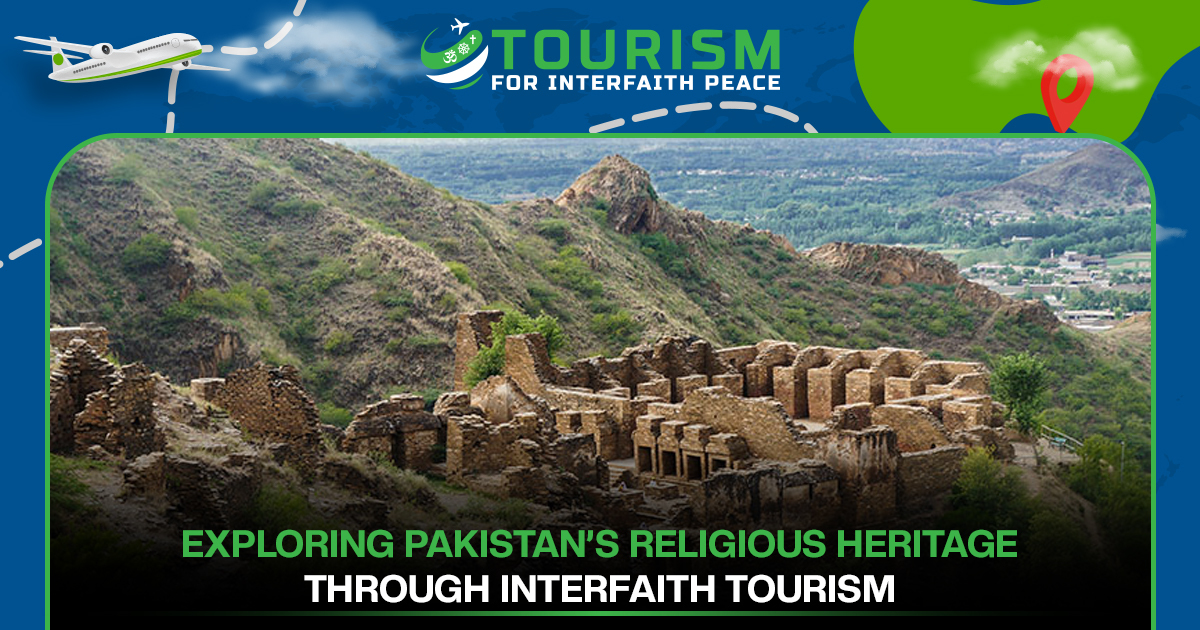
A Buddhist monastery on a hillside in Khyber Pakhtunkhwa. A gurdwara in Narowal. A temple complex around a sacred pond in Chakwal. Each is worth the journey, and each asks the same thing of a visitor: arrive as a guest.
| Interfaith tourism in Pakistan means visiting religious and cultural heritage sites with respect for the communities connected to them and a wish to understand, not just photograph. The country’s heritage includes Buddhist, Sikh, Hindu, Sufi, Christian and Kalash traditions, plus six UNESCO World Heritage Sites. |
What Is Interfaith Tourism in Pakistan?
Interfaith tourism is travel to religious and cultural sites with real interest in the people connected to them. It is a way of approaching religious tourism, not a separate industry. The visitor arrives with curiosity, treats the community that maintains a site as the authority on its own tradition, and leaves with more than photographs.
Pilgrimage is different: pilgrims travel for religious observance. Pilgrims, cultural travelers and history enthusiasts often share the same sites, and all of them benefit when a place is presented accurately and respectfully.
Religious Heritage of Pakistan at a Glance
Pakistan’s sacred sites span several living and historical traditions.
- Buddhist heritage: Taxila and the Buddhist ruins of Takht-i-Bahi, with the neighbouring remains at Sahr-i-Bahlol, were inscribed by UNESCO in 1980. Buddhist remains also survive in Swat.
- Sikh heritage: Gurdwara Darbar Sahib Kartarpur in Narowal, associated with Guru Nanak’s later years, opened to pilgrims from India through the Kartarpur Corridor in November 2019. Nankana Sahib, where Guru Nanak was born, is another major site.
- Hindu heritage: temples remain active across Sindh, and the Katas Raj complex in Punjab’s Chakwal district is built around a sacred pond.
- Sufi heritage: shrines are woven into daily life across Punjab.
- Christian and Kalash communities: both keep their own festivals and customs today, as living practice rather than historical remnants. The Kalash valleys lie in Chitral.
Pakistan has six UNESCO World Heritage Sites in total, including Moenjodaro, Lahore Fort and Shalamar Gardens, Rohtas Fort and the monuments at Makli, Thatta.
Why Interfaith Tourism Matters
Small exchanges do most of the work: a shared meal, a question put to a local guide, an explanation offered without being asked. They build familiarity without asking anyone to agree on belief, and they give travelers a fuller picture than headlines do.
Host communities gain something too. When visitors bring income to the people who look after a site, those people have a stronger stake in protecting it. Tourism cannot settle deeper social or political divisions. Its realistic contribution is smaller, and still worth having.
How to Visit Sacred Sites Respectfully
Ask before you assume. Norms differ between sites, faiths and even times of day, so the guidance of a site’s caretakers outranks any general rule.
Before you go
Check opening hours, entry rules and any permits. Access can change, particularly where security or cross-border arrangements apply, so confirm current conditions with official or community sources. Read about the site’s history and how it is used today.
At the site
- Dress modestly unless told otherwise, and follow instructions about covering your head or removing shoes.
- Ask before photographing people, worship or ceremonies.
- Keep clear of active prayer areas unless you are invited in.
- Stay on marked paths. Never touch, climb or remove anything at ruins and carvings.
Preserving Heritage and Supporting Local Communities
Sacred heritage lasts when the people nearby have reason to protect it. Hire guides and interpreters from the local community, stay in locally owned lodging where you can, buy from local artisans and pay entry or donation fees. Local caretakers and families near a shrine or temple should share in what tourism earns and have a say in how their tradition is presented.
Tourism for Interfaith Peace and Syed Sadat Hussain Shah’s Vision
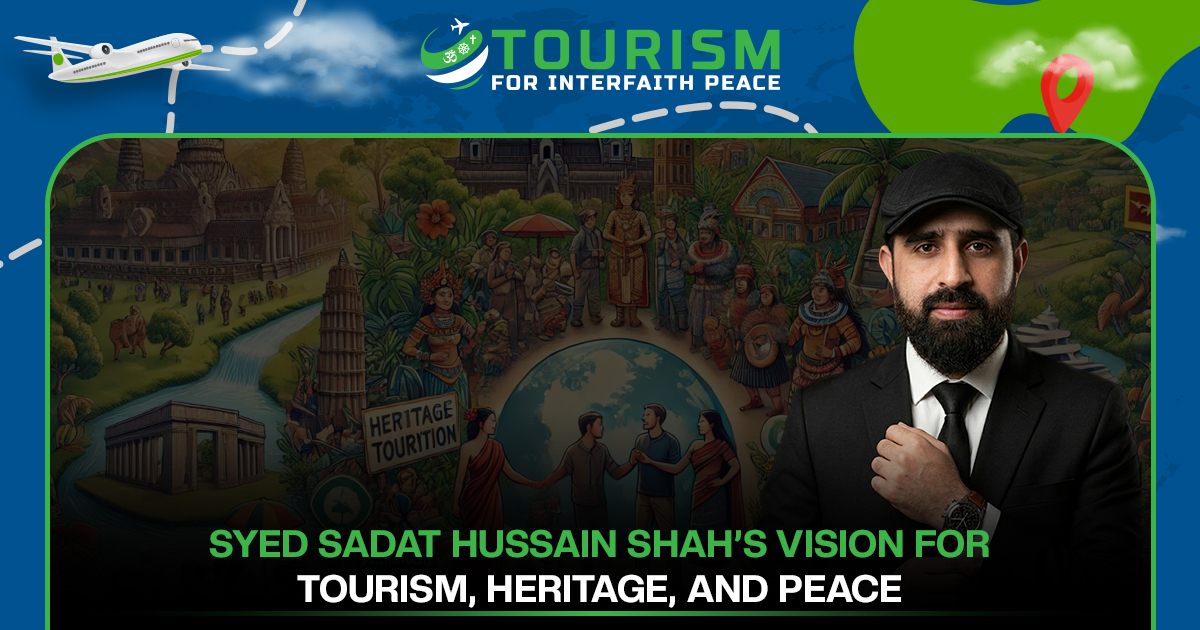
Tourism for Interfaith Peace (TIP) builds its work on this approach. Syed Sadat Hussain Shah, TIP’s Chairman, has argued that Pakistan’s religious diversity deserves to be treated as a present-day tourism asset rather than a historical footnote.
His vision for tourism, heritage and peace sets out the case, including its limits. From sacred heritage to shared experiences shows how local caretakers, protected worship spaces and accurate storytelling turn a visit into contact between people. How he connects religious heritage with tourism looks at what responsible growth requires.
If you are planning a visit or want to learn more about TIP’s work, contact the TIP team.
Frequently Asked Questions
What is interfaith tourism in Pakistan?
It is travel to religious and cultural heritage sites with respect for the communities connected to them and a wish to understand their traditions.
Can I visit religious sites in Pakistan if I follow a different faith?
Many sites welcome respectful visitors, but rules vary by site and by day. Check ahead and follow the caretakers’ guidance.
Which sites are UNESCO World Heritage Sites?
Pakistan has six: Moenjodaro, Taxila, Takht-i-Bahi with Sahr-i-Bahlol, Lahore Fort and Shalamar Gardens, the Makli monuments at Thatta, and Rohtas Fort.
Can tourism promote peace?
It cannot resolve deep social or political divisions, but respectful contact between visitors and communities can soften assumptions and give communities a stake in preserving their heritage.