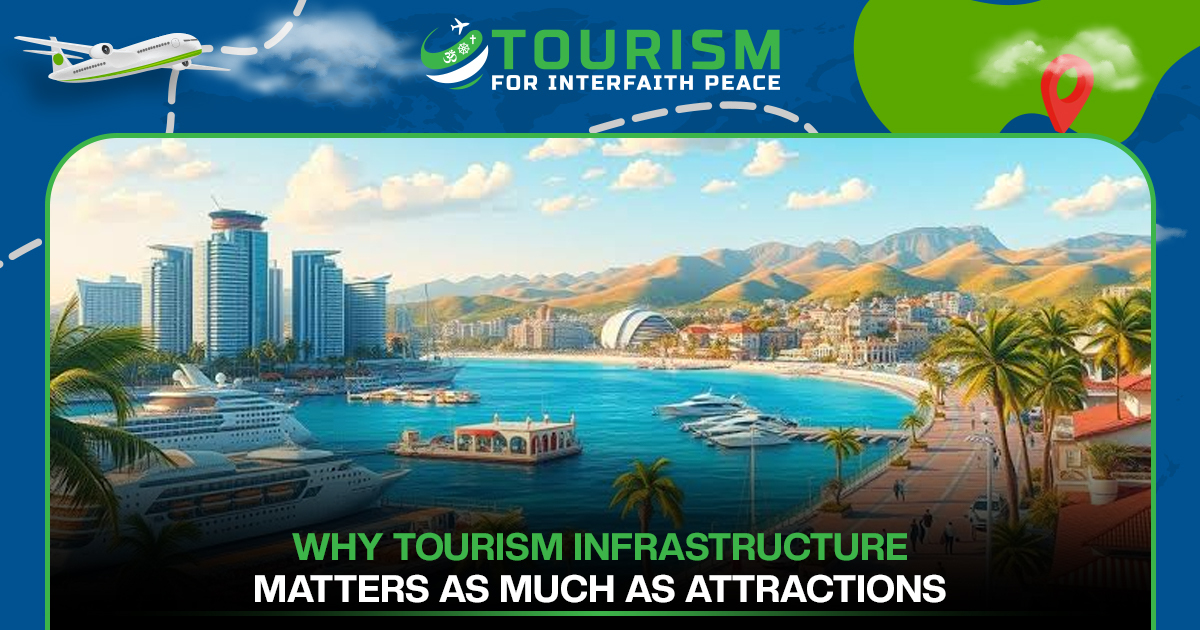
Tourism infrastructure matters because it makes destinations accessible, safe and usable. Roads, accommodation, sanitation, transport, digital connectivity and emergency services influence the quality of the visitor experience and can determine whether tourists stay longer, spend more and return.
A mountain valley can be breathtaking, a heritage site can be centuries old and a beach can offer an unforgettable landscape. But none of these attractions can reach their tourism potential if visitors cannot reach them safely, find suitable accommodation or access basic services once they arrive. Tourism infrastructure matters because it turns a beautiful place into a destination people can actually visit, stay in and return to. Roads, accommodation, sanitation, safety systems and digital connectivity shape the experience as much as the attraction itself.
An Attraction Is Only the Beginning
A visit rarely starts and ends at the attraction. It starts with discovering the destination, planning the trip, and reaching it, then moves through finding accommodation, getting around locally, accessing food and basic services, staying safe, finding reliable information, and eventually leaving comfortably enough to recommend the place or return. A weak link at any of these stages, a road that’s difficult to navigate, a guesthouse with no clean water, can undo the appeal of even the most striking landscape.
Accessibility Can Determine Whether Tourists Come
Roads, highways, airports, railways and local transport decide whether a destination is realistically reachable. A valley in Gilgit-Baltistan or a trekking route near Chitral can be extraordinary, but geographical beauty doesn’t translate into tourism demand if the access road is unreliable or unsafe for much of the year. The same applies closer to cities: pedestrian routes and parking around heritage sites in Lahore or Taxila shape whether a visit feels manageable or exhausting.
Accommodation Turns Visitors Into Longer-Stay Tourists
Hotels, resorts, guesthouses, homestays and camps determine how long a tourist stays and how much they spend locally. Cleanliness, hospitality standards, booking systems, food quality and fair pricing all affect whether a traveller extends a trip through Hunza or Skardu by a few extra days or cuts it short. A destination with strong accommodation options tends to keep visitors spending in the local economy rather than passing through quickly.
Basic Facilities Shape the Tourism Experience
Clean drinking water, functioning toilets, electricity, waste collection, healthcare access and mobile connectivity are easy to overlook until they’re missing. In remote areas like Naran-Kaghan or parts of Gilgit-Baltistan, these become the difference between a memorable trip and a difficult one. Tourist information points and clear signage matter just as much, particularly for travellers unfamiliar with the region.
Safety Is Part of Tourism Infrastructure
Mountain tourism in Pakistan depends heavily on rescue services, emergency medical response, trained guides, weather alerts and clearly marked hiking routes. A destination’s reputation is shaped as much by how it handles an emergency as by how it looks in a photograph. Visitor confidence grows when safety systems are visible and functioning, not just promised.
Digital Infrastructure Is Now Part of Tourism
Travellers increasingly rely on digital navigation, online hotel bookings, digital payments and mobile connectivity to plan and manage a trip. Reliable internet access in tourist areas reduces uncertainty, from confirming a booking to checking a weather alert before a mountain trek. Where connectivity is patchy, even well-run destinations can feel harder to navigate than they actually are.
Tourism Infrastructure Can Create Local Economic Opportunities
Beyond hotels and large investors, infrastructure supports restaurants, transport providers, tour guides, artisans, local retailers and food suppliers. A well-connected destination with functioning basic services gives small local businesses a realistic chance to benefit from tourist spending, rather than concentrating it in a handful of large operators. Involving local communities in how tourism develops tends to produce infrastructure that actually serves the people living there.
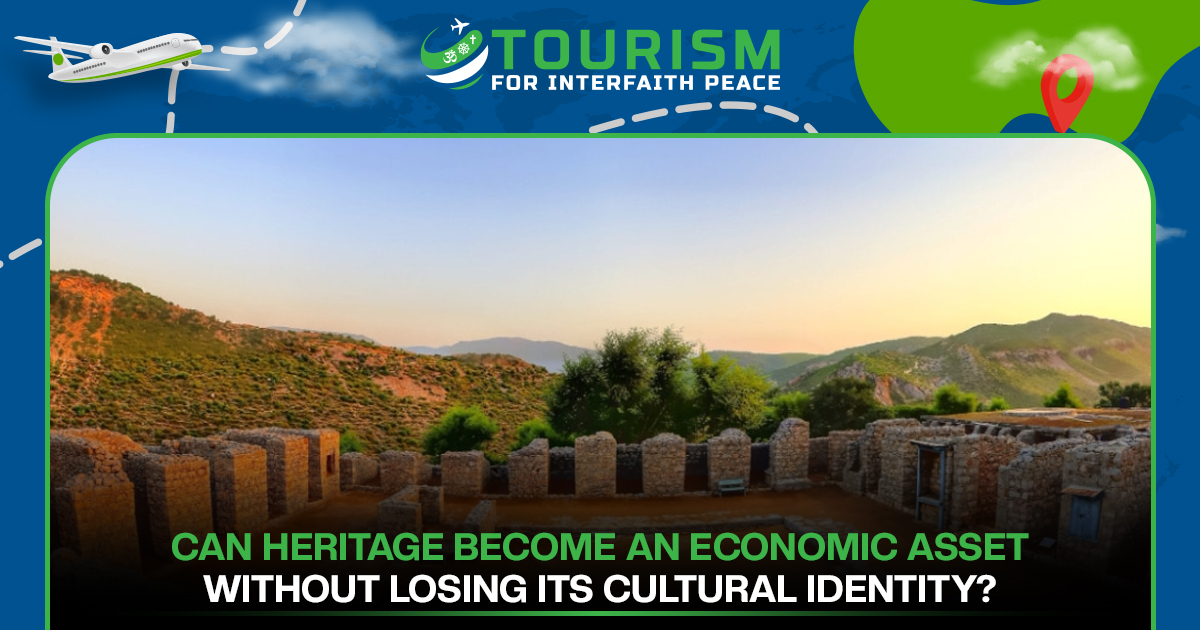
Also Read: Can Heritage Become an Economic Asset Without Losing Its Cultural Identity?
Infrastructure Must Not Destroy the Attraction
More infrastructure does not automatically mean better tourism. Environmental protection, waste management, water conservation, traffic management and heritage preservation all need consideration alongside any new road, hotel or visitor facility. The infrastructure should serve the destination without destroying what makes the destination attractive in the first place, whether that’s a fragile mountain ecosystem or a centuries-old settlement like Makli or Mohenjo-daro.
What Pakistan Needs to Build a Stronger Tourism Economy
A stronger tourism economy depends on better connectivity, quality accommodation, clean public facilities, functioning safety and emergency systems, digital tourism services, skilled hospitality workers, heritage conservation and genuine local community participation. Pakistan doesn’t need identical infrastructure everywhere. A coastal destination like Gwadar has different needs than a mountain route through Swat or a historic city like Multan, and infrastructure works best when it’s designed around each destination’s specific character.
Why Tourism Infrastructure Matters for Investment
Improved infrastructure can potentially support longer visitor stays, stronger tourism businesses, hospitality investment and local employment. It can improve the underlying economic attractiveness of a destination. That said, infrastructure alone doesn’t guarantee investment returns or property appreciation; investors should still evaluate demand, regulation, development quality and market conditions on their own merits before committing capital.
Tourism for Interfaith Peace looks at these questions as part of a broader interest in how Pakistan’s destinations can develop responsibly, connecting infrastructure, hospitality and community participation into a more complete picture of what makes a destination work.
FAQs
Why is tourism infrastructure important?
Tourism infrastructure matters because it makes destinations accessible, safe and usable. Roads, accommodation, sanitation, transport, digital connectivity and emergency services influence the quality of the visitor experience and can determine whether tourists stay longer, spend more and return.
What infrastructure does a tourist destination need?
Requirements vary by destination type, but generally include roads and transport, accommodation, clean water and sanitation, electricity, healthcare and emergency response, digital connectivity, and clear signage or tourist information.
How does infrastructure affect tourism?
Infrastructure affects every stage of a visitor’s journey, from reaching a destination to staying safe and finding basic services once there. Weak infrastructure at any stage can reduce satisfaction, shorten stays and limit local spending.
How can tourism infrastructure benefit local communities?
Functioning infrastructure supports restaurants, transport providers, guides, artisans and local retailers, not just large hotels. When communities participate in how infrastructure develops, tourism spending is more likely to reach the people actually living in the destination.
Why does Pakistan need better tourism infrastructure?
Pakistan has significant natural, cultural and historical attractions, but accessibility, accommodation, safety systems and basic facilities determine whether those attractions can generate sustainable tourism activity rather than remaining difficult to reach or experience.