A destination can welcome thousands of visitors a year, fill its hotels, and still leave the people who live there with only a thin slice of the money tourism generates. Visitor numbers make an easy headline. They don’t tell you who owns the guesthouses, who supplies the food on the table, or who decides what gets built next on the hillside. The more useful question isn’t how many people came. It’s this: when tourism grows, who actually benefits? Local ownership is central to answering that well.
What Does Local Ownership Mean in Tourism?
Local ownership means residents of a destination hold a meaningful stake in the businesses tourism depends on — hotels, guesthouses, restaurants, tour operators, transport services, handicraft businesses, adventure tourism companies, cultural experiences, and local guiding services. Ownership differs from employment, and the distinction matters more than it first appears.
A hotel can employ dozens of local staff — housekeepers, cooks, drivers — while the profits, decision-making, and long-term value of the property sit with an owner based elsewhere entirely. Employment brings wages. Ownership brings wages plus profit, equity, and a say in how the business is run. A destination built mostly on local employment inside outside-owned businesses looks very different, over a generation, from one where local people also own a meaningful share of what tourism has built.
Local Ownership Keeps More Tourism Revenue in the Community
Tourism economists describe money that leaves a destination almost as fast as it arrives as economic leakage — spending that flows to foreign-owned hotel chains, imported goods, or profits repatriated abroad rather than staying local. The scale varies, but a 2024 Travel Foundation analysis found that on average, roughly half to four-fifths of what a tourist spends can leave the local area, with the least developed destinations often losing the largest share — consistent with earlier UN Environment and UNWTO research on leakage across regions.
Local ownership is one of the more direct ways to narrow that gap. When a guesthouse is locally owned and its kitchen buys from nearby farmers, tourist spending circulates through the local economy multiple times instead of exiting after one transaction. Some imports and outside expertise remain unavoidable, especially in early-stage destinations, but the more of the value chain that’s locally owned, the more of that multiplier effect a community keeps.
Local Owners Can Create More Authentic Visitor Experiences
Visitors increasingly want experiences that feel genuine rather than staged. Local owners are often better positioned to deliver that, because they’re not translating a culture from the outside; they’re living inside it.
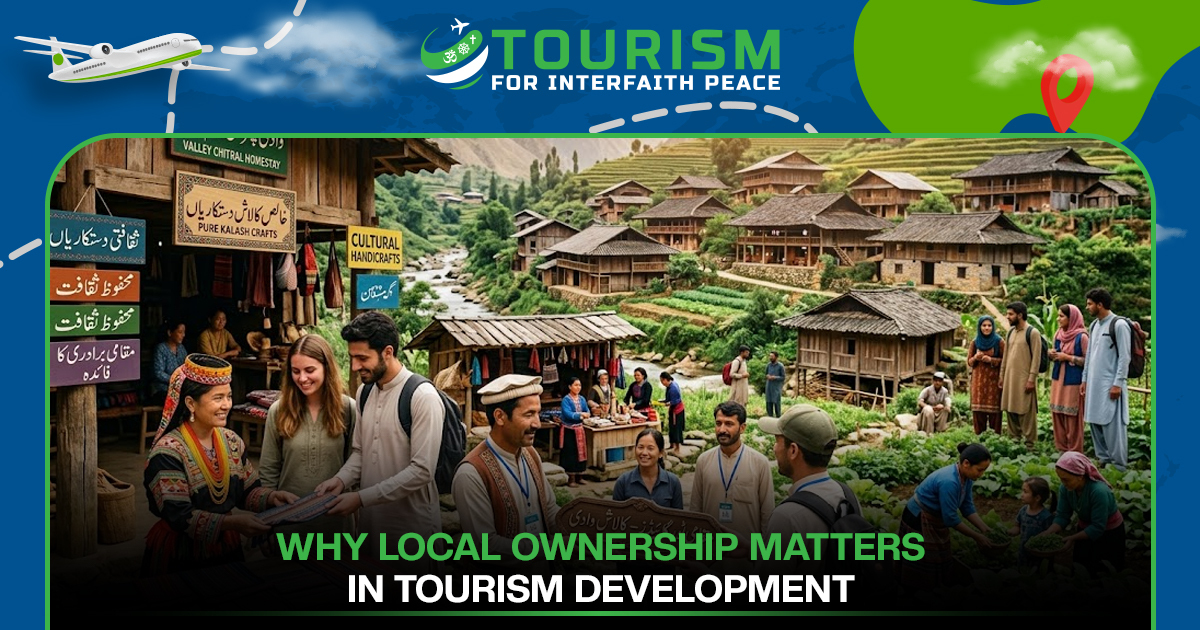
This doesn’t mean turning tradition into a performance for cameras. Respectful tourism lets communities decide how their own culture, food, and stories are represented, rather than having that decided for them by an operator with no lasting stake in the place. A local guide explaining a landscape they grew up in carries a credibility that’s difficult to manufacture from outside.
Local Ownership Supports Jobs and Entrepreneurship
Ownership opens doors beyond a paycheck. Tour businesses, homestays, food ventures, craft enterprises, adventure outfits, digital travel services, and small transport operations give local people a path from employee to entrepreneur — particularly for youth, for women entering business ownership through low-barrier ventures like homestays or crafts, and for rural entrepreneurs who may lack access to formal employment altogether.
None of this happens automatically. It requires financing, training, and market access that many aspiring local tourism entrepreneurs currently lack — a gap policy and investment can help close.
Local Ownership Can Strengthen Sustainable Tourism
Communities with a genuine economic stake in tourism often have stronger incentives to protect the natural environment, cultural heritage, and historic sites that draw visitors in the first place — because the value of those assets is now tied to their own livelihoods.
But local ownership alone doesn’t guarantee sustainability. A locally owned hotel can still overuse water, and a heritage site can still be degraded by uncontrolled visitor numbers regardless of who owns the surrounding businesses. Sustainable tourism also depends on responsible planning, environmental regulation, infrastructure, visitor management, and transparent governance. Local ownership strengthens the incentive structure; it doesn’t replace the need for good management.
What Can Governments and Tourism Organizations Do?
Destinations that want to grow local ownership tend to invest in a similar set of tools: easier finance access for small tourism businesses, hospitality and entrepreneurship training, digital marketing support, simplified business registration, targeted infrastructure investment, local procurement requirements for larger operators, genuine community consultation, and public-private partnerships built on transparent terms.
None of this requires shutting out foreign investment. Local ownership and outside capital can coexist productively — an international hotel chain that commits to local sourcing and staff development contributes differently, and often more sustainably, than one that simply extracts value and leaves.
What Local Ownership Could Mean for Emerging Destinations
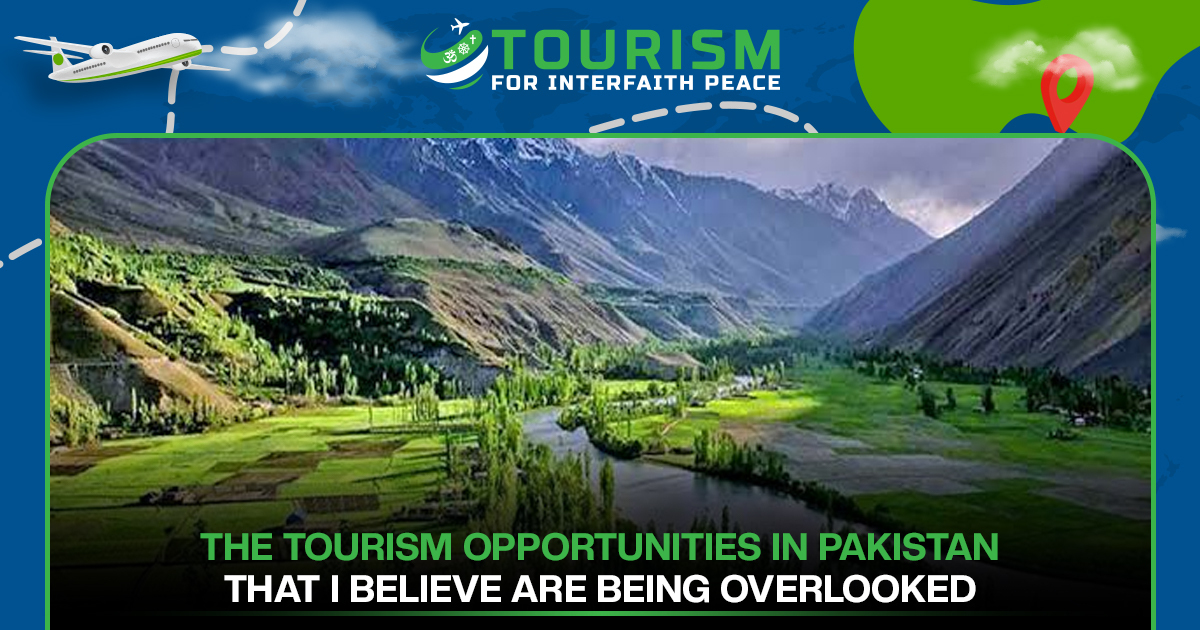
For destinations still building their tourism sector — northern Pakistan’s mountain valleys, heritage cities across South Asia, coastal communities, and interfaith and cultural tourism destinations alike — the question of ownership is worth asking early, before development patterns harden. Are local people simply workers inside a tourism economy someone else designed, or are they becoming its owners and decision-makers? The answer shapes not just who profits, but who has a genuine say in how a place grows.
Conclusion
When tourism grows, who benefits isn’t a footnote to destination planning — it’s the question that determines what kind of growth actually happens. The strongest tourism destinations aren’t necessarily the ones pulling in the most visitors; they’re the ones where growth builds lasting value for the people who call that place home. That requires local people to be more than hosts and hired staff. It requires them to be owners, entrepreneurs, and decision-makers with a genuine stake in what tourism becomes.