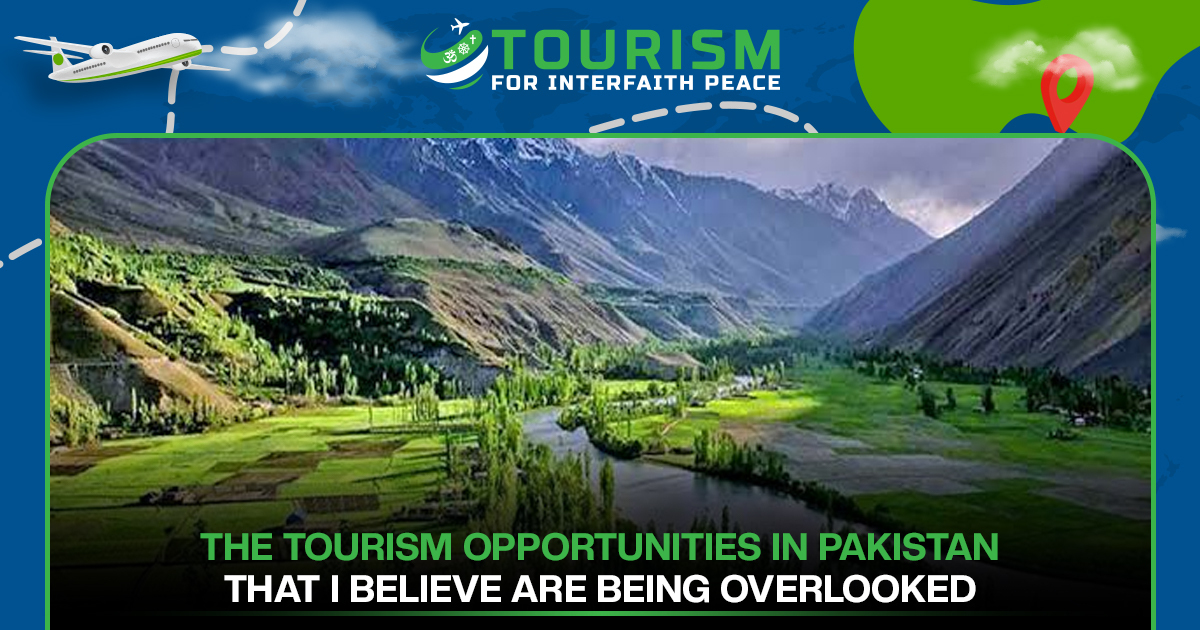
Most conversations about tourism in Pakistan start and end with the same handful of names: the northern peaks, a handful of valleys, and the cities that already dominate every travel feature. That’s not wrong — those places earned their reputation. But in my view, treating them as the whole story is where Pakistan’s tourism conversation goes wrong. The country’s larger opportunity isn’t hidden in a secret valley. It’s sitting in plain sight, in categories of tourism that have never received the infrastructure, investment, or storytelling that the famous names take for granted.
This article looks at where I believe that opportunity actually lies — across culture, heritage, faith, nature, adventure, food, and the systems that turn scenery into a functioning tourism economy. It’s not a list of undiscovered places. It’s an argument about what Pakistan’s tourism sector should be paying more attention to.
The Real Opportunity May Be Beyond the Famous Destinations
Concentrating tourism in a small number of hotspots creates predictable problems: peak-season overcrowding, infrastructure strain, and a narrow tourist season that leaves operators scrambling for income the rest of the year. It also concentrates the economic benefit. Communities near well-known sites see investment and footfall; communities an hour away, with comparable assets, see almost none of it.
What stands out to me is how much of Pakistan’s tourism potential is simply under-marketed rather than under-supplied. According to the World Economic Forum’s 2024 Travel & Tourism Development Index, Pakistan ranked 101st out of 119 economies assessed — a reflection less of what the country has to offer than of how much work remains on the systems around it. A wider, more evenly distributed network of destinations would not just relieve pressure on the famous few; it would make the whole sector more resilient to shocks, seasonality, and shifting travel trends.
Cultural, Heritage, and Religious Tourism Deserve More Attention
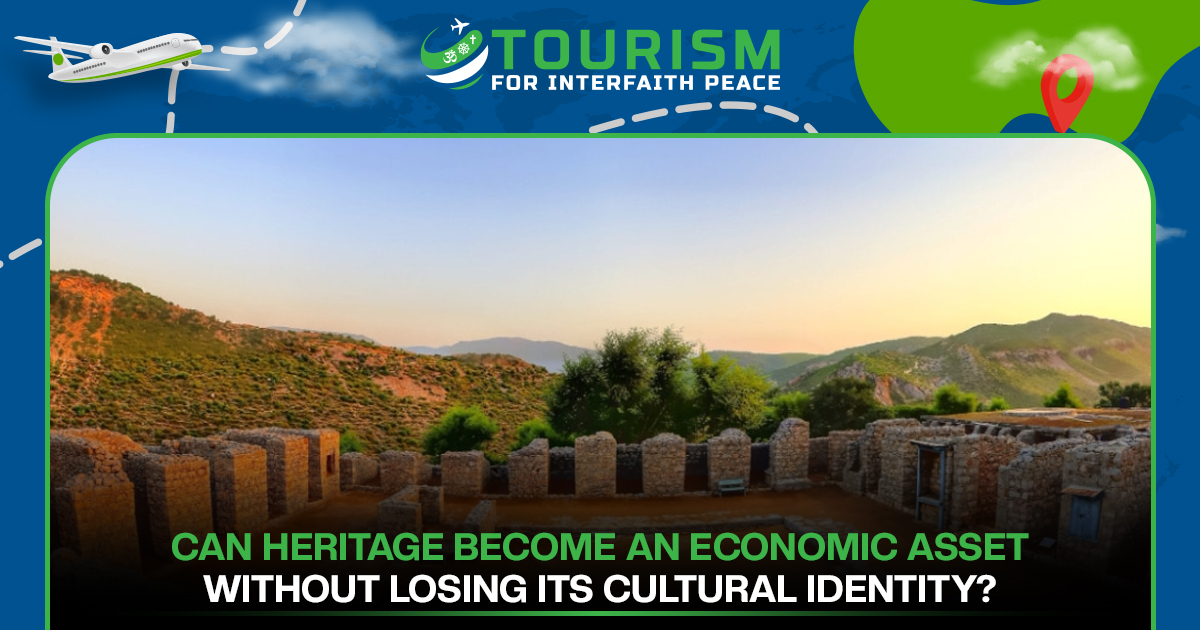
Pakistan’s UNESCO World Heritage list — Mohenjo-daro, Taxila, the Lahore Fort and Shalamar Gardens, the Makli necropolis, Rohtas Fort, and the Buddhist ruins at Takht-i-Bahi — already proves the country’s heritage credentials on a global stage. One area that deserves greater attention is everything around those sites: the living crafts, food traditions, oral histories, and small-town architecture that rarely make it into a brochure but genuinely define a place.
Heritage tourism isn’t only about preserving old buildings; it’s about building experiences around them. The same logic applies to religious and spiritual tourism. Pakistan holds significant Islamic, Sufi, Sikh, Buddhist, and Hindu heritage sites, and each carries real potential for respectful, well-managed visitation — provided the priorities are preservation, accessibility, visitor safety, and genuine respect for the communities who consider these sites sacred rather than scenic. I’d rather see this developed carefully and slowly than promoted with numbers nobody can verify.
Eco-Tourism and Community-Based Tourism
A tourism model is stronger when the people living closest to a destination benefit economically from protecting it, rather than watching outsiders extract value from it. That’s the case for eco-tourism and community-based tourism in Pakistan’s forests, wetlands, and high-altitude valleys. Locally owned guesthouses, trained local guides, community wildlife-monitoring programs, and visitor limits tied to conservation goals all shift tourism from something that happens to a place into something a community actively manages.
This is where I see one of the clearest overlooked opportunities: not in attracting more visitors overall, but in making sure a meaningfully larger share of what visitors spend stays with the people who maintain the land, water, and wildlife those visitors came to see.
Adventure Tourism Needs More Than Terrain
Pakistan’s terrain — for trekking, mountaineering, rafting, cycling, and winter sports — is not the constraint. What’s missing is the system around it: trained guides, credible rescue capability, clear signage, accurate route information, and accommodation that can support activity beyond a short peak season. Adventure travelers are unusually forgiving of remoteness and unusually unforgiving of poor safety information. Closing that gap would do more for the sector’s growth than any single new trail or campsite.
Coastal, Desert, and Rural Tourism Are Underrated
Pakistan’s coastline, its deserts, and its rural and agricultural landscapes remain some of the least developed parts of the tourism map — not because they lack appeal, but because they lack the sequence that makes any destination viable: access, then infrastructure, then hospitality, then experiences, then marketing, then sustainability. Skipping steps in that order is usually what causes a promising destination to underdeliver. The same applies to newer categories like wellness retreats, farm-to-table food experiences, and slow, photography-oriented travel — all genuinely appealing to today’s traveler, but only once the basics are in place.
The Missing Piece Is Infrastructure
This is, in my view, the single strongest argument in this article: tourism potential is not created by scenery alone. It is created when scenery becomes accessible, safe, understandable, enjoyable, and economically sustainable. Roads, reliable transport, internet connectivity, sanitation, waste management, healthcare access, accurate digital maps, and trained hospitality staff aren’t glamorous topics, but they are the difference between a destination that photographs well and a destination that functions well for the people visiting and living there.
The World Travel & Tourism Council estimated that travel and tourism contributed roughly USD 19.8 billion — about 5.8% of GDP — to Pakistan’s economy in 2023, supporting close to 4.7 million jobs. Domestic travelers accounted for the large majority of that spending. That imbalance says something important: Pakistanis are already choosing to travel within their own country at scale. The infrastructure gap, not a lack of demand, is what limits how far that spending can be converted into a broader, more diversified tourism economy.
Tourism Investment Could Change the Equation
Responsible private investment — in boutique accommodation, eco-lodges, restaurants, transport, adventure services, and digital booking platforms — is one of the clearer paths to closing that infrastructure gap. But investment without planning tends to create the same overcrowding and environmental strain it was meant to solve. Feasibility studies, environmental assessment, genuine community engagement, and realistic demand analysis should come before construction, not after. Development that skips this sequence tends to produce buildings without functioning destinations around them.
What Pakistan Needs to Turn Potential Into Tourism
Across every category discussed above, the same framework keeps reappearing. I’d summarize it as eight pillars:
1. Accessibility — reliable roads, transport links, and reasonable travel times to and within a destination.
2. Infrastructure — sanitation, connectivity, healthcare access, and basic visitor services.
3. Hospitality — trained staff and accommodation that matches what a destination can realistically support.
4. Safety — rescue capability, clear signage, and accurate, up-to-date visitor information.
5. Destination branding — a clear, honest identity for each place, rather than generic marketing language.
6. Digital visibility — accurate maps, bookable listings, and content that helps travelers plan with confidence.
7. Local community participation — ownership and economic benefit for the people closest to the destination.
8. Sustainability — visitor limits, environmental safeguards, and long-term planning over short-term extraction.
What I Believe Pakistan Should Focus on Next
If I had to prioritize, I would put these first:
- Develop lesser-known destinations rather than concentrating investment only on already-famous ones.
- Build infrastructure before aggressively marketing a destination, not after.
- Give local communities real ownership and a real share of tourism revenue.
- Push toward year-round tourism instead of a handful of peak weeks.
- Improve digital discovery — accurate listings, maps, and trustworthy information.
- Make tourism investment more transparent, with clear feasibility and environmental review.
None of these require inventing new attractions. They require sequencing what already exists more deliberately.
From Tourism Potential to Tourism Economy
Pakistan doesn’t need to invent tourism opportunities. It needs to identify, develop, protect, connect, and communicate the ones it already has. I wouldn’t claim the country is on a path to becoming the world’s leading destination — that kind of statement says more about marketing than about strategy. What I would say is that the scale of the underused opportunity is real, and that the difference between potential and performance comes down to execution: infrastructure built before promotion, communities included before investment, and sustainability treated as a condition of growth rather than an afterthought.
At TIP, this is the conversation we’re most interested in continuing — not just naming Pakistan’s next destination, but examining what it will actually take to develop it responsibly. If this perspective resonates, I’d encourage you to explore more of TIP’s coverage of Pakistan’s tourism landscape as we continue tracking where this opportunity is heading.
Frequently Asked Questions
What are the biggest tourism opportunities in Pakistan?
Beyond the country’s famous mountain destinations, the clearest opportunities lie in cultural and heritage tourism, community-based eco-tourism, religious and spiritual tourism, coastal and desert travel, and experience-driven categories like culinary and wellness tourism — provided each receives adequate infrastructure and planning.
Which tourism sectors are underdeveloped in Pakistan?
Coastal tourism, desert tourism, rural and agri-tourism, and community-based eco-tourism remain the most underdeveloped relative to their natural and cultural potential, largely due to gaps in access, accommodation, and visitor information rather than a lack of appeal.
Why does Pakistan have strong tourism potential?
Pakistan combines significant natural diversity — mountains, coastline, deserts, and forests — with globally recognized cultural and archaeological heritage, including six UNESCO World Heritage Sites, and a large, growing domestic travel market that already demonstrates strong demand for local tourism.
What is preventing Pakistan’s tourism industry from reaching its full potential?
Infrastructure gaps are the primary constraint: transport access, sanitation, connectivity, trained hospitality staff, safety systems, and reliable digital information. Pakistan’s ranking of 101st out of 119 economies on the World Economic Forum’s 2024 Travel & Tourism Development Index reflects these systemic gaps rather than a shortage of attractions.
How can local communities benefit from tourism?
Community-owned accommodation, locally trained guides, direct involvement in destination management, and revenue-sharing models allow the people closest to a destination to benefit economically from protecting it, rather than tourism benefits flowing mainly to outside operators.
What role does infrastructure play in tourism development?
Infrastructure is what converts scenic potential into a functioning destination. Roads, connectivity, sanitation, healthcare access, and trained hospitality workers determine whether a place is merely photogenic or genuinely visitable, safe, and repeatable as a destination.
Is tourism investment a growing opportunity in Pakistan?
Yes, with the World Travel & Tourism Council estimating the sector contributed close to 5.8% of Pakistan’s GDP in 2023 and supported nearly 4.7 million jobs — but sustainable growth depends on investment that follows feasibility studies, environmental assessment, and community engagement rather than uncontrolled construction.