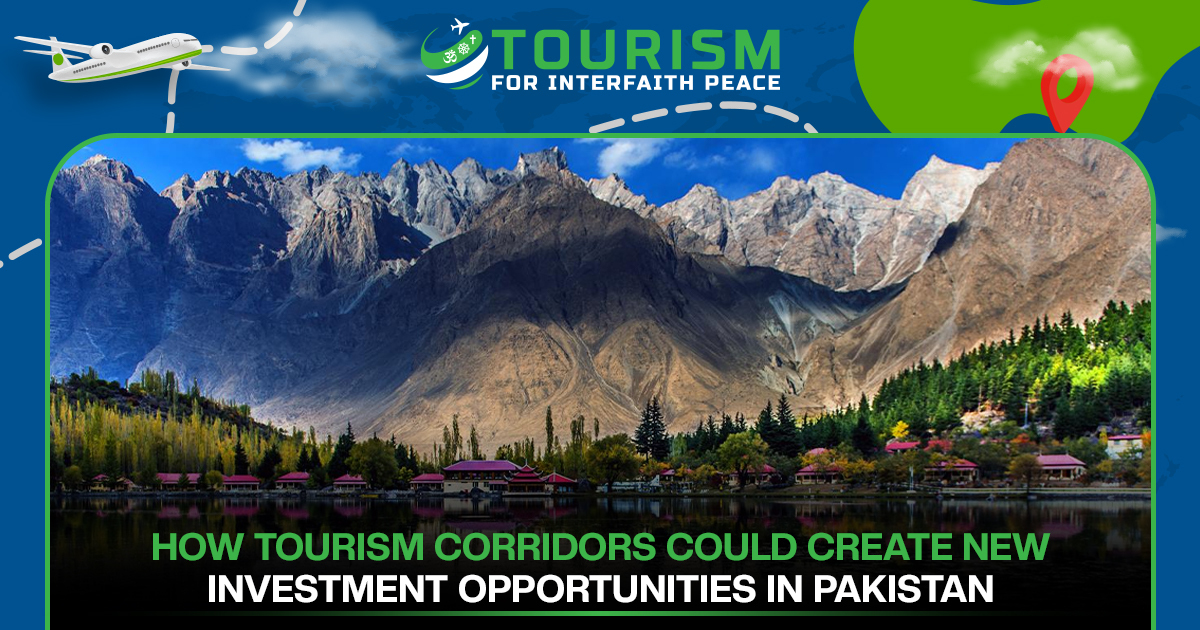
- A tourism corridor connects multiple destinations along a route, and better connectivity tends to generate economic activity well beyond the destinations themselves.
- Northern Pakistan’s experience with the Karakoram Highway shows how road infrastructure can expand tourist inflow and local business activity over time.
- Investment opportunities span hospitality, real estate, transport, retail and local entrepreneurship — but none of it is automatic or guaranteed.
- Sustainability, regulatory approval and community participation determine whether corridor growth benefits local residents or bypasses them.
A single beautiful destination can draw visitors on its own. A connected route between several destinations tends to do something different — it turns a series of one-off trips into an ongoing flow of people, and that flow creates demand for things a single site never could: places to eat along the way, places to stay overnight, transport services, local guides, and small retail businesses that serve travelers passing through. This is the basic logic behind a tourism corridor, and it is why corridors, more than individual attractions, tend to shape long-term regional investment.
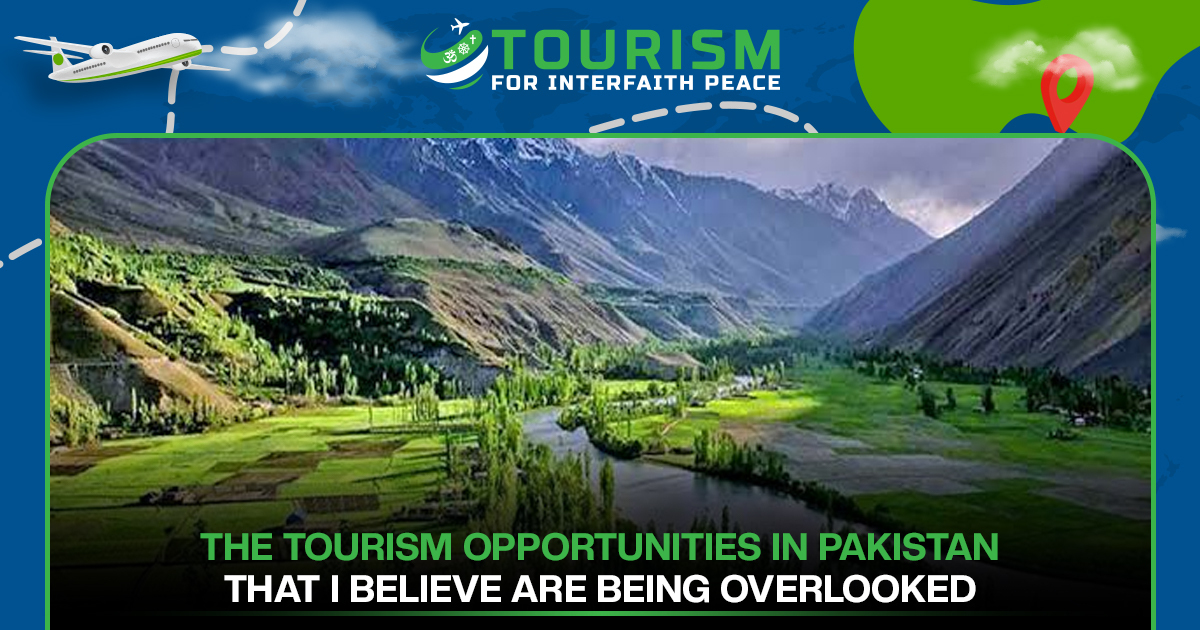
Pakistan’s geography — from the mountain routes of the north to coastal areas, desert regions and heritage and religious sites across the country — gives it more raw material for tourism corridors than most countries in the region. Turning that potential into genuine investment opportunity, though, depends on factors that go well beyond scenery.
What Is a Tourism Corridor?
What is a tourism corridor? A tourism corridor is a connected route or region, typically organized around a road, highway or transport link, that joins multiple destinations so visitors can move between them more easily and businesses can grow along the route itself, not just at its endpoints.
The Karakoram Highway corridor through Gilgit-Baltistan is a useful illustration of the concept in a Pakistani context. As the highway improved accessibility into the region, tourist inflow to Gilgit-Baltistan and the northern areas grew substantially, and businesses — guesthouses, transport services, small retail — began appearing along the route itself, not only at the final destinations travelers were heading toward.
Why Tourism Corridors Matter for Pakistan
Pakistan’s tourism authorities have signaled active interest in this corridor-based approach. A government-led initiative has identified roughly twenty sites spanning plains, deserts and northern peaks for infrastructure upgrades — roads, airports and facilities — delivered through public-private partnerships, with an explicit aim of protecting fragile ecosystems while building visitor-ready hubs. Separately, a proposed Khunjerab Tourism Corridor near the Pakistan-China border envisions a tourism park, an organized handicrafts market, improved visa access for Chinese visitors and shuttle services connecting border towns — all aimed at converting a transit route into a functioning tourism economy.
What these examples share is a shift in thinking: a corridor is not simply the road that gets tourists to a destination. It is itself a potential economic zone, with its own businesses, employment and investment activity.
How Better Connectivity Can Attract Investment
Investment tends to follow accessibility, not the other way around. When a route becomes easier and safer to travel — through better roads, reduced travel time, or improved facilities along the way — it lowers the practical barriers that previously kept visitor numbers, and therefore business activity, limited. Research on Pakistan’s road and transport infrastructure has found that accessibility is a key factor influencing both tourist flow and the growth of tourism-related businesses in a region.
This is where investment opportunity actually originates: not from the scenery itself, but from the reduced friction of reaching it. A destination that took two difficult days to reach becomes a realistic weekend trip once the corridor connecting it improves, and that shift changes the economics for every business along the way.
Opportunities for Hotels, Resorts and Hospitality Businesses
Growing, more reliable visitor traffic along a corridor creates room for a range of hospitality investment — from budget guesthouses and mid-range hotels to boutique properties, particularly where heritage buildings can be adapted for tourism use. Northern Pakistan has already seen small and micro hospitality businesses emerge along improved routes, often run by local entrepreneurs rather than large chains.
This kind of opportunity is real, but it is also seasonal and location-specific. A corridor that draws heavy visitor traffic for a few months a year presents a different investment case than one with steadier, year-round demand, and hospitality investors need to plan around that seasonality rather than assume constant occupancy.
Tourism, Real Estate and Local Business Growth
As accommodation and hospitality businesses establish themselves along a corridor, related real estate and small business activity often follows — restaurants, retail shops, recreational facilities and services catering to both tourists and the local population. This is the pattern global tourism corridors typically show, and it applies conditionally in Pakistan too: real estate and business growth track sustained visitor demand, not the announcement of a corridor project.
It is worth stating plainly that a tourism corridor should not be treated as an automatic driver of property appreciation. Land or property values along a proposed corridor depend on whether visitor numbers actually materialize, whether infrastructure is completed and maintained, and whether the surrounding regulatory and development environment supports long-term business activity.
How Local Communities Can Benefit
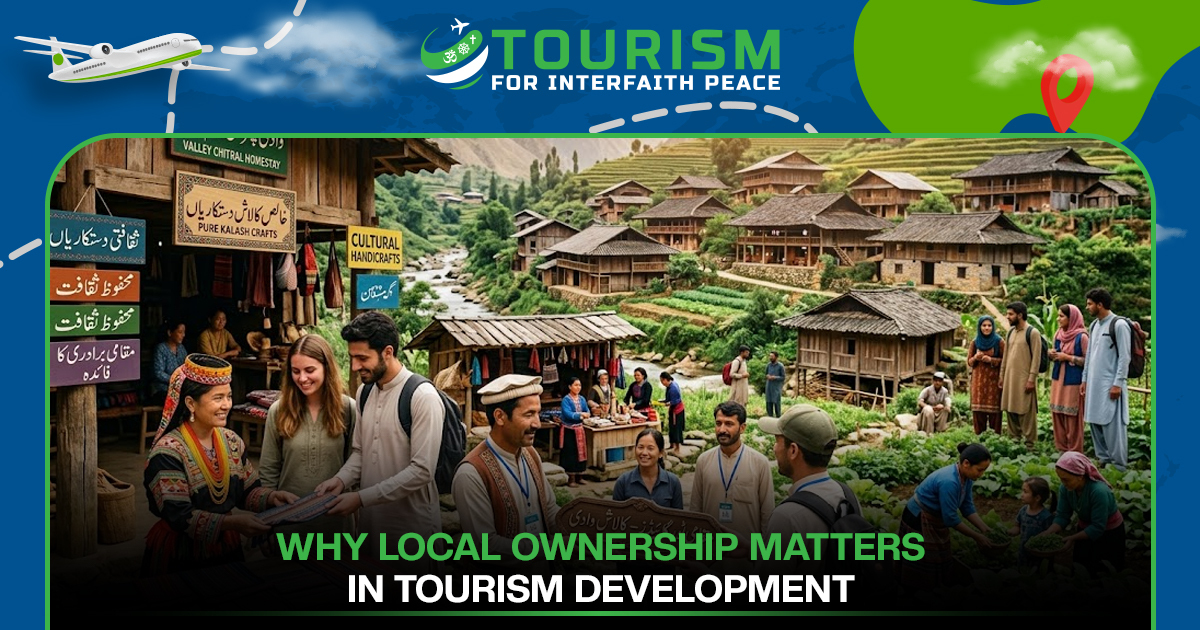
Tourism corridors carry a meaningful advantage over large single-site developments: they distribute economic opportunity across a wider area rather than concentrating it at one endpoint. Local entrepreneurship — guesthouses, transport services, guiding, craft and retail businesses — tends to benefit communities directly, provided residents are included in planning and given a genuine stake in how the corridor develops rather than being sidelined by outside investors.
Employment generated this way tends to be more broadly distributed than employment tied to a single large resort or hotel project, which matters for regions where alternative economic opportunities are limited.
Infrastructure and Sustainability Challenges
None of this comes without real challenges. Roads need consistent maintenance, not just initial construction. Utilities — power, water, waste management — need to scale with visitor numbers rather than lag behind them. Digital connectivity increasingly shapes whether a destination can attract modern travelers who expect to book, pay and share their trips online.
Environmental protection deserves particular attention in ecologically sensitive corridors, especially in the north, where fragile mountain ecosystems can be damaged by poorly managed tourism growth. Regulatory approvals and coordinated planning across provincial and federal authorities also shape how smoothly corridor development proceeds — delays or gaps in this coordination can stall projects that otherwise have strong underlying demand.
What Investors Should Consider
Corridor-based investment carries a different risk profile than investing in a single, established destination. Before committing capital, investors should weigh:
- Actual and projected visitor demand, not just scenic or cultural appeal
- The current state of road, utility and digital infrastructure along the corridor
- Seasonality and how it affects occupancy, revenue and staffing
- Regulatory approvals and land-use requirements specific to the region
- Environmental sensitivity and sustainability obligations
- The level of community participation and local business involvement
- Whether infrastructure commitments are funded and scheduled, not just announced
None of these factors guarantee an outcome on their own, but together they separate a corridor with genuine investment potential from one that is still mostly a proposal.
The Future of Tourism-Led Investment in Pakistan
Pakistan’s tourism sector appears to be shifting toward a more deliberate, infrastructure-led approach — visible in government efforts to identify priority sites, upgrade access and pursue public-private partnerships, alongside emerging corridor proposals like the one near Khunjerab. Industry analysis also points toward higher-value tourism segments — cultural travel, nature-based tourism and similar niches — as a more sustainable growth path than volume alone.
Tourism corridors, done well, function less like roads connecting attractions and more like economic ecosystems: interconnected networks of accommodation, transport, retail, employment and local enterprise that grow together. Getting there requires connectivity, real investment, local participation, functioning infrastructure and sustainable development working in tandem — not any one of these alone. Investors, businesses and policymakers who treat corridor development as a long-term, multi-factor undertaking, rather than a shortcut to guaranteed returns, are the ones most likely to see it succeed.
Frequently Asked Questions
What is a tourism corridor? A tourism corridor is a connected route or region — often built around a road, highway or transport link — that joins multiple destinations, making it easier for visitors to travel between them and for businesses to grow along the way.
How can tourism corridors create investment opportunities? Improved connectivity increases visitor flow, which supports demand for accommodation, food service, transport and retail — creating openings for hospitality investment, small business growth and, over time, real estate development, provided the underlying demand and infrastructure hold up.
Where are tourism investment opportunities emerging in Pakistan? Northern routes such as the Karakoram Highway corridor through Gilgit-Baltistan, along with government-identified sites spanning mountains, deserts and heritage regions, are among the areas seeing growing tourism and infrastructure attention.
How does tourism infrastructure support local economies? Roads, utilities and accommodation reduce the cost and difficulty of visiting a destination, which allows local entrepreneurs — guesthouses, transport operators, guides, craftspeople — to build sustainable income around tourist demand.
Does a tourism corridor guarantee property appreciation? No. Corridor development can support demand over time, but actual returns depend on accessibility, sustained visitor numbers, regulatory approvals, environmental management and how responsibly the area is developed.