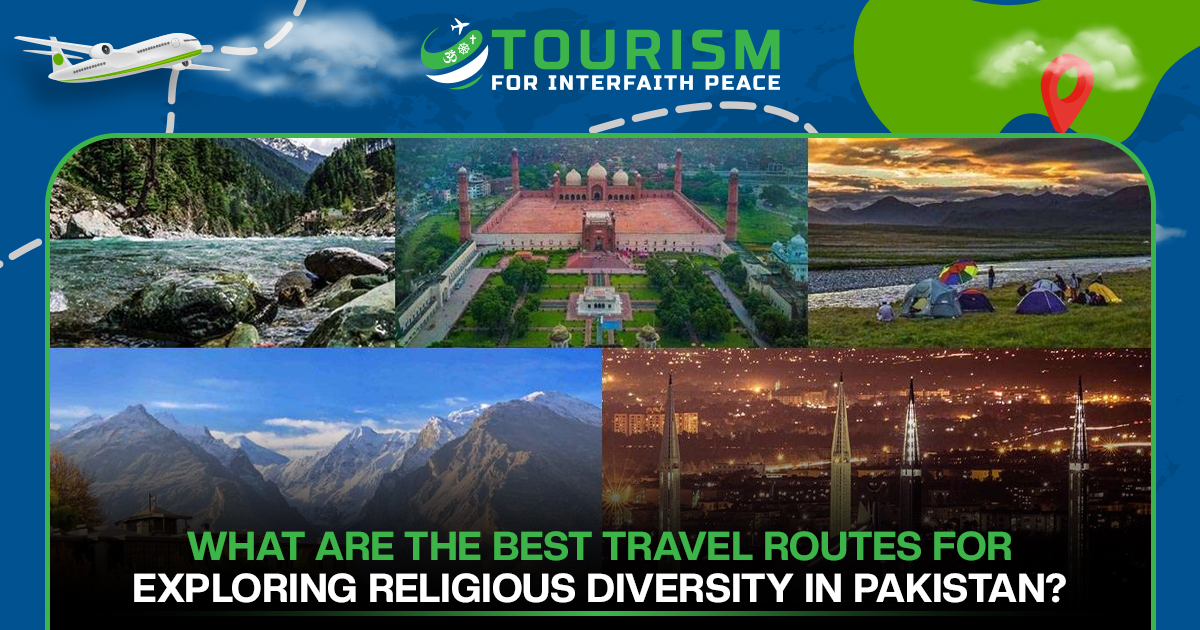
Interfaith travel in Pakistan opens doors to centuries of shared history, sacred sites, and living traditions. But the quality of that experience depends heavily on who leads it. A knowledgeable, respectful operator can turn a visit into genuine understanding. An unprepared one can turn it into a checklist of photo stops with little meaning behind them.
Choosing the right tour operator is not a minor logistical decision. It shapes whether a trip builds real cultural insight or simply skims the surface.
Knowledge of Religious and Cultural Heritage
A trustworthy operator understands the historical and cultural context of the sites they visit, not just the visiting hours and entry fees. Ask about their background research, their sources, and how they present the significance of each location to travelers.
Experienced Local Guides
Local guides bring context that no guidebook can replace. They understand community customs, appropriate conduct at active places of worship, and the stories that connect a site to the people who still hold it meaningful today.
Respect for All Faiths
A quality operator treats every tradition with equal seriousness and care, avoiding language or behavior that ranks one community’s practices above another’s. Respectful framing matters as much as historical accuracy.
Ethical and Responsible Tourism Practices
Responsible operators set clear expectations about behavior at sacred sites and involve travelers in practices that support, rather than disrupt, local communities. This connects closely to broader principles of responsible tourism, where the traveler’s impact matters as much as the itinerary.
Safety and Transparent Planning
Reliable operators communicate clearly about logistics, permissions, and any site-specific requirements well before the trip begins. Transparency about costs, timing, and access is a strong indicator of professionalism.
Support for Local Communities
The best interfaith tours channel a meaningful share of tourism revenue back into the communities connected to the sites being visited, through local guides, artisans, and small businesses rather than external vendors alone.
Sustainable Travel Practices
Operators who limit group sizes at sensitive sites, manage waste responsibly, and pace visits to avoid overcrowding are protecting the very heritage that makes interfaith travel valuable in the first place.
A Practical Checklist Before You Book
- Ask how the operator trains or selects local guides.
- Request examples of how they handle etiquette at active religious sites.
- Confirm what percentage of costs supports local communities.
- Review their policy on group size and site pacing.
- Check for transparent, itemized pricing before committing.
Common Mistakes to Avoid
Travelers often choose operators based on price alone, overlooking whether local communities benefit or whether guides have real cultural training. Another common mistake is booking last minute without asking about site-specific access rules, which can lead to disappointment or unintentional disrespect at sacred locations.
For travelers new to this space, reviewing why interfaith tourism matters before booking helps set realistic expectations for what a meaningful trip actually looks like.
Conclusion
The right tour operator turns interfaith travel from sightseeing into genuine cultural exchange. Prioritize operators who demonstrate real knowledge, employ experienced local guides, and treat every faith community with equal respect.
Travelers ready to go deeper can also explore planning safe, ethical, and meaningful interfaith experiences and learn how to join interfaith dialogues while traveling to make the most of a well-chosen trip.
Frequently Asked Questions
What makes a tour operator trustworthy for interfaith travel?
A trustworthy operator combines cultural knowledge, experienced local guides, transparent planning, and genuine respect for all faith traditions involved in the itinerary.
Why are local guides important for interfaith tourism?
Local guides provide cultural context and site-specific etiquette that help travelers engage respectfully with active religious communities.
How can travelers verify an operator supports local communities?
Ask directly what portion of tour costs goes toward local guides, artisans, or community projects connected to the sites visited.
What is a common mistake when booking interfaith tours?
Choosing an operator based on price alone, without checking their cultural training or community impact, is one of the most common mistakes travelers make.
What should be on a checklist before booking an interfaith tour?
Travelers should confirm guide training, community benefit, group size limits, site-specific etiquette guidance, and transparent pricing before booking.