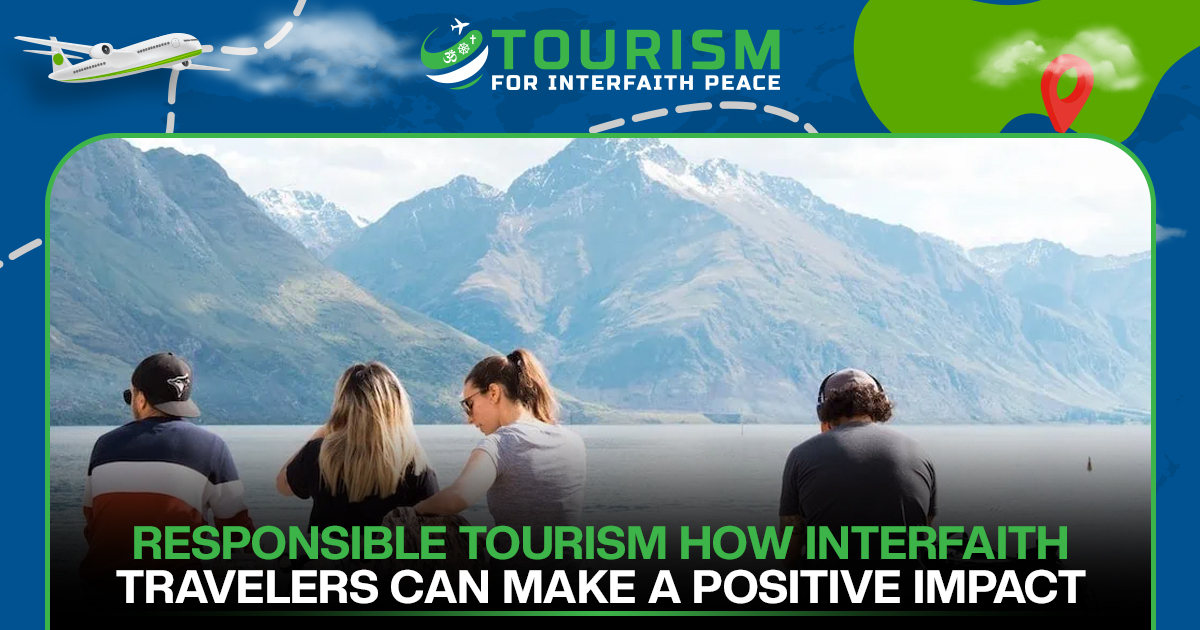
Interfaith travelers can make a positive impact by practicing responsible tourism, engaging respectfully with local communities, and supporting sustainable travel efforts that protect culture, environment, and livelihoods. Instead of just visiting places, they contribute to meaningful exchange and long-term community benefit.
Travel today is no longer just about seeing new locations. It is about understanding people, respecting traditions, and leaving a place better than it was found. This is especially important in interfaith tourism, where cultural and religious sensitivity plays a central role.
In this blog, we will explore how responsible tourism in Pakistan works in real situations, how interfaith travelers can contribute positively, and what practical steps make travel more meaningful and sustainable.
What Responsible Tourism Means in Practice
Responsible tourism is often described in simple terms, but in practice, it requires conscious decisions.
It means travelers are aware of how their presence affects local communities, environments, and cultural spaces. Instead of treating destinations as products, they approach them as living communities with values and traditions.
UNESCO sustainable tourism frameworks emphasize protecting cultural heritage while ensuring that local communities benefit economically and socially from tourism activities. This makes responsible tourism a shared responsibility between travelers and communities.
Why Interfaith Tourism Has Greater Responsibility
Interfaith tourism goes beyond general travel because it involves interaction with religious and cultural identities.
When travelers visit places of spiritual or cultural importance, their behavior directly affects how communities feel about being visited. Respect, awareness, and sensitivity become essential.
In Pakistan, where diverse traditions coexist, the impact of interfaith tourism can be significant. Positive engagement builds trust and understanding, while careless behavior can create discomfort or misrepresentation.
This is why interfaith travelers must approach travel with intention, not just curiosity.
Example
During a community visit in northern Pakistan, a group of interfaith travelers participated in a local cultural gathering. Instead of simply observing, they spent time listening to local stories, asking respectful questions, and learning about traditions.
One small but important moment stood out. Before entering a cultural space, the group asked about local customs and followed them carefully. This simple act created a sense of respect and openness.
Later, conversations became more natural, and local participants shared deeper insights about their beliefs and history.
This shows that responsible tourism is not about large actions. It is often small, consistent behaviors that build trust.
How Interfaith Travelers Can Support Local Communities
Responsible travel becomes meaningful when it benefits the people who host it.
Travelers can support communities by making conscious choices during their journey. Choosing local guides, staying in community-run accommodations, and buying from local businesses helps ensure that tourism income stays within the community.
At the same time, engaging in conversations and cultural exchanges allows communities to share their identity on their own terms, rather than being represented by external narratives.
Initiatives like Tourism for Interfaith Peace (TIP Pakistan), under the vision of Syed Sadat Hussain Shah, are working to promote this model of community-centered and respectful tourism. TIP Pakistan operates as a structured interfaith tourism initiative that connects travelers with local communities through dialogue-based experiences and cultural engagement programs.
Sustainable Travel & Environmental Responsibility
Responsible tourism is also closely linked to environmental awareness.
Many interfaith travel destinations in Pakistan are located in ecologically sensitive areas such as mountains, valleys, and heritage sites. These environments require careful handling.
Eco-friendly travel practices include reducing waste, avoiding damage to natural or cultural sites, and respecting local conservation efforts.
In practical terms, even small actions like minimizing plastic use or following local environmental guidelines contribute to long-term sustainability.
Cultural Engagement
Cultural engagement travel is about participation, not just observation.
Interfaith travelers can create meaningful experiences by engaging with communities through dialogue, shared activities, and local events. This helps move beyond surface-level tourism and creates a deeper understanding.
However, engagement must be respectful. Asking questions with curiosity, listening without judgment, and understanding boundaries are essential.
From real-world experience, travelers who take time to engage slowly and respectfully gain far more meaningful insights than those who move quickly from one location to another.
Why Responsible Tourism Matters for Pakistan
Responsible tourism in Pakistan is not just about travel ethics. It has a direct economic and social impact.
Studies on sustainable tourism show that community-based tourism models can significantly improve local income distribution while supporting cultural preservation and reducing environmental impact. This highlights why responsible travel practices are essential for long-term tourism development.
When tourism is managed responsibly, it supports local businesses, preserves cultural heritage, and creates employment opportunities for communities. It also helps present a more accurate image of the country to international visitors.
For a country like Pakistan, where tourism potential is still developing, responsible practices ensure long-term growth without harming cultural or environmental resources.
Practical Steps for Interfaith Travelers
Travelers who want to make a positive impact should approach their journey with awareness and intention.
- Start by learning about the destination before visiting.
- Understand cultural norms, traditions, and expectations.
- During travel, prioritize local experiences, communicate respectfully, and remain open to learning.
- After the journey, reflect on the experience and share it responsibly.
Responsible tourism is not a checklist. It is a mindset that shapes how travel is experienced.
Conclusion
Interfaith travelers can make a positive impact by practicing responsible tourism, engaging respectfully with communities, and supporting sustainable travel practices. These actions create meaningful connections and long-term benefits for both travelers and local populations.
In Pakistan, initiatives like TIP Pakistan are helping shape a model of tourism that focuses on dialogue, respect, and shared understanding. When approached thoughtfully, travel becomes more than a journey. It becomes an opportunity to contribute to peace, culture, and community.
FAQs
Q. What is responsible tourism in Pakistan?
Responsible tourism in Pakistan focuses on respecting local culture, supporting communities, and protecting the environment while traveling.
Q. How can interfaith travelers make a positive impact?
By engaging respectfully, supporting local businesses, and participating in meaningful cultural exchanges.
Q. What is sustainable travel?
Sustainable travel involves minimizing environmental impact and supporting local communities during travel.
Q. Why is interfaith tourism important?
It promotes understanding between different cultures and belief systems through direct interaction.
Q. How can travelers support local communities?
By choosing local services, respecting traditions, and engaging in community-based experiences.