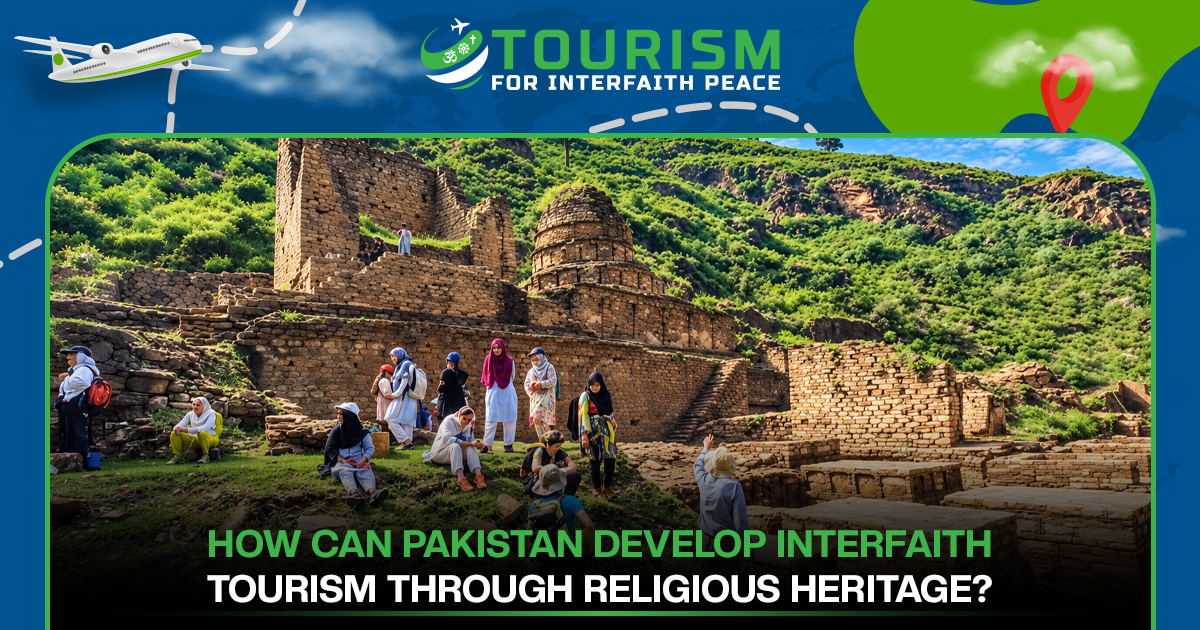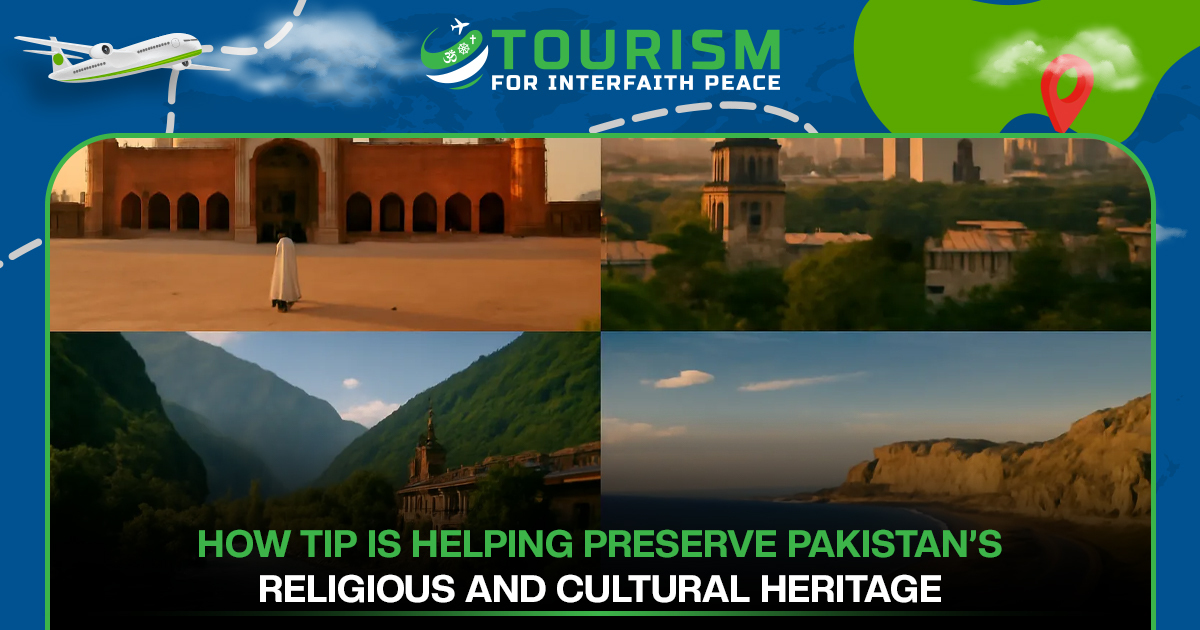
Pakistan’s religious and cultural heritage is still in use. Worshippers visit its shrines, monasteries, temples and churches today, so preservation concerns living communities as much as old buildings. Tourism can help or harm here, depending on how it is managed.
This article looks at how Tourism for Interfaith Peace (TIP), an Islamabad-based organization, approaches that question, and at what its published record does and does not show.
| How is TIP helping preserve Pakistan’s religious and cultural heritage? TIP supports Pakistan’s religious and cultural heritage mainly through awareness and advocacy. It promotes responsible travel to living heritage sites, hosts interfaith events and dialogues, and argues that conservation, community involvement and visitor management should come before promotion. TIP has not published conservation projects or impact figures. |
Why Religious and Cultural Heritage Matters
UNESCO lists six cultural properties for Pakistan: Moenjodaro, Takht-i-Bahi, the Fort and Shalamar Gardens in Lahore, Makli, Rohtas Fort and Taxila. Beyond that list, TIP’s guide describes Buddhist, Sikh, Hindu, Jain, Christian and Islamic sites, from Kartarpur, where a pilgrim corridor opened on 9 November 2019, to the Jain temples near Nagarparkar.
Many of these places remain in daily use. They hold memory for the communities connected to them, which is why they need care beyond what fits on an itinerary. TIP’s companion piece on what makes a religious heritage site important for tourism makes the same point: many sites should be understood in the present tense, as places people still use.
How Tourism Can Support Heritage Preservation
Tourism does not preserve heritage on its own. Preservation depends on conservation work, funding, policy, community participation and visitor awareness, and tourism contributes to only some of those. It can draw attention and, when well managed, bring income that gives people a reason to protect a site.
The examples TIP cites show the pattern. The Endowment Fund Trust for the Preservation of the Heritage of Sindh has restored parts of Nagarparkar with private funding, and UNESCO has sent a monitoring mission to Makli. Both involve sustained institutional work, not visitor numbers.
TIP’s Approach to Interfaith and Heritage Tourism
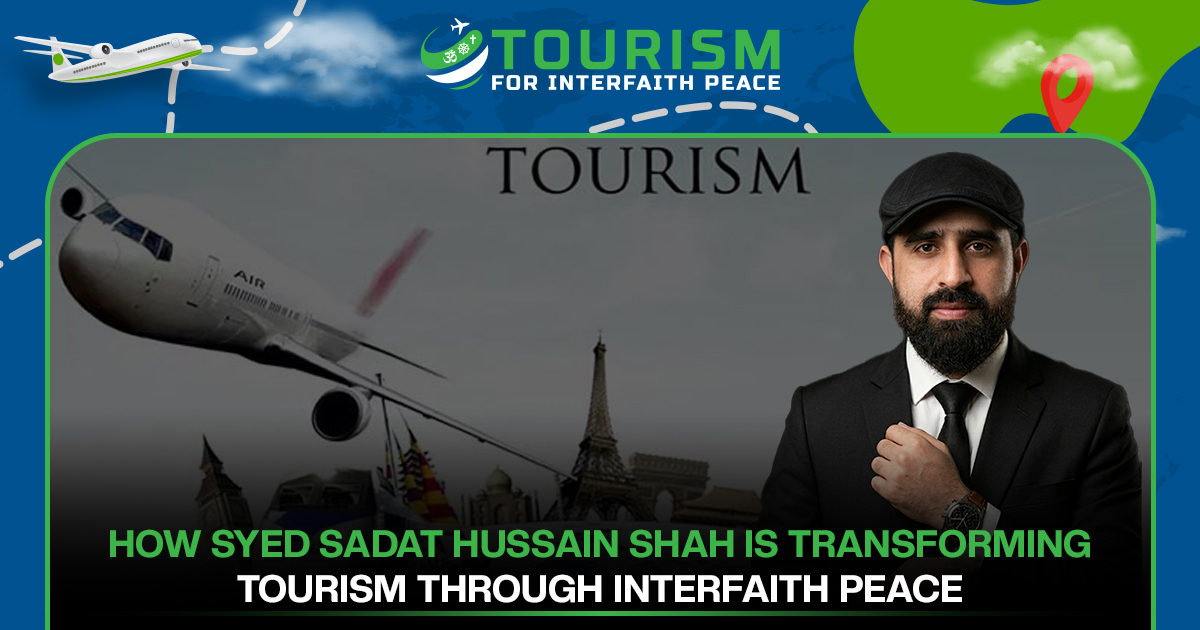
TIP describes itself as an organization that uses travel to religious heritage sites to build understanding between faith communities. Its stated aims are peace, cultural preservation and support for local communities. Its About page lists Syed Sadat Hussain Shah as CEO, and its account of its 12 October 2024 launch at Lakeshore City says the event brought together leaders from several faiths. TIP’s documented role and vision are set out on its site.
TIP also says it hosts events, interfaith dialogues and workshops. Its guide to developing interfaith tourism through religious heritage proposes a sequence: conserve before promoting, interpret living practice with custodian communities, improve access and manage visitor numbers.
One limit matters. TIP has not published participation figures, outcome data or conservation projects. Its documented contribution so far is awareness and advocacy, not custodianship of any site.
| Link in the chain | What the sources say | Status |
|---|---|---|
| Religious heritage | Six UNESCO cultural properties, plus living sites across several traditions | Documented |
| Cultural preservation | Needs conservation, funding, policy and community participation | Documented |
| Responsible tourism | Capacity limits, quiet hours during worship, dress and photography rules | TIP recommendation |
| Community participation | Guides from custodian communities, local buying, published fee use | TIP recommendation |
| Interfaith understanding | Begins with proximity to a site and its caretakers | TIP’s stated view, no outcome data |
| Sustainable tourism | Income that funds upkeep and reaches local people | Analysis |
The Role of Local Communities
The people nearest a site know it best. Custodians, caretakers, local guides, artisans and small hospitality businesses hold knowledge no brochure carries. TIP recommends training guides from custodian communities, including minority communities, buying locally and publishing how entry fees are spent.
These are recommendations, not reported results. They echo the 2015 Bethlehem Declaration on religious tourism, which TIP cites and which recommends inclusive models where traditional custodians and host communities take part and share in the benefits.
Responsible Tourism and Protection of Sacred Places
Sacred places come first and visitors second. Custodians and religious institutions are best placed to define what respectful visiting means and to review how their tradition is explained. TIP’s guidance names capacity limits, quiet hours during worship, guides drawn from custodian communities and clear dress and photography rules.
The aim is interpretation that presents a site as a place of current worship, not a relic. That lets visitors learn about a tradition without treating it as a backdrop or a product.
Tourism, Economic Opportunity and Cultural Preservation
Visitors need guides, transport, food and lodging, so income can reach caretakers, artisans and small businesses directly. Where it does, local people gain a stake in a site’s future.
Academic work on destination governance, which TIP cites, notes that religious tourism has become commercialised and that managing sacred sites takes more than marketing. Analysis: opportunity and preservation align only when revenue is shared fairly and spent visibly on upkeep.
Challenges and Safeguards
The problems are familiar, and each has a workable safeguard:
- Crowds a small site cannot absorb. Set capacity limits.
- Remote sites with poor roads, sanitation and signage. Invest in access before promotion.
- Interpretation written without custodians. Draft signage and train guides together with them.
- Upkeep funding that lags visitor numbers. Assess condition and secure maintenance funds first.
No single body can solve these. Government, religious institutions, heritage organizations and tour operators each hold part of the responsibility.
What Travelers Can Do
Visitors shape a site’s future more than they may realize, through where they spend and how they behave. TIP’s practical guidance is short:
- Read about a site and its tradition before you go.
- Follow caretakers’ guidance and respect prayer areas.
- Dress appropriately and ask before photographing worship.
- Hire local guides, stay in locally owned lodging and buy from local artisans.
Frequently Asked Questions
What is religious heritage tourism?
It is travel built around shrines, monasteries, temples, churches and other sacred or historic places. Done well, it helps visitors understand the communities connected to a site instead of only viewing its architecture.
How can tourism help preserve cultural heritage in Pakistan?
Tourism can raise awareness and bring income, but it does not preserve heritage automatically. Preservation also needs conservation work, funding, policy, community participation and visitor management. Tourism helps most when its revenue is shared and spent visibly on upkeep.
How does interfaith tourism promote cultural understanding?
TIP’s stated view is that understanding begins with proximity. Standing in a space that matters to someone else, and hearing a caretaker explain it, introduces a tradition through the people who live it. TIP has not published outcome data.
What is responsible religious tourism?
It is travel that puts a site’s worshippers and caretakers first. Common practices include capacity limits, quiet hours during worship, guides from custodian communities, dress and photography rules, and buying from local businesses.
How can travelers respectfully visit religious heritage sites?
Read about the site beforehand, follow the caretakers’ guidance, respect prayer areas, dress appropriately and ask before photographing worship. Hire local guides and choose locally owned lodging where you can.
How can tourism support local communities?
Visitors need guides, transport, food and lodging, so income can reach caretakers, artisans and small businesses. The benefit depends on hiring locally, buying locally and being open about how entry fees are spent.
Conclusion
The chain runs from protected heritage to responsible tourism, from there to the people who live around each site, and on to a more honest introduction to their traditions. TIP’s published contribution is advocacy for that sequence, and the next step is showing what its programs achieve.