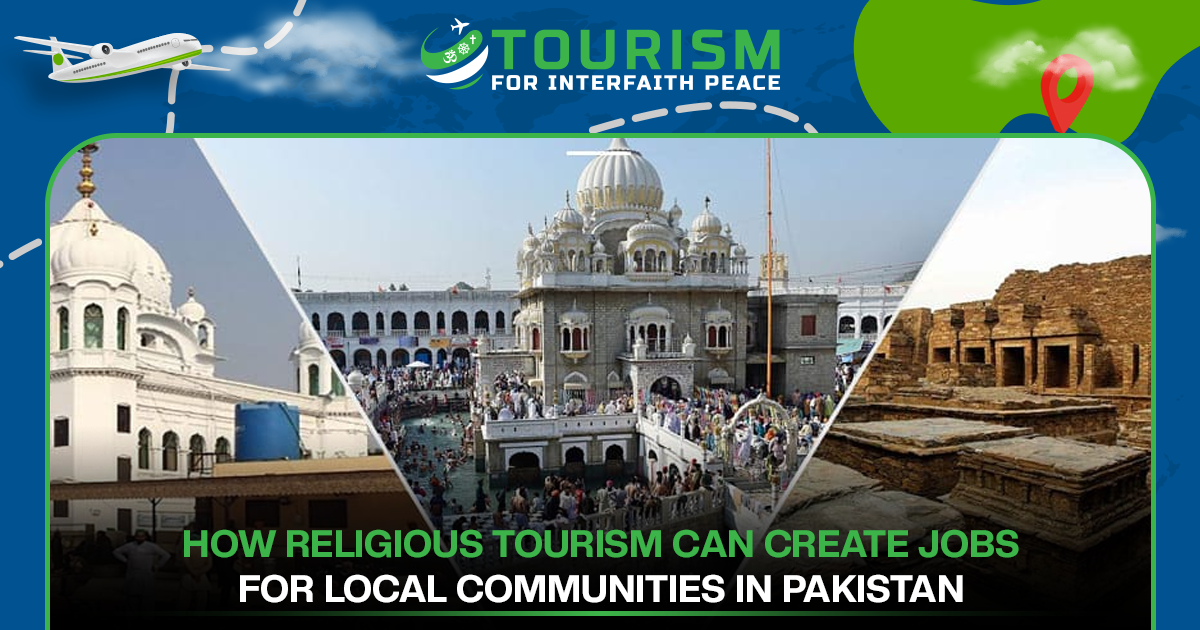
A pilgrim arriving in Nankana Sahib needs a bed, a meal and a ride to the next shrine. Each of those needs is somebody’s income. That is the plainest way to understand religious tourism economic benefits: the money does not stop at the gate of a gurdwara, temple or shrine. It passes through the rickshaw driver, the tea stall, the guesthouse owner and the woman selling shawls outside.
Pakistan has the heritage to support this kind of work. Its record also shows how easily the potential goes unused. This article separates what already exists from what is still possible.
Understanding the Economic Potential of Religious Tourism in Pakistan
Religious tourism means travel driven wholly or partly by faith: pilgrimage, festival attendance, or visits to sacred heritage. In Pakistan that includes Sikh gurdwaras in Punjab, Hindu sites from Katas Raj to Hinglaj Mata, Buddhist monasteries in Gandhara and Sufi shrines in Lahore, Multan and Sehwan. TIP’s guide to Pakistan’s sacred landscapes and spiritual heritage maps many of them.
Nobody publishes a clean national count of religious tourism jobs, so the numbers here describe tourism as a whole. The Federation of Pakistan Chambers of Commerce and Industry (FPCCI) reported in June 2026 that tourism contributes about 5.9 per cent of GDP and supports around 4.7 million jobs. Religious travel is one part of that total, and its share has not been measured separately. A source quoting a precise religious tourism figure deserves a second look.
How Religious Tourism Creates Employment Opportunities
Direct jobs sit closest to the site: guides and heritage interpreters, caretakers, hotel and guesthouse staff, drivers, and the teams that run festivals and pilgrim reception. Indirect jobs sit further back. Farmers supply kitchens, tailors stitch, builders repair guesthouses and laundries wash linen for a full house. This is how tourism employment in Pakistan reaches households that never see a visitor.
Seasonality matters. In November 2025, Pakistan issued more than 2,100 visas to Indian Sikh pilgrims for Guru Nanak’s 556th birth anniversary, special trains ran to Nankana Sahib, and the city closed its schools for three days. A town reorganises itself around an event like that. The work is real, but it arrives in bursts. The harder task is spreading visits across the year so that a driver or guide earns in March as well as November.
How Local Businesses Benefit from Pilgrimage Tourism
A visitor to a shrine spends money in four places: where they sleep, where they eat, how they travel and what they take home. Guesthouses and small hotels capture the first. Restaurants, food stalls and tea shops capture the second. Taxi and van operators capture the third. Artisans and souvenir shops capture the fourth.
| Area | What exists today | What remains potential |
|---|---|---|
| Nankana Sahib | Annual gatherings with visa issuance, special trains and local closures (November 2025). | Year-round visits through heritage and interfaith itineraries. |
| Kartarpur Corridor | Open since 2019. 680,381 pilgrims visited the gurdwara between 17 November 2021 and 31 August 2023, of whom 152,577 were Indian nationals. | Daily flows closer to the 5,000 the corridor was designed for. That depends on documentation and fee policy. |
| Takht-i-Bahi, Mardan | UNESCO World Heritage Site since 1980. A master plan was prepared in 2011. | Community guiding, interpretation and visitor services around the site. |
| Hinglaj Mata, Hingol National Park | An annual pilgrimage to a remote cave temple. | Local transport, lodging and food services, planned with local coordination. |
Empowering Youth and Women Through Religious Tourism
Tourism asks for skills that young people can learn quickly: guiding, languages, hospitality, photography, online booking. Local guide jobs are the obvious entry point. A graduate who can explain a Gandhara stupa in English and Urdu has a service to sell. A young entrepreneur who builds a booking page for neighbourhood guesthouses sells something different but just as useful.
Women find openings in crafts, home cooking and small guesthouses, where site rules and local norms allow it. No published national dataset appears to track women’s participation in religious tourism work. Without that tracking, nobody will know whether training reaches the people it was meant for.
Pakistan’s Religious Heritage as an Opportunity for Local Economic Growth
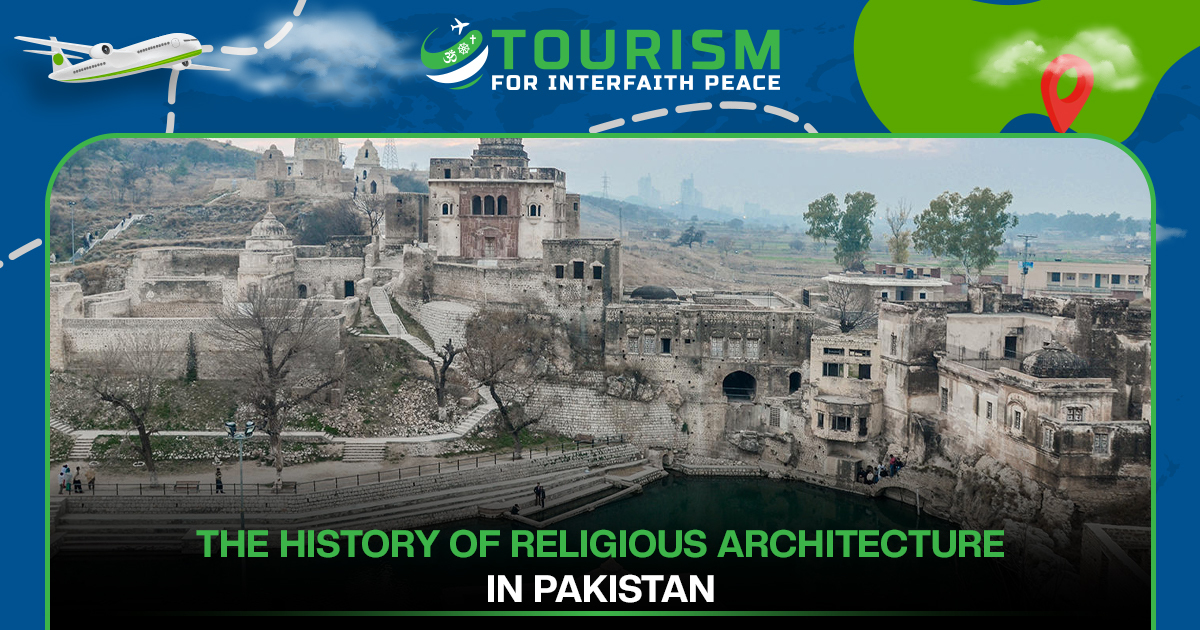
The heritage tourism economy depends on specific places. Takht-i-Bahi near Mardan was founded in the early first century, and UNESCO notes that its hilltop position helped it survive successive invasions in exceptional condition. The Katas Raj temples near Chakwal cluster around a sacred pond. Hinglaj Mata sits in a cave in Hingol National Park, Balochistan, far from any large town. Each needs different local services, and each has a community nearby that could supply them. TIP’s account of the history of religious architecture in Pakistan explains what these buildings are and why they matter.
Kartarpur is the cautionary example. The corridor opened in November 2019 with a design capacity of 5,000 pilgrims a day. A 2023 Express Tribune report found daily numbers of a few hundred. Pilgrim representatives pointed to India’s passport requirement and Pakistan’s US$20 fee. The lesson is plain: heritage creates the demand, but access policy decides whether jobs follow.
The Role of Sustainable and Community-Based Religious Tourism
Income that leaves the district does little for the people living beside the shrine. Community-based tourism tries to keep it local. Guides come from nearby villages, food and linen are bought from nearby suppliers, and a share of service revenue returns to the host community.
Fragile places need limits. UNESCO’s documentation notes that the Sahr-i-Bahlol remains beside Takht-i-Bahi are endangered by urban expansion, and the Hinglaj route runs through a national park. Timed entry, waste rules and clear guidance on conduct at active places of worship protect the heritage and the worshippers who use it. Sustainable religious tourism limits visitor pressure on the very thing people travel to see, and on the income that depends on it.
How Tourism for Interfaith Peace Supports Tourism and Community Development
Tourism for Interfaith Peace (TIP) is based in Islamabad and promotes understanding through religious tourism. Its published guides cover Sikh pilgrimage, Hindu temples, Sufi shrines and Gandhara heritage. Its guide to planning a religious pilgrimage trip to Pakistan explains how visitors can arrange itineraries, accommodation, transport and local guides.
That last point connects directly to jobs. A visitor who hires a knowledgeable local guide and books local accommodation puts income where it is needed. TIP’s emphasis on respectful, well-informed travel works from the demand side: visitors who understand a site are better placed to treat it, and its worshippers, with care.
The Future of Religious Tourism and Employment in Pakistan
Several things would help. Better roads and signage to sites such as Hinglaj and Katas Raj. Recognised training and licensing for local guides. Predictable visa and access rules for pilgrims. Private operators who commit to hiring locally. Community voices in decisions about how sites are managed. These are possibilities, not forecasts, and none is guaranteed.
FPCCI’s own report points to weak visa facilitation, marketing, infrastructure and governance as limits on tourism earnings. Religious tourism faces the same constraints, with the added need to respect active worship.
Frequently Asked Questions
How does religious tourism benefit local communities?
It brings visitors who spend on accommodation, food, transport, crafts and guiding, which supports local households and small businesses. It can also give communities a financial reason to protect nearby heritage.
Can pilgrimage tourism create employment in Pakistan?
Yes. Pilgrim flows already support seasonal work around sites such as Nankana Sahib. How much steady employment follows depends on access rules, infrastructure and how evenly visits spread through the year.
What jobs can religious tourism create?
Guides, interpreters, drivers, hotel and guesthouse staff, cooks, craftspeople, shopkeepers, event organisers, travel agents and digital booking or marketing workers.
How can small businesses benefit from religious tourism?
By serving pilgrim needs: lodging, meals, transport, crafts and souvenirs. Joining local guide or artisan groups and listing services online helps visitors find them.
How can religious tourism support women and youth?
Through crafts, home cooking, small guesthouses, guiding, language skills and digital services. Training works best when programmes track who actually gets work.
Why is sustainable religious tourism important for Pakistan?
Many sites are fragile or still used for worship. Visitor limits, local hiring and fair sharing of income protect the heritage and keep the benefits in the community.
Conclusion
Religious tourism will not solve local unemployment on its own, and the evidence shows some early promises ran ahead of reality. It can still give communities near Pakistan’s shrines, temples and monasteries steadier work, provided access is predictable and the income stays local. Tourism for Interfaith Peace publishes guides to these places and the people who look after them.