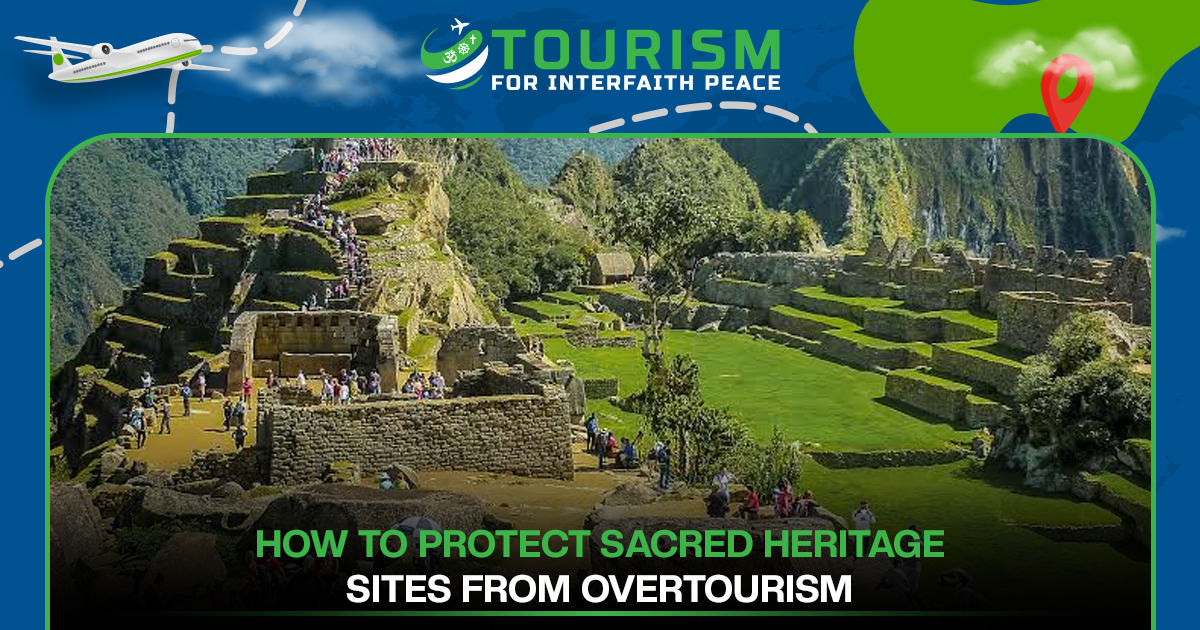
Places of worship, commemoration, cultural identity, and historical significance are all found at sacred heritage sites. These locations, which range from historic temples and Buddhist monasteries to gurdwaras, mosques, and Sufi shrines, draw pilgrims, travelers, scholars, and history buffs. Excessive visitor numbers can endanger the very legacy that tourists come to see, even while tourism can help local livelihoods and conservation.
Overtourism at heritage sites is more complicated than just an excessive number of tourists. It involves controlling tourism in a way that preserves local communities, historic buildings, religious customs, and the environment. Sacred sites can be responsibly welcomed while maintaining their significance for worshipers with the aid of sustainable planning.
Understanding the Impact of Overtourism on Sacred Heritage
When a destination is overburdened by visitor numbers, activities, or infrastructure, this is known as overtourism. These pressures can have an impact on the spiritual atmosphere as well as physical conservation at religious and cultural institutions.
Repeated touch, vibration, crowding, improper construction, or exposure to the environment can all be detrimental to historic buildings. Additionally, tourists may increase traffic near vulnerable areas, produce waste, and put a pressure on water supplies.
It has an effect that goes beyond architecture. During religious occasions, large crowds might interfere with worship, prevent local devotees from entering, and lessen the tranquility that is expected at sites of worship. A destination’s cultural character may also be weakened by commercial operations that disregard regional traditions.
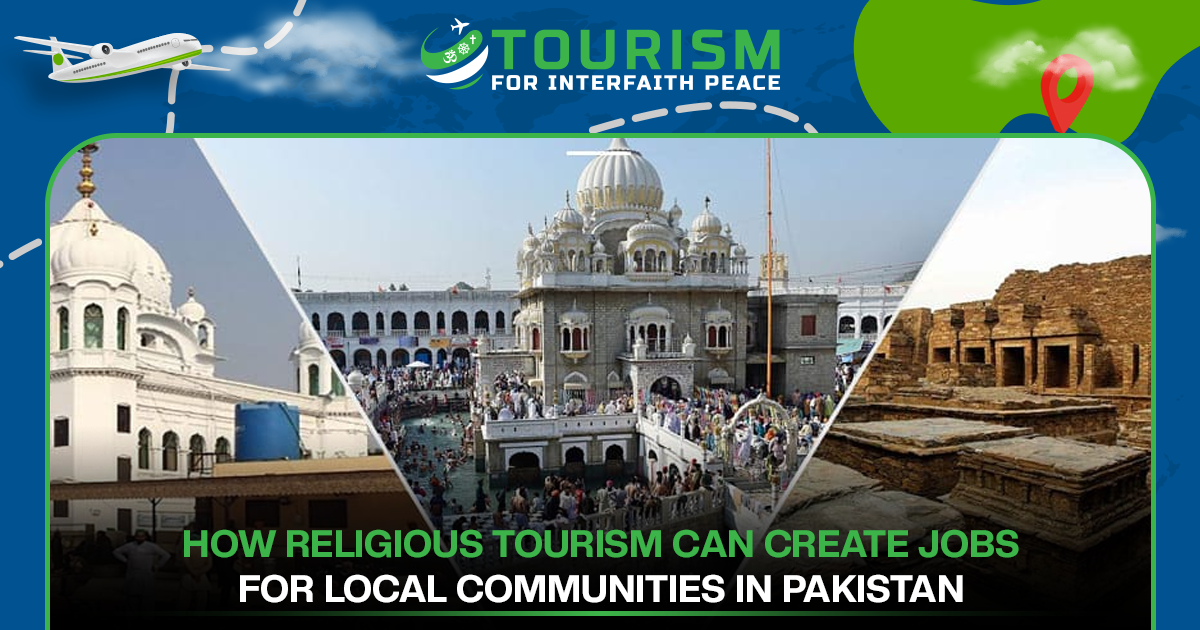
For instance, because to the tight relationship between their preservation and religious use, historic religious monuments in Pakistan such as temples, gurdwaras, Buddhist archeological remnants, and Sufi shrines require careful visitor planning.
Managing Visitor Capacity Without Excluding Pilgrims
Managing visitor capacity is crucial to preserving sacred heritage. It entails knowing how many people a location can hold, where guests congregate, and when pressure becomes detrimental.
Managers should evaluate the site’s condition, available facilities, cultural sensitivity, and conservation needs instead of imposing a single, fixed visiting limit on each area. Compared to a small prayer chamber or a delicate archeological construction, a vast open courtyard could be able to host more guests.
Practical measures include:
- Introducing timed entry during busy periods.
- Limiting group sizes in sensitive areas.
- Using advance booking for high-demand locations.
- Creating separate routes for visitors and worshippers where appropriate.
- Restricting access to fragile structures or sacred spaces.
- Monitoring visitor numbers during festivals and pilgrimage seasons.
The significance of analyzing visitor trends, controlling movement, and modifying access in accordance with a site’s conservation requirements is emphasized in UNESCO’s sustainable tourism guidelines. These steps can enhance both the visitor experience and the preservation of cultural assets.
Strengthening Heritage Preservation Through Conservation
Planning for tourism must continue to prioritize heritage preservation. Sacred places are cultural assets that need ongoing maintenance, not just tourist destinations.
To detect damage before it becomes significant, conservation teams can routinely examine structures, sculptures, paintings, inscriptions, and archeological remnants. When maintaining ancient structures in particular, the right tools and methods should be used.
Revenue from tourism can help with preservation as well. Restoration, cleaning, security, and site administration may be funded in part by entry fees, donations, guided tour fees, and contributions from tourism-related businesses. Spending should be guided by conservation priorities, and financial arrangements should be open.
Careful planning is necessary for modern facilities. Access can be enhanced with visitor centers, restrooms, parking lots, and stores, but poorly planned development could harm the historic setting. New development should maintain the architectural character of the site and be positioned away from vulnerable heritage elements.
For religious heritage in Pakistan, conservation also means maintaining the dignity and accessibility of active places of worship. TIP’s guide to religious heritage in Pakistan explores the historical and cultural importance of these sites.
Promoting Sustainable Pilgrimage Tourism
People can travel to holy places while preserving their social, cultural, religious, and environmental values thanks to sustainable pilgrimage tourism. It acknowledges that pilgrims and visitors may have different demands, and that both should be taken into consideration when planning tourism.
A sustainable pilgrimage experience can be supported through:
- Clear visitor guidelines about dress, photography, and conduct.
- Respectful access arrangements during worship and ceremonies.
- Trained guides who explain the site’s history and religious significance.
- Waste reduction and responsible use of water and energy.
- Local transport options that reduce congestion.
- Accommodation and services that benefit nearby communities.
Additionally, pilgrimage tourism should refrain from transforming holy rites into entertainment for tourists. Religious rituals must continue to be governed by the communities in which they are performed.
The significance of synchronizing visitor access with religious traditions and site management is exemplified by Pakistan’s Sikh pilgrimage sites, such as Nankana Sahib, Kartarpur, and Panja Sahib. Learn more through TIP’s Sikh pilgrimage guide.
Involving Local Communities in Heritage Protection
The strongest defenders of sacred heritage are frequently local groups. They are knowledgeable of historical events, religious traditions, and the cultural significance of locations that may not be apparent to outsiders.
Residents, local businesses, religious leaders, historical specialists, and site authorities should all be involved in tourism planning. Their involvement aids in identifying issues, creating suitable visitor regulations, and guaranteeing that the advantages of tourism are distributed equitably.
Community involvement can take several forms:
- Employing local guides and heritage interpreters.
- Supporting locally owned accommodation and food businesses.
- Consulting residents before introducing new tourism facilities.
- Training young people in conservation and cultural tourism.
- Establishing community feedback systems for visitor management.
When local people benefit from tourism and participate in decisions, they have stronger incentives and greater capacity to protect heritage sites.
Educating Visitors About Responsible Behaviour
Visitor awareness is one of the simplest and most effective ways to reduce damage. Many harmful actions occur because tourists do not understand the site’s religious customs or conservation restrictions.
Digital material, visitor briefings, guided tours, and clear signage may all help visitors understand why some places are off-limits, why touching historic surfaces is forbidden, and how to behave during worship.
Additionally, tour companies should get travelers ready before they arrive. Rules for photography, how to dispose of rubbish, appropriate attire, quiet behavior, and the significance of adhering to site personnel’s instructions are all examples of responsible guiding.
A visitor who understands the meaning and vulnerability of a sacred place is more likely to treat it with care. TIP’s resource on visiting religious sites in Pakistan provides useful context for respectful heritage travel.
Building a Long-Term Strategy for Sacred Heritage
Rather than imposing one-time limitations, ongoing monitoring is necessary to protect sacred assets from overtourism. Site management should monitor visitor numbers, crowding, garbage levels, conservation conditions, and community input.
Plans for tourism should be periodically evaluated and modified when conditions change. Demand can be distributed without sacrificing the site’s ideals through peak-season management, other routes, off-season visitation, and digital interpretation.
Through digital maps, virtual experiences, visitor-counting systems, and online reservations, technology can also help with conservation. These tools might lessen needless strain on delicate areas while increasing information accessibility.
The goal is not to prevent people from experiencing sacred heritage. It is to ensure that tourism remains compatible with preservation, worship, and community wellbeing.
Conclusion
Sacred heritage sites preserve generations’ cultural identities, memories, and beliefs. Though careful visitor planning and responsible tourism can lower the risks, overtourism can put these locations under strain.
Sacred locations can be kept safe and accessible through community involvement, sustainable pilgrimage tourism, visitor capacity management, and cultural preservation. Travel that respects religious customs, promotes cultural variety, and helps preserve Pakistan’s common legacy across time is encouraged by Tourism for Interfaith Peace (TIP).
Frequently Asked Questions
How does overtourism damage religious sites?
Physical deterioration, overpopulation, litter, traffic jams, strain on water and sanitary infrastructure, and harm to delicate historic buildings are all consequences of overtourism. Additionally, it could interfere with worship and undermine the serene ambiance of places of worship.
How can sacred places be protected?
When appropriate, tourist restrictions, conservation efforts, polite visitor policies, community involvement, responsible infrastructure, and frequent monitoring of the effects of tourism can all help to maintain sacred sites.
What is sustainable pilgrimage tourism?
Traveling to places of worship that honor worship, preserve cultural and natural heritage, assist local communities, and carefully oversee tourist activities is known as sustainable pilgrimage tourism.
Why is visitor capacity management important for heritage sites?
Determining how many visitors a place can host without endangering its infrastructure, surroundings, or cultural values is made easier with the use of visitor capacity management. It encourages travel that is safer, cozier, and more environmentally friendly.
How can tourists help preserve sacred heritage?
Visitors can abide by site regulations, refrain from handling historic artifacts, dress appropriately, properly dispose of waste, honor religious rites, and support neighborhood businesses and conservation initiatives.
What role do local communities play in heritage preservation?
Local communities participate in tourism decisions, offer cultural knowledge, assist in directing guest behavior, and profit from responsible tourism. Their participation ensures that local values are reflected in heritage protection.
Can tourism revenue support the preservation of sacred sites?
Indeed. Conservation, upkeep, security, and tourist amenities can be financed with the support of well-managed tourism money from fees, contributions, and local services. To guaranty that funds support historic protection, transparent management is crucial.