Community-based tourism in Pakistan means travelling in ways that local residents help shape and benefit from: staying with local hosts, hiring local guides, eating local food and buying directly from makers. Residents decide what is shared and on what terms.
Some of the most useful things a traveler learns never appear on a signboard. The most meaningful trips often happen away from famous landmarks, when visitors learn from the people who live there.
Pakistan has plenty to learn from: regional cuisines, crafts, historic towns, festivals, mountain valleys and a wide range of religious heritage. Community-based tourism in Pakistan is one way to experience these places while letting local people share in the benefits.
What Is Community-Based Tourism?
Community-based tourism puts residents at the centre. They help plan the experience, deliver it and keep a fair share of the income. That might be a locally guided walk, a homestay, a meal cooked by a family, a craft workshop or a heritage tour led by someone from the neighbourhood.
What separates it from ordinary tourism is who holds the decisions and the money. A coach that arrives, photographs a village and leaves gives residents little. Meaningful participation means local people choose what they offer, set the terms and can say no. Community tourism in Pakistan works best when hosts are partners, not scenery.
Why Travel Beyond Pakistan’s Popular Tourist Destinations?
Famous sites show you what a country looks like. Smaller towns, markets and village routes show you how people live in it. Authentic travel experiences in Pakistan often start off the main circuit.
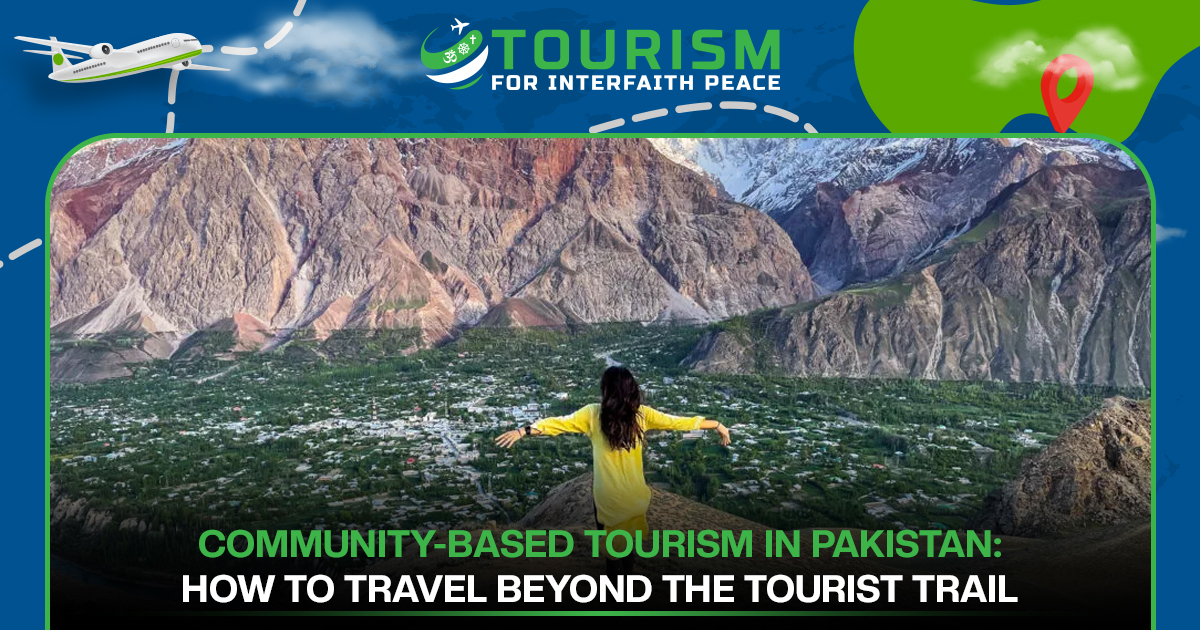
The range is wide. Hunza, in Gilgit-Baltistan, has its own languages and mountain traditions. The Kalash communities of Chitral live in the Bumburet, Rumbur and Birir valleys and keep a festival calendar of their own, including Chilam Joshi in spring. Multan’s old streets hold shrines and a long craft tradition that includes blue pottery. For more on festivals and regional customs, see this guide to cultural tourism in Pakistan.
Not every destination offers organised community-based tourism, and access can change, so check current conditions with local authorities before you plan.
How Local Communities Benefit from Responsible Tourism
Responsible tourism in Pakistan can create work for local guides, artisans, family-run guesthouses, food businesses, drivers and small shops. When visitors spend locally, more of the money stays in the destination.
None of this happens automatically. Outcomes depend on fair pay, careful planning, a real community voice in decisions and protection of the environment, which sustainable tourism in Pakistan relies on. A visitor code cited on TIP’s website says the Kalash receive little economic benefit from tourism, which is why choosing local guides and locally run stays matters. Supporting local communities through tourism takes deliberate choices, not just a visit.
Cultural Exchange, Religious Heritage, and Interfaith Understanding
Pakistan’s heritage includes Buddhist monasteries, mosques, Hindu temples, gurdwaras and churches, and many are still places of active worship.
Interfaith tourism in Pakistan rests on curiosity and courtesy: ask, listen, follow the guidance of custodians and rely on accurate local history rather than rumour. Customs differ between sites and communities, so ask before you assume. TIP’s article on how interfaith tourism builds bridges between cultures in Pakistan goes deeper.
Tourism cannot resolve deep social or religious tensions, and no trip should be sold as if it could. It can create ordinary, respectful contact between people who might otherwise know each other only through news reports.
How to Travel Beyond the Tourist Trail Responsibly
- Hire local guides where available.
- Buy crafts and food products directly from the people who make them.
- Choose locally owned accommodation when it suits your trip.
- Ask permission before photographing people, homes, ceremonies or worship.
- Follow local customs and dress expectations.
- Keep places clean, and respect wildlife, natural resources and historic sites.
- Ask questions respectfully, and treat traditions as living practice, not entertainment.
- Check current travel advice, access rules, weather and local guidance before visiting remote areas.
How Tourism for Interfaith Peace Supports Meaningful Travel
Tourism for Interfaith Peace (TIP) states that it uses tourism to promote socio-economic growth, mutual understanding and peacebuilding, and that it works to protect cultural heritage and encourage interfaith harmony. It says it collaborates with local communities and tourism stakeholders, and it describes a commitment to the UN’s SDG 16 on peace, justice and strong institutions.
That fits the point of this article: travel becomes more meaningful when visitors learn from local communities and approach differences with respect.
Make Your Next Journey More Meaningful
On your next trip, look past the familiar route. Seek out local hosts, ask how your spending reaches them and think about what your visit leaves behind. Cultural heritage tourism in Pakistan rewards visitors who arrive curious and leave places in good order.