| Key Takeaways Pakistan’s Buddhist, Hindu, Sikh and Islamic heritage can be explored by following one thread at a time: Taxila and Takht-i-Bahi, Katas Raj, Nankana Sahib and Kartarpur, and Lahore’s historic mosques. Many sites are active places of worship, and access can change, so confirm conditions before you travel and visit as a guest. |
Most guides to Pakistan sort places by region. Another way is to follow a thread: Buddhist monasteries on the hills of Gandhara, a temple complex around a sacred pond in the Salt Range, gurdwaras tied to the life of Guru Nanak, mosques that shaped the skyline of Lahore. Each thread leads to a different part of the country and a different set of caretakers. This guide offers a starting point for each one, with notes on what to check before you go.
Four Threads, Four Starting Points
Buddhist heritage: Taxila and Takht-i-Bahi
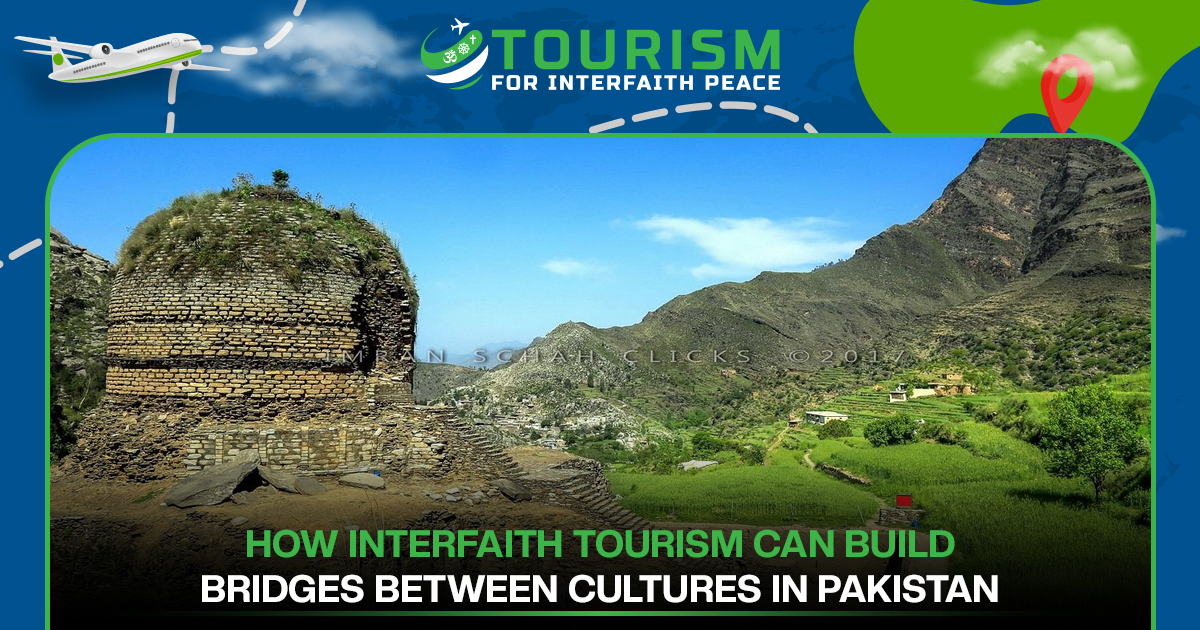
UNESCO inscribed Taxila in 1980. It is a valley of more than thirty sites, not a single ruin, with a continuous history from the 6th century BC to the 7th century AD, according to Pakistan’s Department of Archaeology. The Dharmarajika stupa, the Jaulian monastery on its hilltop, Mohra Muradu and the city of Sirkap are good places to begin. The sites are spread out, so plan a full day and hire a local guide.
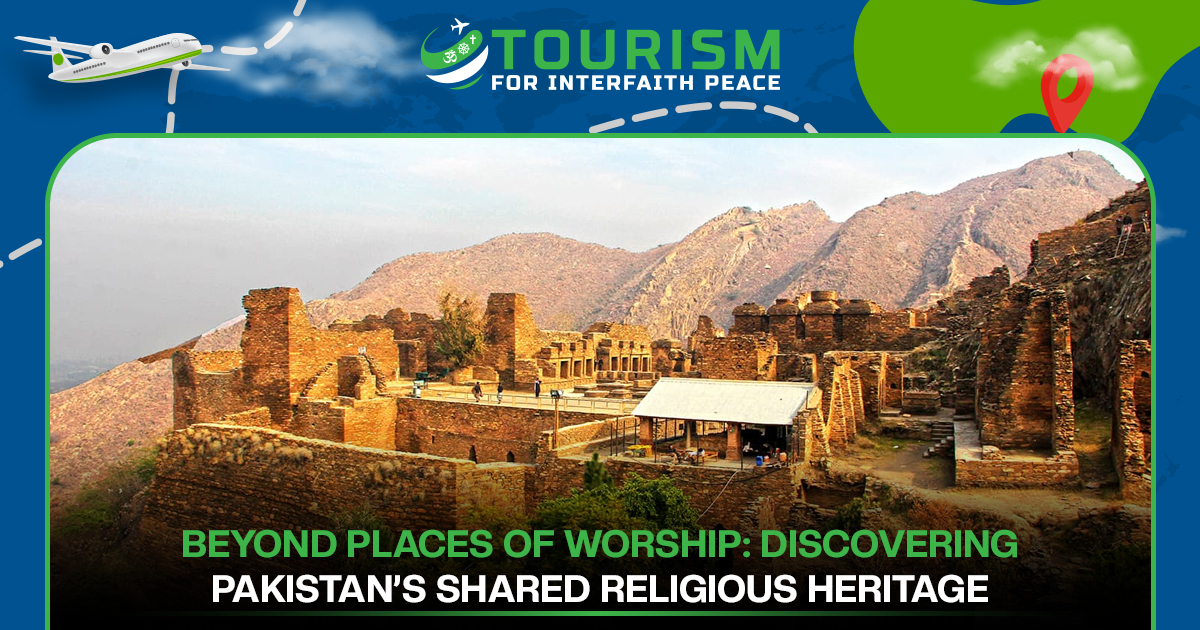
Takht-i-Bahi, near Mardan on the road to Swat, was founded in the early 1st century, UNESCO says, and stayed in use until the 7th. Its hilltop setting helped it escape successive invasions, and it remains exceptionally well preserved. The nearby city remains at Sahr-i-Bahlol are listed as endangered by urban expansion. Road and security conditions in the north vary, so check current advisories first.
Hindu heritage: Katas Raj
Katas Raj, near Chakwal, is a group of temples around a pond that Hindus regard as sacred. The government began restoration in 2006. Conditions change. Reports in July 2025 described rain damage to the structures, and the pond has had water problems before. Some accounts say temple interiors stay locked outside pilgrimage periods, so ask the local authorities or the Evacuee Trust Property Board what is open before you set out.
Sikh heritage: Nankana Sahib and Kartarpur
Gurdwara Janam Asthan at Nankana Sahib marks the birthplace of Guru Nanak. Gurdwara Darbar Sahib at Kartarpur, in Narowal district on the west bank of the Ravi, is where he spent his last years. The Kartarpur Corridor opened on 9 November 2019 to give Indian pilgrims visa-free access. India’s government told its Parliament on 31 July 2026 that the corridor remains suspended, and although the bilateral agreement runs to 2029, that does not guarantee reopening. Access depends on official arrangements, so confirm before planning.
Islamic architecture: Wazir Khan and Badshahi Mosques
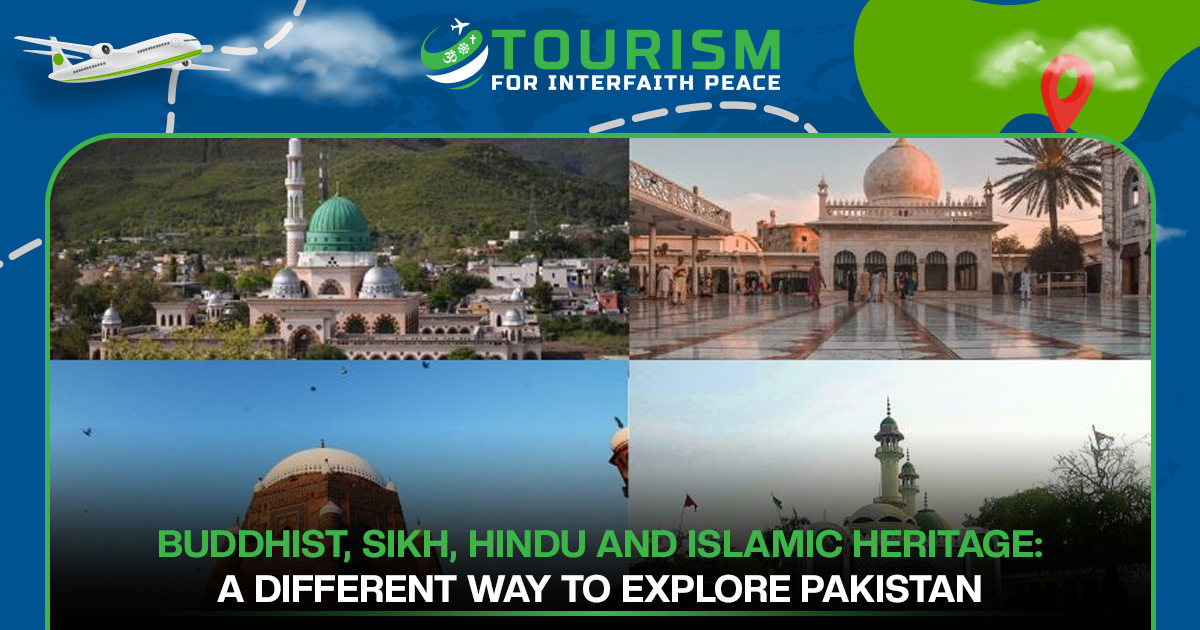
The Wazir Khan Mosque in Lahore’s Walled City dates to 1634-35, and the Aga Khan Trust for Culture has worked with the Government of Punjab on its conservation. The Badshahi Mosque was built in the 1670s. Many mosques welcome visitors, but entry may be limited around prayer times, so follow the caretakers’ guidance. The lanes around them are part of the experience, a point we explore in Beyond Places of Worship.
| Site | Region | Check before you go |
|---|---|---|
| Taxila | Punjab | Opening hours; distances between sites |
| Takht-i-Bahi | Mardan, Khyber Pakhtunkhwa | Road and security advisories |
| Katas Raj | Chakwal, Punjab | Whether temples are open; rain damage; pond levels |
| Nankana Sahib and Kartarpur | Punjab | Corridor status; visa and access rules |
| Wazir Khan and Badshahi Mosques | Lahore | Prayer times; dress; restoration work |
What Responsible Interfaith Tourism Can Do
Visitor spending can pay guides and drivers and help fund upkeep, but only when it reaches the people who host you. Katas Raj and Sahr-i-Bahlol show how heritage depends on its surroundings, from groundwater to growing towns. Meeting caretakers and local families turns an abstract neighbour into a specific person, which is why we describe tourism as a way to build understanding. It will not settle political or religious disputes, and no itinerary promises peace. Our piece on how interfaith tourism can build bridges between cultures in Pakistan explores both the possibilities and the limits.
Respectful Travel Basics
- Dress. Choose modest clothing with covered shoulders and knees. Covering your head and removing shoes are commonly expected at mosques and gurdwaras, so carry a scarf and socks and ask at the entrance.
- Photography. Ask before photographing people, worship or ceremonies. Some sites restrict photography or charge fees.
- Conduct. Follow the guidance of caretakers. Do not touch offerings or remove stones and tiles. Avoid debating belief, and do not assume that people of one faith think alike.
- Access. Hours, roads, security and pilgrimage dates change. Check official advisories and local tourism authorities close to your travel date.
- Support locals. Hire local guides, eat locally and buy from local makers.
Plan Your Visit With TIP
Tourism for Interfaith Peace designs journeys to sacred and historic places and hosts interfaith events. If you would like to explore one of these threads with people who know the ground, learn more on our about page. To ask what we currently offer, use the contact page or write to info@tourismforinterfaithpeace.com. Share the sites you are considering and your travel dates, and we will tell you what we can arrange.
Frequently Asked Questions
Which Buddhist sites in Pakistan can visitors see?
Taxila and Takht-i-Bahi with Sahr-i-Bahlol are both UNESCO World Heritage Sites inscribed in 1980. Check access and road conditions before travelling.
Can visitors go to Kartarpur Sahib right now?
It depends on your nationality and on official arrangements. India’s government said in July 2026 that the corridor remains suspended. Confirm the current rules before you plan.
What should I wear at religious heritage sites in Pakistan?
Wear modest clothing and carry a scarf for head covering. Practices differ between sites, so ask at the entrance.
Can I take photographs at these sites?
Often yes, but always ask first when people or worship are involved, and follow any posted rules.
Is it safe to travel to these places?
Conditions vary by region and change over time. Check official travel advisories and local authorities, and travel with a local guide.