Religious heritage tourism in Pakistan creates opportunity when visitors reach sacred and historic places in ways that benefit the people who care for them. Done well, it brings income to guides, artisans and small businesses, gives communities a reason to protect shared heritage and introduces visitors to other faiths through the people who live them. Done badly, it brings crowds and little else. Tourism for Interfaith Peace (TIP), an Islamabad-based organization, argues for the first path. This article explains why, and separates what TIP has documented from analysis.
What Is Religious Heritage Tourism?
It is travel built around shrines, monasteries, temples, churches and other sacred or historic places, with the aim of understanding the communities connected to them, not only photographing architecture. Many of these places are still in daily use. That separates it from a museum visit: the traveler is a guest in somebody’s place of worship.
Pakistan’s Religious and Cultural Heritage Opportunity
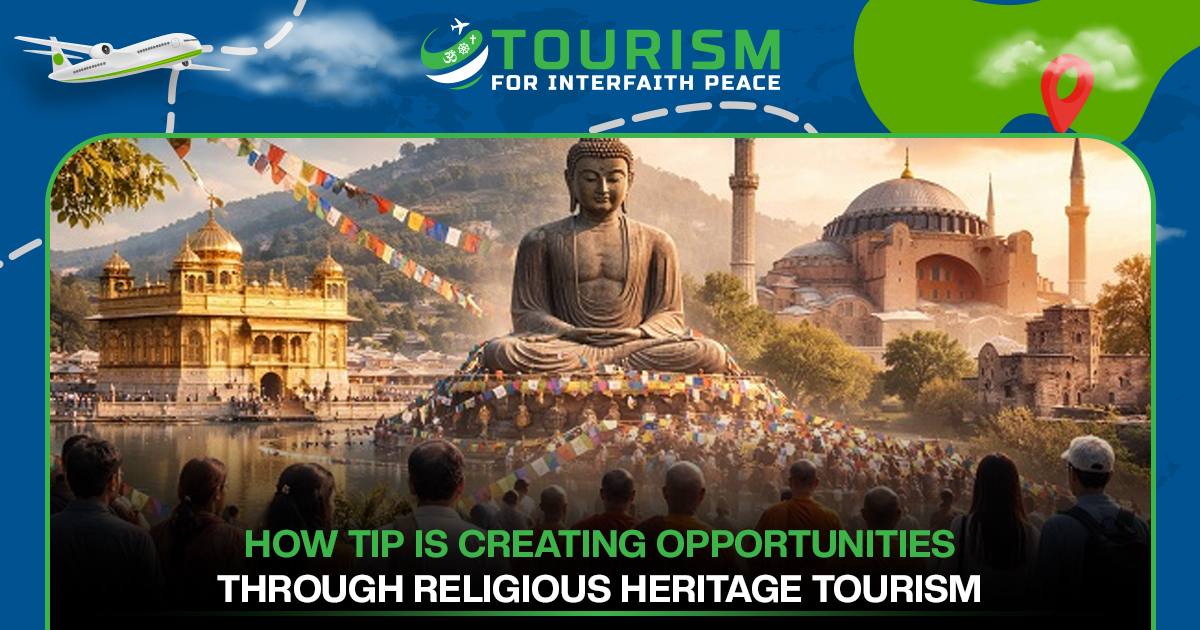
UNESCO lists six cultural properties for Pakistan: Moenjodaro, Takht-i-Bahi, the Fort and Shalamar Gardens in Lahore, Makli, Rohtas Fort and Taxila. Pakistan’s religious heritage sites reach well beyond that list. TIP’s guide to interfaith tourism describes the Buddhist monastery at Takht-i-Bahi, founded in the first century CE; Gurdwara Darbar Sahib Kartarpur, reached by a corridor that opened on 9 November 2019; the Hindu temple complex at Katas Raj; Jain temples near Nagarparkar; and cathedrals in Lahore and Karachi. Hinglaj Mata in Lasbela is honored by Hindus and by some local Muslims, who call the deity Nani Pir.
How Heritage Tourism Can Support Local Communities
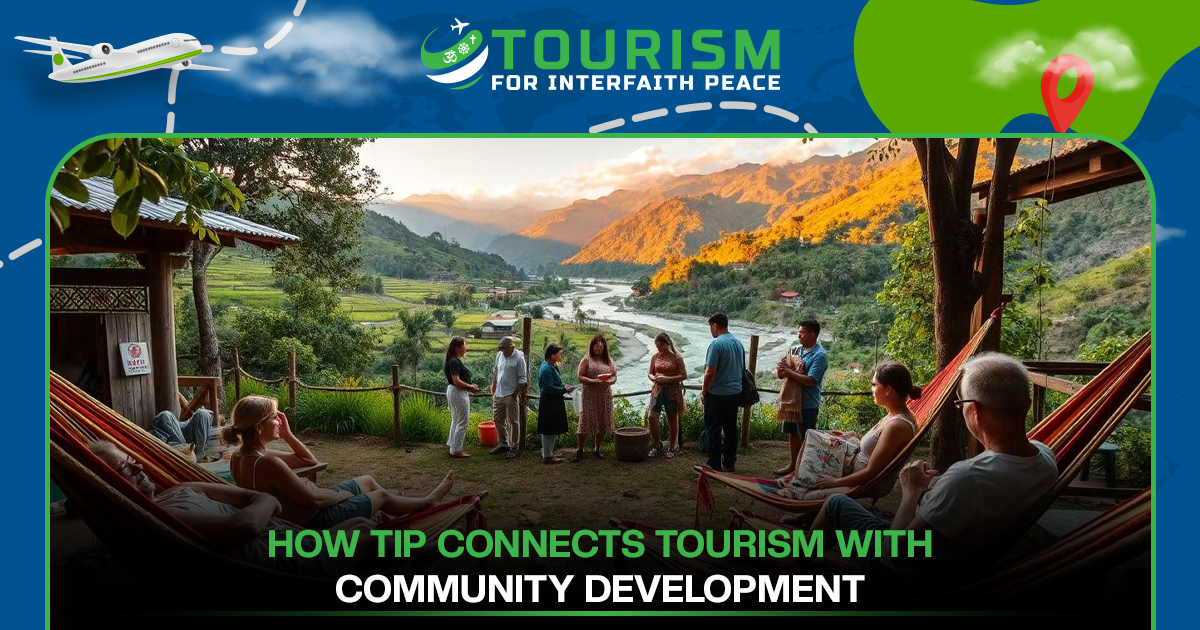
Visitors need guides, transport, food and lodging, so income can reach caretakers, artisans and small hospitality businesses. That is the basic case for tourism and community development, and for tourism opportunities for local communities. The word to watch is “can”: when visitors book distant operators and fees vanish into general budgets, local benefit is small. TIP’s overview of how it connects tourism with community development sets out the chain. It recommends training guides from custodian communities, including minority communities, buying locally and publishing how entry fees are spent. These are recommendations, not reported results.
Tourism, Cultural Preservation and Interfaith Understanding
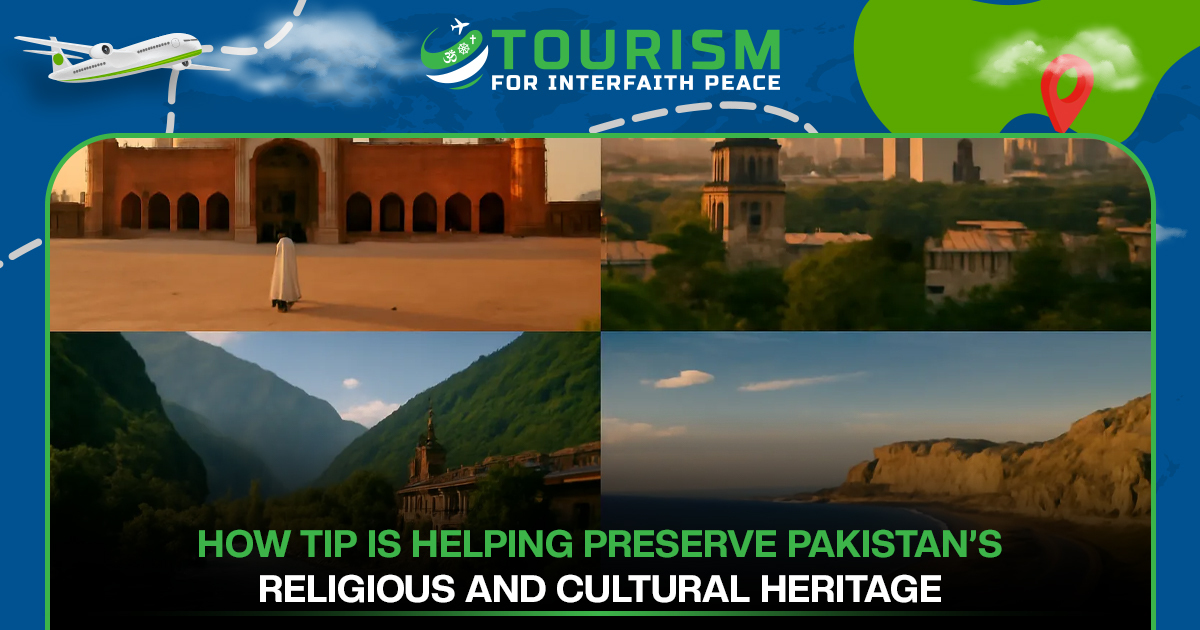
Tourism does not preserve heritage on its own. Conservation, funding, policy and community participation do most of it. As TIP’s piece on preserving Pakistan’s religious and cultural heritage notes, the Endowment Fund Trust for the Preservation of the Heritage of Sindh has restored parts of Nagarparkar with private funding, and UNESCO has sent a monitoring mission to Makli. Neither depends mainly on visitor numbers. Tourism adds attention and, when well managed, income that gives people a reason to protect a site.
On interfaith understanding, TIP’s stated view is that it begins with proximity, not debate. Standing in a space that matters to someone else and hearing a caretaker explain it asks nothing of a visitor’s own beliefs. That is the link between religious tourism and interfaith peace. TIP has not published outcome data, so read it as a reasoned view, not a proven effect.
How TIP Is Connecting Heritage With Opportunity
What TIP documents: its About page describes a mission of building bridges across religious and cultural boundaries through sustainable tourism, supporting local communities and creating opportunities for economic growth and cultural preservation. It says it designs journeys to sacred and historic sites and hosts events, interfaith dialogues and workshops. Syed Sadat Hussain Shah is listed as CEO, and TIP says its launch on 12 October 2024 brought together leaders from several faiths. Its guide proposes a sequence: conserve before promoting, interpret living practice with custodian communities, improve access and manage visitor numbers.
What it does not document: participation figures, conservation projects or outcome data. Its contribution so far is advocacy and awareness, not custodianship of any site.
Why Responsible and Sustainable Tourism Matters
Sacred places come first and visitors second. Sustainable heritage tourism means custodians define what respectful visiting looks like, capacity limits protect small sites, quiet hours are kept during worship and guides present a site as a place of current worship, not a relic. Academic work cited by TIP notes that religious tourism has become commercialized and that managing sacred sites takes more than marketing. These places hold memory for the communities around them, and what is not maintained now will not be there for the next generation.
Practical Takeaways and Future Opportunities
- Travelers: read about a site first, follow caretakers’ guidance, respect prayer areas and ask before photographing worship.
- Spend locally: local guides, locally owned lodging, local artisans.
- Planners and operators: conserve before promoting, and publish how entry fees are spent.
- Look ahead: Nagarparkar’s cultural landscape has been on UNESCO’s Tentative List since 2016, a reminder that recognition takes time and care.
Frequently asked questions
What is religious heritage tourism in Pakistan?
It is travel to shrines, monasteries, temples, churches and other sacred sites that helps visitors understand the communities connected to them. Many of these sites are still places of daily worship.
Which Pakistan religious heritage sites suit religious tourism?
TIP’s guide names Takht-i-Bahi and Taxila (Buddhist), Kartarpur and Nankana Sahib (Sikh), Katas Raj and Hinglaj (Hindu), Nagarparkar (Jain) and cathedrals in Lahore and Karachi (Christian).
How does religious tourism support local communities?
Visitors spend on guides, transport, food, lodging and crafts, so income can reach local people. The benefit depends on hiring and buying locally and on fees being spent visibly.
How can tourism help preserve Pakistan’s religious heritage?
It can raise attention and income, but preservation also needs conservation work, funding, policy and community participation. Tourism helps most when revenue is shared and spent on upkeep.
How does religious tourism promote interfaith peace?
TIP’s stated view is that understanding begins with proximity: meeting a tradition through the people who live it. TIP has not published outcome data.