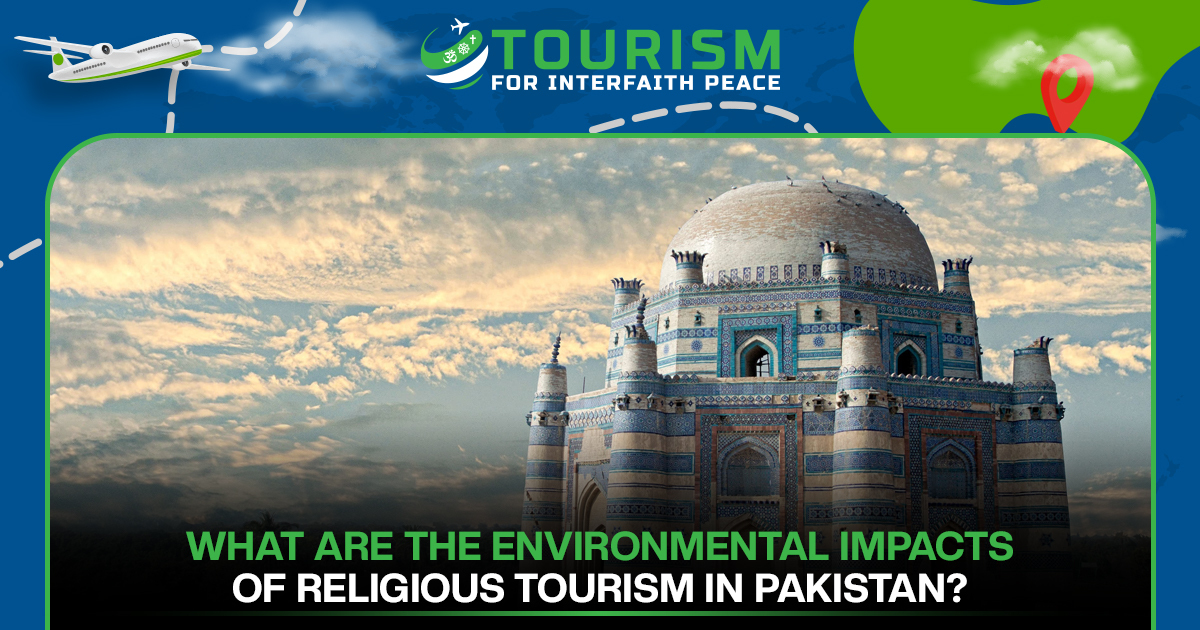
Pakistan is home to a remarkable concentration of religious and heritage sites, drawing Muslim pilgrims to shrines and mosques, Buddhist visitors to Gandhara’s ancient monasteries, Sikh pilgrims to gurdwaras across Punjab, Hindu travelers to historic temples, and Christian communities to churches with roots stretching back generations. Alongside these faith communities, a growing number of international tourists, researchers, and cultural travelers now visit these sites for their historical and architectural significance.
This diversity is one of the country’s most underappreciated tourism assets. It is also a genuine environmental responsibility. As visitor numbers grow, the same sites that draw people for spiritual and cultural reasons face real pressure from waste, water use, and physical wear. Understanding both sides of that equation, what religious tourism gives back and what it costs, is essential for keeping these places accessible for generations to come.
Understanding Religious Tourism in Pakistan
Religious tourism, sometimes called pilgrimage or faith tourism, refers to travel motivated primarily by a desire to visit sites of religious or spiritual significance. In Pakistan, this includes major pilgrimage destinations such as Sufi shrines in Sindh and Punjab, the Buddhist heritage sites of Taxila and Swat, Sikh gurdwaras including Kartarpur, Hindu temples in Sindh and Balochistan, and churches in cities with long-standing Christian communities.
These sites carry deep cultural and economic importance. They support local employment through guiding, hospitality, and crafts, and they anchor regional identity in ways few other attractions can. Faith-based tourism has also grown steadily in recent years, driven by improved infrastructure, greater international interest in Pakistan’s religious diversity, and renewed government attention to heritage preservation.
Positive Environmental Impacts of Religious Tourism
Religious tourism, when managed well, can genuinely support environmental and heritage conservation rather than working against it.
- Heritage conservation: visitor revenue and international attention have funded restoration work at sites that might otherwise fall into disrepair.
- Restoration of historical sites: increased footfall creates a financial case for maintaining structures, drainage, and surrounding landscapes.
- Increased environmental awareness: pilgrims and cultural travelers alike are increasingly exposed to conservation messaging built into the visitor experience.
- Community participation: local caretakers and residents often lead maintenance and cleanup efforts around active shrines and heritage sites.
- Sustainable tourism initiatives: waste management pilots and eco-friendly visitor facilities have expanded at several higher-traffic pilgrimage destinations.
- Improved local infrastructure: roads, water systems, and sanitation facilities built to serve pilgrims often benefit surrounding communities year-round.
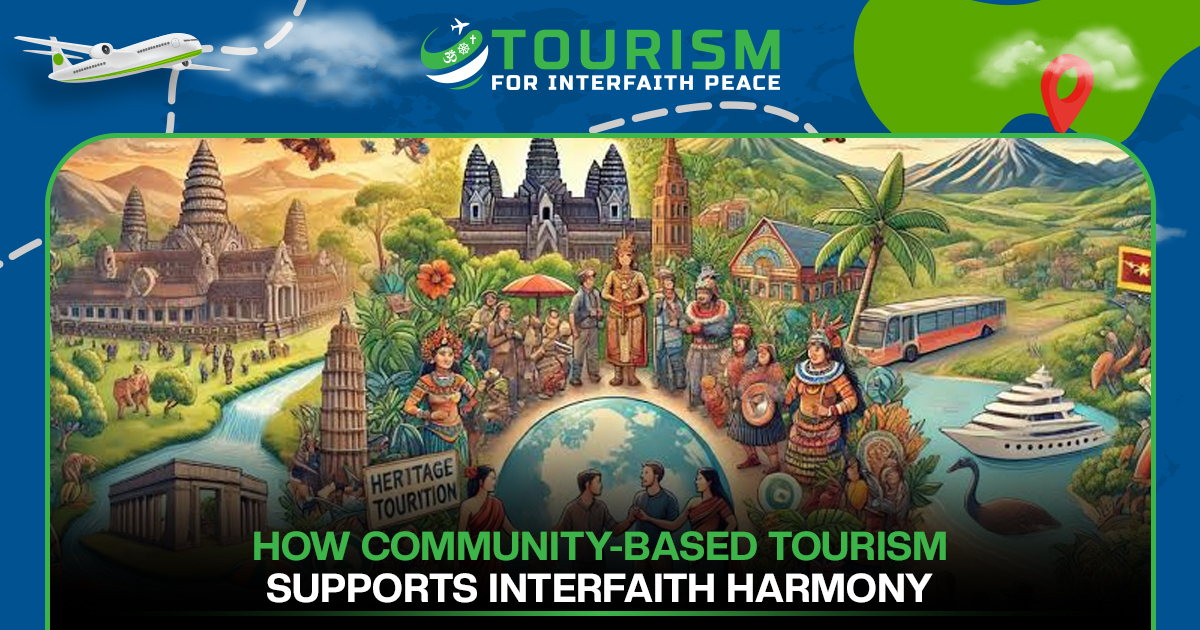
This is where community involvement makes the biggest difference. How Community-Based Tourism Supports Interfaith Harmony explores how putting local residents at the center of tourism planning tends to produce stronger, more consistent conservation outcomes than top-down management alone.
Environmental Challenges Created by Religious Tourism
The same visitor numbers that fund conservation can also strain the environment when growth outpaces planning. These challenges are well documented at pilgrimage destinations worldwide, and Pakistan’s sites are not exempt.
- Waste management: seasonal pilgrimage surges can overwhelm local waste collection systems, particularly at rural or remote shrines.
- Plastic pollution: single-use packaging from food and water vendors accumulates quickly during peak visitation periods.
- Traffic congestion: narrow access roads around older heritage sites were rarely built for modern vehicle volumes, leading to emissions buildup and local air quality concerns.
- Water consumption: ritual washing, sanitation needs, and vendor activity increase demand on local water supplies that are often already limited.
- Damage to natural landscapes: informal parking, vendor sprawl, and foot traffic can erode vegetation and soil around unprotected site perimeters.
- Pressure on heritage sites: repeated physical contact, touching, and crowding gradually wear down fragile stone, plaster, and painted surfaces.
- Carbon emissions: long-distance domestic and international travel to pilgrimage destinations contributes to the broader footprint of faith-based tourism.
None of this means religious tourism is inherently harmful. It means growth without planning creates avoidable strain, and that strain is manageable with the right systems in place.
| Environmental Impact | Positive Effects | Negative Effects |
|---|---|---|
| Heritage Sites | Restoration funding, structural upkeep | Physical wear from crowding and handling |
| Waste & Water | Investment in sanitation infrastructure | Seasonal overload, plastic accumulation |
| Local Economy | Jobs in guiding, crafts, hospitality | Vendor sprawl onto natural landscapes |
| Transport | Improved regional road access | Traffic congestion, localized emissions |
| Community | Stronger conservation ownership | Strain on shared resources during peak season |
How Responsible Tourism Can Reduce Environmental Impact
Most of the environmental strain associated with religious tourism can be reduced through practical, achievable changes in how sites are managed and how travelers behave.
- Choose eco-friendly travel options, including shared or public transport where available, to reduce per-visitor emissions.
- Reduce waste by carrying reusable water bottles and avoiding single-use packaging near sensitive sites.
- Respect heritage sites by following posted guidelines, avoiding unnecessary touching of fragile surfaces, and staying on marked paths.
- Support sustainable transportation initiatives, including shuttle services designed to reduce vehicle congestion near shrines and monasteries.
- Spend locally, supporting community-run guesthouses, guides, and vendors rather than external operators with no stake in the site’s upkeep.
- Practice responsible visitor behavior, including quiet conduct during active worship and minimal environmental footprint.
- Support conservation partnerships between local communities, NGOs, and heritage authorities that fund long-term site maintenance.
Individual travelers carry real influence here. How to Travel Responsibly as a Solo Interfaith Traveler lays out practical habits, from packing choices to on-site conduct, that reduce environmental impact without requiring any special expertise.
| Sustainability Tips for Visiting Religious Sites Carry a reusable water bottle and avoid single-use plastic where refill stations exist.Travel in groups or use shared transport during peak pilgrimage seasons to reduce congestion.Dispose of waste only in designated bins, even where facilities are limited.Avoid touching fragile carvings, murals, or structures, however tempting it may be.Choose tour operators and guides who demonstrably reinvest in the communities they work with. |
The Future of Sustainable Religious Tourism in Pakistan
Long-term protection of Pakistan’s religious and cultural sites depends on coordinated action rather than any single fix. Government initiatives focused on heritage site management, expanded waste infrastructure at high-traffic pilgrimage destinations, and stronger enforcement of conservation guidelines all play a role.
Community involvement remains central to any lasting solution. Sites where local residents have a direct economic and cultural stake in preservation tend to see more consistent upkeep than sites managed entirely from outside. Responsible tour operators also carry real influence, shaping visitor behavior through group size limits, site pacing, and clear guidance on etiquette.
Choosing the right operator matters more than many travelers realize. How to Choose the Right Tour Operator for Interfaith Travel outlines what to look for in an operator that treats environmental responsibility as seriously as cultural respect.
Environmental education, whether delivered through signage at sites, guide training, or visitor orientation, remains one of the most cost-effective tools available. Travelers who understand why a practice matters are far more likely to follow it than those simply told to comply. Sustainable destination management, paired with genuine community ownership, offers the clearest path toward long-term preservation of Pakistan’s religious and cultural sites.
Conclusion
Religious tourism will continue to grow across Pakistan, drawing pilgrims, cultural travelers, and researchers to sites that hold centuries of shared history. That growth can strengthen conservation, support local communities, and deepen understanding across faith traditions, but only if it is paired with genuine environmental responsibility.
Protecting these places is not the job of any single group. It depends on travelers who pack out what they pack in, operators who treat sustainability as a core practice rather than an afterthought, and communities empowered to protect the heritage they hold. Every respectful, low-impact visit adds up to something larger: religious and cultural sites that remain open, intact, and meaningful for the next generation of travelers, pilgrims, and neighbors alike.
Frequently Asked Questions
What is religious tourism in Pakistan?
Religious tourism in Pakistan refers to travel motivated by visiting sites of spiritual or religious significance, including Sufi shrines, Buddhist monasteries, Sikh gurdwaras, Hindu temples, and historic churches across the country.
What are the positive environmental impacts of religious tourism?
Positive impacts include funding for heritage restoration, greater environmental awareness among visitors, community-led conservation efforts, and improved local infrastructure such as roads and sanitation systems.
What are the negative environmental impacts of religious tourism?
Negative impacts include plastic pollution, strained waste management systems, water consumption pressure, traffic congestion near heritage sites, and physical wear on fragile historical structures.
How can tourists reduce their environmental impact when visiting religious sites?
Travelers can reduce impact by carrying reusable water bottles, using shared or sustainable transport, disposing of waste properly, respecting site guidelines, and supporting local businesses and guides.
Why is sustainable tourism important for religious sites in Pakistan?
Sustainable tourism helps protect fragile heritage structures and natural surroundings from overcrowding and pollution, ensuring these sites remain accessible and intact for future generations of visitors and worshippers.
Does religious tourism contribute to carbon emissions?
Yes. Long-distance travel to pilgrimage destinations, along with local transportation around sites, contributes to the broader carbon footprint associated with faith-based tourism, similar to other forms of travel.
How can local communities benefit from sustainable religious tourism?
Communities benefit through employment in guiding, hospitality, and crafts, along with a direct stake in conservation that tends to produce stronger, more consistent site upkeep over time.