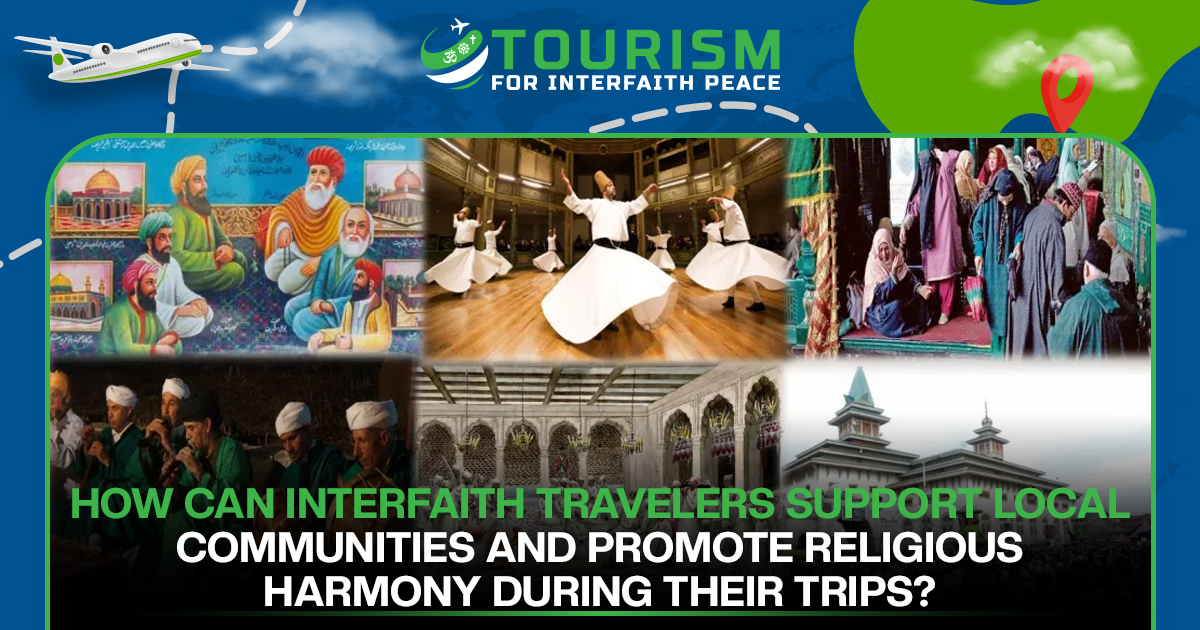
Interfaith travelers can support local communities and promote religious harmony by engaging respectfully with people, supporting local economies, and understanding cultural and religious values during their trips.
Simple actions like choosing local services, learning traditions, and interacting with communities in a thoughtful way can turn travel into a meaningful contribution rather than just a visit.
In this blog, we will discuss how interfaith travel in Pakistan can create real community impact while encouraging peace and cultural understanding.
Why Interfaith Travel Matters Today
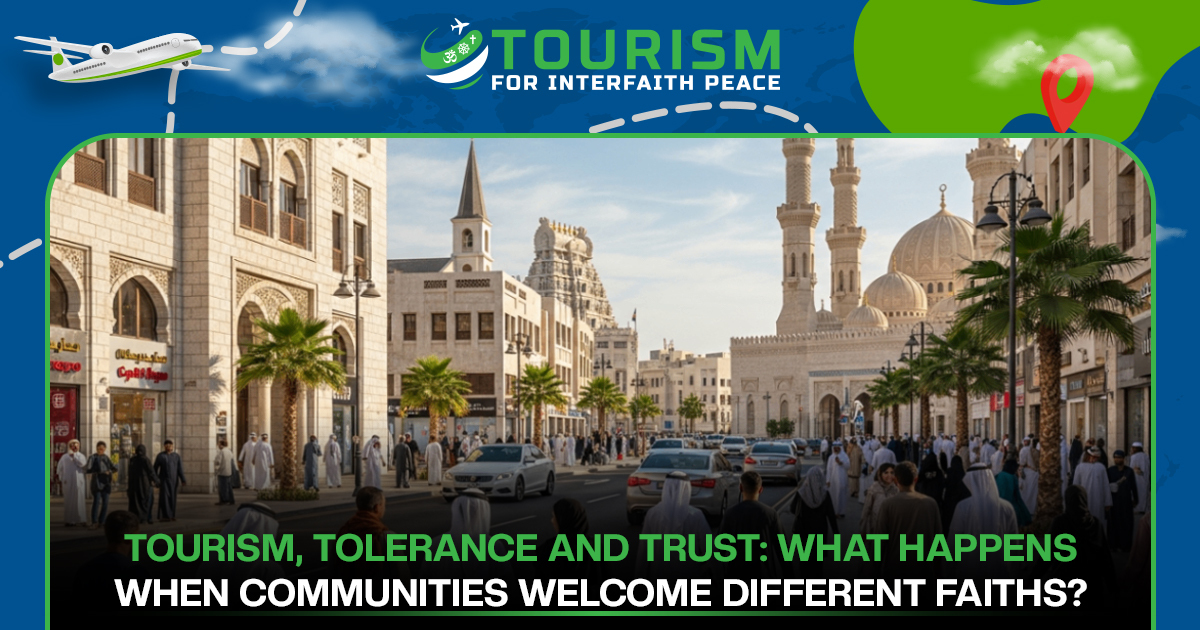
Travel today is no longer just about visiting places. It shapes how people see cultures, religions, and communities. Interfaith travel in Pakistan offers a unique opportunity to experience diversity in a country where different traditions have coexisted for centuries.
When travelers approach these experiences with awareness, they help build trust between cultures. When they don’t, even small misunderstandings can create distance. This is why peace-building travel is not only about destinations, but about behavior.
Understanding Community Support Tourism
Community support tourism focuses on making sure that local people benefit directly from tourism activities. In many parts of Pakistan, especially in culturally rich regions, tourism is closely tied to livelihoods.
From practical observation, travelers who rely on local services create a visible difference. Small businesses grow, traditional crafts survive, and communities feel respected rather than exploited.
This approach also creates a more authentic travel experience. Instead of standardized tours, travelers gain real insight into how people live, think, and practice their beliefs.
How Travelers Can Support Local Communities
- Engaging with Local Economies
Choosing locally owned accommodations, guides, and transport services ensures that tourism income stays within the community. This is one of the most direct forms of community support tourism.
It also builds trust. When communities see that visitors value their work, they become more open to sharing their culture and stories.
- Respecting Cultural and Religious Practices
In interfaith travel in Pakistan, respect is not optional. Visiting mosques, temples, shrines, or community spaces requires awareness of local customs.
This includes simple actions such as dressing appropriately, asking before taking photos, and observing local etiquette. These small efforts signal respect and create a positive interaction between visitors and hosts.
- Supporting Cultural Preservation Tourism
Cultural preservation tourism focuses on protecting traditions, languages, and heritage.
Travelers contribute by:
- Participating in local cultural experiences without altering them
- Purchasing authentic handmade products
- Showing interest in local history and traditions
When cultural practices are valued, communities are more likely to preserve them for future generations.
How Interfaith Travel Promotes Religious Harmony
- Building Direct Human Connections
One of the most effective ways to reduce misunderstanding is through direct interaction. Conversations with local people, shared meals, and guided discussions allow travelers to see beyond stereotypes.
In many regions of Pakistan, communities have long histories of coexistence. Learning about these experiences firsthand helps travelers understand how harmony is practiced, not just discussed.
- Encouraging Mutual Respect Through Experience
Peace-building travel is not about promoting one belief over another. It is about understanding differences while recognizing shared values such as respect, compassion, and community.
Travelers who listen more than they speak often leave with a deeper understanding of both others and themselves.
The Role of Tourism for Interfaith Peace
Tourism for Interfaith Peace promotes a model of travel where tourism becomes a tool for dialogue and understanding. It encourages travelers to explore cultural and religious diversity responsibly while contributing to local communities.
The initiative focuses on connecting tourism with purpose. It highlights how travel can support peace-building efforts by creating meaningful interactions between people from different backgrounds.
Challenges Travelers Should Be Aware Of
From real-world experience, one of the biggest challenges in cultural travel is unintentional disrespect. Travelers may not always be aware of local sensitivities, which can affect community relationships.
Another challenge is over-commercialization. When tourism becomes purely profit-driven, it can weaken cultural authenticity and reduce trust between visitors and locals.
Responsible travelers recognize these risks and adjust their behavior accordingly.
Conclusion
Interfaith travel in Pakistan has the potential to do more than showcase cultural diversity. It can support communities, preserve traditions, and promote genuine understanding between people.
When travelers approach their journeys with awareness and respect, they become part of a larger process of peace-building. Community support, tourism, and cultural preservation are not separate ideas. They work together to create travel experiences that are both meaningful and responsible.
FAQs
Q. What is community support tourism?
Community support tourism focuses on ensuring that local communities benefit directly from tourism through economic participation and cultural recognition.
Q. How does interfaith travel promote religious harmony?
It encourages interaction between people of different beliefs, helping reduce misunderstandings and build mutual respect.
Q. What is cultural preservation tourism?
Cultural preservation tourism supports the protection of traditions, heritage, and local practices by valuing and sustaining them through responsible travel.
Q. How can travelers support local communities during trips?
Travelers can choose local services, respect traditions, and engage with communities in a thoughtful and responsible way.
Q. Why is peace-building travel important?
Peace-building travel helps create understanding between cultures and religions, contributing to long-term harmony and cooperation.