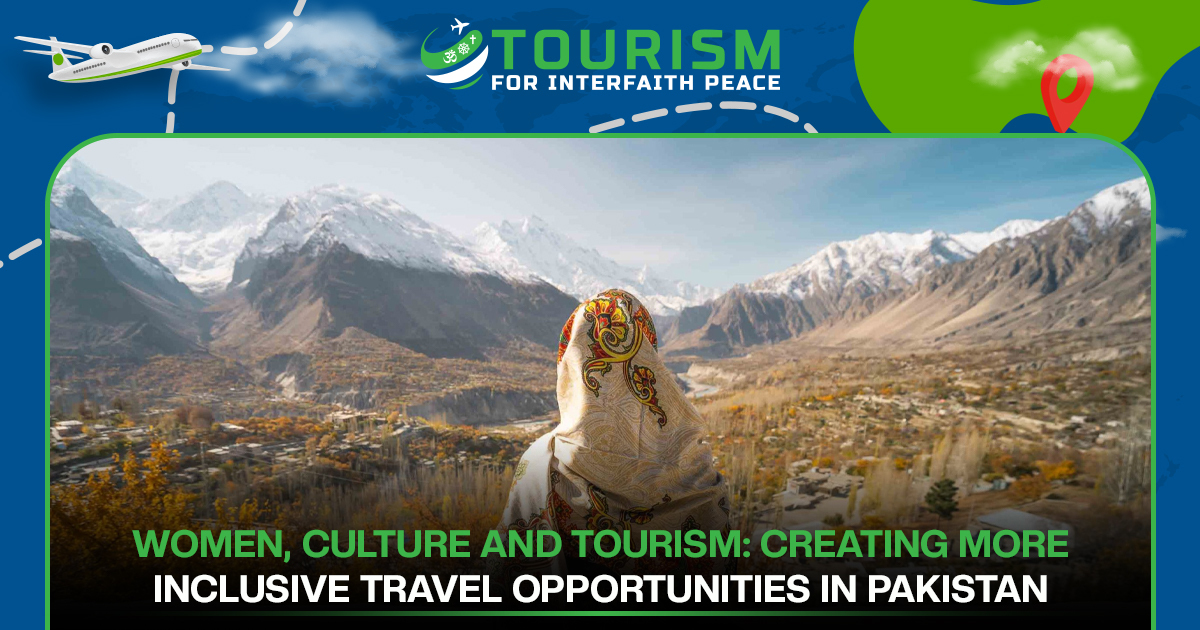
Women in tourism in Pakistan work as homestay hosts, guides, artisans, cooks, entrepreneurs and cultural storytellers. Inclusive tourism means they choose how to take part, keep fair earnings and stay safe doing it. Barriers include social norms, unpaid family work, uneven training and limited access to phones and finance.
Worldwide, tourism employs more women than most sectors. A 2019 report from UN Tourism (then UNWTO) found that women made up 54% of the tourism workforce, against 39% of the wider economy, and earned 14.7% less than men. Pakistan’s wider picture is harder. The 2024-25 Labour Force Survey, as reported by Business Recorder, puts female labour force participation at 24.4%, up from 21.4% four years earlier, with unemployment among women at 10.5%. Tourism is one place where that gap could narrow, but only if the terms are fair.
How do women contribute to tourism in Pakistan?
Hosts. In Neelum Valley, Azad Kashmir, the Himalayan Wildlife Foundation trained women as homestay hosts from 2018 under a Pakistan Poverty Alleviation Fund project. Dawn reported in 2021 that one host, Abida Ghulam Jilani, had earned more than Rs 60,000 since 2019 and used it for house repairs and appliances. The project’s consultant said training was the hardest part, and that although loans went to women, men still handled much of the money.
Guides. A 2014 AFP report described eight women from Shimshal, in Hunza, finishing four years of high-altitude guide training. One of them had not yet been able to work professionally. More recently, Punjab’s tourism department announced free tour-guide training with preference for women and minorities. Check current enrolment before relying on it.
Artisans and storytellers. Women artisans, cooks and storytellers carry much of the cultural knowledge visitors come for. Our guide to how tourism can support local artisans and traditional crafts in Pakistan covers ethical buying. The question here is who controls the income and the decisions.
What barriers limit women’s participation?
- Norms and money. One Pamir Times commentary argues that women in Gilgit-Baltistan mostly do unpaid work in family businesses. A loan in a woman’s name does not guarantee she decides how it is spent.
- Training. Hospitality skills, pricing, languages and first aid take time and money to learn.
- Digital visibility. In the GSMA’s 2026 report, Pakistan’s mobile internet gender gap fell to 8%, yet 68% of women own a phone against 93% of men, and 28% of women internet users rely entirely on someone else’s device. A host without her own phone depends on others to be found online.
- Safety. Neelum hosts were taught how to recognise and handle harassment. Safety planning should cover hosts and guides, not just visitors.
How can inclusive tourism work in practice?
Communities are not waiting to be rescued. In Neelum, families first resisted hosting strangers, and it took scores of meetings before they agreed. That caution is local judgement, and good programmes treat it that way.
For travellers
- Book women-run guesthouses, guides and workshops where they exist, and ask how income is shared.
- Pay fair prices and avoid pushing them down.
- Ask before photographing women, homes or craft processes, and accept a no.
- Follow house rules on privacy, dress and who you may speak with.
For wider principles, see our guide to community-based tourism in Pakistan.
For organisers and local authorities
- Pair training with licensing so skills lead to recognised work.
- Register homestays and set a code of conduct for hosts and guests, as the Sustainable Tourism Foundation Pakistan’s president urged in Dawn.
- Put finance in women’s hands with real decision-making power, and support their digital skills and phone access.
- Include women hosts and guides when destinations are planned.
Why does this matter for interfaith understanding?
A meal with a host family is ordinary hospitality, and respect between people often starts there. Tourism cannot settle deep social or religious tensions, and no trip should promise to. But women guides, hosts and artisans widen whose voices visitors hear about local life and heritage. That supports Tourism for Interfaith Peace’s aim of cultural exchange and mutual respect between communities.
Conclusion
Pakistan does not need to invent women’s role in tourism. It needs to make room for it on terms women help set. Where you can, travel with women hosts and guides, ask honest questions and pay what the work is worth.
Frequently asked questions
What is inclusive tourism in Pakistan?
It is tourism where women and other under-represented groups take part by choice, earn fairly and have a say in how visitors are hosted.
What roles do women play in Pakistan’s tourism sector?
Women work as homestay hosts, guides, artisans, cooks, entrepreneurs and cultural storytellers, though participation varies widely by region.
How can travellers support women-led tourism businesses in Pakistan?
Choose women-run stays, guides and workshops, pay fairly, ask before taking photographs and respect local privacy norms.
What holds women back in tourism?
Social norms, unpaid family work, limited training, safety concerns and unequal access to phones and finance all play a part.
Are there community-based tourism opportunities for women?
Yes. Examples include trained homestay hosts in Neelum Valley and guide-training programmes in Punjab and Hunza. Availability changes, so check with local tourism authorities.