Supporting local artisans keeps traditional skills, regional identities, and cultural stories alive while giving craft communities a sustainable livelihood. Choosing handmade over mass-produced goods is one of the simplest ways consumers can protect Pakistan’s cultural heritage.
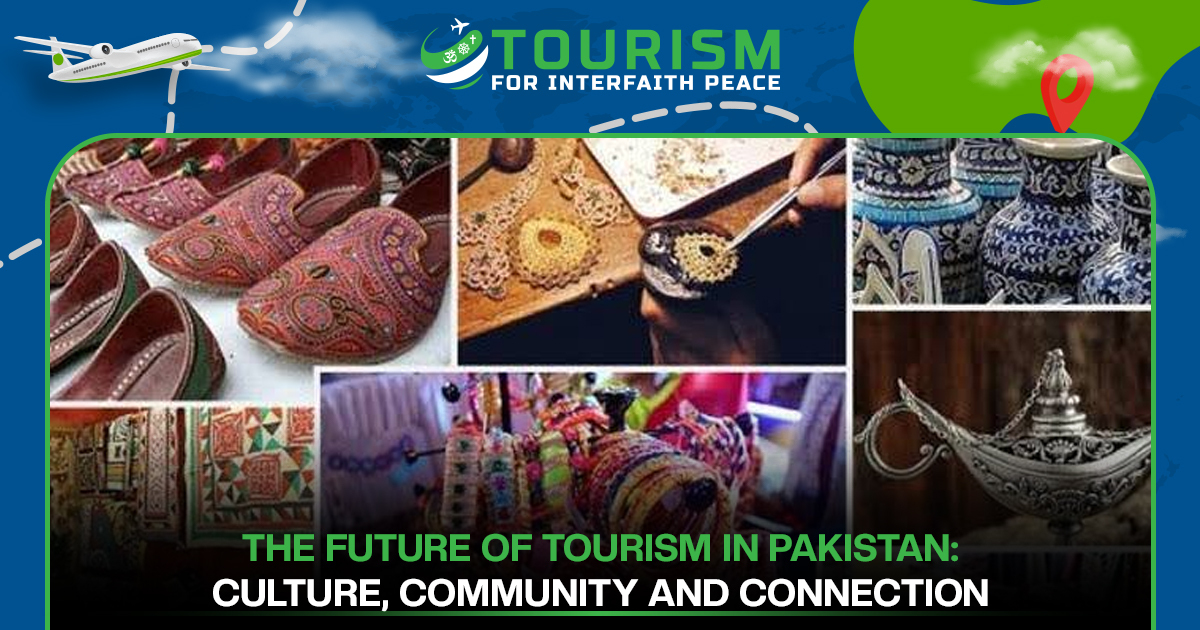
In a narrow street in Multan, an artisan sits at a wheel that has spun in his family for four generations. His hands move without hesitation, guided by memory rather than instruction. The blue pottery he shapes today follows the same patterns his great-grandfather traced decades ago. Every piece holds more than clay. It holds a lineage.
This is the quiet inheritance found in handmade work across Pakistan: skill, memory, and identity, passed from one pair of hands to the next.
The Cultural Value of Handmade Craftsmanship
A handmade object is never quite the same twice. A slight variation in a woven pattern, a brushstroke that curves a little differently than the one before it, these small imperfections are proof that a human being, not a machine, made the decision to shape it that way.
Artisan skills rarely come from a classroom. They are taught by watching a parent’s hands, by repeating a motion hundreds of times until it becomes instinct, by inheriting tools that have already outlived one generation. Truck art in Karachi, embroidery in Sindh, wood carving in Swat, and blue pottery in Multan each carry this same pattern of quiet transmission.
Traditional crafts function as a visible record of a nation’s identity. They carry regional history, local materials, and inherited aesthetics in a way that mass production simply cannot replicate.
Why Local Artisans Need Our Support
Many artisan communities face real economic pressure. Factory-made imitations can be produced faster and sold cheaper, which makes it difficult for handmade goods to compete on price alone, even when the quality and cultural value are far higher.
This pressure often pushes younger family members away from a craft altogether. When a trade no longer offers a reliable income, the temptation to leave it behind for other work is understandable, and the skill can disappear within a single generation if nobody continues it.
Fair opportunities, meaning fair prices, direct market access, and genuine appreciation for the skill involved, are what allow artisans to keep practicing their craft instead of abandoning it out of necessity.
Supporting Artisans Helps Preserve Heritage
Every handmade purchase does more than furnish a home or complete a gift list. It funds the continuation of a tradition.
In Swat, a wood-carving family that once worried their craft would end with them began teaching their granddaughter the trade after steady demand from conscious buyers made the work financially viable again. She now carves alongside her grandfather, learning patterns that trace back decades. That single shift, from uncertainty to continuity, is what consistent support for artisans can make possible.
Buying handmade goods protects specific regional techniques, keeps local dialects of craft alive, and gives younger generations a reason to learn skills they might otherwise have let go.
The Environmental Benefits of Handmade Products
Handmade production is typically slower, smaller in scale, and less resource-intensive than industrial manufacturing. Materials are often sourced locally, and traditional techniques tend to generate far less waste than mechanized processes.
This slower approach lines up naturally with the growing interest in slow fashion and mindful consumption. A handcrafted item, made to last and often repairable, encourages buyers to think in terms of quality over quantity rather than constant replacement.
“Every handmade object is a small act of memory, made by someone who refused to let a tradition end with them.”
How Consumers Can Make a Difference
Preserving craft traditions does not require grand gestures. A few consistent choices make a real difference over time:
- Buy directly from artisan-led businesses whenever possible.
- Choose handcrafted gifts instead of mass-produced alternatives.
- Share artisan stories with friends, family, or on social media.
- Attend local craft exhibitions and artisan markets.
- Support brands that work ethically and transparently with craft communities.
- Take a moment to learn who made the object and how.
TIP’s Commitment to Cultural Preservation
TIP was built around a simple belief: Pakistan’s craft traditions deserve to be seen, valued, and carried forward. TIP works to celebrate the country’s artisan communities, connecting their work with people who genuinely value authenticity over mass production.
Rather than treating craftsmanship as decoration, TIP presents each piece with the story and skill behind it, helping customers understand what they are actually supporting when they choose a handmade item. The goal is straightforward: give artisans a platform, and give shoppers a meaningful way to make ethical, culturally conscious purchasing decisions.
Conclusion
Every handmade purchase is an investment, not just in an object, but in the people, families, and traditions behind it. A single handwoven textile or hand-thrown pot represents hours of inherited skill and a decision, somewhere along the way, to keep a tradition alive rather than let it fade.
Pakistan’s cultural heritage survives through choices like these. Support a local artisan today, and become part of carrying that legacy forward for the generations still to come.
Reflective Question: The next time you shop for a gift or a piece of home decor, whose hands could you choose to support instead?
Actionable Takeaway: Before your next purchase, look for one handmade alternative from a local artisan and choose it over the mass-produced option.