| Key Takeaways 1. Interfaith travel connects people across faiths, but every trip carries an environmental cost that travelers can actively reduce. 2. Shared transport, reusable essentials, and mindful water and energy use cut impact without limiting the experience. 3. Choosing local guides, accommodations, and artisans keeps tourism revenue inside the communities that maintain sacred sites. 4. Respectful, low-impact behavior at religious sites protects both the environment and the sanctity of the space. |
Tourism has always done two things at once. It opens a door between people who would otherwise never meet, and it leaves a footprint on the places that make that meeting possible. Interfaith travel in Pakistan, whether it is a visit to a centuries-old shrine, a Buddhist site near Taxila, or a Sikh, Hindu, or Christian place of worship, sits squarely inside that tension. The traveler gains something real: a closer look at a tradition they don’t belong to, and often a quiet reminder of how much different faiths share. The site, and the community around it, absorbs the cost of that visit in water use, waste, transport emissions, and wear on structures that were never built for modern foot traffic.
None of this means travelers should visit less. It means the choices made before and during a trip matter more than most people assume, and most of those choices are small enough that they don’t ask a traveler to give anything up.
Why Sustainable Interfaith Travel Matters
Religious heritage sites in Pakistan are not renewable in the way a hotel room or a road is. A shrine, temple, or gurdwara that has stood for hundreds of years can be damaged by the same volume of visitors that would barely register at a modern attraction. Erosion from foot traffic, water strain in areas that were never built for tourist-level demand, and waste left behind by short visits all accumulate quietly over years rather than showing up after a single trip.
Sustainable travel protects two things simultaneously: the physical heritage itself, and the natural landscapes that usually surround it, since interfaith sites in Pakistan are frequently set among mountains, rivers, or agricultural land that locals depend on. Responsible tourism also has a direct bearing on the communities living around these sites. When tourism is managed with care, it becomes a source of steady income rather than strain, which is what allows a site to still be standing, and a community to still want visitors, a generation from now.
Practical Ways to Reduce Your Carbon Footprint
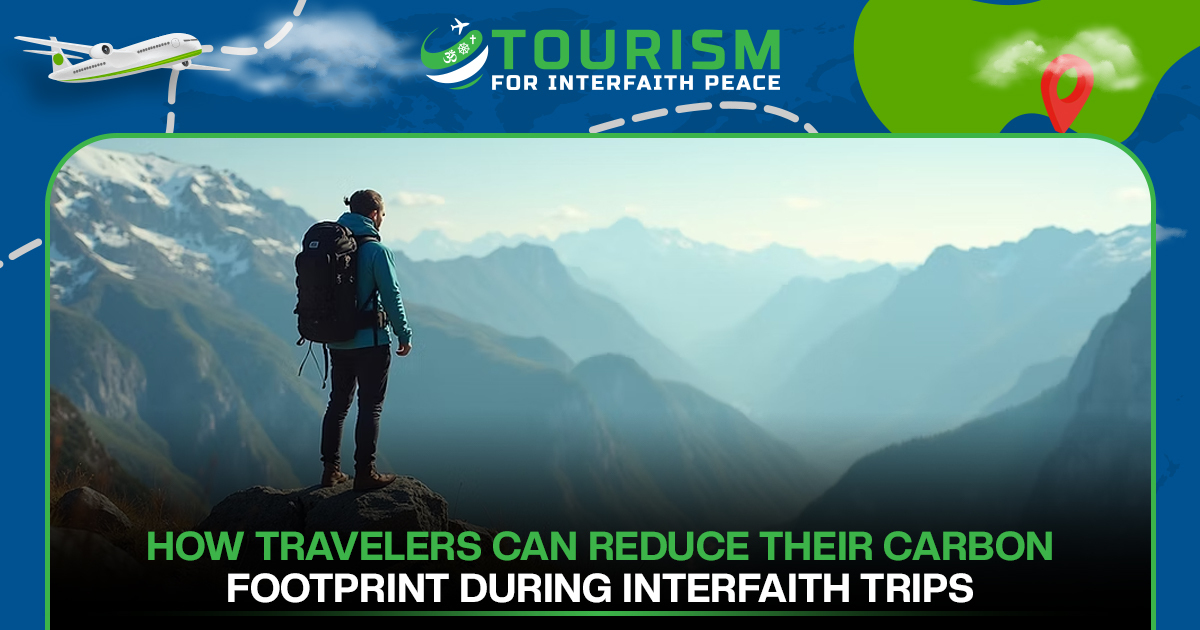
Most of the emissions from a trip come from transportation, so this is where the biggest reductions are possible.
- Choose shared or public transportation for longer distances between cities or regions. A shared van or scheduled coach produces a fraction of the per-person emissions of a private car making the same trip.
- Walk or cycle for short distances within a town or heritage site. Many religious sites in Pakistan sit within walkable clusters, and covering that distance on foot also tends to reveal details a vehicle would speed past.
- Pack light. Airlines burn more fuel per passenger when aircraft carry more weight, and a lighter bag also makes it easier to rely on walking or public transport once you arrive.
- Carry a reusable water bottle and shopping bag. Single-use plastic is a genuine waste management problem at high-traffic religious sites, where local infrastructure is often not built to process large volumes of bottled waste.
- Reduce reliance on single-use plastics generally, including cutlery and packaging offered at food stalls near tourist sites.
- Conserve water and electricity in guesthouses and hotels, particularly in areas near dams, rivers, or agricultural land where local water demand is already high during peak season.
- Stay on marked paths and respect local ecosystems, especially near heritage sites that sit within forests, riversides, or protected natural areas.
| Responsible Travel Tip Before booking transport for a multi-site interfaith itinerary, check whether a single shared vehicle can cover the route instead of booking separate cars for each stop. It’s one of the simplest ways to cut both cost and emissions on the same trip. |
Support Local Communities Through Responsible Travel
Carbon reduction and community support aren’t separate goals; they tend to reinforce each other. A traveler staying in a locally owned guesthouse rather than an international chain is usually also staying closer to the site itself, cutting down on daily transport. Hiring a local guide does the same thing while keeping tourism income inside the community that maintains the site.
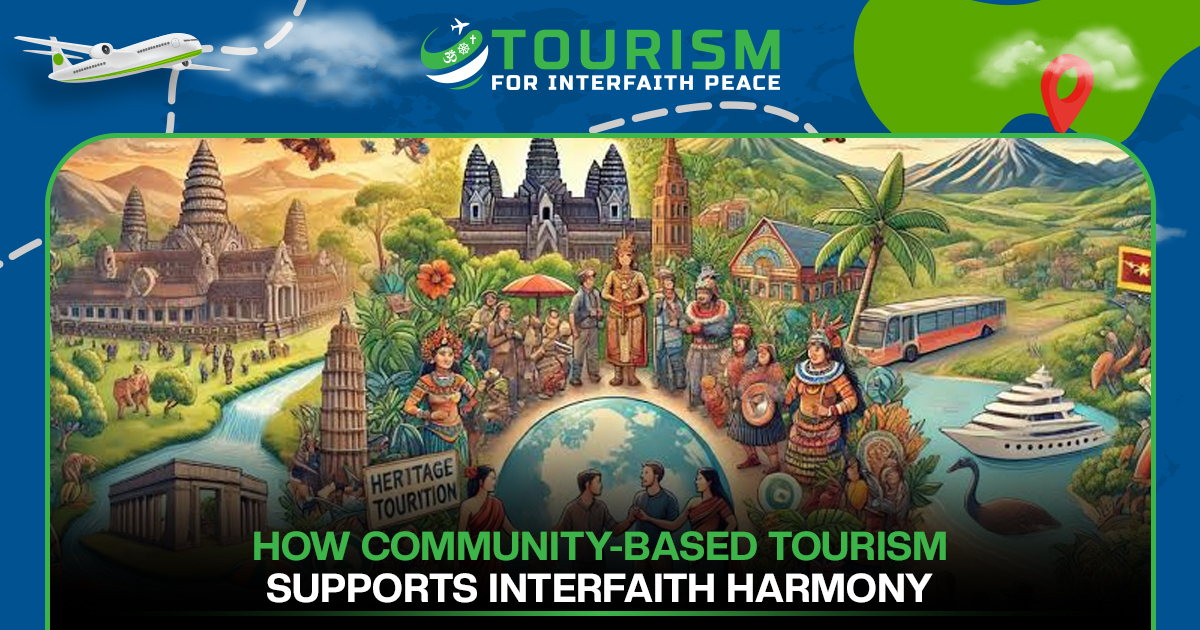
Family-owned restaurants, local artisans, and community-based tourism initiatives all channel spending directly to the people responsible for a site’s upkeep, rather than routing it through outside operators. This kind of model is explored in more depth in how community-based tourism supports interfaith harmony, which looks at how locally rooted tourism strengthens both cultural preservation and cross-community relationships.
Respect Religious Sites While Protecting the Environment
Environmental responsibility and cultural respect overlap more than most travel guides acknowledge. Proper waste disposal at a shrine or temple isn’t just about tidiness; it protects a space that a community considers sacred. The same logic applies to noise awareness, since many interfaith sites double as active places of worship, not backdrops for a visit.
A few practices matter more than travelers often expect:
- Dispose of waste properly, ideally carrying it out if bins aren’t available on-site.
- Follow dress codes and behavioral guidelines specific to each site rather than applying general assumptions across faiths.
- Ask before photographing worshippers or ritual activity, and avoid flash photography inside active prayer spaces.
- Keep voices low near active worship areas, even in spaces that also function as tourist sites.
- Avoid touching structures, carvings, or artifacts that show visible wear from repeated contact.
Documentation requirements vary by site and by faith community, and travelers planning a multi-site trip should check what documents and permissions are needed to visit religious sites well before departure, since some locations require advance permission rather than allowing walk-in visits.
Sustainable Travel Creates Better Experiences
There’s a practical argument for sustainable travel beyond the environmental one: it tends to produce a better trip. Slower travel, built around shared transport and walkable routes, creates more room for the kind of conversation that interfaith tourism is actually meant to encourage. Staying with local guides and family-run accommodations tends to surface context that a standard tour itinerary skips entirely, the history behind a ritual, the reason a particular site matters to a specific community, details that come from people who live alongside the place rather than pass through it.
Sites that are treated with care by visitors also tend to stay open, well-maintained, and welcoming for longer. Overcrowding and careless behavior are among the more common reasons access to sensitive heritage sites gets restricted over time, which affects every traveler who might have visited afterward.
Conclusion
Reducing a carbon footprint while traveling doesn’t require dramatic sacrifice. It comes down to a handful of thoughtful choices, sharing transport where possible, carrying reusable essentials, staying with local hosts, and treating sacred spaces with the same care a visitor would want shown to something they valued. None of that diminishes the trip. If anything, it tends to deepen it.
Every interfaith journey in Pakistan touches both a living tradition and the natural landscape around it. Bringing that awareness into how a trip is planned, not as an afterthought but as part of the itinerary itself, is what keeps these places open to the next traveler who wants to understand them.
Frequently Asked Questions
How can travelers reduce their carbon footprint during interfaith trips in Pakistan?
By choosing shared or public transportation, walking or cycling for short distances, packing light, carrying reusable water bottles and bags, and conserving water and electricity at accommodations.
Why does sustainable tourism matter for religious heritage sites?
Many religious sites in Pakistan are centuries old and were not built to withstand modern volumes of foot traffic, water use, and waste. Sustainable practices reduce wear on these structures and the natural environments around them.
What is community-based tourism and why does it help interfaith travel?
Community-based tourism channels spend directly to local guides, accommodations, and artisans rather than outside operators, which supports both cultural preservation and the local economy tied to a site’s upkeep.
What should travelers know before visiting a religious site in Pakistan?
Requirements vary by site and faith community. Some locations require advance permission rather than allowing walk-in visits, so checking documentation requirements ahead of time is essential.
Does eco-friendly travel mean giving up comfort or convenience?
No. Most sustainable choices, like sharing transport or carrying a reusable bottle, require minimal adjustment and often make a trip easier to manage rather than more difficult.
How does responsible tourism support interfaith harmony specifically?
When tourism is managed respectfully and channels income to local communities, it builds trust between visitors and host communities, creating the kind of positive contact that interfaith travel is meant to foster.