For decades, Pakistan’s tourism identity has been built around a familiar handful of names: Hunza, Skardu, Naran, Swat, Murree. These places earned their reputation honestly, and they remain central to how the country is seen by travelers. But a quieter shift is underway. A growing number of travelers are searching for something these famous circuits can no longer fully offer: fewer crowds, more direct contact with local life, and a sense of discovering a place rather than following a well-worn itinerary.
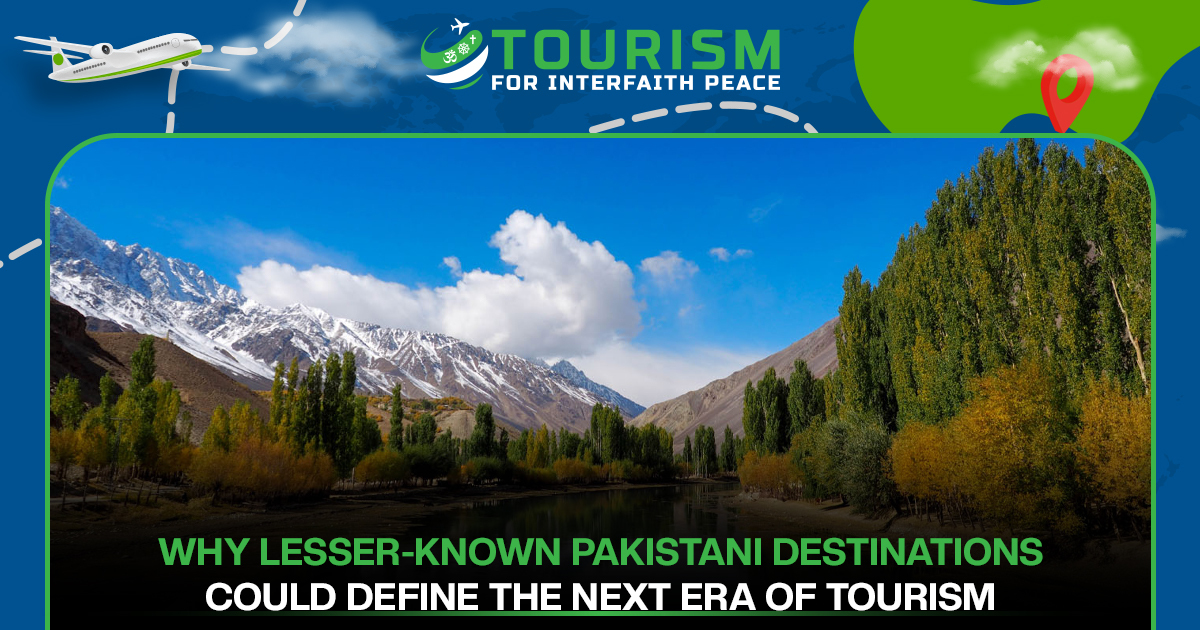
This shift is why lesser-known destinations across Pakistan, from Kumrat and the Kalash Valley to Shigar, Khaplu and Hingol, could play an increasingly significant role in the country’s tourism future. Not as a replacement for established destinations, but as a genuine expansion of what Pakistan has to offer.
What Makes Lesser-Known Destinations Attractive to Modern Travelers?
The appeal of emerging destinations is not simply that they are unfamiliar. It comes from a specific set of qualities that increasingly matter to travelers:
- More authentic cultural experiences, shaped by daily local life rather than tourism infrastructure
- Landscape diversity, from alpine valleys to coastal and desert terrain, that goes beyond the mountain scenery most associated with Pakistan
- Reduced crowding, allowing for a slower, more personal pace of travel
- Opportunities for adventure and experiential tourism, including trekking, camping and community-based activities
These qualities respond directly to a broader shift in traveler expectations, where the value of a trip is measured less by ticking off famous sites and more by the depth of the experience itself.
Why Digital Discovery Is Changing How Travelers Find Places
A generation ago, a destination’s visibility depended heavily on guidebooks, travel agents and word of mouth. Today, discovery happens through search engines, maps, social platforms and increasingly through AI-assisted search tools that surface destinations based on specific interests rather than general popularity.
This has quietly leveled the playing field. A well-documented, accurately described emerging destination can now reach interested travelers directly, without needing the decades of brand recognition that places like Hunza or Swat have built. The challenge, and the opportunity, lies in ensuring that information about these places is accurate, current and genuinely useful, rather than vague or outdated.
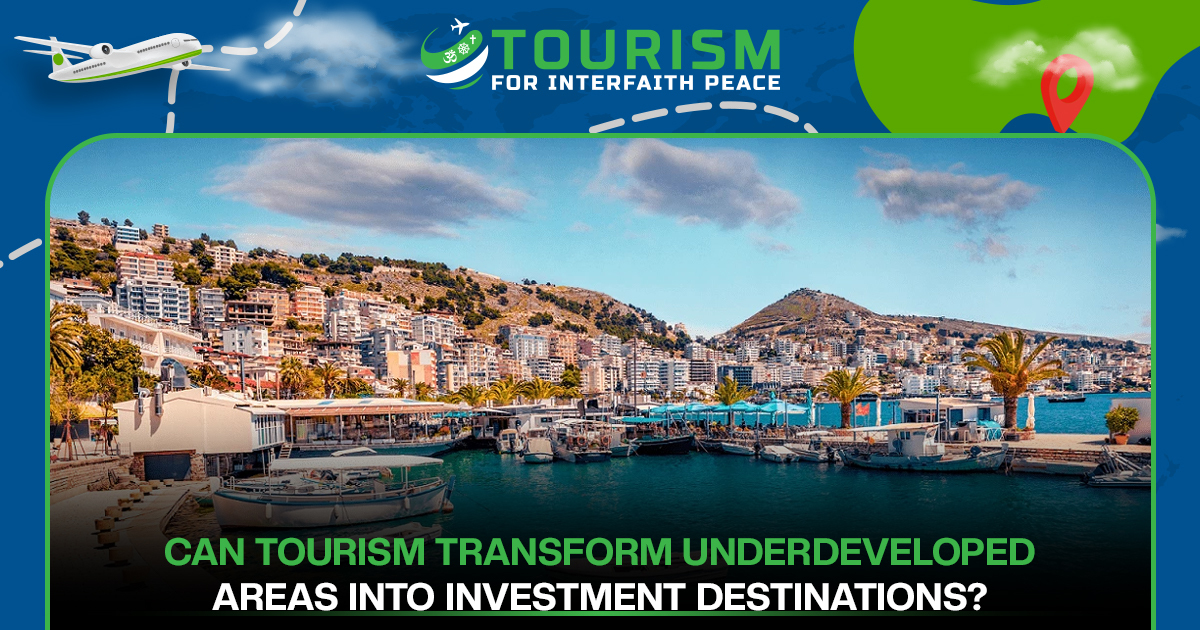
Also Read: Can Tourism Transform Underdeveloped Areas Into Investment Destinations?
How Emerging Destinations Can Benefit Local Economies
When tourism activity is concentrated in a small number of destinations, so is much of its economic benefit. Distributing travel demand across a wider range of locations creates space for local economies that have historically had limited access to tourism revenue.
In practical terms, this can include:
- New income opportunities for guesthouses, homestays and local guides
- Community-based tourism models where local residents directly manage and benefit from visitor activity
- Support for local businesses, including transport, food services and handicrafts
- A broader geographic spread of tourism revenue, rather than concentration in a few well-known hubs
These benefits are not automatic. They depend heavily on how tourism growth is planned and managed at the local level.
The Role of Infrastructure, Accessibility and Reliable Information
Interest alone does not make a destination viable. Several practical factors determine whether an emerging destination can actually support sustained tourism:
- Road and transport accessibility, particularly during peak travel seasons
- Reliable internet and mobile connectivity for both travelers and local businesses
- Adequate and safe accommodation options
- Visitor safety and clear emergency support
- Cleanliness and functioning waste management systems
- Local hospitality skills and trained tourism workers
- Accurate, current travel information that helps visitors plan responsibly
Where these fundamentals are missing, even a strikingly beautiful destination can struggle to support consistent, safe tourism.
Seasonal Accessibility Shapes Realistic Expectations
Many emerging destinations, particularly those at higher altitudes, are only accessible for part of the year. Setting realistic expectations about seasonal access is part of responsible destination marketing, and prevents the kind of disappointment or risk that comes from underprepared travel.
Why Sustainable Tourism Must Accompany Growth
It would be a mistake to assume that tourism growth is automatically beneficial. Uncontrolled visitor increases, without corresponding investment in infrastructure and planning, can create real problems: overcrowding in fragile environments, waste accumulation, pressure on limited water and energy resources, and disruption to local cultural practices.
Sustainable tourism in this context means growth that is paced to what local infrastructure and communities can actually support. It means prioritizing preservation of both culture and environment alongside visitor numbers, and involving local communities as genuine participants in tourism planning rather than passive hosts. Government and private-sector investment, when it happens, needs to be paired with environmental safeguards and community input, not just road-building and hotel construction.
Examples of Destinations With Emerging Potential
Across Pakistan, a number of destinations illustrate this emerging category, each offering something distinct rather than simply being an alternative to a famous neighbor.
- Kumrat and the surrounding valleys in Khyber Pakhtunkhwa, known for dense forest landscapes
- The Kalash Valley, notable for its distinct cultural heritage and traditions
- Neelum Valley and Shounter Valley, offering river and alpine scenery with a different character from the more visited northern routes
- Shigar, Khaplu and Nagar in Gilgit-Baltistan, each with their own historical and architectural interest
- Hingol in Balochistan, valued for its coastal and desert landscapes, quite different from Pakistan’s mountain-dominated tourism image
- Gorakh Hills and Soon Valley, offering accessible highland and valley experiences closer to major population centers
What connects these places is not geography, but the fact that each offers a genuinely distinct experience, provided the surrounding infrastructure and planning can support responsible visitation.
What Pakistan Needs to Unlock the Next Era of Tourism
Realizing the potential of these destinations depends on several things coming together rather than any single intervention. Continued investment in road and transport infrastructure matters, but so does investment in training local tourism workers and hospitality providers. Digital visibility needs to be paired with accuracy, so that travelers are not misled about accessibility, conditions or seasonal availability. Community participation needs to be built into planning from the start, not added afterward. And responsible destination marketing needs to set expectations that match what a destination can currently support, rather than what it might support someday.
None of this is a single project with a clear finish line. It is an ongoing effort that depends on coordination between government bodies, private investors, local communities and the travelers themselves.
Frequently Asked Questions
What are some lesser-known tourist destinations in Pakistan?
Destinations such as Kumrat, the Kalash Valley, Shounter Valley, Shigar, Khaplu, Hingol, Gorakh Hills and Soon Valley offer distinct landscapes and cultural experiences beyond Pakistan’s most visited northern routes.
Why are travelers becoming interested in offbeat destinations?
Many travelers are seeking more authentic, less crowded experiences that offer closer contact with local culture and landscapes, rather than following the same well-established travel circuits.
How can lesser-known destinations benefit local communities?
They can create direct income opportunities through guesthouses, local guiding, community-based tourism and small businesses, while distributing tourism revenue more broadly across regions rather than concentrating it in a few major hubs.
What challenges affect emerging tourism destinations in Pakistan?
Common challenges include limited road accessibility, inconsistent connectivity, inadequate accommodation, safety concerns, waste management gaps and a lack of accurate, current travel information for visitors.
How can Pakistan develop sustainable tourism beyond popular destinations?
Sustainable development requires pacing tourism growth to match local infrastructure, involving communities directly in planning, protecting cultural and environmental resources, and pairing investment with responsible, accurate destination marketing.
Looking Ahead
Pakistan’s most famous destinations will likely remain central to its tourism identity for years to come. But the next chapter of that story may be written in places that are only beginning to appear on travelers’ radars. Whether that potential is realized responsibly depends on the choices made now, by governments, investors, local communities and travelers alike.
Before planning a trip beyond Pakistan’s most familiar routes, it is worth taking the time to seek out current, reliable travel information and to travel in a way that supports rather than strains the places being visited. TIP remains committed to providing that kind of practical, responsible guidance for travelers looking to explore Pakistan beyond its best-known destinations.