A shrine, a temple, or a centuries-old church holds more than architecture. It holds the memory of the people who built it, the rituals still practiced inside it, and the community that continues to care for it today. Visiting one of these places as a tourist is different from visiting a museum, because the site is often still alive, still in use, still meaningful to people whose relationship to it long predates the visitor’s arrival.
Religious heritage tourism is travel built around that reality. It draws people toward sacred and culturally significant places not just to see them, but to understand what they mean to the communities connected to them.
What Is Religious Heritage Tourism?
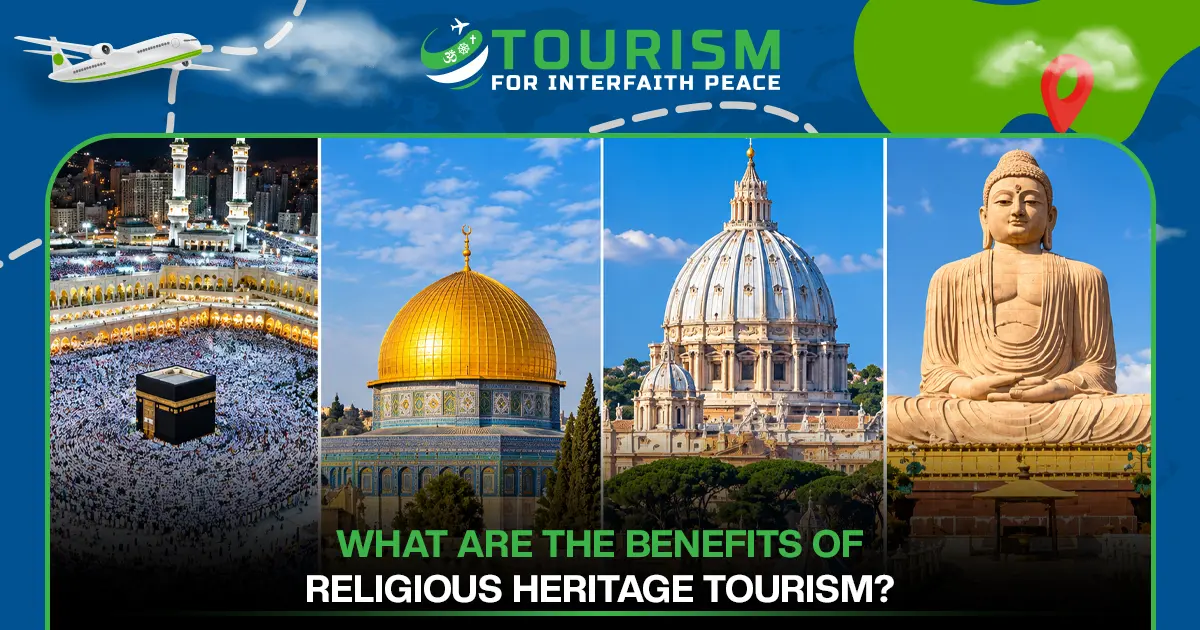
Religious heritage tourism is travel to sites of religious and cultural significance, undertaken with interest in their history, architecture, traditions, and the communities that maintain them. It can involve sacred sites, places of worship, historical religious monuments, pilgrimage destinations, religious communities, and the art and narratives connected to all of them.
It differs from purely recreational tourism in what the visitor is actually engaging with. A recreational trip is usually built around leisure or scenery. Religious heritage tourism is built around meaning, and that changes what respectful engagement requires: attentiveness to the site’s ongoing use, not just its appearance.
What Are the Main Benefits of Religious Heritage Tourism?
Cultural Understanding
Experiencing another community’s heritage firsthand tends to replace assumptions with actual knowledge. A visitor who learns why a ritual is performed, or why a building was constructed a particular way, comes away with a more accurate picture than one built on secondhand impressions alone.
Interfaith Dialogue
Responsible tourism creates natural opportunities for people from different religious backgrounds to encounter shared histories and each other’s perspectives, often through conversations with local guides or caretakers rather than formal discussion.
Preservation of Heritage
Attention and income from tourism can support the maintenance of historical sites, architecture, and cultural practices, giving the communities that care for a site a stronger stake in protecting it for the future.
Local Economic Opportunities
Heritage tourism can create income for local guides, hospitality businesses, artisans, and transport providers, particularly when visitors choose locally owned services over larger, outside operators.
Peace and Social Connection
Meaningful encounters between visitors and host communities can reduce misconceptions and build familiarity over time. Tourism does not automatically create peace, and its social value depends heavily on how respectfully and thoughtfully it is designed and managed.
Education and Historical Awareness
Heritage tourism can help visitors understand the histories, architecture, and living traditions of communities different from their own, often more effectively than secondhand study alone.
Religious Heritage Tourism in Pakistan
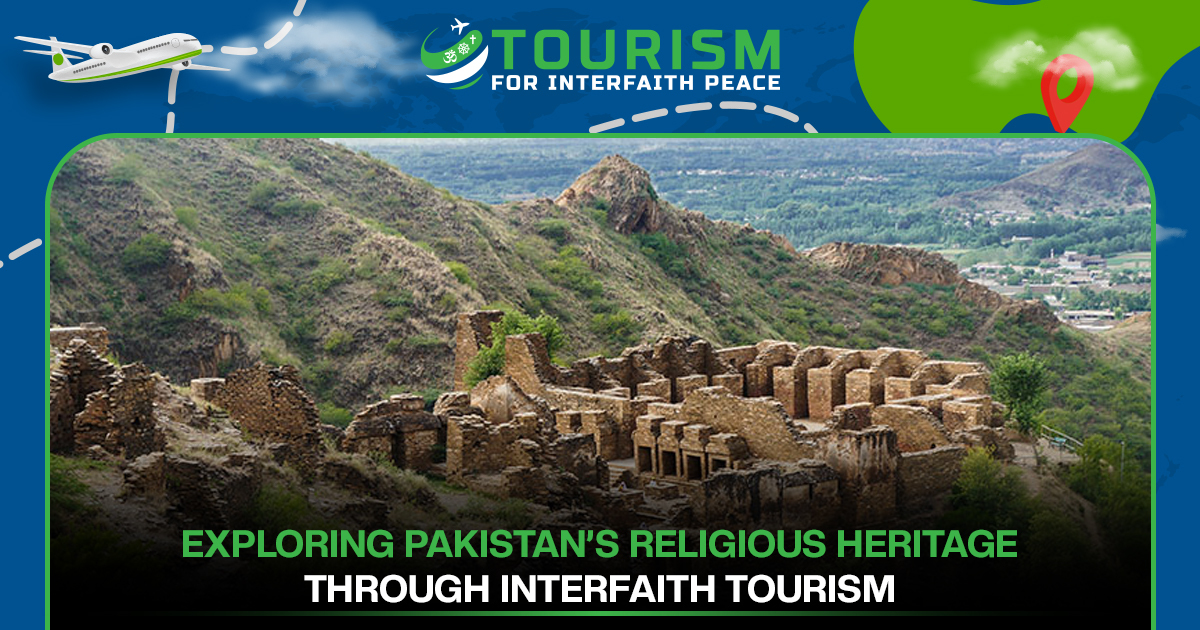
Pakistan holds heritage connected to several religious traditions, including Islamic, Sikh, Hindu, Sufi, Christian, and Kalash communities, alongside Buddhist archaeological heritage at sites such as Taxila and in Swat. The country is home to six UNESCO World Heritage Sites, including Moenjodaro, Lahore Fort and Shalamar Gardens, the monuments at Makli in Thatta, and Rohtas Fort.
This heritage represents both historical depth and living practice. Sikh pilgrims visit Gurdwara Darbar Sahib Kartarpur and Nankana Sahib, Hindu temples remain active across Sindh, Sufi shrines are woven into daily life across Punjab, and Christian and Kalash communities continue their own customs and festivals today rather than as historical remnants.
How Religious Heritage Tourism Can Support Interfaith Peace
The connection between heritage and peace runs through a fairly direct chain: heritage draws exposure, exposure builds understanding, understanding opens space for dialogue, and dialogue supports social connection. Each step depends on the one before it functioning well.
Responsible interfaith tourism respects religious practices, local communities, sacred spaces, and historical context throughout that chain. Pakistan’s religious heritage offers a clear example of how this plays out across several living traditions within a single country, where the same principle applies at every site: the community that maintains a place should have a hand in how it is presented.
Tourism for Interfaith Peace’s vision for tourism and peace treats tourism not as an industry measured in visitor counts, but as a repeated, voluntary form of contact between people who might otherwise never meet, while being direct that tourism cannot resolve conflicts that require far more than visitor traffic to address.
How Can Religious Heritage Tourism Be More Responsible?
- Respect for sacred spaces. Treating active places of worship as living sites, not photo backdrops.
- Local community participation. Letting the community that maintains a site shape how it is explained and presented.
- Heritage conservation. Supporting the physical upkeep of sites through entry fees, donations, and responsible visitor behavior.
- Cultural sensitivity. Following local norms around dress, behavior, and photography, which can vary by site and by day.
- Accurate historical interpretation. Relying on the site’s own caretakers and credible sources rather than assumptions.
- Sustainable practices. Choosing local guides and lodging so tourism income reaches the community connected to the site.
These principles are what separate genuine interfaith tourism from tourism that simply passes through a sacred place without engaging with what it means to the people who still gather there.
Frequently Asked Questions
What is religious heritage tourism?
Religious heritage tourism is travel to sites of religious and cultural significance, including places of worship, pilgrimage destinations, and historical monuments, with an interest in their history, architecture, and the communities connected to them.
What are the benefits of religious heritage tourism?
It can support cultural understanding, create opportunities for interfaith dialogue, generate attention and economic support for heritage preservation, provide income for local guides and artisans, and give visitors a more accurate picture of communities different from their own.
How does religious tourism promote cultural understanding?
By putting visitors in direct, respectful contact with traditions and communities they might not otherwise encounter, through guided visits, conversations, and firsthand exposure to living heritage rather than secondhand accounts.
Can religious heritage tourism contribute to peace?
It can contribute in a limited but real way, by building familiarity and reducing misconceptions through repeated, respectful contact. It cannot resolve deep social or political divisions on its own, and its impact depends heavily on how it is designed and managed.
Why is religious heritage important in Pakistan?
Pakistan holds heritage connected to Buddhist, Sikh, Hindu, Sufi, Christian, and Kalash traditions, alongside six UNESCO World Heritage Sites, representing both historical depth and living communities that continue their traditions today.
How can tourists visit religious heritage sites responsibly?
By checking site-specific rules in advance, dressing and behaving modestly, asking before photographing people or ceremonies, following the guidance of local caretakers, and supporting local guides, lodging, and artisans where possible.