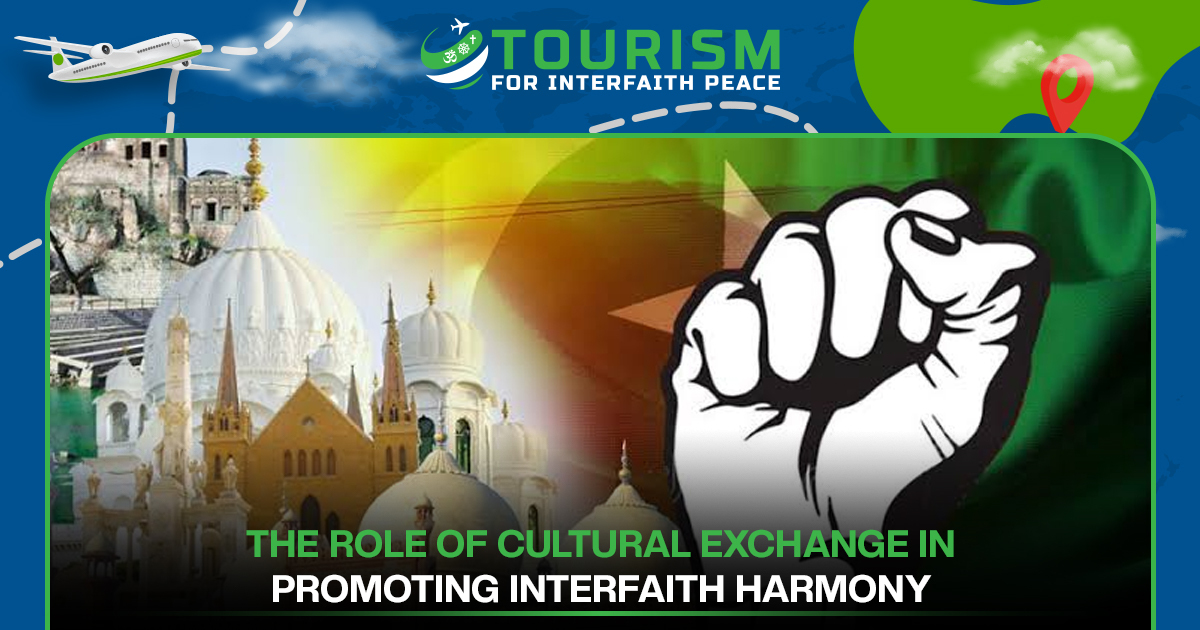
| Cultural exchange promotes interfaith harmony by bringing people of different faiths together as equals around food, craft, stories and respectful visits to shared heritage. Real encounters replace assumptions over time. It builds understanding; it does not resolve deep tensions on its own. |
Stereotypes tend to thrive where people rarely meet. A neighbour’s festival stays a rumour until someone invites you to it. Cultural exchange changes that by creating ordinary, respectful contact: a shared meal, a craft workshop, a guided walk through a place that matters to someone else. This article looks at how cultural exchange and interfaith harmony connect through tourism, and how communities and travel professionals can keep those encounters respectful.
How Cultural Exchange Builds Understanding
Contact works best when it is shared and equal, with people doing something together rather than one group performing for another. Tourism can provide the setting. The host community sets the terms.
Food, art, music and storytelling
A shared meal asks for nothing but attention. Craft traditions, such as block-printed ajrak from Sindh or blue-glazed pottery from Multan, open conversations about skill and family history. Music and storytelling let a community describe itself in its own words. None of these requires anyone to discuss belief. They build familiarity and mutual respect, which is where intercultural understanding begins.
Festivals and community events
Public festivals let visitors watch, learn and ask questions. Attend as a guest: follow the organisers’ lead, ask before photographing, and accept that some parts belong to the community alone. Festivals also give hosts a chance to explain, in their own words, what a celebration means to them.
Cultural Diversity in Pakistan: Heritage That Is Still Lived In
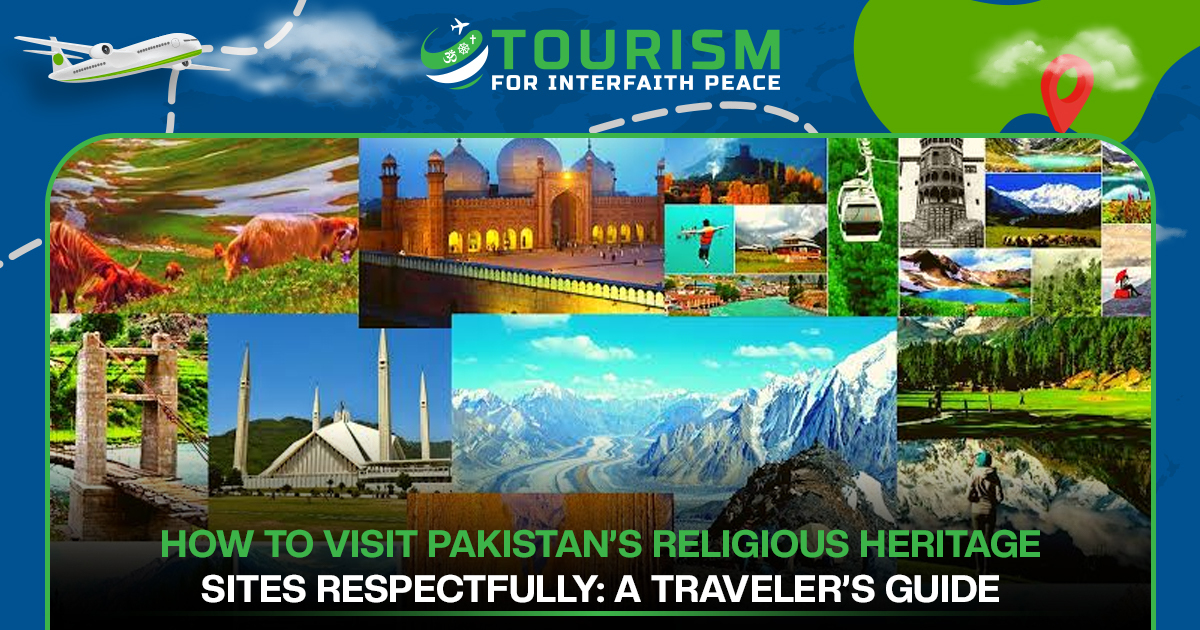
Cultural diversity in Pakistan shows in its heritage. Buddhist monasteries and stupas stand at Taxila, the Sikh gurdwara at Kartarpur draws pilgrims, Hindu temples surround a sacred pond at Katas Raj, and Lahore’s historic mosques and shrines remain active places of worship. These are not museum pieces. People still pray, maintain and gather at them.
Visiting religious heritage sites respectfully
Respectful visiting is where cultural exchange starts. Dress modestly, follow signs on shoes and head coverings, ask before photographing people or worship, and confirm access in advance. Customs differ by site, so follow the caretakers’ guidance. Our guide to visiting Pakistan’s religious heritage sites respectfully covers each step.
Who Makes Cultural Exchange Work
Local communities
Hosts decide what is shared, when and how. Programmes built on community consent last longer and respect local sensitivities.
Women
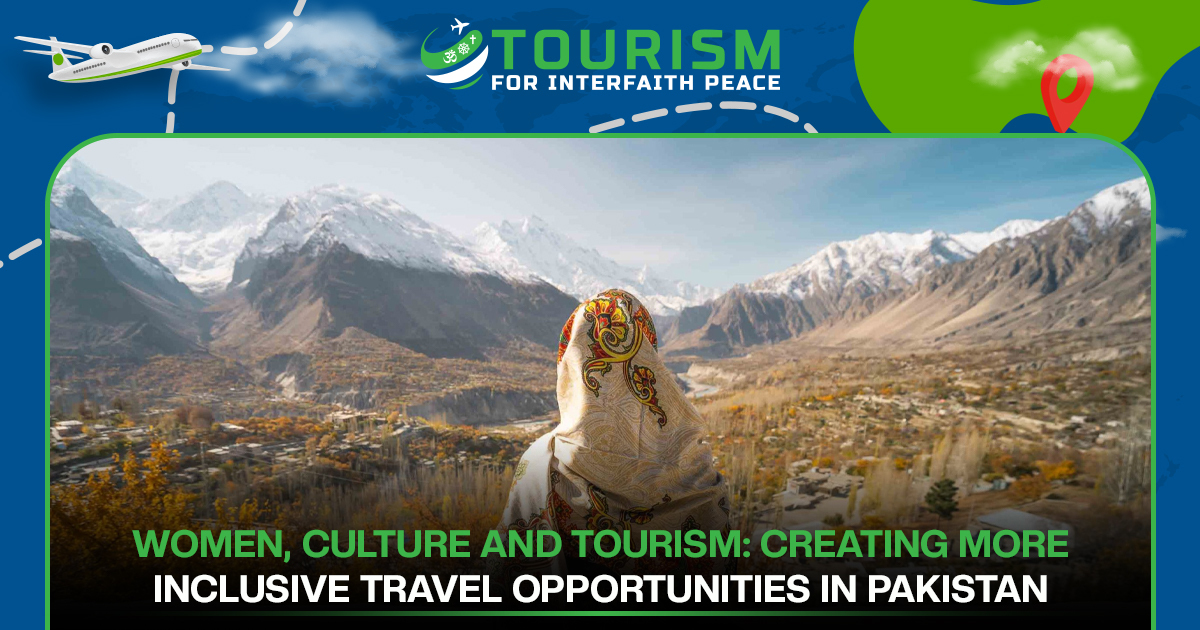
Women work as homestay hosts, guides, artisans, cooks and storytellers, and they widen whose voices visitors hear. Inclusion means women choose how to take part, earn fairly and stay safe. We explore this in our article on how women shape inclusive travel in Pakistan.
Young people
Young guides, volunteers and students can present their own communities’ stories. Heritage clubs and structured exchanges give them a role, not just a seat in the audience, and let young people from different communities learn from one another.
Tourism professionals and cultural organisations
Operators can brief travellers on etiquette, hire local guides, pay fairly and credit the communities involved. Cultural organisations can host open events, record oral histories with permission and connect groups that rarely meet.
Practical Recommendations
A few habits keep exchange respectful and mutual, whether you are a traveller, a guide or an organiser:
- Ask permission before photographing people, homes or worship.
- Follow each site’s dress code and customs.
- Hire local guides and buy directly from makers.
- Listen more than you explain, and never rank or compare beliefs.
- Check hours, access and local advice before you travel.
- Treat communities as hosts and partners, not attractions.
Frequently Asked Questions
How does cultural exchange promote interfaith harmony?
It creates respectful, direct contact through meals, crafts, stories and shared heritage, so people meet each other rather than assumptions.
Can tourism reduce stereotypes?
It can help when experiences are designed with local communities and led by them. It is not a cure, and results vary.
How can travellers take part respectfully?
Ask before photographing, follow local customs, hire local guides and listen without judging.
A Small Step With Lasting Value
Cultural exchange is slow, human work. A meal, a conversation and a respectful visit settle nothing alone, yet together they replace assumptions with acquaintance. Tourism for Interfaith Peace promotes peace and understanding through religious tourism. Travel respectfully, learn about communities beyond your own, and contact the TIP team to support its work in promoting interfaith understanding through tourism.