Pakistan is home to one of South Asia’s richest collections of religious and cultural heritage. From ancient Buddhist monasteries and Hindu temples to Sikh gurdwaras, historic churches, and centuries-old mosques, the country reflects thousands of years of shared human civilization.
Yet, much of the world remains unaware of this extraordinary diversity.
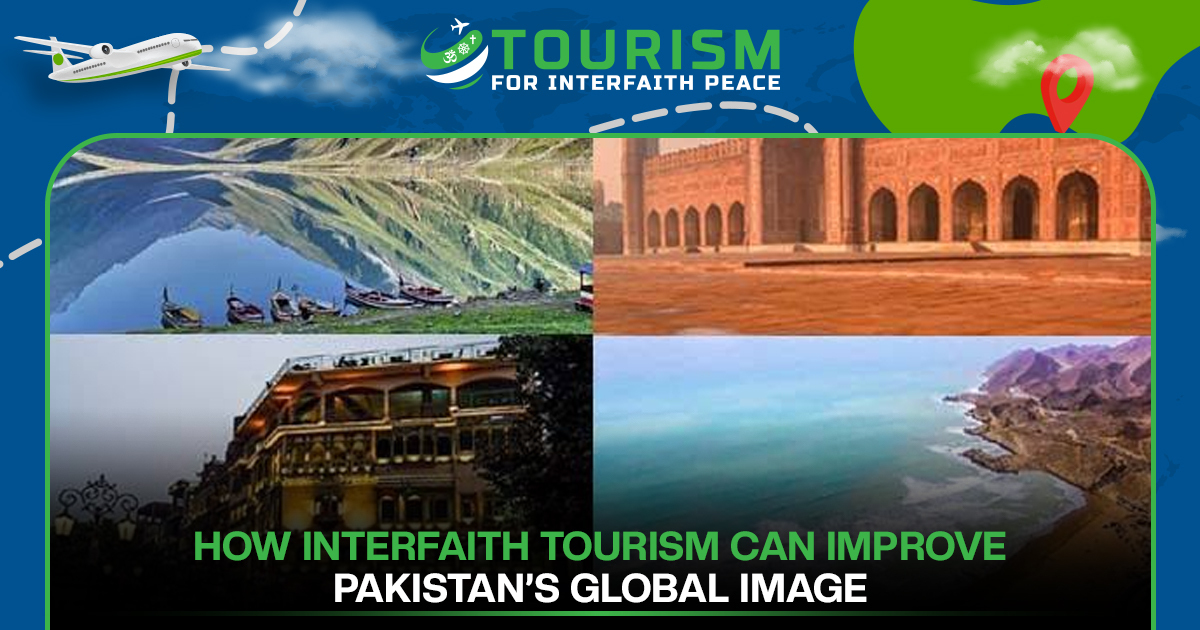
This is where interfaith tourism in Pakistan has the power to transform perceptions. More than simply visiting religious sites, interfaith tourism encourages dialogue, mutual respect, cultural exchange, and peace among people of different faiths. It showcases Pakistan as a country that values diversity, protects heritage, and welcomes visitors from around the world.
As global tourism increasingly focuses on authentic cultural experiences, Pakistan has a unique opportunity to strengthen its international reputation while creating economic opportunities and inspiring young people to become ambassadors of peace.
What Is Interfaith Tourism?
Interfaith tourism is a form of heritage and cultural tourism that encourages people from different religious and cultural backgrounds to visit sacred sites, learn about diverse traditions, and build mutual understanding.
Unlike conventional religious tourism, which often focuses on pilgrims visiting sites related to their own faith, interfaith tourism welcomes everyone. Its purpose is to promote:
- Religious harmony
- Cultural appreciation
- Peaceful dialogue
- Historical awareness
- Global understanding
For Pakistan, this approach offers an opportunity to highlight its centuries-old multicultural identity while promoting responsible and sustainable tourism.
Why Interfaith Tourism Matters for Pakistan’s Global Image
International perceptions are often shaped by headlines rather than lived experiences. Tourism gives countries the opportunity to tell their own story.
Also Read: How Responsible Tourism Policies Can Strengthen Interfaith Peace
When visitors experience Pakistan’s hospitality, cultural richness, and religious diversity firsthand, stereotypes begin to disappear.
A successful interfaith tourism strategy can help Pakistan:
- Present itself as a peaceful and welcoming destination.
- Demonstrate respect for all religions and cultures.
- Build stronger people-to-people connections.
- Increase international cultural cooperation.
- Improve global confidence in Pakistan as a travel destination.
The opening of the Kartarpur Corridor is one of the strongest examples. By allowing Sikh pilgrims visa-free access to one of their holiest shrines, Pakistan earned international recognition for promoting religious harmony and cross-border goodwill.
Such initiatives contribute significantly to Pakistan’s global image by showcasing openness, tolerance, and cultural respect.
Pakistan’s Remarkable Multi-Faith Heritage
Few countries possess the religious diversity that Pakistan offers.
Sikh Heritage
The Kartarpur Sahib Corridor has become one of the world’s most important examples of religious diplomacy. Thousands of Sikh pilgrims visit annually to pay respects at Gurdwara Darbar Sahib, where Guru Nanak spent his final years.
Other important Sikh heritage sites include:
- Gurdwara Panja Sahib, Hasan Abdal
- Gurdwara Janam Asthan, Nankana Sahib
Buddhist Heritage
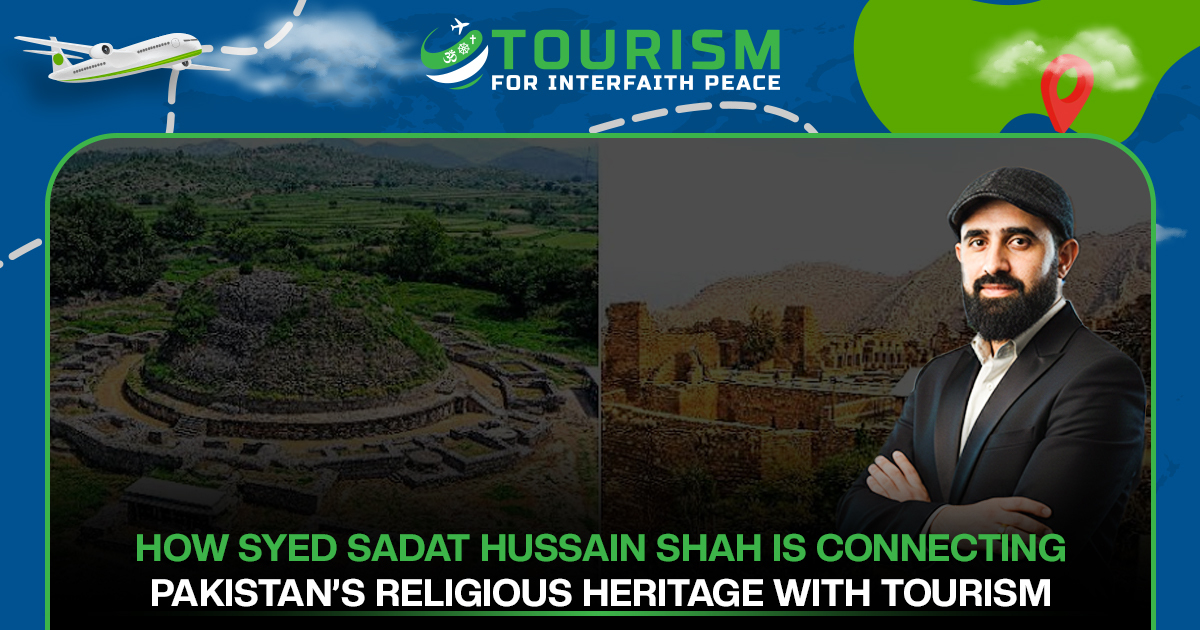
Pakistan was once the heart of the ancient Gandhara Civilization.
UNESCO-recognized sites such as:
- Takht-i-Bahi
- Taxila
continue to attract historians, archaeologists, researchers, and Buddhist pilgrims from across Asia and beyond.
These sites preserve centuries of Buddhist learning, architecture, and spiritual history.
Hindu Heritage
Historic temples continue to reflect Pakistan’s rich Hindu heritage.
Notable examples include:
- Katas Raj Temples
- Shri Hinglaj Mata Temple
- Sadhu Bela Temple
These sacred places attract pilgrims while preserving centuries of cultural traditions.
Christian Heritage
Pakistan is also home to historic churches that represent an important part of the country’s multicultural identity, including:
- St. Patrick’s Cathedral, Karachi
- Sacred Heart Cathedral, Lahore
Together, these landmarks demonstrate that Cultural Heritage Pakistan extends far beyond a single religious tradition.
Economic Benefits Beyond Tourism
Interfaith tourism creates opportunities that extend well beyond visitor numbers.
A growing tourism sector generates employment for:
- Tour guides
- Hospitality professionals
- Transport providers
- Local artisans
- Restaurants
- Small businesses
- Event organizers
- Digital creators
It also encourages investment in infrastructure, heritage conservation, museums, cultural festivals, and community development.
According to international tourism organizations, heritage tourism generally results in higher visitor spending because travelers stay longer and seek authentic local experiences.
For Pakistan, expanding Religious Tourism Pakistan could stimulate sustainable economic growth while preserving priceless historical assets.
How Young People Can Become Ambassadors of Peace
Young people are the driving force behind Pakistan’s future image.
With digital platforms, content creation, entrepreneurship, and volunteerism becoming more accessible, youth can actively promote Pakistan’s positive identity by:
Creating authentic travel content
Videos, blogs, podcasts, and documentaries can introduce global audiences to Pakistan’s diverse heritage.
Promoting responsible tourism
Young volunteers can educate visitors about local customs, environmental responsibility, and cultural respect.
Supporting heritage preservation
Participation in heritage awareness campaigns helps protect historical landmarks for future generations.
Building intercultural dialogue
Youth-led exchanges, educational events, and community initiatives encourage understanding among different cultures and faiths.
Every responsible young traveler becomes a representative of Pakistan’s values.
The Role of Tourism for Interfaith and Peace (TIP)
Tourism for Interfaith and Peace (TIP), an initiative of Al Sadat Group, believes tourism should be more than sightseeing—it should build stronger communities, responsible leadership, and lasting peace.
Through youth engagement, internships, entrepreneurship opportunities, leadership development, skills training, and community-driven initiatives, TIP encourages young Pakistanis to become responsible global citizens.
The initiative empowers participants to:
- Promote Pakistan’s religious diversity.
- Preserve cultural heritage.
- Develop leadership skills.
- Support sustainable tourism.
- Strengthen international understanding.
- Represent Pakistan with confidence on global platforms.
By combining education with practical experience, TIP prepares future leaders who contribute to both national development and Pakistan’s international reputation.
Challenges That Must Be Addressed
Pakistan has enormous potential, but realizing it requires coordinated action.
Key priorities include:
- Better preservation of heritage sites.
- Improved tourism infrastructure.
- Easier visa facilitation.
- International marketing campaigns.
- Professional tourist information services.
- Digital promotion of heritage destinations.
- Enhanced visitor safety and accessibility.
- Community participation in tourism development.
Public-private collaboration will be essential to unlock Pakistan’s full tourism potential.
A Shared Opportunity for Nation-Building
Interfaith tourism is not only about attracting international visitors.
It is about telling Pakistan’s true story.
It is about preserving centuries of shared heritage.
It is about creating jobs for local communities.
It is about building bridges between cultures instead of barriers.
Most importantly, it is about empowering young Pakistanis to become ambassadors of peace, hospitality, and cultural understanding.
Pakistan already possesses the history, diversity, and heritage the world wants to discover. The next step is ensuring that more people experience it.
By supporting responsible Interfaith Tourism in Pakistan, every young citizen can play a role in improving Pakistan’s Global Image, protecting Cultural Heritage Pakistan, promoting Religious Harmony, and building a more peaceful future.
If you believe tourism can unite people and inspire positive change, join Tourism for Interfaith and Peace (TIP) and become part of a new generation committed to showcasing the best of Pakistan to the world.
Frequently Asked Questions
1. What is interfaith tourism?
Interfaith tourism allows people from different religions and cultures to visit sacred sites, learn about diverse traditions, and promote mutual understanding and peaceful coexistence.
2. Why is interfaith tourism important for Pakistan?
It improves Pakistan’s global image, promotes religious harmony, preserves cultural heritage, attracts international visitors, and supports sustainable economic development.
3. Which religious heritage sites can visitors explore in Pakistan?
Major sites include Kartarpur Corridor, Nankana Sahib, Takht-i-Bahi, Taxila, Katas Raj Temples, Hinglaj Mata Temple, St. Patrick’s Cathedral, and many historic mosques, temples, churches, and monasteries.
4. How does interfaith tourism benefit local communities?
It creates employment, supports small businesses, encourages infrastructure development, preserves heritage sites, and increases cultural awareness.
5. How can young people contribute to interfaith tourism?
Youth can create educational content, volunteer for heritage projects, promote responsible tourism, participate in leadership initiatives, and represent Pakistan positively on global platforms.