Pakistan’s shared religious heritage includes more than mosques, temples, gurdwaras and churches. Historic neighbourhoods, sacred landscapes, architecture, festivals and pilgrimage routes carry the stories of Muslim, Sikh, Hindu, Buddhist, Christian and indigenous communities. Visit as a guest, ask first and check current access.
Walk into a mosque, a temple or a cathedral and you see one building. Walk the lane outside it and you see the rest: the bazaar that served visitors, the street named for a neighbour of another faith, the pond or hillside people held sacred long before anyone built a wall. Religious heritage tourism in Pakistan rewards visitors who look past the doorway. This guide offers examples checked against published sources, and ways to visit that help the people who keep these places alive.
What Counts as Shared Religious Heritage?
Shared religious heritage is the layered record of how different communities have lived, worshipped and traded in the same places. It covers buildings, but also streets, landscapes, crafts, festivals and the memories of families who still care for a site. Interfaith tourism in Pakistan works best when it ranks no tradition above another.
Heritage Beyond the Doorway
Historic neighbourhoods
In Lahore’s Walled City, the Shahi Guzargah, or Royal Trail, runs from Delhi Gate towards the Lahore Fort. Along it stand the Wazir Khan Mosque, built in 1634-35, and Gali Surjan Singh, a residential street restored in 2011 by the Aga Khan Cultural Service Pakistan with the Walled City of Lahore Authority. In Islamabad, the village of Saidpur holds a 16th-century Hindu temple, a gurdwara building, a mosque and a Sufi shrine within a few lanes. It was redeveloped as a heritage village from 2006, and press reports have since raised concerns about upkeep.
Sacred landscapes
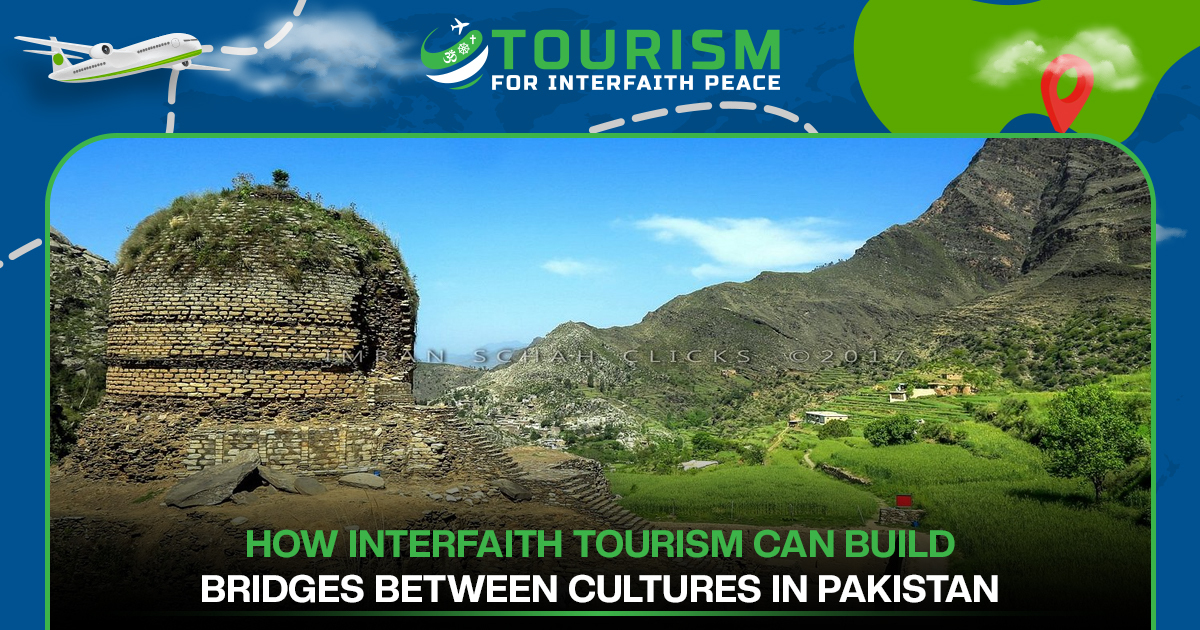
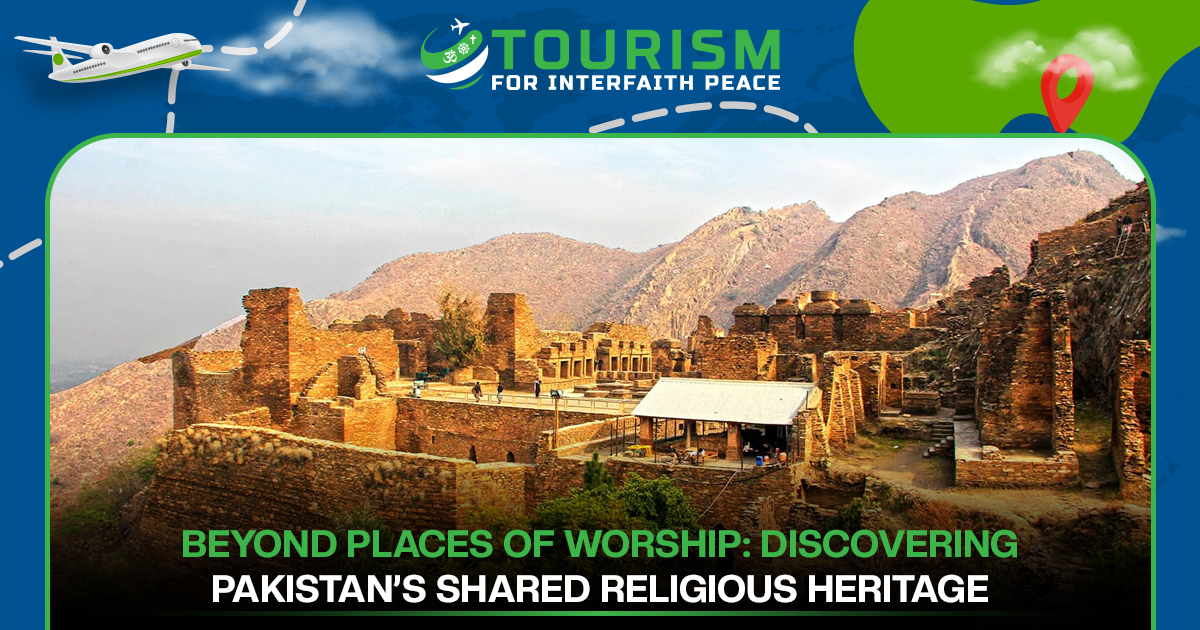
Katas Raj, near Chakwal, is built around a pond that Hindus regard as sacred. Restoration began in 2006, and the pond has since lost water, which reports linked to heavy groundwater use nearby. The landscape needs protecting as much as the temples. In Swat, the Jahanabad Buddha is a rock carving usually dated to around the 7th century, though sources differ on its age and size. It was damaged in 2007 and restored by the Italian Archaeological Mission in Swat, in work that began in 2012. At Taxila, inscribed by UNESCO in 1980, accounts of the Dharmarajika stupa’s origins differ.
Architecture and city life
St Patrick’s Cathedral in Karachi’s Saddar district was consecrated in April 1881 on the grounds of an 1845 church. Its Gothic Revival design shows how colonial-era building traditions reached the port city.
Routes and living traditions
Sikh pilgrimage links Gurdwara Panja Sahib in Hasan Abdal, about 45 kilometres northwest of Islamabad, with Nankana Sahib and Kartarpur. Pilgrims from India travel under a 1974 bilateral protocol, and the Evacuee Trust Property Board maintains minority religious sites. Baisakhi in April centres on Panja Sahib. Access depends on official arrangements and wider political conditions, so confirm before you plan. Further north, the Kalash of Chitral keep their own festival calendar, which our guide to cultural tourism in Pakistan: traditions, festivals and local experiences covers.
| Place | Heritage type | Check before you go |
|---|---|---|
| Walled City, Lahore | Historic neighbourhood | Opening hours, restoration works |
| Saidpur, Islamabad | Multi-faith village | Current condition and access |
| Katas Raj, Chakwal | Sacred landscape | Pilgrimage dates, pond levels |
| Jahanabad, Swat | Rock carving | Road and security advisories |
| Panja Sahib, Hasan Abdal | Pilgrimage route | Access rules, festival dates |
Visiting Respectfully
Many of these places are in daily use. Dress as the site expects, ask before photographing people or worship, and follow the guidance of caretakers. Hire local guides, buy from local makers and stay on marked paths. Never remove tiles, stones or offerings. Where sources disagree on a date or origin, say so, and let local communities tell their own stories.
What Heritage Tourism Can and Cannot Do
Visitor spending can fund upkeep and pay local guides, but only when communities share in it. Contact turns an abstract neighbour into a specific person. Tourism will not settle political or religious disputes, and no itinerary promises peace. Our article on how interfaith tourism can build bridges between cultures in Pakistan explores this further.
Frequently Asked Questions
What is shared religious heritage in Pakistan?
It is the combined record of Muslim, Sikh, Hindu, Buddhist, Christian and indigenous communities in the same places, including buildings, streets, landscapes and festivals.
Which shared religious heritage sites can visitors see?
Examples include Taxila (Buddhist), Katas Raj (Hindu), Panja Sahib (Sikh), St Patrick’s Cathedral (Christian) and the Wazir Khan Mosque (Islamic).
Is interfaith tourism in Pakistan safe?
Conditions vary by region and change over time. Check official travel advisories and local tourism authorities, and travel with local guides.
How should I behave at active places of worship?
Dress as each site expects, ask before taking photographs and follow caretakers’ guidance.
Do all these sites welcome visitors?
Many do, but rules differ. Some have set hours or access limits, so confirm in advance.
Look Beyond the Doorway
The most useful thing a visitor can bring to Pakistan’s shared heritage is attention. Explore the work of Tourism for Interfaith Peace on our about page, learn how to travel responsibly, and support preservation by choosing local guides and makers. To ask what we currently offer, contact the TIP team.