A planned city older than most of the world’s famous ones. A hillside monastery where monks studied nearly two thousand years ago. A desert fort rising out of sand. Pakistan holds all of these, and most travellers meet only a fraction.
This guide follows the stories behind some of the best historical sites in Pakistan, from the Indus Valley to the Mughal court, and explains why each one still matters. Where historians disagree, we say so.
| The most famous historical places in Pakistan include Mohenjo-daro, Taxila, Lahore Fort, Badshahi Mosque, Rohtas Fort, Makli Necropolis, Takht-i-Bahi and Derawar Fort. UNESCO lists six cultural properties for Pakistan: Mohenjo-daro, Taxila, Takht-i-Bahi, Lahore Fort with Shalimar Gardens, Makli and Rohtas Fort. |
Ancient Pakistan: Where the Story Begins
Mohenjo-daro, Sindh
Near Larkana in Sindh, Mohenjo-daro was one of the largest cities of the Indus Valley Civilisation, which flourished around 2500 BCE. Visitors walk a planned street grid lined with brick drains and see the Great Bath. The city’s script remains undeciphered, and scholars still debate why it declined. Salt damages the brickwork today, so conservation is part of the story.
Taxila, Punjab
Close to Islamabad and Rawalpindi, Taxila was a major centre of Buddhist learning between the 5th century BCE and the 2nd century CE, according to UNESCO. Stupas, monastery ruins and the Sirkap city plan survive. It reminds visitors that this region once connected Central Asia, Persia and South Asia.
Takht-i-Bahi, Khyber Pakhtunkhwa
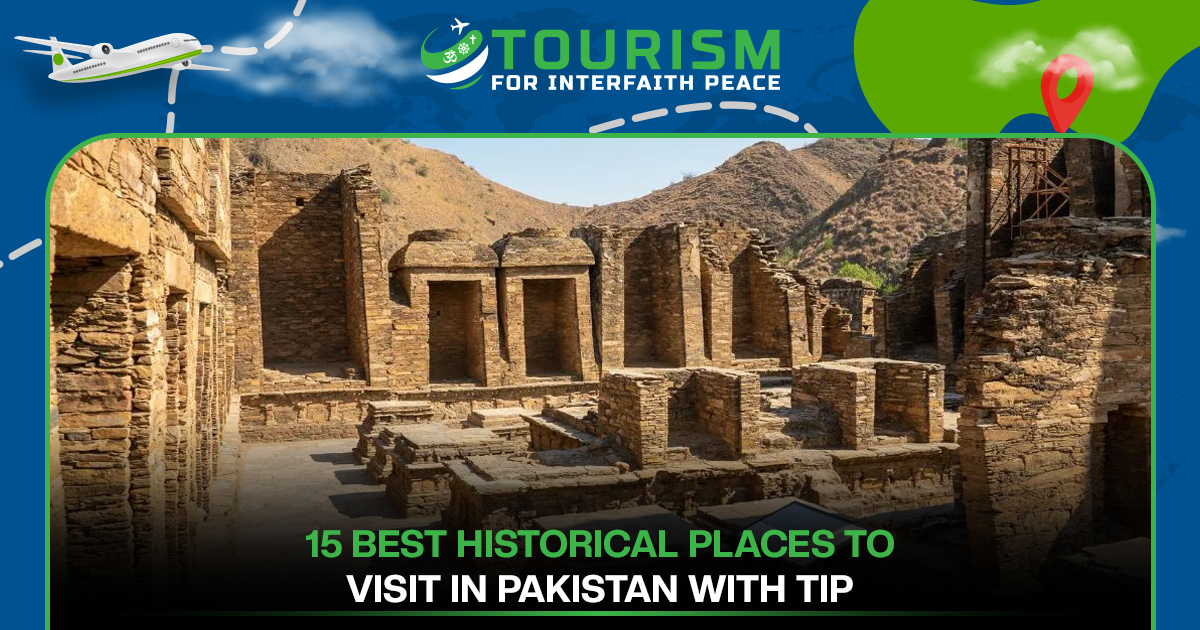
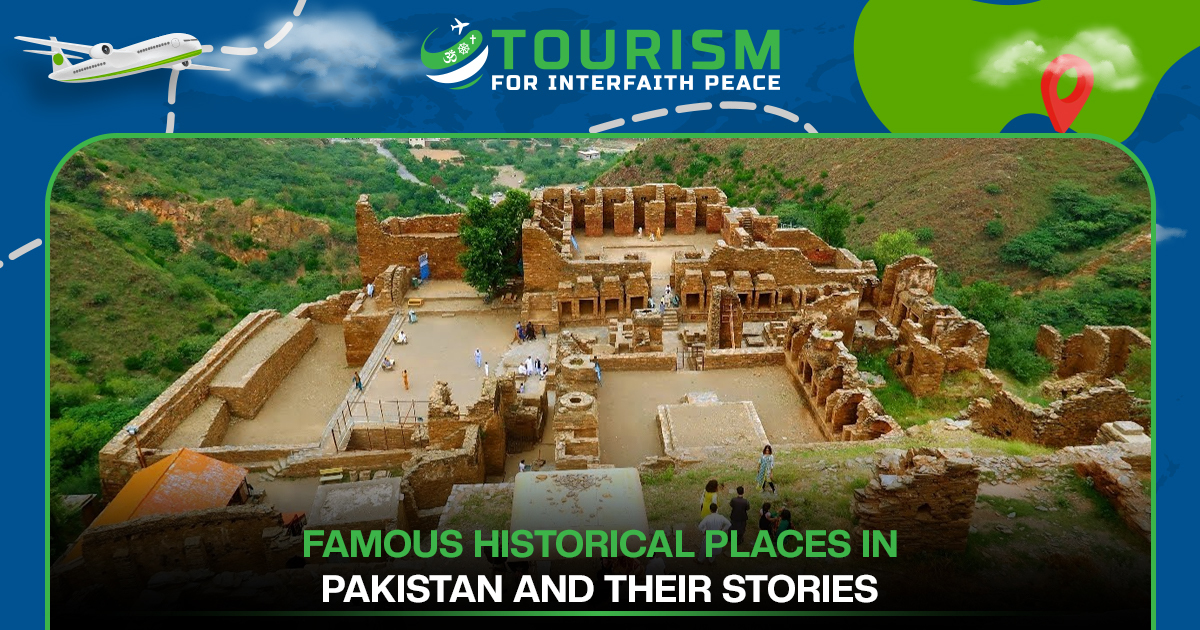
Near Mardan, this Buddhist monastery was founded in the 1st century CE and used until about the 7th. Courtyards, stupas and monastic cells climb a hillside, which gives a rare view of how a monastic community organised its days.
For older roots still, archaeologists date Mehrgarh in Balochistan to roughly 7000 BCE, among the earliest farming settlements in South Asia. It is not a UNESCO property.
Mughal Lahore and the Forts of the Punjab
Lahore Fort and Shalimar Gardens
The Mughals rebuilt Lahore Fort largely in the 17th century. Its Sheesh Mahal and Alamgiri Gate draw most visitors. Shah Jahan laid out Shalimar Gardens in 1641–42, and UNESCO inscribed both in 1981.
Badshahi Mosque and Wazir Khan Mosque
Aurangzeb commissioned Badshahi Mosque in 1671, and it was finished in 1673. Wazir Khan Mosque, begun around 1634–35 under Shah Jahan, is known for its tilework and frescoes and encloses the tomb of the Sufi saint Miran Badshah. Neither is UNESCO-inscribed, and both remain active places of worship.
Rohtas Fort, near Jhelum
Sher Shah Suri began Rohtas Fort in 1541. UNESCO inscribed it in 1997 as an exceptional example of early Muslim military architecture. Massive gates and walls surround a village where people still live.
Sacred Landscapes of Sindh, Multan and the Salt Range
Makli Necropolis, Thatta
Makli is one of the world’s largest necropolises, with burials from the 14th century onward. Sandstone and brick tombs cover the hill, inscribed by UNESCO in 1981. It is a burial ground, so quiet matters here.
Multan’s Historic Shrines
Known as the City of Saints, Multan holds the shrines of Bahauddin Zakariya and Shah Rukn-e-Alam, both linked to the Sufi Suhrawardi order. Dates and patrons for the tombs vary between accounts, so confirm details on site. They are not UNESCO-inscribed.
Derawar Fort, Cholistan
Derawar’s forty bastions rise from the desert near Bahawalpur. Tradition dates an earlier Bhati fort to roughly the 9th century, and its present form dates to the early 1730s under an Abbasi nawab. It sits on Pakistan’s UNESCO Tentative List, and the fort is privately owned, so arrange interior access in advance.
Katas Raj Temples, Chakwal
In the Salt Range, Katas Raj is a Hindu temple complex around a pond that Hindus regard as sacred. Local tradition connects it to Shiva, though accounts differ. Pilgrims still visit, so ask before photographing worship.
Historical Places in Pakistan at a Glance
| Place | Region | Era | UNESCO status |
|---|---|---|---|
| Mohenjo-daro | Sindh | Indus Valley, c. 2500 BCE | Inscribed 1980 |
| Taxila | Punjab | 5th century BCE–2nd century CE | Inscribed 1980 |
| Takht-i-Bahi | Khyber Pakhtunkhwa | 1st–7th century CE | Inscribed 1980 |
| Rohtas Fort | Punjab | 1541 onward | Inscribed 1997 |
| Lahore Fort, Shalimar Gardens | Punjab | Mughal, 17th century | Inscribed 1981 |
| Makli Necropolis | Sindh | 14th century onward | Inscribed 1981 |
| Badshahi and Wazir Khan Mosques | Punjab | 17th century | Not inscribed |
| Multan shrines, Katas Raj | Punjab | Medieval onward | Not inscribed |
| Derawar Fort | Punjab | Rebuilt early 1730s | Tentative List |
Why These Places Matter Today
Pakistan’s heritage is plural. Buddhist monasteries, Sufi shrines, Mughal mosques and Hindu temples sit within a few hours of each other. Visiting them lets travellers hear each community’s own account of its place, without asking anyone to change their beliefs.
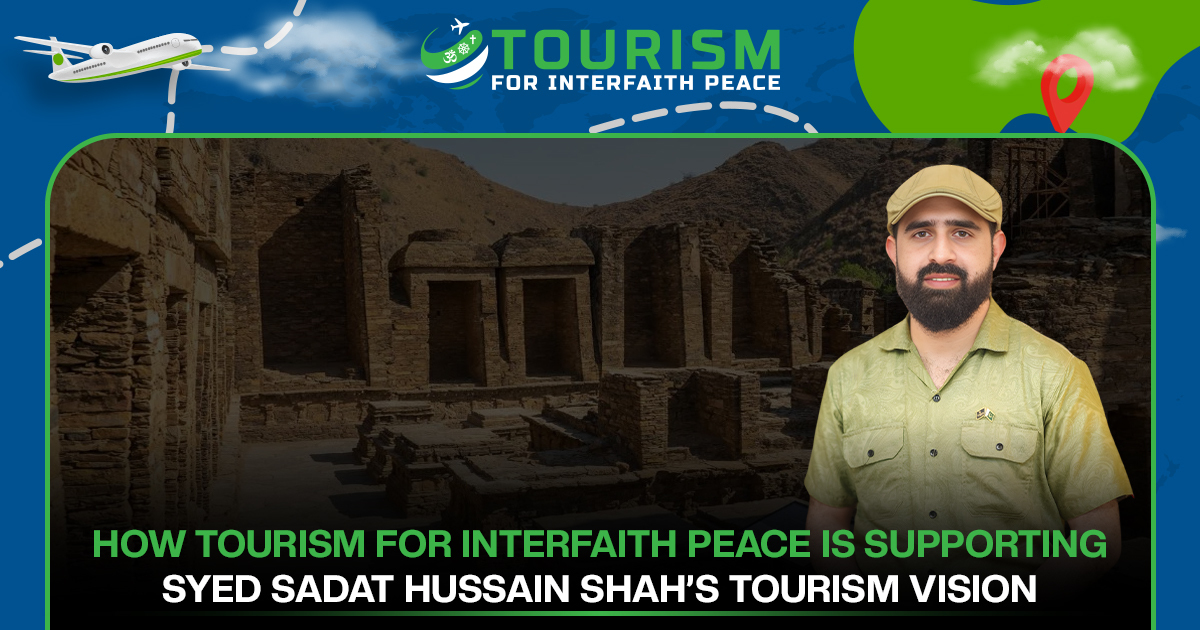
That idea sits at the centre of Tourism for Interfaith Peace (TIP), an Islamabad-based organisation that describes its mission as building bridges across religious and cultural boundaries through sustainable tourism. Read how it connects heritage and community in TIP’s tourism vision, or browse our longer guide to the 15 best historical places to visit in Pakistan.
Visiting Respectfully
- Dress modestly at mosques, shrines, temples and gurdwaras.
- Ask before photographing worship or residents.
- Keep to marked paths and never climb or take fragments from ruins.
- Hire local guides and buy from local crafts people.
- Check current conditions and site access before you travel.
Frequently Asked Questions
What are the most famous historical places in Pakistan?
Mohenjo-daro, Taxila, Lahore Fort, Badshahi Mosque, Rohtas Fort, Makli Necropolis, Takht-i-Bahi and Derawar Fort are among the best known.
Which is the oldest historical site in Pakistan?
Mehrgarh in Balochistan is among the oldest, dated by archaeologists to roughly 7000 BCE. Among UNESCO-listed sites, Mohenjo-daro is the oldest, from around 2500 BCE.
What historical places should tourists visit in Pakistan?
First-time visitors often start with Lahore’s Walled City, Taxila near Islamabad and Rohtas Fort, then add Mohenjo-daro or Makli if time allows.
Which heritage sites connect to different religions?
Taxila and Takht-i-Bahi are Buddhist, Katas Raj is Hindu, Multan’s shrines are Sufi, Badshahi and Wazir Khan are mosques, and Kartarpur is a Sikh gurdwara.
Why is historical tourism important for Pakistan?
It can bring income to custodian communities and attention to conservation, though benefits depend on visitors spending locally and respecting each site.
Conclusion: Discover Pakistan Through Its Stories
Every one of these places began as someone’s home, school, shrine or fortress. Visit slowly, listen to the people who care for them and leave things as you found them. To explore Pakistan’s religious and cultural heritage with this approach, visit Tourism for Interfaith Peace and join the conversation.