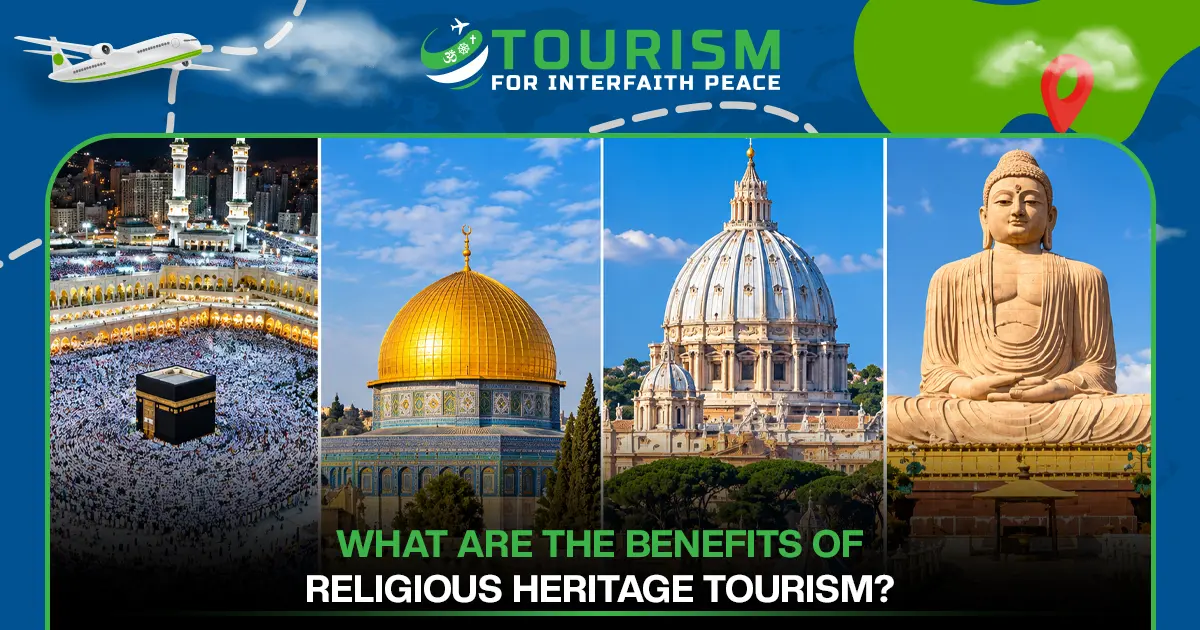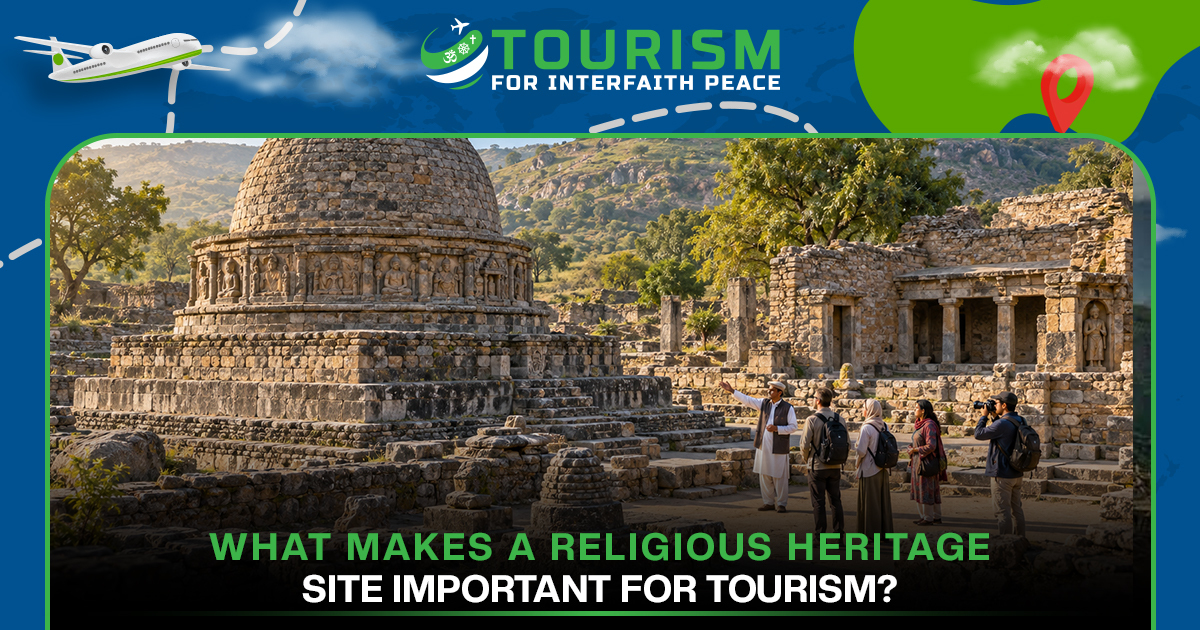
A religious heritage site matters for tourism because it combines historical, architectural, and spiritual significance with ongoing community use. That combination supports cultural preservation, education, interfaith understanding, and local economic opportunity, provided the tourism around it is managed respectfully and sustainably.
Some places are visited. Others are inhabited by memory, still used the way they were built to be used, still gathered in by people whose connection to the site predates any visitor’s arrival. A religious heritage site is rarely just an old building. It is a place where history, belief, architecture, and daily practice overlap, and that overlap is exactly what makes these sites matter so much for tourism, for the communities that maintain them, and for the wider question of how different traditions understand one another.
Religious heritage tourism has grown into one of the more meaningful forms of travel precisely because it asks more of the visitor than sightseeing does. Understanding why these sites carry that weight starts with what they actually represent.
Why Religious Heritage Sites Matter
A religious heritage site typically holds several kinds of significance at once: historical, spiritual, architectural, and social. It marks a moment or a figure important to a tradition, it may still function as an active place of worship, and it often anchors the identity of the community around it. That layering is what separates a heritage site from a purely historical monument. A ruin can be studied. A living shrine or temple has to be understood in the present tense, because people still pray there, still mark festivals there, and still consider its upkeep a shared responsibility.
This is also why religious heritage tourism differs from general sightseeing. A visitor isn’t just observing a structure; they’re stepping into a place that carries ongoing meaning for someone else, which is precisely what makes the experience worthwhile when approached respectfully.
Cultural and Historical Value
Religious heritage sites are often the clearest physical record of how a tradition developed over time. Architecture, inscriptions, and surrounding artifacts document design choices, materials, and craftsmanship that reflect the period and community that built them. Many of these sites predate written records that survive elsewhere, making them a primary source for understanding regional history, not just religious history.
That documentary value is part of why cultural preservation and religious tourism are so closely linked. Visitor interest and the funding it generates, through entry fees, donations, and general attention, often support the maintenance work that keeps these sites standing for the next generation. Without that ongoing care, weathering and neglect tend to erode heritage faster than most people realize.
Religious Heritage as a Bridge Between Communities
Interfaith understanding rarely starts with a debate about belief. It usually starts with proximity: standing inside a space that matters deeply to someone else, hearing a caretaker explain why a ritual is performed, noticing how a tradition you don’t share still asks for the same basic respect any sacred space deserves. Religious heritage sites create that proximity in a way that reading about a tradition secondhand cannot.
This is the foundation of interfaith tourism specifically — travel built around engaging with religious and cultural sites as a way of understanding the people connected to them, not just their architecture. Handled well, it can quietly replace assumptions with direct experience, without requiring anyone to change what they believe.
How Religious Heritage Tourism Benefits Local Communities
The economic case for religious heritage tourism is straightforward but easy to overlook. Visitors need local guides, transport, food, and lodging, and heritage sites often sit in areas where tourism income reaches artisans, small hospitality businesses, and caretakers directly. When that income is distributed well, it gives the people closest to a site a real stake in protecting it, which tends to matter more for long-term preservation than any single restoration grant. The benefits extend beyond income, too — a well-managed heritage site can strengthen a community’s sense of ownership over its own history, particularly when local voices are the ones explaining a tradition to visitors rather than being explained about. The benefits of religious heritage tourism run in that same direction: cultural understanding, preservation funding, and economic opportunity reinforcing each other rather than competing.
The Importance of Responsible and Sustainable Tourism
None of these benefits are automatic. Religious heritage tourism done carelessly — treating an active place of worship as a photo backdrop, ignoring local norms around dress and behavior, or overwhelming a small site with visitor volume it wasn’t built to handle — can damage the very thing it claims to celebrate.
Sustainable religious tourism depends on a few consistent practices: following the guidance of local caretakers rather than general assumptions, respecting active prayer areas, supporting locally owned guides and lodging, and treating a site’s preservation as a shared responsibility rather than someone else’s job. These aren’t restrictions on the experience; they’re what keeps the experience genuine.
Pakistan’s Religious Heritage and Tourism Potential
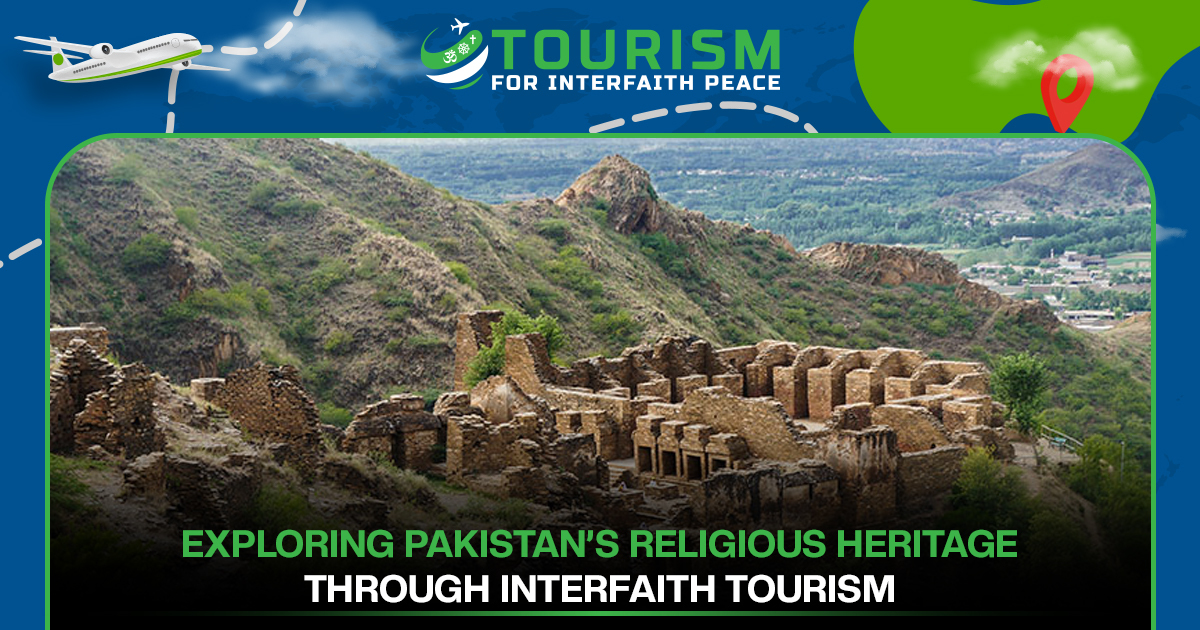
Pakistan’s religious heritage spans several living traditions within one country. Buddhist archaeological heritage survives at Taxila and in Swat. Sikh pilgrims travel to Gurdwara Darbar Sahib Kartarpur in Narowal and to Nankana Sahib. Hindu temples remain active across Sindh, and Sufi shrines are woven into daily life across Punjab, while Christian and Kalash communities continue their own festivals and customs as living practice rather than historical remnants. Pakistan is also home to six UNESCO World Heritage Sites, including Moenjodaro, Lahore Fort and Shalamar Gardens, the monuments at Makli in Thatta, and Rohtas Fort. Exploring Pakistan’s religious heritage through interfaith tourism shows how this depth of tradition, handled respectfully, gives travelers a genuinely rare opportunity: encountering several living faiths within a single journey, each maintained by communities still actively shaping how their heritage is understood.
Frequently Asked Questions
What makes a site a religious heritage site?
A religious heritage site typically combines historical, architectural, and spiritual significance, and often remains in active use for worship, ritual, or community gatherings rather than functioning only as a historical relic.
Why is religious heritage tourism important?
It supports cultural understanding, funds the preservation of historic sites, creates local economic opportunity, and gives visitors direct, respectful contact with traditions and communities different from their own.
How does religious heritage tourism support local communities?
Visitor spending on local guides, lodging, and artisans can give the community connected to a site a stronger stake in maintaining and protecting it for the long term.
What is responsible religious heritage tourism?
It means following the guidance of local caretakers, respecting active prayer areas, dressing and behaving appropriately for each site, and supporting locally owned services so tourism income reaches the community that maintains the site.
What religious heritage does Pakistan offer tourists?
Pakistan holds heritage connected to Buddhist, Sikh, Hindu, Sufi, Christian, and Kalash traditions, alongside six UNESCO World Heritage Sites, representing both historical depth and living communities that continue their traditions today.