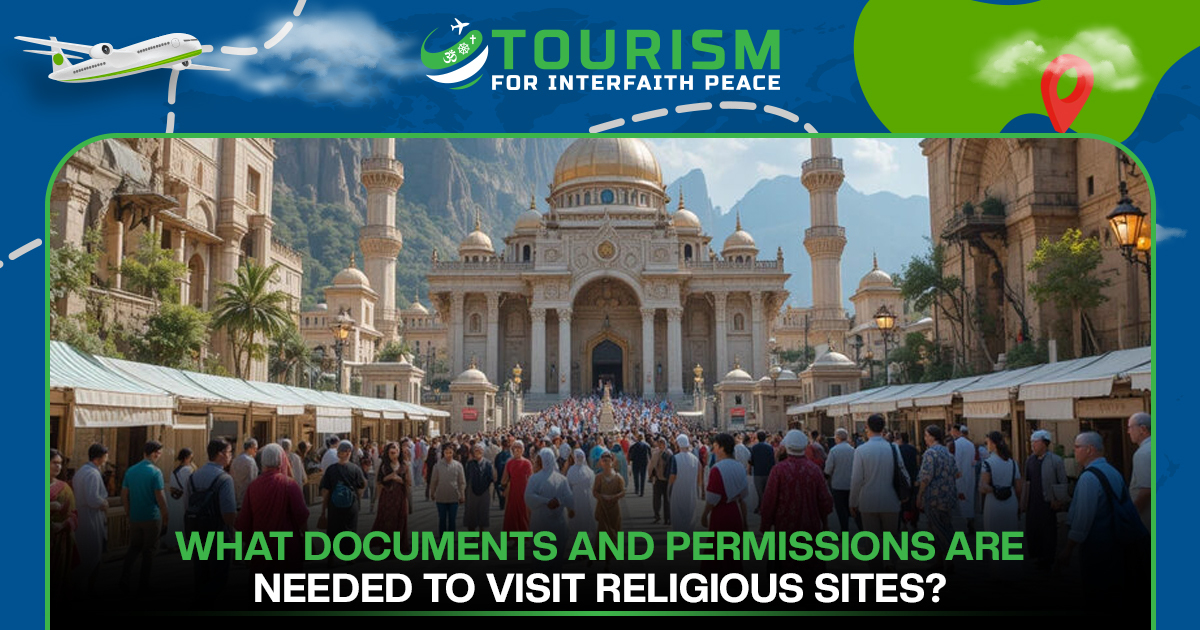
Requirements vary by site. Publicly accessible mosques, churches, temples, and gurdwaras generally do not require special permission, while protected archaeological sites need an entry ticket and some restricted or security-sensitive areas require advance coordination. Travelers should always carry valid identification, such as a CNIC or passport, and confirm site-specific rules before visiting.
Why Preparation Matters Before Visiting Religious and Heritage Sites
A meaningful visit to a mosque, temple, church, or shrine starts long before you arrive at the gate. Pakistan’s religious and heritage sites range from actively used places of worship to protected archaeological zones, and each category comes with its own expectations around identification, permissions, and behavior. Preparing in advance is not about following bureaucracy for its own sake. It is what allows a visit to remain respectful to worshippers, safe for the traveler, and genuinely educational rather than intrusive.
Understanding what to carry and what to ask before visiting also reduces the small frictions that can turn an otherwise welcoming experience into an uncomfortable one, for the visitor and the community alike.
Do You Need Special Permission to Visit Religious Sites?
Requirements vary significantly depending on the type of site, and there is no single rule that applies everywhere in Pakistan.
Publicly Accessible Places of Worship
Many mosques, churches, temples, and gurdwaras welcome visitors during non-prayer hours without requiring formal permission, though visitors are expected to follow the site’s own conduct guidelines.
Protected Archaeological Sites
Heritage locations under federal or provincial protection, including many Buddhist and Gandharan sites, typically require an entry ticket and may restrict certain areas even to ticket holders.
Active Religious Institutions
Shrines, madrassas, and working religious schools may have specific visiting hours or require visitors to check in with site staff before entering non-public areas.
Restricted or Security-Sensitive Areas
Some border-adjacent or high-security religious sites require advance coordination with local authorities. Travelers should confirm current requirements directly with the site or a licensed tour operator rather than assuming access.
Essential Documents Travelers Should Carry
Carrying the right documents avoids delays and demonstrates that a visitor takes the site, and the people who maintain it, seriously.
| Document | Who Needs It | Why It Matters |
|---|---|---|
| CNIC | Pakistani citizens | Primary identification at many sites and checkpoints |
| Passport | International visitors | Required for entry and any official registration |
| Valid visa | International visitors (where applicable) | Confirms legal entry status |
| Entry ticket | Visitors to archaeological or protected sites | Required for access to ticketed heritage zones |
| Hotel booking confirmation | All travelers (where requested) | May be requested at checkpoints in some regions |
| Travel insurance | Recommended for all travelers | Not typically required, but useful in an emergency |
| Emergency contact information | All travelers | Supports quick assistance if needed |
Permissions That May Be Required
Beyond entry documents, certain activities call for separate approval.
- Photography or videography: many sites restrict interior photography or photography during prayer, and some ask visitors to request permission from site staff first.
- Drone use: drone photography is restricted or prohibited at many heritage and religious sites, and separate civil aviation authorization is generally required to fly a drone anywhere in Pakistan.
- Group tours: larger groups may need to notify site management in advance, particularly at smaller or actively used sites.
- Research or documentary filming: formal filming permits are typically required and are usually arranged through the relevant heritage or tourism department.
- Ceremonies and festivals: access during major religious events may be more limited, and visitors should check ahead rather than assume regular visiting rules apply.
Because rules differ by site and can change, travelers are better served checking directly with the site or a knowledgeable guide than relying on a blanket assumption.
Guidelines for International Travelers
International visitors should confirm visa requirements well before travel, since categories and validity periods vary. A passport should generally have several months of validity remaining beyond the planned travel dates. Some regions may require local registration through a hotel or tour operator, particularly outside major cities.
Respecting local customs matters as much as paperwork. Hiring a licensed guide is worth considering, especially for sites with layered history or active religious use, since a knowledgeable guide can clarify site-specific etiquette. Readers preparing a broader itinerary may find it useful to review guidance on planning meaningful interfaith journeys before finalizing a route.
Responsible Visitor Checklist
☐ Dress modestly, covering shoulders and legs
☐ Carry valid identification (CNIC or passport) at all times
☐ Follow each site’s specific regulations, since they are not identical everywhere
☐ Respect prayer times and pause visits accordingly
☐ Remove shoes where required and store them properly
☐ Ask before taking photographs, especially of people or during rituals
☐ Avoid disturbing worshippers or ongoing ceremonies
☐ Follow instructions from licensed guides or site staff
Common Mistakes Travelers Should Avoid
- Assuming every site follows the same rules as the last one visited
- Flying a drone without checking site and aviation authority permissions
- Entering restricted or staff-only areas out of curiosity
- Ignoring basic etiquette, such as loud conversation in a prayer hall
- Photographing worshippers without asking first
- Arriving during restricted hours, such as active prayer or ceremony times
Many of these mistakes come from a lack of awareness rather than intent, which is why understanding respecting religious diversity as a practice, not just a rule, tends to prevent most issues before they happen.
Conclusion
Visiting Pakistan’s religious and heritage sites is one of the most direct ways to understand the country’s layered history and living traditions. The paperwork and permissions involved are rarely complicated, but they do vary by site, and confirming them in advance protects both the traveler’s experience and the sanctity of the space being visited.
Combined with genuine cultural awareness, drawn from resources like guidance on preparing for religious site visits, proper preparation turns a simple visit into a respectful and lasting encounter with Pakistan’s interfaith heritage.
Frequently Asked Questions
Do I need special permission to visit a mosque or temple in Pakistan?
Most publicly accessible mosques, temples, churches, and gurdwaras do not require special permission, but visitors should follow each site’s specific conduct rules and check visiting hours in advance.
What identification should I carry when visiting religious sites?
Pakistani citizens should carry a CNIC, and international visitors should carry a passport along with a valid visa where applicable.
Can I take photographs inside religious sites?
It depends on the site. Some allow general photography, while others restrict it, especially during prayers or rituals. Always ask site staff before photographing people or ceremonies.
Do I need a permit to fly a drone at a heritage site?
Drone use is restricted or prohibited at many heritage and religious sites, and separate civil aviation authorization is generally required to operate a drone in Pakistan.
Is it necessary to hire a guide when visiting religious sites?
A guide is not always required, but licensed guides can help travelers understand site-specific etiquette and history, which is especially useful at sites with layered or sensitive histories.