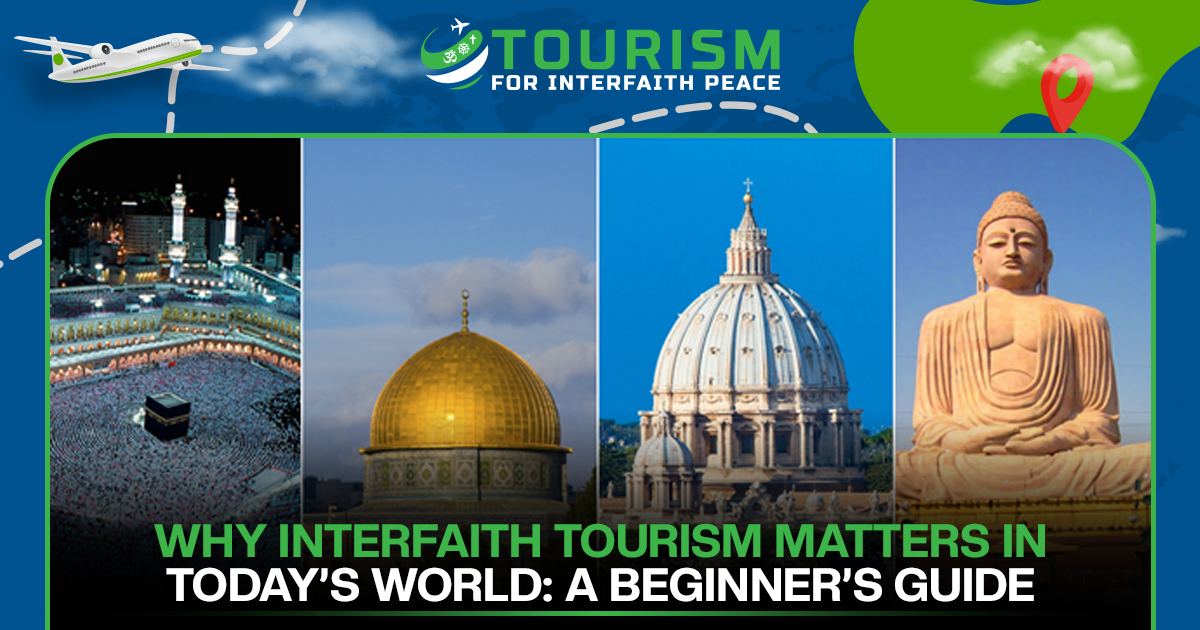
Interfaith tourism gives people a real chance to understand different religions and cultures through direct experience. Instead of relying on assumptions or second-hand information, travelers visit places of worship, interact with communities, and observe traditions in real life.
This kind of exposure builds respect, reduces misunderstanding, and supports peace in a practical way. In a world where opinions are often formed without real interaction, interfaith travel has become more important than ever.
In this blog, we will discuss what interfaith tourism is, why it matters today, its key benefits, and how it plays a role in promoting cultural understanding and peace, especially in Pakistan.
What Is Interfaith Tourism?
Interfaith tourism is a form of travel focused on exploring religious diversity and shared cultural heritage. It involves visiting places connected to different faiths and understanding how these traditions exist in real life.
This includes:
- Mosques, temples, churches, and gurdwaras
- Historical religious sites
- Cultural heritage linked to spiritual traditions
But the real meaning of interfaith tourism is not in the locations. It is in the experience.
When you stand inside a place of worship that belongs to a different faith, you begin to notice things that are often overlooked:
- The discipline in rituals
- The silence and respect during prayer
- The sense of community among people
These moments create understanding at a deeper level.
Benefits of Interfaith Travel
Interfaith travel offers more than just exposure to different places. It creates meaningful experiences that shape how people think, interact, and understand the world around them. These benefits are not temporary. They stay with travelers long after the journey ends.
1. Builds Long-Term Respect
Respect that comes from real experience is stronger and more lasting than respect learned through theory. When travelers visit places of worship and observe traditions closely, they begin to understand the effort, discipline, and meaning behind those practices.
This kind of exposure helps people move from passive awareness to genuine appreciation. Instead of seeing differences as barriers, they begin to see them as part of a shared human experience.
2. Reduces Stereotypes at the Root Level
Stereotypes often develop when people rely on incomplete or indirect information. Without real interaction, assumptions can become fixed beliefs.
Interfaith tourism challenges these ideas by creating direct contact between individuals and communities. When travelers engage with people from different backgrounds, they see reality instead of perception.
Over time, this reduces bias at its root and replaces it with informed understanding.
3. Strengthens Cultural Preservation
Religious and cultural sites are an important part of history, but they require continuous attention and care. Tourism brings visibility to these places and encourages their protection.
When more people visit these sites, it increases awareness of their importance. It also generates financial support that can be used for maintenance, restoration, and preservation.
This ensures that future generations can experience and learn from the same heritage.
4. Supports Local Communities
Interfaith tourism creates real economic value at the local level. Visitors rely on guides, transportation, food services, and local businesses, which directly benefit the community.
For many areas, especially those connected to heritage sites, tourism becomes a source of livelihood. This encourages communities to protect their cultural identity and maintain their traditions.
As a result, tourism and cultural preservation begin to support each other.
5. Encourages Meaningful Dialogue
Travel naturally creates opportunities for conversation. These conversations, even if simple, often lead to deeper understanding.
When people talk about their traditions, beliefs, and daily lives, they build connections that go beyond surface-level interaction.
This kind of dialogue helps break down barriers and creates a space where differences can be discussed with respect and openness.
Interfaith Tourism Importance in Pakistan
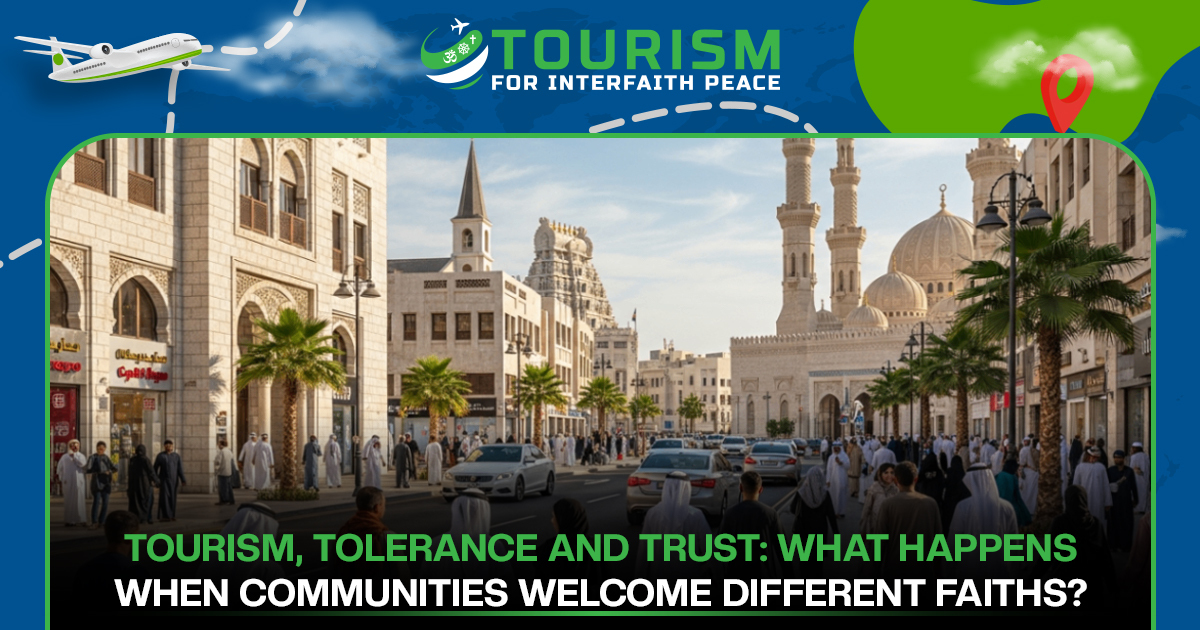
Pakistan holds a unique position when it comes to interfaith tourism. Its history is not limited to one culture or religion. Instead, it reflects centuries of coexistence, influence, and shared heritage.
This diversity is visible across the country in different forms.
Travelers can experience:
- Islamic heritage through historic mosques, Sufi shrines, and spiritual centers that continue to attract visitors
- Sikh heritage, especially at Kartarpur, which is one of the most important religious sites for the Sikh community worldwide
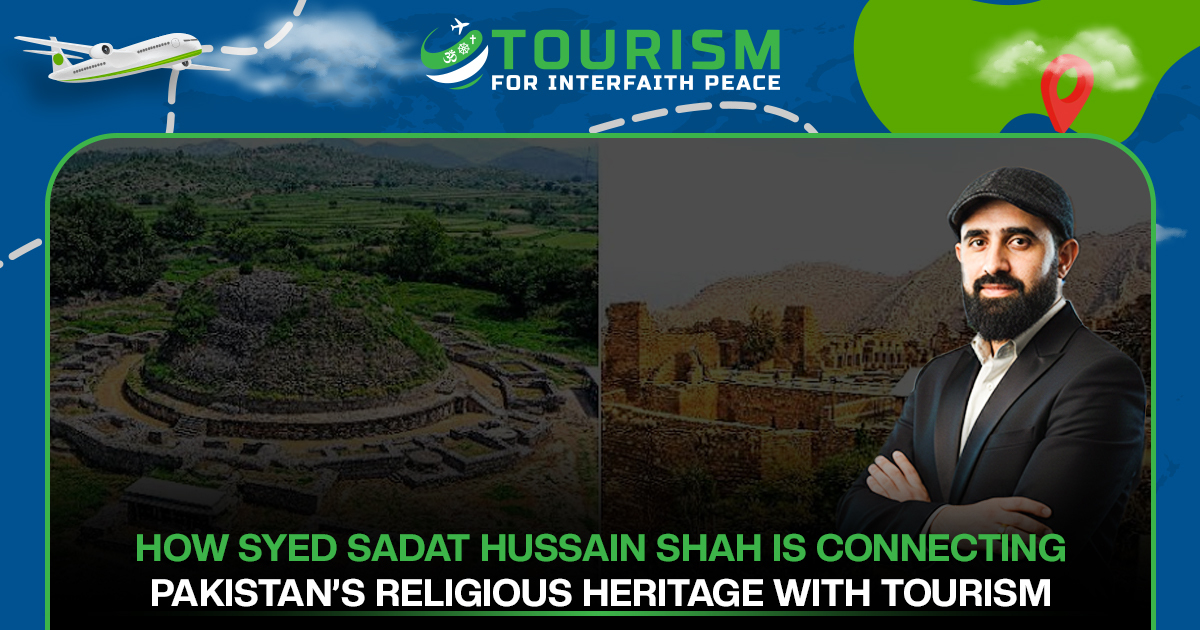
- Buddhist remains from the Gandhara civilization, offering insight into ancient spiritual traditions
- Hindu temples that reflect long-standing cultural and religious presence
- Churches that represent colonial-era history and Christian communities
What makes this combination valuable is not just the presence of these sites, but the fact that they exist within the same national space. This reflects a layered history where different communities have lived, contributed, and shaped the region together.
Because of this, Pakistan has strong potential as a destination for interfaith tourism. It offers both historical depth and living traditions, which makes the experience more authentic and meaningful for visitors.
Pakistan as a Peace Building Tourism Destination
Pakistan has strong potential to lead in peace-building tourism because it offers both diversity and authenticity in one place. Unlike destinations where heritage is only preserved for display, Pakistan presents living traditions where people continue to practice their beliefs in everyday life.
Visitors do not just see historical sites. They experience how different communities live, interact, and maintain their traditions. This creates a deeper and more meaningful connection.
Initiatives like Tourism for Interfaith Peace are working to organize this potential into structured travel experiences. The goal is to move beyond basic tourism and create journeys that encourage understanding and interaction.
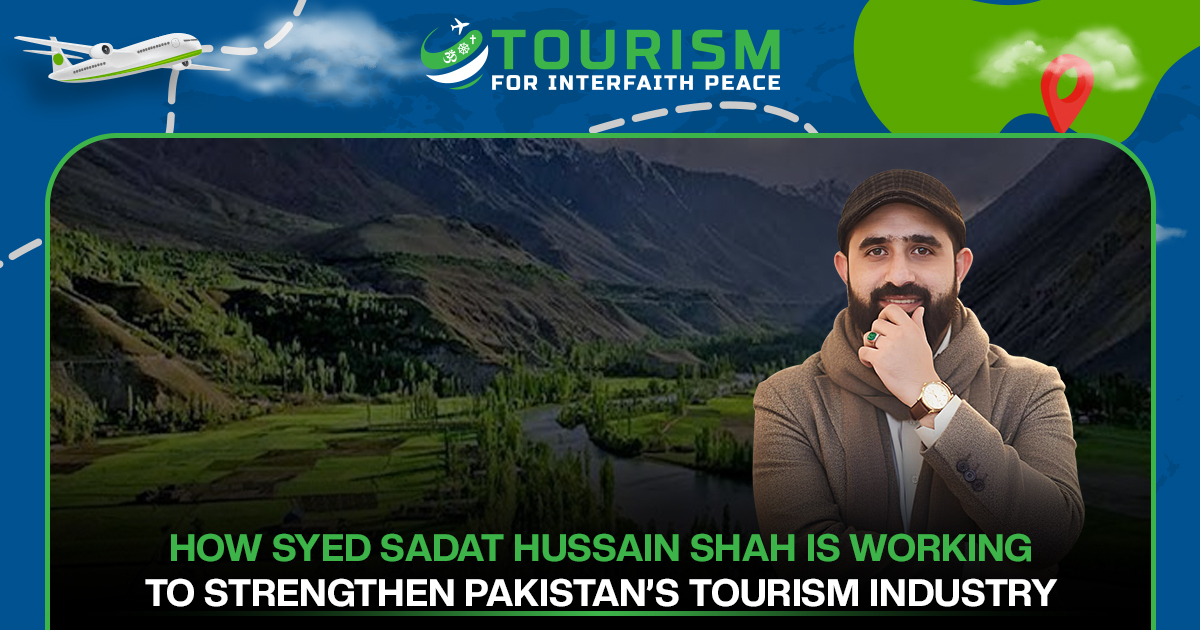
Under the leadership of Syed Sadat Hussain Shah, the focus is on building a model where tourism contributes to harmony, cultural awareness, and global connection rather than just economic growth.
How Interfaith Tourism Supports Peace Building
Interfaith tourism supports peace in a practical and human-centered way. Instead of relying only on policies or formal dialogue, it creates everyday interactions that bring people closer.
Peace Through Everyday Interaction
Peace often begins in simple, shared moments rather than large initiatives. When people interact in natural settings, they begin to understand each other without pressure or expectation.
During interfaith travel, people often:
- Sit together in shared spaces
- Share meals and hospitality
- Visit each other’s places of worship
- Observe traditions with mutual respect
These small interactions build familiarity. As people become more familiar with each other’s beliefs and lifestyles, they feel more comfortable.
This comfort reduces hesitation, and over time, it reduces misunderstanding and conflict.
Creating a Balanced Global Narrative
Many countries, including Pakistan, are often viewed through limited or outdated narratives. These views are usually formed without direct experience.
Interfaith tourism allows visitors to see a broader and more accurate picture.
Through travel, they experience:
- Diversity within society, rather than a single narrative
- Respect and coexistence between different communities
- Cultural richness that goes beyond headlines
This helps reshape how people think about a country. Instead of relying on assumptions, they form opinions based on real experiences.
Over time, this contributes to a more balanced global understanding.
Interfaith Travel Beginner’s Guide
Starting interfaith travel does not require complex planning. It requires awareness, respect, and a willingness to learn.
Step 1: Choose Locations with Diversity
Begin with places that offer exposure to multiple cultures and religions. Cities like Lahore, Multan, and Taxila provide access to different historical and religious sites within a single trip.
This allows beginners to experience diversity without traveling across multiple regions.
Step 2: Understand Cultural Etiquette
Each place of worship has its own customs. Understanding basic etiquette shows respect and helps avoid discomfort.
This may include:
- Dressing modestly
- Removing shoes before entering
- Maintaining silence in certain areas
Respecting these practices creates a positive experience for both visitors and locals.
Step 3: Observe Before You Participate
Before engaging in any activity, take time to observe the environment. Watch how others behave and follow their lead.
This helps you understand the space and act appropriately.
Step 4: Ask Thoughtful Questions
Curiosity is an important part of interfaith travel. Asking respectful questions helps build connection and understanding.
Most people are open to sharing their traditions when approached with sincerity.
Step 5: Reflect After Your Visit
Reflection is what turns travel into learning.
After visiting a place, think about:
- What you observed
- What surprised you
- How has your perspective changed
This process helps you carry the experience beyond the journey itself.
Common Misconceptions About Interfaith Tourism
Misunderstandings about interfaith tourism often prevent people from exploring it. Addressing these misconceptions helps make it more accessible.
It Is Only for Religious Travelers
Interfaith tourism is not limited to religious individuals. It is for anyone interested in culture, history, and human interaction.
It focuses on understanding, not conversion or belief.
It Is Difficult or Sensitive
Many people assume interfaith travel is complicated. In reality, it becomes simple when approached with basic respect and awareness.
Most communities welcome visitors who show genuine interest.
It Has No Real Impact
Some believe that small travel experiences do not create change. However, even brief interactions can influence how people think and behave.
When multiplied across many individuals, these changes contribute to a broader social impact.
The Future of Interfaith Tourism
Travel is changing. People are no longer satisfied with surface-level experiences. They are looking for meaning, connection, and purpose.
Interfaith tourism aligns with this shift because it offers deeper engagement.
It provides:
- Purpose-driven travel experiences
- Opportunities to connect beyond cultural boundaries
- Long-term social and cultural impact
As more countries recognize this potential, interfaith tourism is likely to grow as a key part of global travel.
Countries that invest in it can benefit not only economically but also socially by promoting understanding and harmony.
Conclusion
Interfaith tourism offers a practical and human-centered approach to building peace. It allows people to move beyond assumptions and understand each other through real experiences.
In Pakistan, this opportunity is even more significant due to its rich and diverse heritage. With the right initiatives and awareness, interfaith tourism can strengthen local harmony and improve global perception.
Over time, these small interactions and shared experiences can create a lasting impact, making tourism a meaningful tool for connection and understanding.
FAQs
Q. Is interfaith tourism safe for first-time travelers?
Yes, interfaith tourism is generally safe for beginners if you follow basic cultural etiquette and respect local traditions. Most religious sites welcome visitors who show genuine interest and behave respectfully.
Q. Can non-Muslims visit mosques and other religious sites in Pakistan?
Yes, many mosques and religious sites in Pakistan allow visitors from different faiths. However, access may depend on the location and timing, so it is important to follow guidelines and respect ongoing religious practices.
Q. What makes Pakistan unique for interfaith tourism?
Pakistan offers a rare combination of Islamic, Sikh, Buddhist, Hindu, and Christian heritage in one country. Visitors can experience both historical sites and living traditions, which makes the experience more authentic.
Q. Do I need a guide for interfaith travel?
While it is not mandatory, having a local guide can improve your experience. Guides provide cultural context, explain traditions, and help you navigate different religious sites respectfully.
Q. Is interfaith tourism only for religious people?
No, it is for anyone interested in culture, history, and human behavior. You do not need to follow any religion to participate. The focus is on learning and understanding, not belief.
Q. What are some beginner-friendly cities for interfaith tourism in Pakistan?
Cities like Lahore, Multan, and Taxila are good starting points because they offer multiple religious and historical sites in one place.