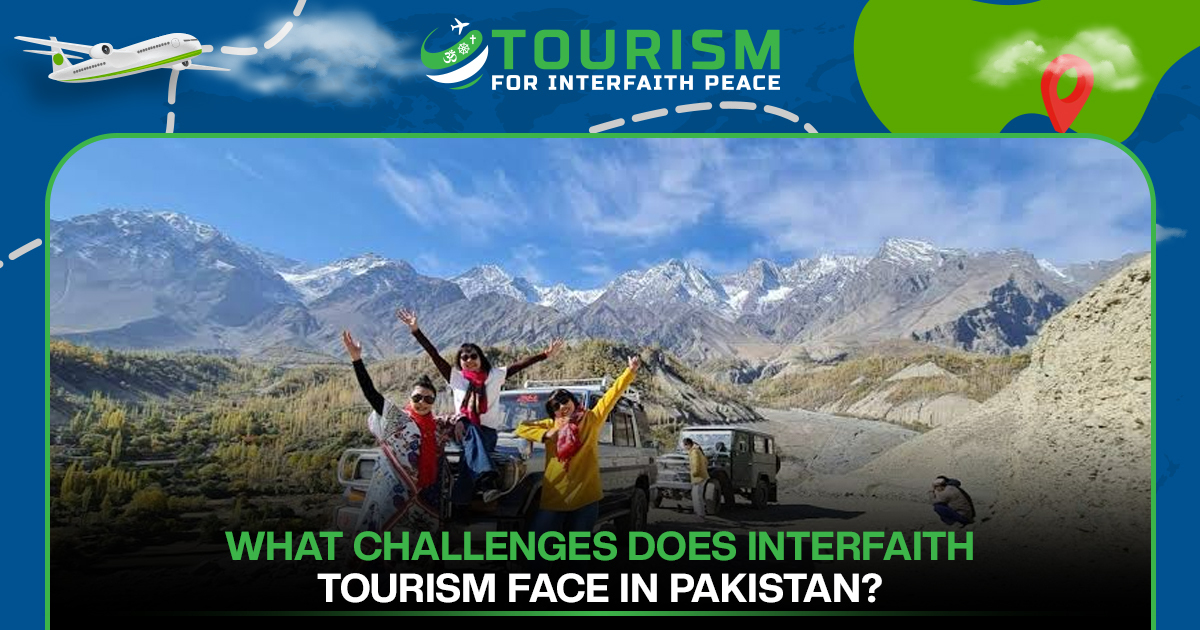
- Interfaith tourism in Pakistan faces gaps in international awareness, site infrastructure, heritage conservation, and digital visibility.
- None of these are permanent barriers — each maps to a clear opportunity for coordinated investment and community engagement.
- Organizations like TIP work to raise awareness, support responsible tourism, and encourage interfaith dialogue around these sites.
Pakistan holds one of the more unusual distinctions in world travel: a single country with major sites tied to Islam, Buddhism, Sikhism, Hinduism, and Christianity, often within a few hours’ drive of each other. That density of religious heritage is rare. Globally, interfaith tourism — travel built around visiting, understanding, and respecting sites sacred to different faiths — has grown as travelers look for experiences that build understanding rather than just collect landmarks. Pakistan’s potential in this space is significant. So is the work still needed to realize it.
What Is Interfaith Tourism?
Interfaith tourism in Pakistan refers to travel centered on visiting religious and cultural heritage sites across different faith traditions, with an emphasis on mutual respect, cultural understanding, and peaceful dialogue rather than pilgrimage to a single tradition alone. It sits at the intersection of religious tourism, cultural tourism, and peacebuilding — a traveler visiting a Buddhist stupa, a Sikh gurdwara, and a Sufi shrine in the same trip isn’t just sightseeing; they’re engaging with the layered history of a shared landscape.
Pakistan’s Rich Interfaith Heritage
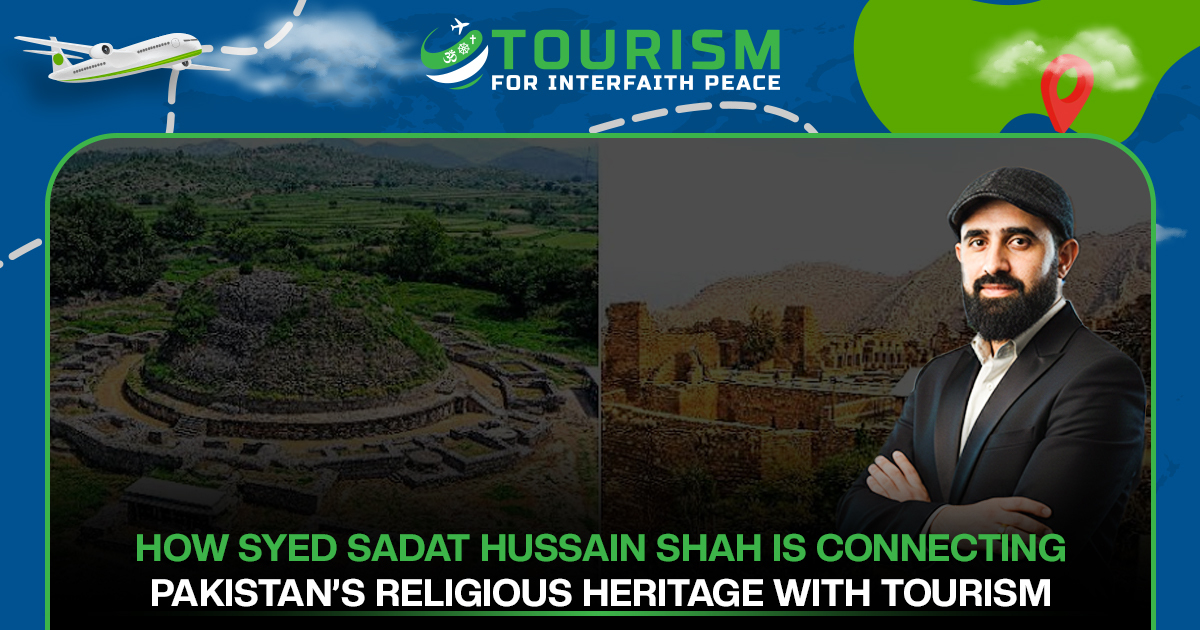
The scope of that landscape is considerable. Taxila and the surrounding Gandhara region hold some of the most significant Buddhist archaeological sites outside India, dating back over two thousand years. Katas Raj in Punjab is a Hindu temple complex with deep historical and mythological significance. The Kartarpur Corridor, opened in 2019, connects Sikh pilgrims to Gurdwara Darbar Sahib, one of the faith’s most sacred sites, without requiring a visa. Lahore and other cities carry centuries of Islamic architectural heritage, from Mughal-era mosques to Sufi shrines, alongside Christian churches and institutions established during the colonial period. Few countries can offer this range of religious heritage sites within a single itinerary.
Major Challenges Facing Interfaith Tourism in Pakistan
Realizing that potential comes with real, addressable gaps rather than any single obstacle.
- Limited international awareness. Pakistan’s religious heritage, particularly its Buddhist and Sikh sites, remains far less known internationally than comparable destinations in neighboring countries.
- Infrastructure gaps. Roads, signage, and visitor facilities at some heritage sites lag behind what international travelers expect, particularly at less-visited locations outside major cities.
- Heritage conservation needs. Many sites require ongoing restoration and protection to preserve their historical and structural integrity for future visitors.
- Visitor facilities. Basic amenities — clean rest areas, accessible information, multilingual guides — are inconsistent across sites.
- Marketing limitations. Pakistan’s interfaith and religious heritage is underrepresented in global tourism marketing compared to its historical significance.
- Digital visibility. Many heritage sites have minimal online presence, making it difficult for international researchers, pilgrims, and travelers to plan visits confidently.
- Accessibility in some destinations. A handful of significant sites remain difficult to reach without private transport or local guidance.
- Skills and capacity development. The tourism sector benefits from continued investment in guide training, hospitality standards, and heritage interpretation skills.
None of these are permanent barriers. They’re the kind of gaps that improve with sustained investment and coordination — the same pattern seen in other countries that have successfully built out religious and cultural tourism sectors.
Opportunities for Growth
Each challenge maps to a corresponding opportunity. Infrastructure investment at heritage sites improves the visitor experience for domestic and international travelers alike. Coordinated conservation work protects sites that hold irreplaceable historical value. Stronger digital marketing and multilingual online resources make Pakistan’s heritage discoverable to researchers and travelers planning trips from abroad. Community engagement — training local guides, involving nearby residents in tourism planning — builds a tourism sector that benefits the areas surrounding these sites rather than bypassing them. Responsible, well-managed tourism growth also supports the argument for continued heritage preservation funding, since sites that draw visitors are easier to justify protecting.
The Role of Tourism for Interfaith and Peace
Organizations focused specifically on interfaith tourism have a role that goes beyond promotion. Tourism for Interfaith and Peace works to raise awareness of Pakistan’s religious and cultural heritage, support education around interfaith understanding, and encourage responsible tourism practices that respect the communities and sites involved. That includes facilitating dialogue between different faith communities, collaborating with local stakeholders and tourism professionals, and helping connect international travelers, researchers, and pilgrims with accurate, respectful information about the sites they hope to visit.
Why Interfaith Tourism Matters
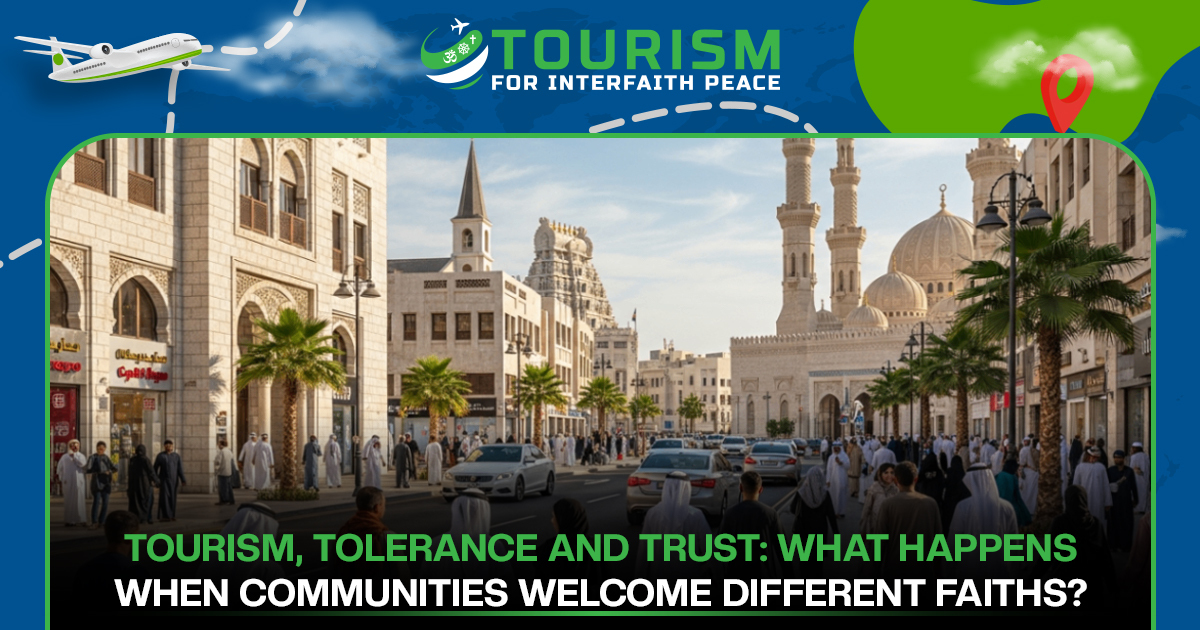
The value of interfaith tourism extends beyond the travel industry itself. It supports local economies in regions surrounding heritage sites, often areas with limited other tourism draw. It creates a direct incentive for cultural and heritage preservation, since these sites generate value precisely because they’re maintained and respected. It fosters international understanding by giving visitors direct, personal exposure to Pakistan’s religious diversity rather than secondhand narratives. And it aligns with the broader goals of sustainable tourism — growth that benefits host communities without degrading the sites or traditions that make the destination meaningful in the first place.
Final Thoughts
Pakistan’s interfaith heritage is not a hidden secret waiting to be discovered so much as an underdeveloped asset waiting for coordinated attention — conservation funding, infrastructure investment, digital visibility, and trained guides. None of that happens through marketing alone. It happens through cooperation between government bodies, heritage organizations, local communities, and groups like TIP working specifically at the intersection of tourism and interfaith understanding. For travelers, researchers, and organizations interested in supporting that work, engaging respectfully with Pakistan’s religious heritage sites — and with organizations working to preserve and share them responsibly — is itself a meaningful contribution. Those interested in learning more or getting involved can contact TIP directly.
Frequently Asked Questions
What is interfaith tourism?
Interfaith tourism is travel centered on visiting religious and cultural heritage sites across different faith traditions, with an emphasis on mutual respect and cultural understanding rather than pilgrimage to one tradition alone.
What religious heritage sites does Pakistan have?
Pakistan is home to significant Buddhist sites in the Gandhara region, the Hindu temple complex at Katas Raj, the Sikh Kartarpur Corridor, and centuries of Islamic and Christian heritage across its cities.
What are the biggest challenges facing religious tourism in Pakistan?
Key challenges include limited international awareness, infrastructure gaps at some sites, ongoing heritage conservation needs, and underdeveloped digital visibility for many locations.
Is Pakistan safe for interfaith or religious tourism?
Conditions vary by region and destination, so travelers should check current travel advisories and consult local tourism resources before planning a visit to any specific site.
How does interfaith tourism support heritage preservation?
Tourism creates a direct economic incentive to maintain and protect heritage sites, since their value to visitors depends on their historical and structural integrity being preserved.
What role does TIP play in interfaith tourism in Pakistan?
Tourism for Interfaith and Peace works to raise awareness of Pakistan’s religious heritage, support interfaith dialogue, and promote responsible tourism practices in coordination with local communities and stakeholders.
How can travelers engage respectfully with Pakistan’s religious sites?
Respectful engagement includes researching a site’s significance beforehand, following any dress or conduct expectations, and traveling with guides or organizations familiar with the site’s cultural context.
Why does interfaith tourism matter for Pakistan’s economy and image?
It supports local economies around heritage sites, creates incentive for conservation funding, and gives international visitors direct exposure to Pakistan’s religious diversity.