In today’s connected world, a single video, photograph, or personal story can inspire thousands of people to discover cultures they never knew existed. Digital media has fundamentally changed how people explore destinations, learn about history, and engage with diverse faiths before ever boarding a plane. From virtual tours of ancient monasteries to social media stories showcasing sacred temples, churches, mosques, and gurdwaras, technology has made interfaith travel more accessible than ever.
More importantly, digital platforms have become powerful tools for promoting mutual respect, cultural dialogue, and responsible tourism. They enable travelers to understand the historical and spiritual significance of religious sites while encouraging meaningful interactions with local communities. As interfaith tourism continues to grow, digital media is helping transform travel into an opportunity for education, understanding, and peace.
The Digital Transformation of Interfaith Tourism
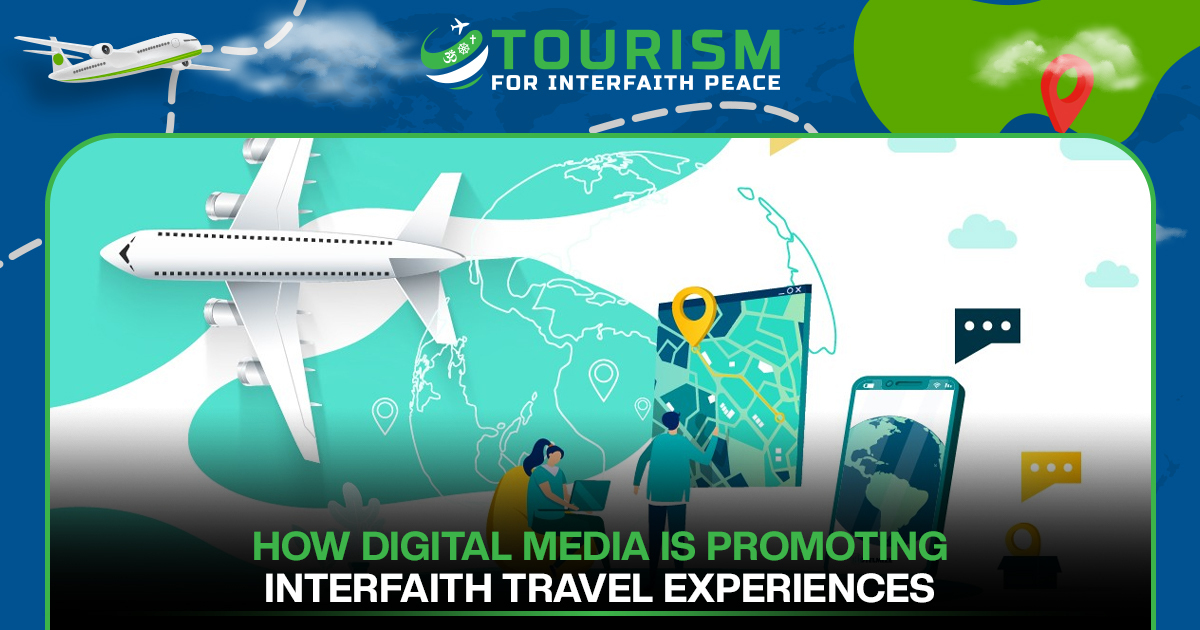
Interfaith tourism has entered a new era where technology shapes every stage of the travel experience. Travelers no longer rely solely on guidebooks or travel agencies. Instead, they research destinations through websites, social media, virtual experiences, and travel communities before making decisions.
Digital tourism has made religious and cultural heritage more accessible to global audiences. Interactive websites, destination portals, online booking platforms, and mobile applications allow visitors to explore sacred sites, understand cultural traditions, and prepare for respectful visits.
This transformation benefits both travelers and destinations. Visitors arrive with greater awareness, while local communities gain wider international exposure. Digital accessibility also helps smaller heritage destinations receive attention that traditional marketing often overlooks.
Social Media Is Bringing Faith Heritage to the World
Social media has become one of the strongest drivers of interfaith tourism. Platforms such as Instagram, YouTube, Facebook, LinkedIn, TikTok, podcasts, and travel blogs allow destinations to tell authentic stories that inspire curiosity and respect.
Instead of promoting only beautiful architecture, successful digital content highlights the people, traditions, festivals, and values behind religious heritage. A short documentary about Buddhist monasteries, a photo series from a Sikh pilgrimage, or a local guide explaining centuries-old traditions can encourage audiences to appreciate cultural diversity rather than simply consume visual content.
Authentic storytelling also encourages responsible travel. Visitors who understand local customs before arriving are more likely to respect dress codes, religious practices, photography guidelines, and community traditions.
This shift has transformed tourism marketing from destination promotion into cultural education.
Virtual Experiences Inspire Real Journeys
Virtual tourism is no longer a temporary alternative—it has become an essential part of travel planning.
Interactive 360-degree tours, digital museums, online exhibitions, augmented reality experiences, AI-powered travel assistants, and immersive heritage maps allow users to explore destinations from anywhere in the world.
These experiences often inspire future physical visits rather than replace them.
Someone exploring the ancient Buddhist remains of Taxila, walking virtually through Takht-i-Bahi, or learning about the Kartarpur Corridor online may later decide to experience these places in person.
Virtual experiences are particularly valuable for students, researchers, elderly travelers, and people who may not yet have the opportunity to travel internationally. They also preserve cultural knowledge for future generations while increasing global awareness of religious heritage.
Storytelling Builds Cultural Understanding
Technology alone does not create meaningful tourism—stories do.
Behind every sacred site are generations of people, traditions, beliefs, and shared human experiences. Digital storytelling transforms historical locations into living narratives by highlighting local voices, community traditions, restoration efforts, and personal journeys.
When travelers hear stories about pilgrims, caretakers, historians, artisans, or local families, they begin to see destinations through a human lens rather than simply as tourist attractions.
This emotional connection encourages empathy.
Interfaith tourism succeeds when people recognize that, despite religious differences, communities often share common values such as compassion, hospitality, respect, and hope.
Well-crafted storytelling therefore becomes one of the most powerful tools for promoting cultural understanding and peaceful dialogue.
Digital Media Helps Preserve Religious Heritage
Digital platforms also play a significant role in heritage preservation.
Historic photographs, archival documents, oral histories, drone mapping, digital restoration projects, and educational videos help protect cultural knowledge that might otherwise be lost over time.
Many heritage organizations now create digital archives that document monuments, religious manuscripts, architecture, festivals, and traditional practices. These resources support researchers, educators, conservation experts, and future generations.
Young people also become active participants in preservation by producing documentaries, photography projects, podcasts, blogs, and educational content that celebrate local heritage.
Digital preservation ensures that cultural identity remains accessible long after physical structures begin to age.
Responsible Digital Tourism Matters
While digital media creates opportunities, it also brings responsibility.
Accurate information, ethical storytelling, and respectful representation are essential when discussing religious heritage. Misleading content, stereotypes, sensationalism, or culturally insensitive portrayals can damage communities and discourage meaningful dialogue.
Responsible digital tourism should prioritize:
- Authentic information from credible sources
- Respect for religious customs and traditions
- Inclusive representation of diverse communities
- Protection of sacred spaces
- Responsible photography and content creation
- Educational rather than sensational storytelling
Content creators, tourism organizations, journalists, and travelers all share responsibility for promoting respectful digital narratives.
The Future of Interfaith Tourism in the Digital Age
Emerging technologies are reshaping the future of tourism.
Artificial Intelligence is helping travelers discover personalized itineraries, multilingual travel assistance, accessibility recommendations, and heritage information tailored to their interests.
Smart tourism platforms integrate transportation, accommodation, digital guides, and cultural experiences into seamless travel planning. Meanwhile, virtual communities connect travelers, researchers, local guides, and heritage organizations across continents.
As digital innovation continues to evolve, interfaith tourism will become increasingly collaborative, inclusive, and knowledge-driven.
Technology should not replace authentic human experiences—it should make them richer, more informed, and more meaningful.
Why Tourism for Interfaith and Peace Supports Digital Innovation
Tourism for Interfaith and Peace (TIP) recognizes that digital platforms can strengthen intercultural dialogue when used responsibly.
By encouraging educational storytelling, heritage awareness, responsible tourism practices, and meaningful cultural exchange, TIP supports a vision where technology becomes a bridge between communities rather than a barrier.
The organization believes that preserving religious heritage, promoting peaceful dialogue, and encouraging respectful travel are essential for building stronger relationships between people of different cultures and faiths.
Digital innovation expands these efforts by connecting global audiences with stories that inspire understanding instead of division.
Conclusion
Digital media has transformed the way people discover the world, but its greatest achievement lies in bringing people closer through understanding, respect, and shared human experiences. Every virtual tour, documentary, travel blog, podcast, or social media story has the potential to promote empathy, preserve heritage, and encourage responsible exploration.
As interfaith tourism continues to evolve, technology will remain a powerful partner in connecting cultures, protecting religious heritage, and strengthening global dialogue. When combined with authenticity, ethical storytelling, and cultural sensitivity, digital platforms can turn every journey into an opportunity for learning and peace.
Tourism for Interfaith and Peace envisions a future where meaningful travel extends beyond destinations. It becomes a catalyst for cultural exchange, mutual respect, and lasting human connections—helping build a more inclusive and peaceful world, one story and one journey at a time.