Imagine visiting a centuries-old monastery. One person is there to pray, another to admire its architecture, and a local shopkeeper depends on visitors to earn a living. For historians, the same place may hold valuable clues about the past.
A sacred site can mean different things to different people. But everyone has a shared interest in making sure it remains standing and respected for generations to come.
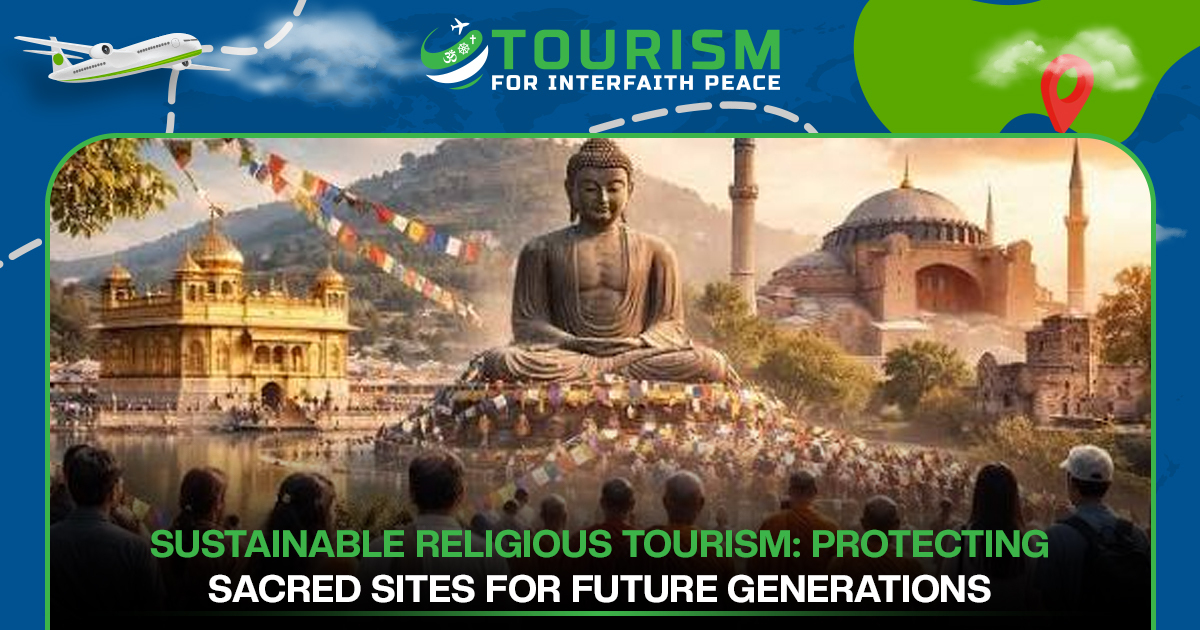
That is the idea behind sustainable religious tourism. It is about welcoming visitors while protecting the religious, cultural and historical importance of sacred places. It also means making sure local communities benefit from tourism rather than carrying its costs.
From Buddhist heritage sites in Pakistan to pilgrimage routes in Japan and sacred landscapes in Australia, there are many examples of how tourism and heritage protection can work together. There are also important lessons about what happens when visitor numbers, development and commercial interests take priority over conservation.
In this article, we explore why sacred sites need protection, the challenges they face and how travellers, local communities, religious institutions and tourism organisations can help preserve them.
What Is Sustainable Religious Tourism?
Sustainable religious tourism means visiting places of worship, pilgrimage destinations and other spiritually significant locations in a way that protects their heritage and respects the people connected to them.
It is not simply about attracting more visitors. It is about managing tourism responsibly so that sacred places remain meaningful to worshippers, welcoming to visitors and valuable to local communities.
According to UN Tourism, sustainable tourism considers the present and future economic, social and environmental impacts of tourism. It also recognises the needs of visitors, the tourism industry, the environment and host communities.
When applied to religious tourism, this approach involves four important areas:
- Environmental protection: Managing waste, water use, energy consumption and the physical impact of visitors.
- Respect for local communities: Making sure residents can continue their daily lives and worshippers can practise their faith without unnecessary disruption.
- Cultural preservation: Protecting religious traditions, historical buildings, rituals and the stories connected to them.
- Economic benefits: Ensuring tourism income supports local businesses, communities and the maintenance of heritage sites.
A sacred building or historical monument cannot always be restored to its original condition once it has been damaged. The same is true of its cultural and spiritual value. If visitors begin to disrupt religious activities or ignore the wishes of local custodians, communities may eventually feel that tourism is doing more harm than good.
Sustainable religious tourism helps prevent that from happening.
Why Is Protecting Sacred Sites Important?
Sacred sites are much more than tourist attractions. They are places where people pray, celebrate religious festivals, remember their ancestors and maintain traditions that may have continued for hundreds of years.
For worshippers, these places often hold deep personal and spiritual meaning. Damage to a religious site can therefore affect not only its physical structure but also the community’s connection to its faith and history.
These places also help preserve the stories of entire civilisations. Temples, mosques, monasteries, gurdwaras and churches reflect the beliefs, architecture, craftsmanship and everyday lives of the people who built and used them.
Pakistan’s Takht-i-Bahi, for example, is an important Buddhist monastic complex in Khyber Pakhtunkhwa. Dating back to the early first century, it is recognised by UNESCO for its remarkable state of preservation. Its buildings and remains offer valuable insight into the region’s Buddhist history.
Sacred places can also encourage people from different backgrounds to understand one another. Visiting a place of worship belonging to another faith, especially with guidance from someone who understands its traditions, can turn a simple trip into a meaningful cultural experience.
The ICOMOS Charter for Cultural Heritage Tourism also recognises the importance of intercultural dialogue, mutual understanding and peacebuilding.
Protecting sacred sites is therefore about preserving more than buildings. It is about safeguarding living traditions, community identity and opportunities for people to connect across cultures.
Major Threats Facing Sacred and Religious Heritage Sites
Religious heritage sites face several challenges as tourism grows. Some come directly from visitors, while others are linked to environmental pressures, poor planning and a lack of conservation funding.
1. Overcrowding and Visitor Pressure
Popular religious destinations can attract thousands of visitors during festivals, holidays and pilgrimage seasons. When too many people arrive at once, the pressure can become difficult to manage.
Overcrowding can lead to:
- Damage to old floors, walls, carvings and other fragile features.
- Long queues that interfere with worship and religious activities.
- Noise and disruption during prayers and ceremonies.
- Increased pressure on toilets, water supplies and waste facilities.
- Visitors entering areas that should remain restricted.
A place designed for a small congregation may struggle to accommodate large tourist groups. Without proper visitor management, even well-intentioned tourism can gradually damage the site.
2. Inappropriate Visitor Behaviour
Not every visitor understands the customs of a religious place. Some may take photographs during prayers, enter restricted areas, touch historic objects or ignore dress requirements.
These actions may seem minor to a tourist, but they can be deeply disrespectful to worshippers and custodians.
Clear visitor guidelines, local guides and pre-visit information can help prevent misunderstandings.
3. Environmental Damage and Climate Change
Sacred sites are also affected by problems such as water shortages, pollution, changing weather conditions and nearby industrial development.
Pakistan’s Katas Raj Temples in Chakwal offer an important example. The temple complex is built around a sacred pond that holds religious significance for Hindu communities. In 2017, the Supreme Court of Pakistan took notice of the pond’s declining water levels. Groundwater depletion and industrial water use were among the concerns raised during the proceedings.
The case showed how activities taking place outside a heritage site can threaten its cultural and religious importance.
Climate change creates further challenges. Heavy rainfall, flooding, extreme heat and other environmental pressures can weaken historic structures that were built long before modern climate conditions.
At Lalibela in Ethiopia, rainwater damage to the rock-hewn churches led to the installation of protective shelters. Although these structures helped address the immediate problem, they also affected the site’s visual appearance. This highlights how conservation decisions sometimes involve difficult trade-offs.
4. Insufficient Funding and Poor Planning
Maintaining a historic religious site requires regular attention. Roofs need repairs, drainage systems need maintenance, visitor facilities need improvement and historic structures need professional conservation.
Unfortunately, entry fees and donations do not always cover these costs. In some cases, tourism revenue is collected without a clear system for returning funds to the site or its surrounding community.
Poorly planned hotels, roads, parking areas and commercial developments can also affect the landscape and natural resources around sacred places.
5. Loss of Local Knowledge
Local residents, religious leaders, caretakers and traditional craftspeople often understand a heritage site better than anyone else.
They may know how a building was traditionally maintained, which areas are vulnerable or how religious events should be organised.
When these people are excluded from tourism and conservation decisions, valuable knowledge can gradually disappear.
How Can Sustainable Religious Tourism Protect Sacred Sites?
Tourism does not automatically protect heritage. The difference comes from how visitors are welcomed, how sites are managed and whether local communities have a say in decisions.
The following practices can make religious tourism more responsible.
1. Manage Visitor Numbers
Every sacred site has a limit to the number of visitors it can comfortably accommodate. Authorities and custodians should consider daily visitor limits, timed entry and special arrangements during festivals.
ICOMOS encourages heritage managers to use visitor management plans and monitor the impact of tourism. These measures help protect fragile structures while making visits more comfortable.
2. Give Worshippers Priority
Religious sites should remain places of worship first and tourist destinations second.
Separate visitor routes, quiet hours and clear visiting schedules can reduce disruption. Tour operators should also coordinate with religious custodians before arranging group visits.
3. Improve Visitor Facilities Responsibly
Clean toilets, drinking water, waste collection points, appropriate pathways and shaded waiting areas can make a significant difference at busy sites.
However, new facilities should be planned carefully. Large commercial structures or poorly designed buildings can damage the appearance and setting of historic places.
4. Educate Visitors Before They Arrive
Visitors are more likely to respect a place when they understand its importance.
Tour operators, travel organisations and site managers can share simple guidelines before a visit. These should explain appropriate clothing, photography rules, footwear requirements and expected behaviour during religious activities.
5. Work With Local Guides
Local guides can explain the history, traditions and significance of a sacred place in a way that visitors can understand.
They also help visitors avoid behaviour that may offend worshippers or damage the site. Employing local guides creates income opportunities while ensuring that the community has a voice in how its heritage is presented.
6. Reduce Waste and Protect Natural Resources
Tourism organisations and site managers should encourage visitors to avoid single-use plastics, use refillable water bottles and dispose of waste responsibly.
Festival organisers should also prepare for the additional waste, water consumption and sanitation needs that come with large gatherings.
7. Make Tourism Revenue Benefit the Site
A portion of tourism income should support conservation, maintenance and local development.
Visitors are more likely to appreciate entry fees and donations when they can see how the money is being used. Transparent financial arrangements also help build trust between communities, custodians and tourism organisations.
8. Monitor the Condition of Heritage Sites
Regular inspections can identify damage before it becomes serious. Site managers should monitor visitor numbers, building conditions, waste levels and feedback from local communities.
UN Tourism’s International Network of Sustainable Tourism Observatories (INSTO) provides a framework for monitoring tourism’s economic, environmental and social impacts.
The 2015 Bethlehem Declaration on Religious Tourism also highlights the importance of protecting religious sites, preserving their authenticity and supporting host communities.
The Role of Local Communities in Sacred Heritage Conservation
Local communities are among the most important partners in protecting religious heritage.
Residents often notice problems long before outside authorities do. They know when a building needs attention, which festival attracts the largest crowds and what visitors should understand before entering a sacred space.
Their involvement should go beyond providing services or working as tour guides. Communities should have a meaningful role in planning, decision-making and sharing the benefits of tourism.
Here are a few ways this can happen:
Local employment and training: Tourism can create opportunities for guides, caretakers, drivers, guesthouse owners and traditional craftspeople.
Opportunities for young people: Training in guiding, languages, heritage interpretation and conservation skills can encourage young people to take an active role in protecting local heritage.
Women-led businesses: Where local customs and community preferences allow, women can benefit from tourism through food businesses, handicrafts, cultural products and homestays.
Fair revenue sharing: Communities should understand how tourism income is collected and distributed. Clear arrangements help ensure that the people living alongside a heritage site benefit from its popularity.
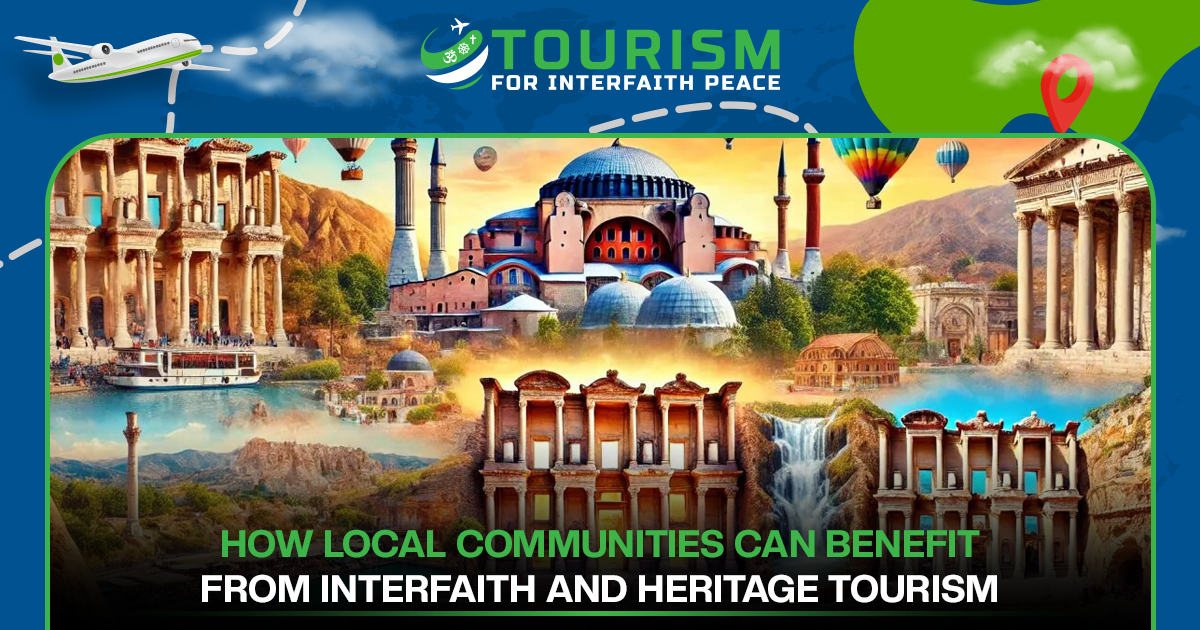
TIP’s article on how local communities can benefit from interfaith and heritage tourism explores these opportunities in more detail.
Community involvement also needs careful planning. Tourism income does not always reach everyone equally, and an increase in visitors can raise local prices or put pressure on housing and services. That is why residents should be involved from the beginning rather than consulted after decisions have already been made.
Global Examples of Sustainable Religious and Heritage Tourism
Different countries have taken different approaches to protecting sacred places. These examples show how visitor management, community involvement and respect for religious custodians can make a difference.
Sacred Sites and Pilgrimage Routes of Japan’s Kii Mountain Range
<escape></escape>
The Sacred Sites and Pilgrimage Routes in the Kii Mountain Range in Japan were added to UNESCO’s World Heritage List in 2004.
The area includes important religious destinations such as Yoshino and Omine, Kumano Sanzan and Koyasan. Forest paths connect these locations, reflecting the long history of Buddhist and Shinto traditions in the region.
One of the important lessons from the Kii Mountain Range is the value of involving different stakeholders in heritage management. Local residents, religious communities, visitors and conservation experts all have an interest in how the area is protected.
Research published in the Journal of Heritage Tourism in 2016 found that stakeholder involvement had supported conservation, although tensions could arise when tourism activities conflicted with religious practices.
The experience shows why ongoing communication between local communities, religious custodians and tourism authorities is important.
Uluru-Kata Tjuta, Australia
<escape></escape>
Uluru is one of Australia’s most recognised natural and cultural landmarks. It is also a sacred place for the Anangu, the traditional owners of the land.
For many years, visitors were able to climb Uluru, despite the cultural and spiritual importance of the site to its traditional custodians.
After years of discussion, the park’s Board of Management voted unanimously in 2017 to close the climb. The closure took effect on 26 October 2019.
This decision is an important example of recognising the rights and authority of Indigenous communities.
The lesson is simple: tourism should respect the wishes of the people whose heritage is being visited. A destination’s popularity should never outweigh the rights of its custodians.
Rock-Hewn Churches of Lalibela, Ethiopia
<escape></escape>
Lalibela is home to eleven remarkable churches carved directly into rock during the medieval period. The site is an important centre of Ethiopian Orthodox Christianity and continues to attract pilgrims and visitors.
Its conservation has involved UNESCO and the World Monuments Fund, alongside local communities and specialists.
One of the site’s biggest challenges has been protecting the churches from rainwater damage. Temporary shelters were installed to help, but they also affected the appearance of the historic landscape.
Lalibela demonstrates that protecting heritage is not always straightforward. Conservation measures must address immediate risks while respecting the historical character and religious importance of the site.
Sustainable Religious Tourism in Pakistan: Opportunities and Responsibilities
Pakistan is home to an extraordinary range of religious and cultural heritage. Its history includes Buddhist monasteries, Sikh gurdwaras, Hindu temples, historic mosques, Sufi shrines and Christian churches.
These places offer opportunities for religious tourism, cultural exchange and interfaith understanding. However, each site has its own needs, and responsible tourism must take those differences into account.
Buddhist Heritage
Pakistan’s Buddhist heritage includes Takht-i-Bahi, Sahr-i-Bahlol and the archaeological remains of Taxila.
Takht-i-Bahi and Sahr-i-Bahlol were added to UNESCO’s World Heritage List in 1980. Taxila was also recognised that year.
These archaeological sites need careful visitor management. Visitors should follow marked paths, avoid climbing on historic structures and learn about the significance of the remains through trained guides and clear interpretation.
Protecting these places means preserving an important part of the region’s history for future generations.
Sikh Heritage
Gurdwara Darbar Sahib at Kartarpur, in Narowal district, is one of the most significant Sikh pilgrimage destinations in Pakistan. It is associated with Guru Nanak, who founded Kartarpur in 1522.
The Kartarpur Corridor opened in November 2019, allowing Indian Sikh pilgrims to visit the gurdwara under a special arrangement.
The corridor demonstrated how religious tourism can support cross-border cultural and spiritual connections. It also showed that pilgrimage access can be affected by political and security developments beyond the control of local tourism operators.
For tourism planners, the lesson is that important pilgrimage sites need clear visitor arrangements and contingency plans when access becomes difficult.
Hindu Heritage
The Katas Raj Temples in Chakwal are an important part of Pakistan’s Hindu heritage. The complex includes several historic temples built around a sacred pond associated with Hindu religious traditions.
The pond’s declining water levels brought national attention to the need to protect the area’s natural resources. The case also highlighted the connection between environmental management and heritage conservation.
Protecting Katas Raj requires more than maintaining its buildings. It also means looking after the water resources and surrounding environment that give the site much of its significance.
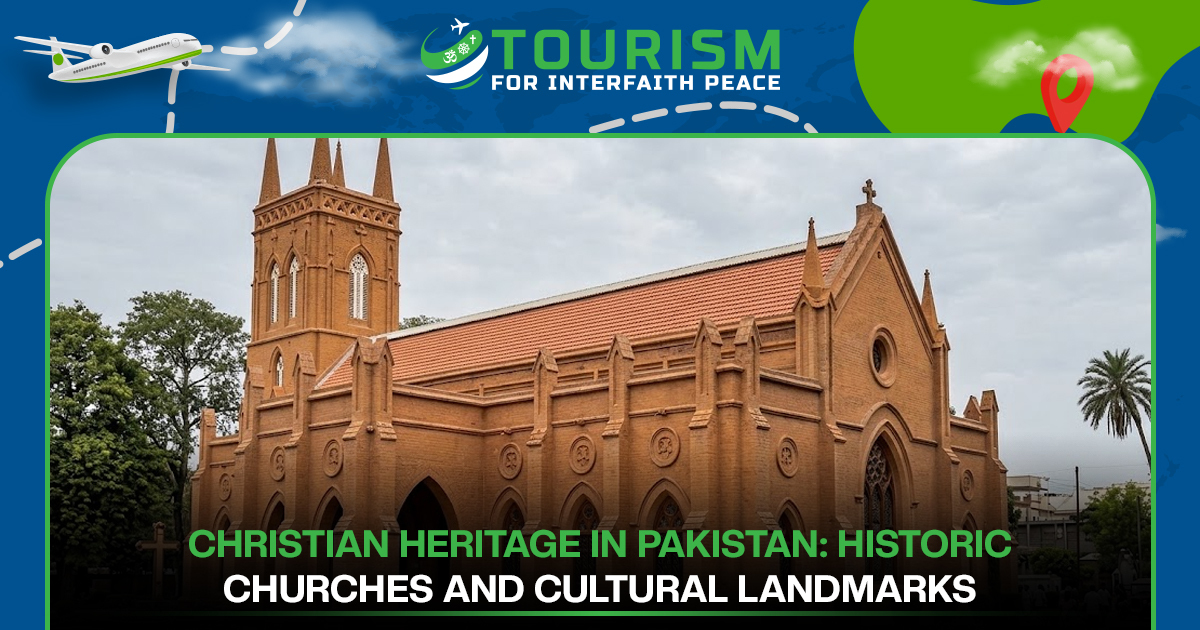
Christian Heritage
Pakistan has many historic churches, some of which remain active places of worship.
These buildings are important not only for their architecture but also for the communities that continue to use them.
Visitors should contact the relevant congregation or church administration before arranging a visit. This helps ensure that tourism activities do not interfere with religious services or community events.
Islamic Heritage
Historic mosques and Sufi shrines are also important parts of Pakistan’s religious and cultural landscape.
Places such as Wazir Khan Mosque and Data Darbar in Lahore attract worshippers and visitors throughout the year.
Because these are active religious spaces, visitors should be mindful of prayer times, dress requirements and restrictions on photography. Tour schedules should be arranged around religious activities rather than expecting worshippers to adjust to tourist groups.
What Pakistan Needs to Do
Across these different traditions, several priorities remain important:
- Provide regular funding for conservation and maintenance.
- Identify the organisations or custodians responsible for each site.
- Involve local communities in tourism planning.
- Protect water resources and the surrounding environment.
- Improve visitor facilities without damaging historic settings.
- Give minority religious heritage appropriate attention and protection.
- Train local guides to explain religious and historical significance accurately.
Pakistan’s religious heritage can support tourism and cultural exchange, but its preservation must always come first.
For a closer look at the country’s important religious destinations, explore TIP’s guide to Pakistan’s religious heritage sites.
Best Practices for Responsible Religious Travellers
Every visitor has a role in protecting sacred places. Most problems can be avoided by learning a little about the destination and respecting the people who use it.
Keep these simple practices in mind:
- Learn before you visit: Read about the site’s history, religious significance and visitor guidelines.
- Dress appropriately: Follow local clothing requirements and carry a headscarf if needed.
- Respect photography rules: Ask before taking photographs, especially of people praying or participating in ceremonies.
- Keep noise to a minimum: Avoid loud conversations and give worshippers space.
- Stay within permitted areas: Do not enter restricted rooms, buildings or religious spaces.
- Avoid touching historic objects: Carvings, paintings, relics and old structures can be easily damaged.
- Choose local guides: Their knowledge can make your visit more informative and respectful.
- Support local businesses: Buy from local shops, eat at local restaurants and consider community-run accommodation.
- Reduce waste: Carry a reusable water bottle and dispose of rubbish responsibly.
- Follow the site’s instructions: Respect the rules set by religious custodians and heritage authorities.
Responsible travel is not about limiting meaningful experiences. It is about making sure those experiences do not come at the expense of others.
The Role of Governments, Religious Institutions and Tourism Organisations
Protecting sacred heritage requires cooperation. Governments, religious institutions, tourism organisations and local communities all have different responsibilities.
Governments can develop heritage protection policies, provide conservation funding, improve public facilities and protect the land and water resources surrounding historic sites. They should also ensure that minority religious heritage receives appropriate attention.
Religious institutions and custodians understand the spiritual importance of their sites. They should have a central role in deciding visiting hours, dress requirements, photography rules, restricted areas and the use of donations.
Tourism operators can help visitors behave responsibly by providing clear information before trips, working with local guides, avoiding overcrowding and respecting religious calendars.
Local communities should be included in decisions that affect their neighbourhoods, livelihoods and cultural traditions.
Organisations such as UNESCO, ICOMOS, ICCROM and the World Monuments Fund can also contribute through conservation expertise, research, training and international cooperation.
Most importantly, responsibilities should be clear. Heritage sites need regular monitoring, transparent funding arrangements and people who are accountable for putting conservation plans into practice.
How Tourism for Interfaith Peace (TIP) Supports Responsible and Meaningful Tourism
Tourism for Interfaith Peace (TIP) is an Islamabad-based organisation that promotes tourism as a way to encourage socio-economic development, mutual understanding and peacebuilding.
Its work focuses on bringing people and communities together through tourism, cultural exchange and greater awareness of religious and cultural heritage.
This approach is particularly relevant to sustainable religious tourism. Visiting a place of worship is not only an opportunity to learn about its architecture or history. It can also help visitors understand the beliefs, traditions and everyday lives of the people who consider that place sacred.
TIP is not a heritage conservation authority, and responsible tourism cannot replace the technical work required to restore and maintain historic buildings. However, organisations working in interfaith tourism can contribute by encouraging respectful visits, supporting dialogue and helping visitors appreciate the communities behind the places they explore.
Through collaboration with local communities, tourism stakeholders and partners, TIP aims to promote tourism that supports understanding, respect and peaceful connections between people of different backgrounds.
If you represent a tourism organisation, religious institution, heritage group or community initiative and are interested in responsible religious tourism or cultural exchange, you can learn more about TIP and explore opportunities to connect with its team.
The Future of Sustainable Religious Tourism
The future of religious tourism will depend on how well destinations balance visitor experiences with the needs of the people and communities connected to sacred places.
Climate change is likely to remain a major concern. Heritage managers will need to prepare for heavier rainfall, flooding, extreme heat and other environmental risks. Regular building inspections, improved drainage and emergency plans will become increasingly important.
Technology can also support responsible tourism. Online guides, digital interpretation and pre-visit information can help visitors understand a site’s history and rules before arriving. Timed bookings can help reduce overcrowding at popular destinations.
However, technology cannot replace the knowledge and authority of religious custodians and local communities. Digital experiences should complement visits, not undermine the right of communities to use and manage their own sacred spaces.
There is also growing recognition that local people should have a stronger voice in tourism decisions. Examples such as Uluru show the importance of respecting custodians’ rights, while the Kii Mountain Range demonstrates the value of cooperation among different stakeholders.
Ultimately, sustainable religious tourism depends on a simple principle: sacred places are not just attractions to be visited. They are part of living communities and shared human heritage. Protecting them is a responsibility that continues long after a visitor has gone home.
Frequently Asked Questions
What is sustainable religious tourism?
Sustainable religious tourism is travel to sacred places, pilgrimage destinations and sites of spiritual importance in a way that protects their heritage, respects worshippers and benefits local communities.
How can tourism help protect sacred sites?
Responsible tourism can generate income for maintenance, create local employment and encourage greater appreciation of religious heritage. These benefits depend on proper visitor management, community participation and transparent use of tourism revenue.
What are the biggest threats to religious heritage sites?
Common threats include overcrowding, physical damage, inappropriate visitor behaviour, pollution, water shortages, climate change, nearby development and insufficient conservation funding.
How can visitors protect sacred places?
Visitors can dress appropriately, follow photography rules, respect prayer times, avoid touching historic structures, use local guides and dispose of waste responsibly.
What is responsible pilgrimage tourism?
Responsible pilgrimage tourism considers the needs of pilgrims, local residents and religious custodians. It involves suitable visitor arrangements, respect for religious practices and careful management of waste and other resources.
How does overtourism affect religious destinations?
Too many visitors can damage historic structures, disrupt worship, increase waste and put pressure on local services. Visitor limits, timed entry and separate routes can help manage these problems.
What role do local communities play in sacred-site conservation?
Local communities provide valuable knowledge about the history, traditions and maintenance of heritage sites. They can also support tourism through guiding, hospitality and traditional crafts. Their involvement in decision-making helps make conservation more effective.
How can religious institutions promote sustainable tourism?
Religious institutions can establish visitor guidelines, communicate photography and dress requirements, coordinate visiting hours and work with tourism organisations to protect worship and religious traditions.
What are some examples of sustainable religious tourism?
The Kii Mountain Range in Japan demonstrates the importance of stakeholder cooperation. Uluru in Australia shows why the wishes of traditional custodians matter. Lalibela in Ethiopia highlights the challenges of protecting historic places that remain active centres of worship.
How can Pakistan protect its religious heritage through tourism?
Pakistan can strengthen heritage protection through regular conservation funding, responsible visitor management, community involvement, environmental protection and better interpretation of its diverse religious history.
Conclusion: Protecting Sacred Heritage Is a Shared Responsibility
Every sacred place has a story. Some have been part of a community’s life for centuries, while others preserve important evidence of civilisations that existed long before us.
Protecting these places requires more than repairing old buildings. It means respecting the people who worship there, supporting the communities that care for them and making sure tourism does not take away what makes them special.
Travellers can contribute by behaving responsibly. Tour operators can plan visits with care. Religious institutions and heritage authorities can set clear guidelines, while local communities should have a meaningful voice in decisions about their own heritage.
At Tourism for Interfaith Peace, we believe tourism can help bring people closer together when it is built on mutual respect, cultural understanding and meaningful connections.
If you are interested in responsible religious tourism, interfaith exchange or heritage awareness, get in touch with Tourism for Interfaith Peace.
Email: info@tourismforinterfaithpeace.com
Phone: +92 336 8377633
Website: https://tourismforinterfaithpeace.com/