Pakistan has Buddhist monasteries, Mughal forts, Indus Valley ruins and mountain valleys with their own languages and calendars. Yet the country’s tourism story is often told in one dimension, if at all. Syed Sadat Hussain Shah’s website points toward a fuller approach: tourism built through partnerships between government and private business, with benefits that reach local people. This article outlines that vision and the practical ideas behind it.
Who Is Syed Sadat Hussain Shah, and What Does His Work Emphasize?
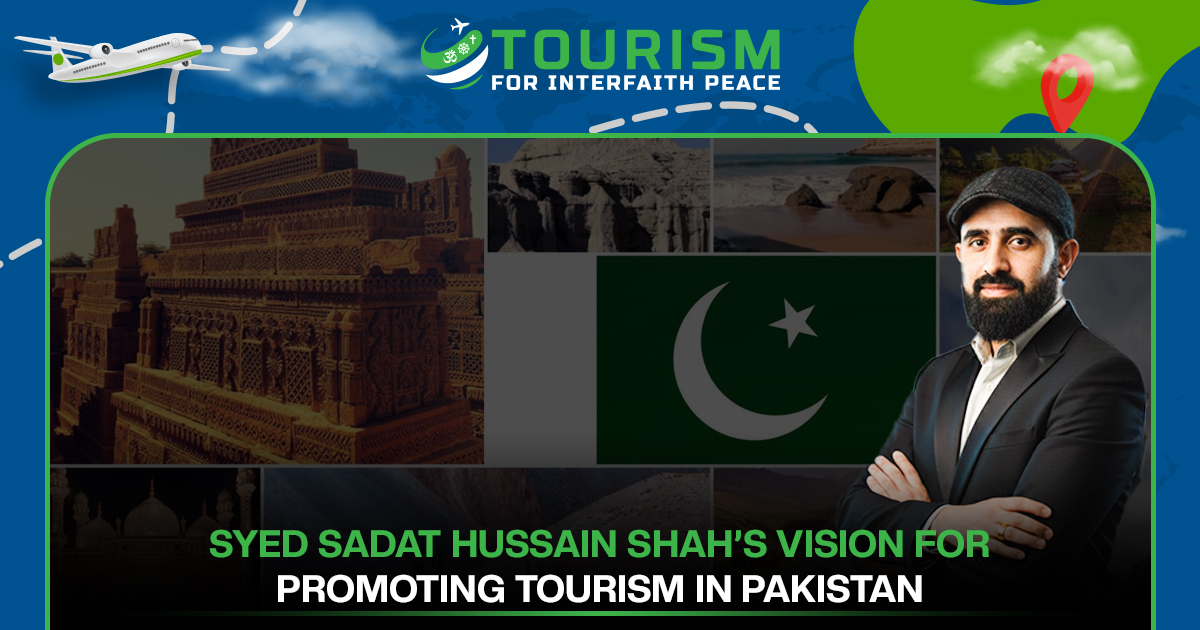
His website describes him as Chairman of Lakeshore City, Chairman of the Hospitality Committee at the Islamabad Chamber of Commerce and Industry, and Focal Person for Public and Private Tourism Partnerships, with an interest in youth entrepreneurship. Those roles come from his own site, so readers should treat them as self-described. His published writing on tourism argues for partnerships built on published agreements, measurable standards, a place for communities at the table and independent monitoring.
Five Ideas Behind the Vision
1. Heritage worth protecting
UNESCO has inscribed six cultural properties in Pakistan: Mohenjo-daro, Taxila, Takht-i-Bahi with Sahr-i-Bahlol, the monuments at Makli, Lahore Fort with Shalimar Gardens, and Rohtas Fort. Visitor spending can help fund their care, but only when managers plan for crowds and wear. Preservation comes first. Promotion follows.
2. Local communities at the table
Valley and mountain communities host the visitors, so they should help set the terms. A visitor code cited in TIP’s cultural tourism guide says the Kalash receive little economic benefit from tourism and urges visitors to use Kalash guides and hotels. Community participation means local guides, locally run stays and a voice in how visitor numbers are managed.
3. Interfaith understanding through respectful travel
Pakistan holds Buddhist, Muslim, Sikh, Hindu and Christian heritage, and many sites remain in active use. Visiting as a respectful guest builds understanding without anyone needing to debate belief. TIP says it designs journeys to sacred and historic sites and hosts interfaith events.
4. Responsible and sustainable travel
- Hire local guides and stay in locally run places.
- Dress as each site or community expects, and ask before photographing people or ceremonies.
- Keep waste out of streams and stay off grazing meadows.
- Buy crafts from makers, not antiques.
5. Partnerships that share benefits
Tourism supports guides, drivers, food vendors, craftspeople and hotel staff. Public-private partnerships can help fund roads, facilities and training, but terms decide who gains. Clear agreements, published standards and independent monitoring keep a partnership honest, and no arrangement guarantees results.
Where the Vision Meets the Map
Cultural destinations and festivals
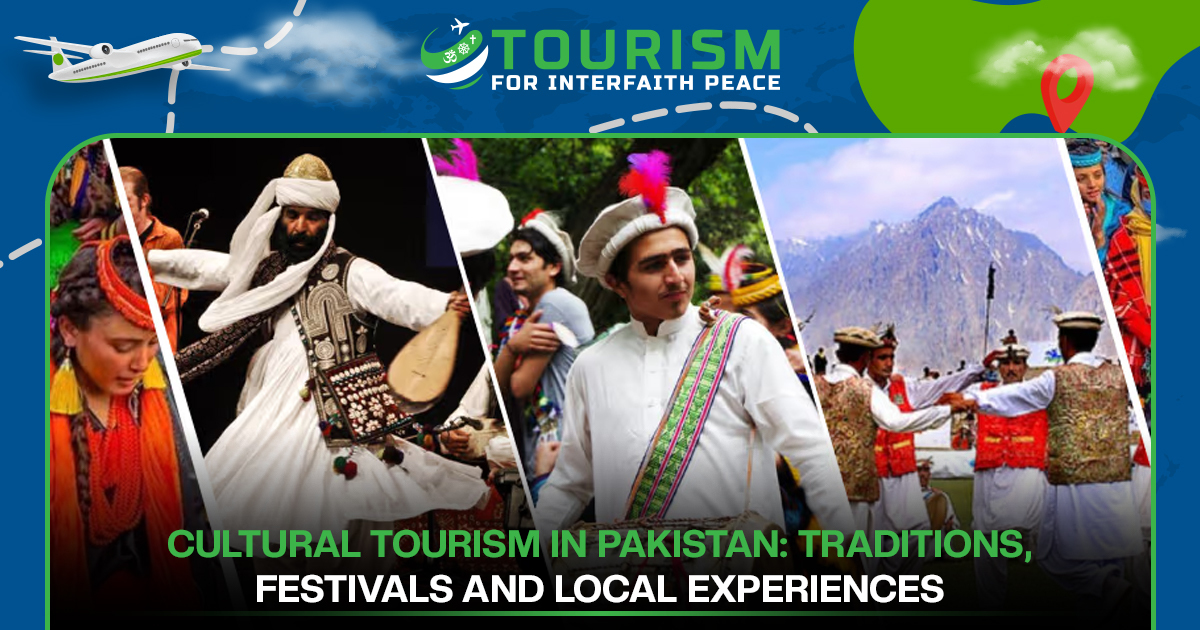
Our guide to Cultural Tourism in Pakistan: Traditions, Festivals, and Local Experiences covers the Kalash festivals of Chitral, including Chilam Joshi in spring, and the Shandur Polo Festival held each June. A festival is a community’s own calendar, not a show, so watch respectfully and join only when invited. Dates shift from year to year, so check with local tourism authorities.
The northern areas
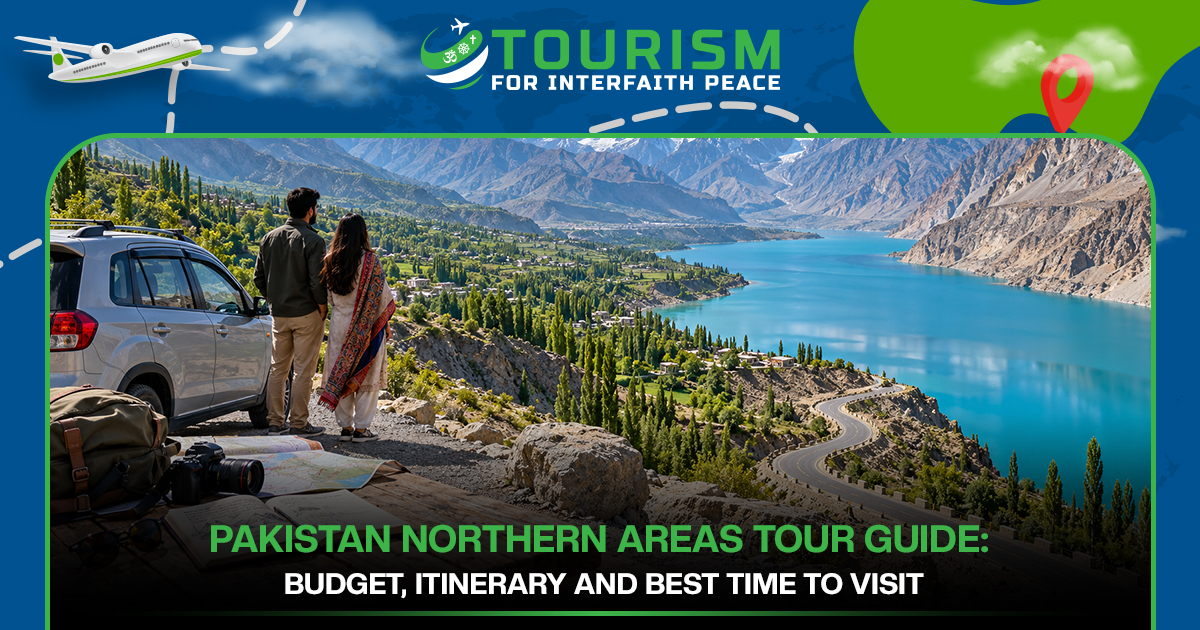
Hunza, Skardu and Naran draw many first-time visitors. Weather and landslides can close roads without notice, and mountain communities depend on visitors who travel slowly and spend locally. For seasons, costs and a sample route, read Pakistan Northern Areas Tour Guide: Budget, Itinerary, and Best Time to Visit.
How Tourism Can Shape Pakistan’s International Image
A traveler who returns home with firsthand stories carries more weight than any campaign. That only holds when the visit is well run, safe and respectful. Good infrastructure, honest information and welcoming hosts do the work that slogans cannot.
What Readers Can Do
- Choose a region first, then a season, and confirm road and site status close to departure.
- Pair each headline site with a nearby village or market.
- Learn a few local greetings and customs before you arrive.
- Check your government’s travel advice before booking.
Frequently Asked Questions
What is Syed Sadat Hussain Shah’s vision for tourism in Pakistan?
His website emphasizes public-private tourism partnerships with published agreements, measurable standards, community involvement and independent monitoring.
How can tourism support interfaith peace?
Respectful travel to shared heritage sites builds familiarity between visitors and hosts. Understanding grows through contact, not debate.
What is responsible tourism?
Travel that protects heritage and the environment and puts money and respect into local communities, for example through local guides and stays.
Which places in Pakistan are UNESCO-listed cultural sites?
Mohenjo-daro, Taxila, Takht-i-Bahi with Sahr-i-Bahlol, the monuments at Makli, Lahore Fort with Shalimar Gardens, and Rohtas Fort.
How can visitors support local communities in the northern areas?
Hire local guides, stay and eat in locally run places, ask before photographing people and travel in a way that respects local customs.
Conclusion
Tourism earns its place when it protects what it shows and shares what it earns. Heritage, hospitality and honest partnerships can reinforce one another. To explore Pakistan’s sacred and historic places with TIP, ask the team about current offerings at info@tourismforinterfaithpeace.com or +92 336 8377633.