Tourism for Interfaith Peace is the organization Syed Sadat Hussain Shah leads, and it gives his stated priorities (tourism, youth opportunity and interfaith harmony) a working framework. TIP designs journeys to sacred sites, hosts dialogues, and recommends conserving first and hiring locally. So far its record is advocacy and awareness, with no published outcome data.
A visit to a monastery founded in the first century CE can end at the ticket gate, with a few photos and nothing left behind. Tourism does more when it links heritage to the people who look after it.
Tourism for Interfaith Peace (TIP), an Islamabad-based organization, builds its work on that idea. This article separates what TIP has documented from what it only recommends.
What Is Tourism for Interfaith Peace?
TIP’s About page describes a mission of building bridges across religious and cultural boundaries through sustainable tourism. The organization says it designs journeys to sacred and historic sites and hosts events, interfaith dialogues and workshops. Its launch ceremony took place on 12 October 2024 and, TIP says, brought together leaders from several faiths.
Its core idea is that understanding between faiths begins with proximity, not debate: standing in a space that matters to someone else and hearing a caretaker explain it asks nothing of a visitor’s own beliefs. TIP has not published data testing that view.
Connecting Religious Heritage With Tourism Opportunities
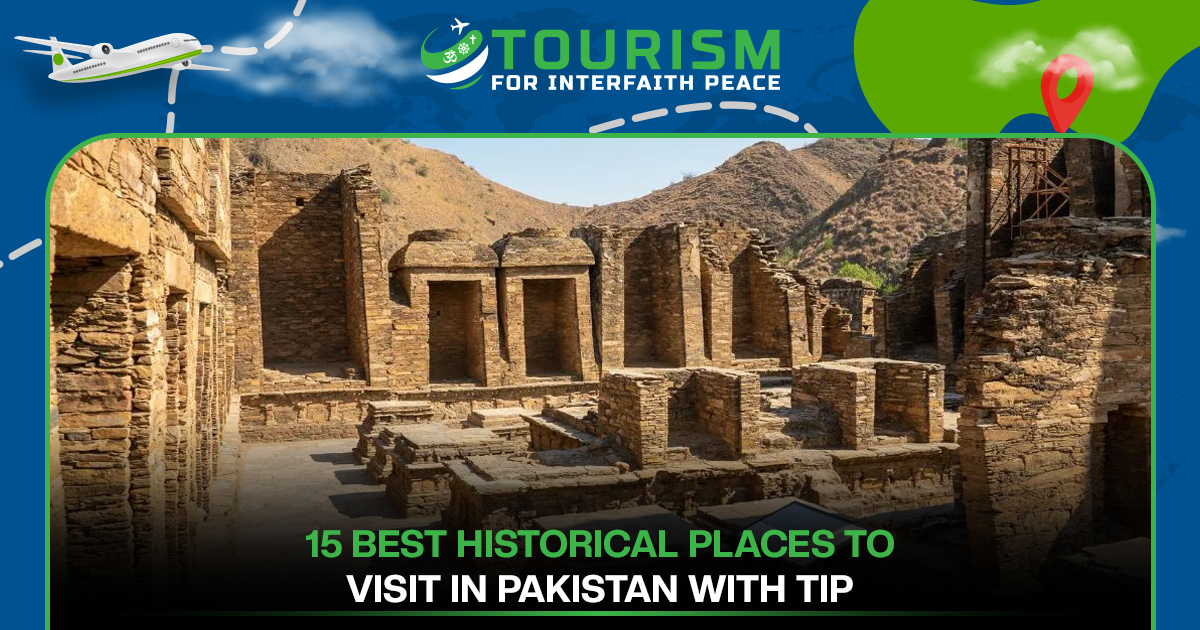
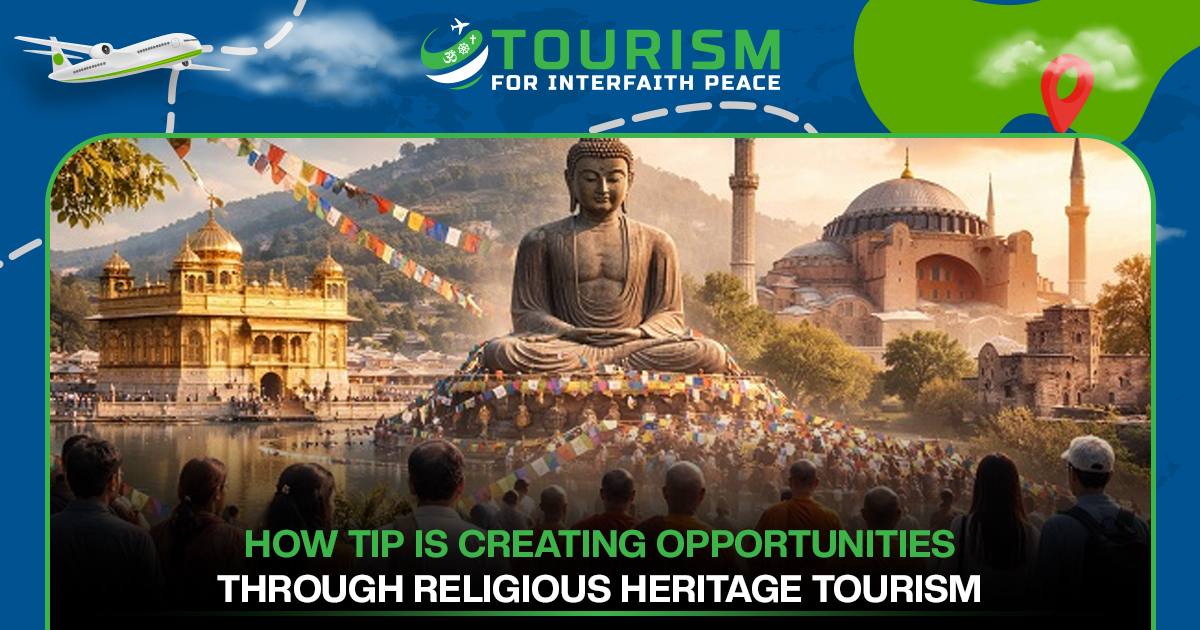
UNESCO lists six cultural properties in Pakistan, including Taxila and Takht-i-Bahi. TIP’s guide adds Kartarpur, where a pilgrim corridor opened on 9 November 2019, along with Hindu, Jain and Christian sites. Many are still in daily use, so TIP proposes a sequence: conserve before promoting, interpret living practice with custodian communities, improve access, and manage visitor numbers.
Tourism does not preserve heritage on its own. A private trust has restored parts of Nagarparkar and UNESCO has sent a monitoring mission to Makli; neither depends mainly on visitor counts. Tourism adds attention and, when well managed, income that gives people a reason to protect a site.
How TIP Supports Community Development
Visitors need guides, transport, food and lodging, so money can reach caretakers, artisans and small businesses. The word that matters is “can”: if travelers book distant operators and fees vanish into general budgets, local benefit is small. UN Tourism’s definition of sustainable tourism asks for fairly distributed benefits, including stable jobs and income for hosts.
TIP recommends training guides from custodian communities, including minority communities, buying locally, and publishing how entry fees are spent. These are recommendations, not results. TIP has not reported participation figures or income outcomes, and its contribution so far is advocacy and awareness.
The Connection With Syed Sadat Hussain Shah’s Tourism Vision
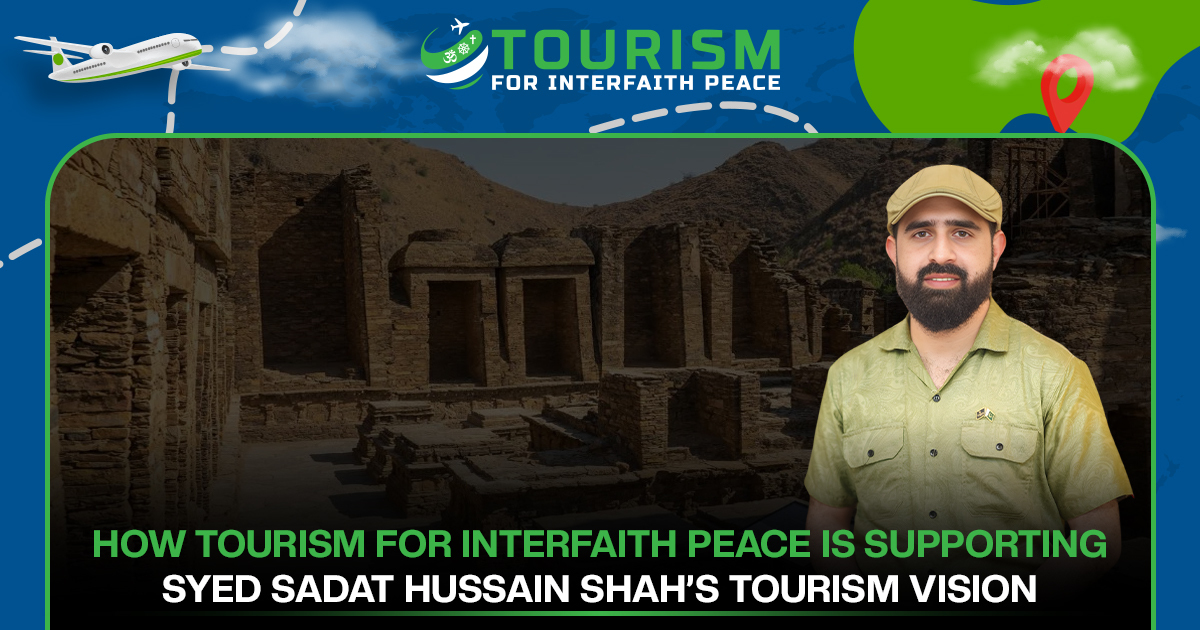
TIP’s website lists Syed Sadat Hussain Shah as CEO; press coverage uses other titles.
His direction shows in his public statements. In June 2026, Daily Parliament Times reported him saying that Pakistan’s sustainable development should be linked with youth development, tourism and interfaith harmony, not limited to construction and investment. In July the same outlet reported him urging the government to promote religious, cultural and natural tourism and improve tourism infrastructure.
Context matters: those reports also identify him as president of Lakeshore Club, and the June remarks responded to budget measures affecting real estate. They are policy positions, not measured outcomes.
TIP’s focus on religious heritage, local benefit and interfaith contact covers the same ground. How far it has advanced his vision is not something any published source measures.
Why Interfaith Tourism Can Create Broader Social and Economic Value
Local spending is the economic argument, contact between people of different faiths the social one. The 2015 Bethlehem Declaration on religious tourism backs inclusive models where custodians and host communities share the benefits. Whether this works at scale is untested.
The risks are real. Academic work on destination governance notes that religious tourism has become commercialized and that managing sacred sites takes more than marketing. Small sites feel over-tourism first, and worship spaces become photo backdrops.
What This Approach Could Mean for the Future of Heritage Tourism
If protecting first and promoting second holds, heritage tourism in Pakistan would grow more slowly but with more local ownership. Recognition takes time as well: Nagarparkar’s cultural landscape has been on UNESCO’s Tentative List since 2016. The next test for TIP is evidence: named projects, participation numbers and outcomes.
Conclusion
Heritage gives tourism its subject, communities decide whether it benefits anyone, and interfaith understanding is the hoped-for result. TIP argues for connecting the three, and Syed Sadat Hussain Shah’s public statements point the same way. Until results are published, the approach is plausible but unproven.