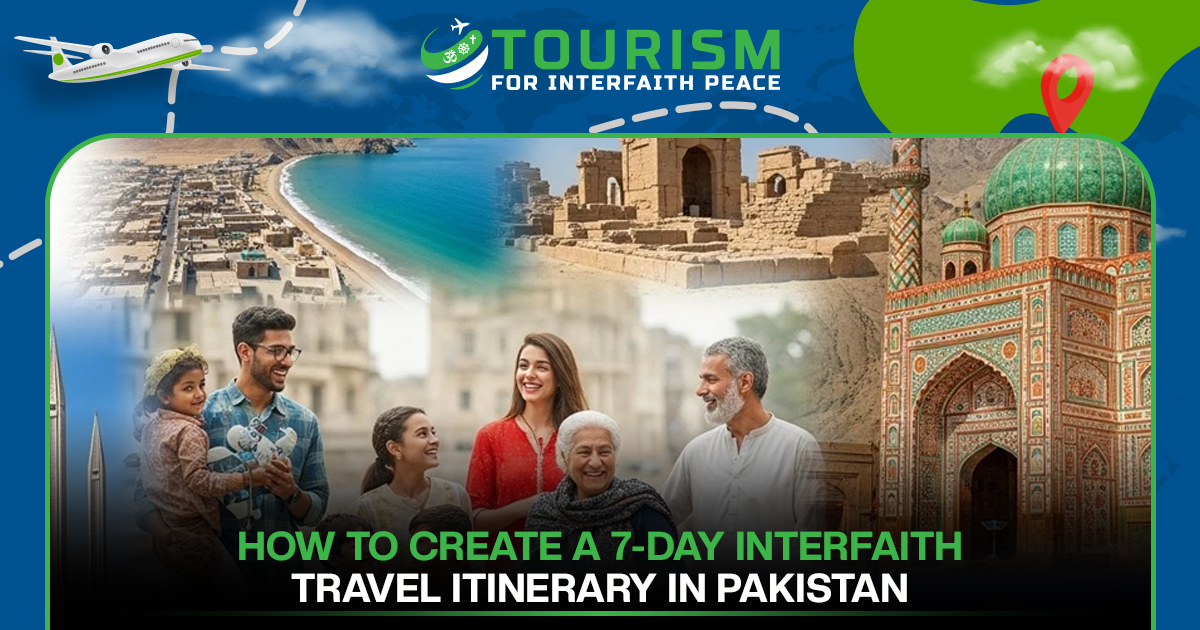
Pakistan is one of the world’s most religiously and culturally layered destinations, though it rarely gets described that way. Within a single week of travel, you can stand inside Buddhist monasteries older than most world religions, walk through Sikh gurdwaras still active with daily worship, sit in colonial-era churches, and listen to devotional music at Sufi shrines that have welcomed visitors of every background for centuries.
A well-planned itinerary helps travelers experience these places respectfully, learn their context, and support the communities who maintain them. This guide lays out a realistic seven-day interfaith journey across Pakistan, built around depth rather than speed.
Why Plan an Interfaith Journey?
An interfaith journey is different from a standard sightseeing trip. It asks more of the traveler, and it tends to give more back in return.
• Cultural understanding: Seeing how different faiths have shaped the same landscape builds a clearer picture of Pakistan than headlines ever will.
• Peacebuilding: Travel that centers coexistence, rather than division, contributes in a small but real way to how communities are seen and understood.
• Learning through travel: Standing inside a space matters differently than reading about it. Context sinks in through presence.
• Respect for diversity: A thoughtfully sequenced itinerary treats each tradition on its own terms, rather than as a stop to check off.
• Supporting local communities: Local guides, artisans, and small businesses benefit directly when travel is planned with intention.
Pakistan’s layered religious geography is explored in more depth in why pakistan is emerging as a unique interfaith travel destination, which is worth reading before setting out.
Day 1 – Islamabad & Taxila
Begin in Islamabad, a calm, planned capital that makes an easy, unhurried entry point into the trip. Visit the Faisal Mosque in the morning, when the scale of its design is easiest to appreciate without crowds. From there, spend the afternoon at the Taxila Museum, which houses one of the country’s finest collections of Gandharan Buddhist art, much of it recovered from the ruins you’ll visit the next day.
Islamabad also holds several smaller, less-visited sites worth building into a first day of cultural orientation. islamabad’s hidden religious and cultural gems for interfaith travelers cover several of these in detail, including churches within residential sectors and the city’s Hindu temple.
Day 2 – Taxila Heritage Trail
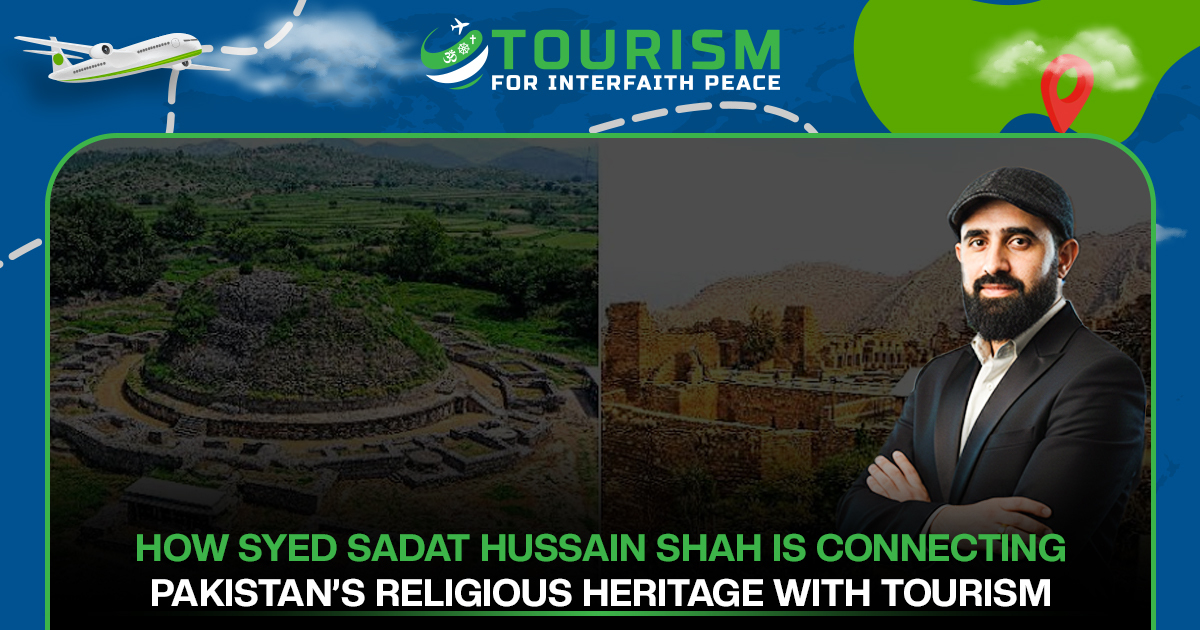
Spend the full day exploring Taxila’s Buddhist heritage corridor, part of a UNESCO World Heritage Site recognized for its role in the development of Gandharan Buddhist art and learning. Jaulian Monastery, set on a hilltop with sweeping valley views, is one of the best-preserved sites in the region. Mohra Moradu, quieter and less visited, holds some of the most intact stucco Buddha sculptures anywhere in Pakistan. Dharmarajika Stupa, believed to house relics connected to the Buddha, rounds out the day.
Together, these sites offer a grounded introduction to the Kushan-era Buddhist civilization that once made this valley one of the great centers of learning in South Asia.
Day 3 – Lahore
Travel to Lahore, a city where multiple faiths sit within walking distance of one another inside the Walled City. Visit the Badshahi Mosque in the early morning light, then walk to the nearby Lahore Cathedral, an active Christian place of worship with roots in the colonial period. Gurdwara Dera Sahib, associated with the fifth Sikh Guru, sits close by as well, offering a quieter counterpoint to the grandeur of the mosque.
Spend the evening on Lahore’s Food Street, where the day’s sightseeing settles into something more social. Shared meals tend to open conversations that formal tours rarely do.
Day 4 – Kartarpur & Nankana Sahib
Dedicate this day to Sikh heritage. Nankana Sahib, the birthplace of Guru Nanak, sits roughly an hour from Lahore and remains one of the most important pilgrimage sites in Sikhism. Kartarpur, where Guru Nanak spent his final years, is now connected by the Kartarpur Corridor, a rare piece of cross-border pilgrimage infrastructure opened in 2019 specifically to allow Sikh pilgrims easier access to the site.
Visiting etiquette matters here. Cover your head before entering the gurdwara, remove your shoes, and follow the lead of others in the langar hall if you’re offered a shared community meal. These aren’t formalities. They’re how the space asks to be respected.
Day 5 – Multan
Multan, often called the city of saints, is built around a dense concentration of Sufi shrines. The shrines of Shah Rukn-e-Alam and Bahauddin Zakariya are architectural landmarks in their own right, and both continue to draw devotees from across religious lines, a tradition that predates any modern tourism framing.
Beyond the shrines, Multan is known for its handicrafts, particularly blue pottery and hand-loom textiles. An afternoon spent in the old bazaars, watching artisans work, adds a tactile counterpoint to a day otherwise centered on spiritual architecture.
Day 6 – Karachi or Hyderabad
Depending on your route, close the heritage portion of the trip in Karachi or Hyderabad, both of which hold layered religious and colonial history. Karachi’s churches and Hindu temples, some centuries old, sit alongside colonial-era architecture from the British period. Museums in both cities offer useful context for the communities you’ve encountered throughout the week.
Local cuisine here tends to reflect the same diversity: Sindhi, Memon, Parsi, and Goan influences all show up on the same street, often within a few minutes’ walk of each other.
Day 7 – Reflection Through Local Communities
Use the final day differently than the rest. Rather than adding another landmark, slow down. Join a community workshop if one is available, spend time with a local guide who can answer the questions that built up over the week, and wander a traditional market without a fixed agenda.
Supporting local artisans directly, rather than through intermediaries, tends to matter more here than anywhere else on the trip. And often, the conversations that happen in these unstructured moments, with a shopkeeper, a guide, a fellow traveler, become the part of the journey people remember most clearly, more than any single monument.
The role storytelling plays in sustaining this kind of cultural memory is explored further in what storytelling traditions help preserve religious harmony in pakistan.
Practical Travel Tips
• Dress modestly at all religious sites, regardless of the specific faith tradition.
• Observe local customs quietly rather than assuming your own norms apply.
• Always ask before photographing people or active worship spaces.
• Hire local guides where possible; their context is often more valuable than a guidebook.
• Choose locally connected accommodations and services to keep tourism income within communities.
• Carry reusable items and minimize waste, particularly at heritage sites with limited infrastructure.
• Learn a handful of basic etiquette points for each site before arriving, rather than improvising on the spot.
A more detailed breakdown of these practices is available in top tips for planning safe, ethical and meaningful interfaith tourism experiences in pakistan.
Conclusion
A seven-day interfaith journey across Pakistan is more than a sightseeing itinerary. It’s an opportunity to build understanding, encounter diversity firsthand, and see how shared heritage, however complicated, can still foster peace and mutual respect between communities.
Travel with curiosity, humility, and an open mind, and the trip tends to give back more than any checklist of landmarks could promise.
FAQs
How can I plan a 7-day interfaith trip in Pakistan?
Start in Islamabad and Taxila for Buddhist heritage, move to Lahore for a mix of Islamic, Christian, and Sikh sites, dedicate a day to Kartarpur and Nankana Sahib, then continue to Multan for Sufi shrines before closing in Karachi or Hyderabad.
Which religious sites should I visit in Pakistan for interfaith travel?
Key sites include Faisal Mosque, Taxila’s Buddhist monasteries, Badshahi Mosque, Lahore Cathedral, Gurdwara Dera Sahib, Nankana Sahib, Kartarpur, and the Sufi shrines of Multan.
How can I travel respectfully at religious sites in Pakistan?
Dress modestly, follow site-specific customs, ask before photographing people or worship spaces, and consider hiring a local guide for added context and respect.
What cultural experiences should I include on an interfaith trip?
Include local markets, handicraft workshops, community meals, and conversations with local guides, since these often provide more insight than formal sightseeing alone.
How can interfaith tourism promote peace in Pakistan?
Interfaith tourism promotes peace by encouraging travelers to engage with diverse communities respectfully, supporting local livelihoods, and building a more accurate, firsthand understanding of coexistence.